Logical Reasoning Reading Worksheets for Ages 3-6
15 filtered results
-
From - To
Enhance your child's cognitive development with our Logical Reasoning Reading Worksheets, specially designed for ages 3-6! These engaging worksheets promote critical thinking and problem-solving skills through fun and interactive activities. Children will enjoy colorful illustrations and captivating exercises that stimulate their logical reasoning abilities. Our resources are easy to use at home or in the classroom, ensuring a seamless learning experience. By integrating reading practice with logical challenges, these worksheets support early literacy while encouraging kids to think analytically. Explore our collection today to give your little learners the tools they need for a strong educational foundation!
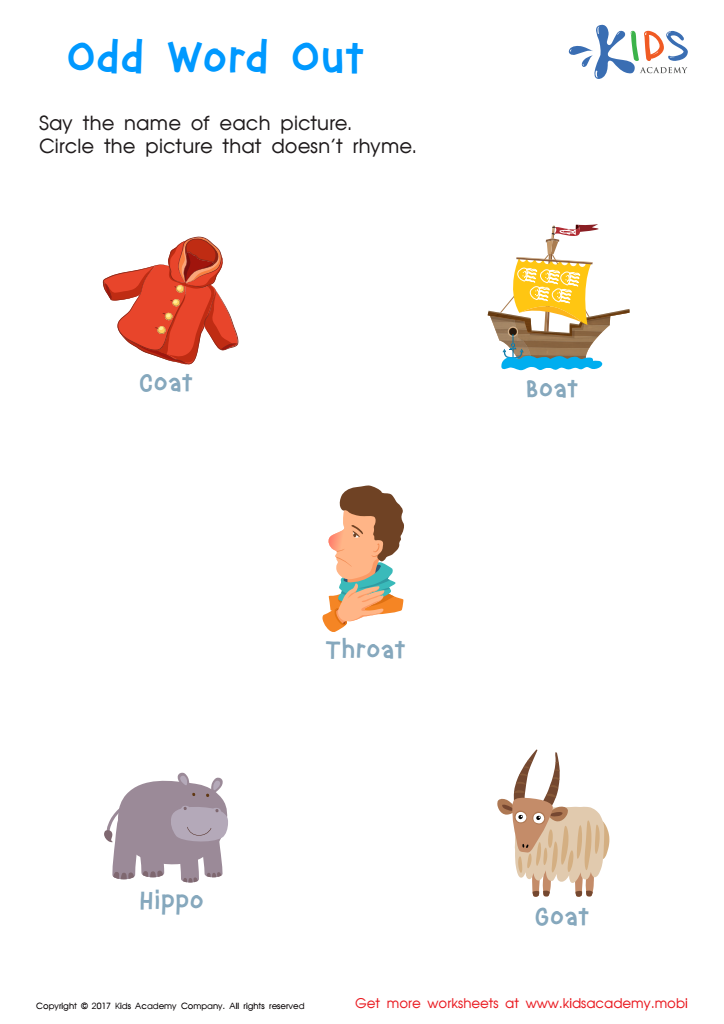
Odd Word Out Rhyming Worksheet
 Assign to My Students
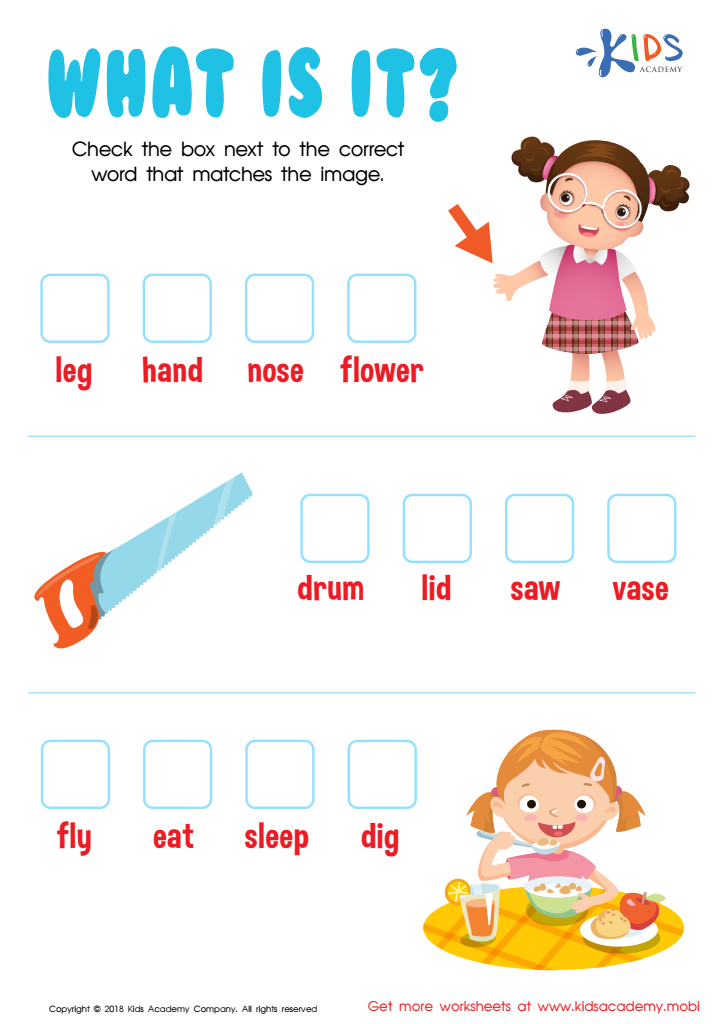
What Is It? Worksheet
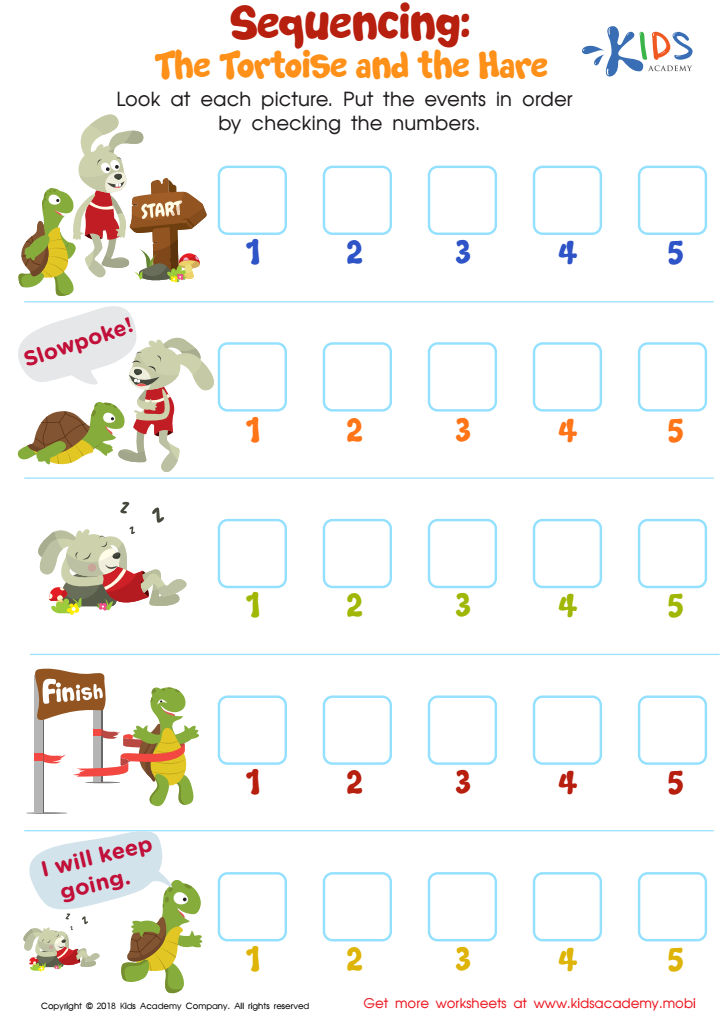
Sequencing: The Tortoise and the Hare Worksheet
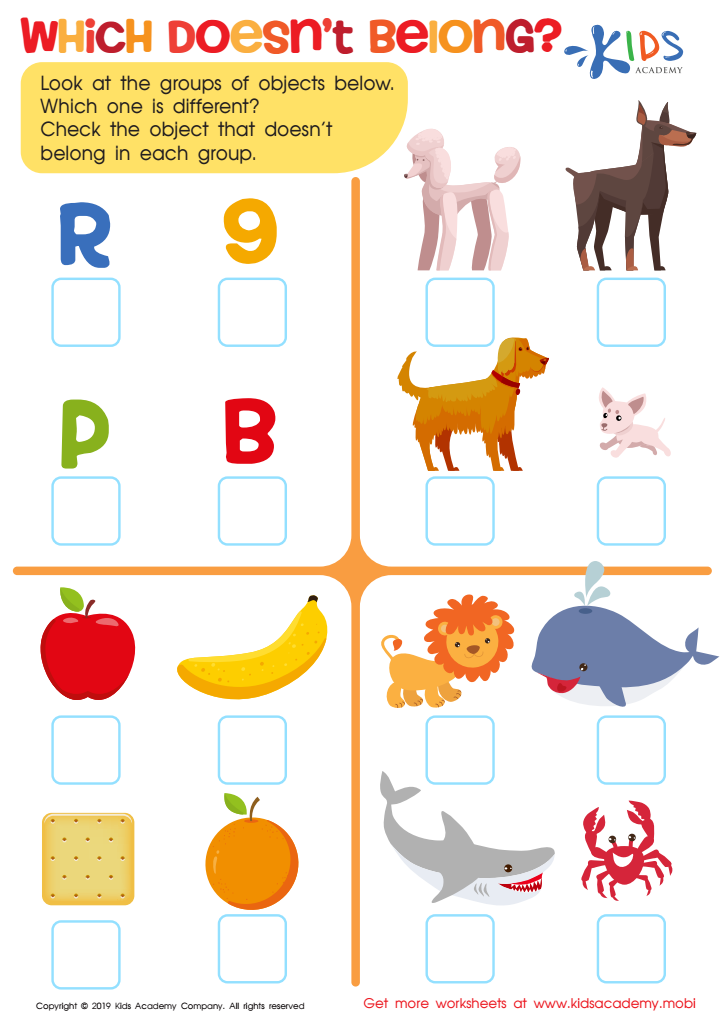
Which Doesn't Belong? Worksheet
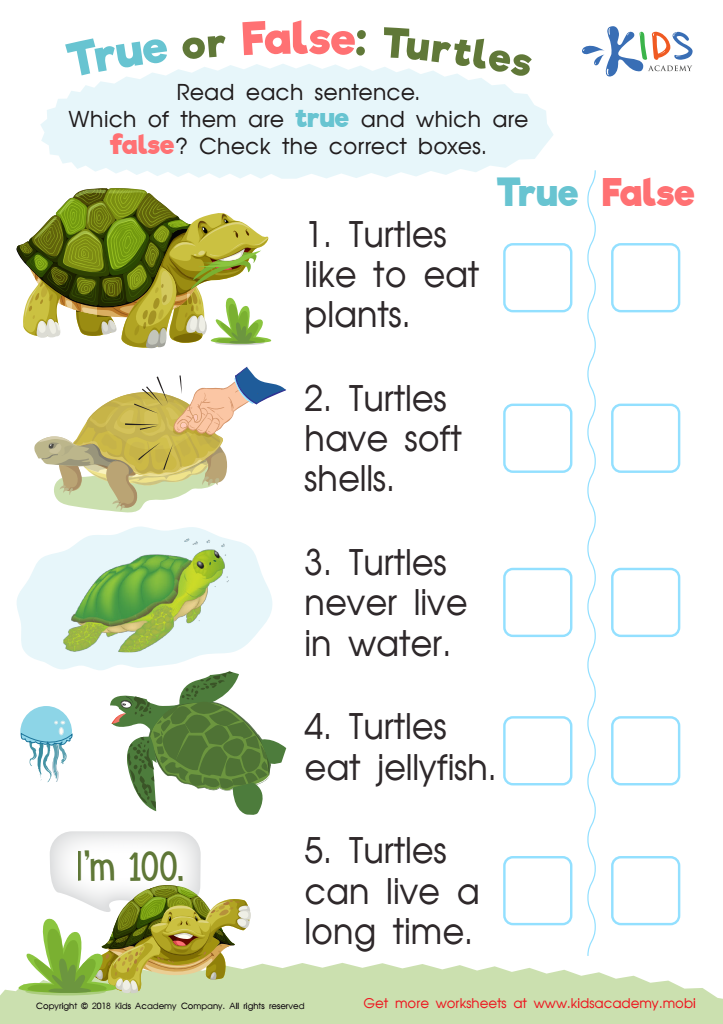
True or False: Turtles Worksheet
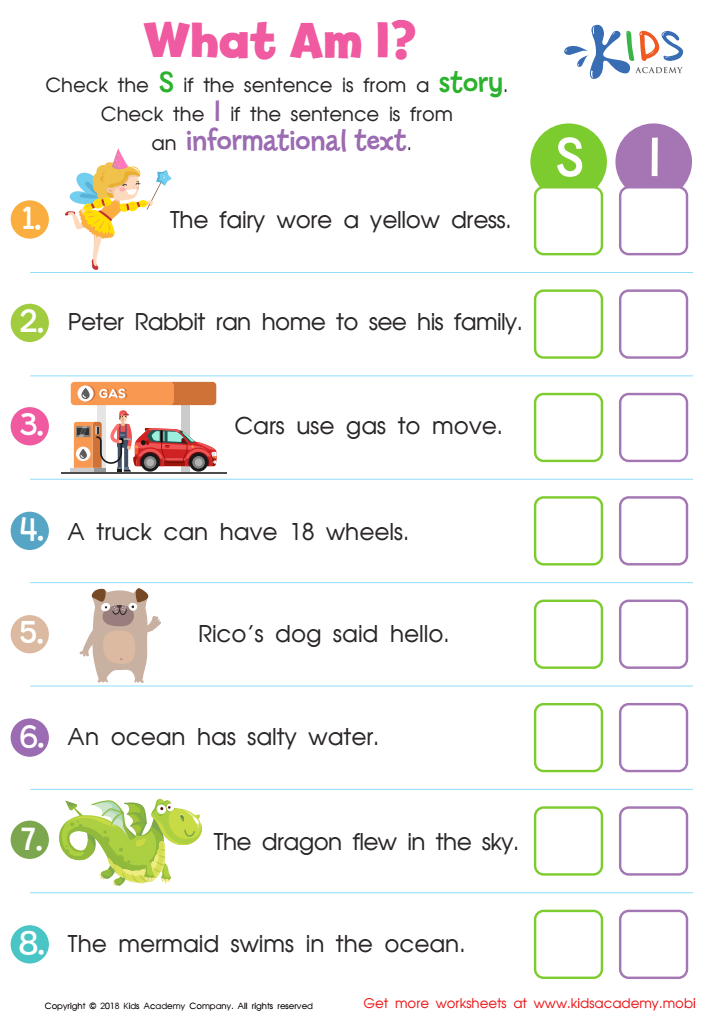
What Am I? Worksheet
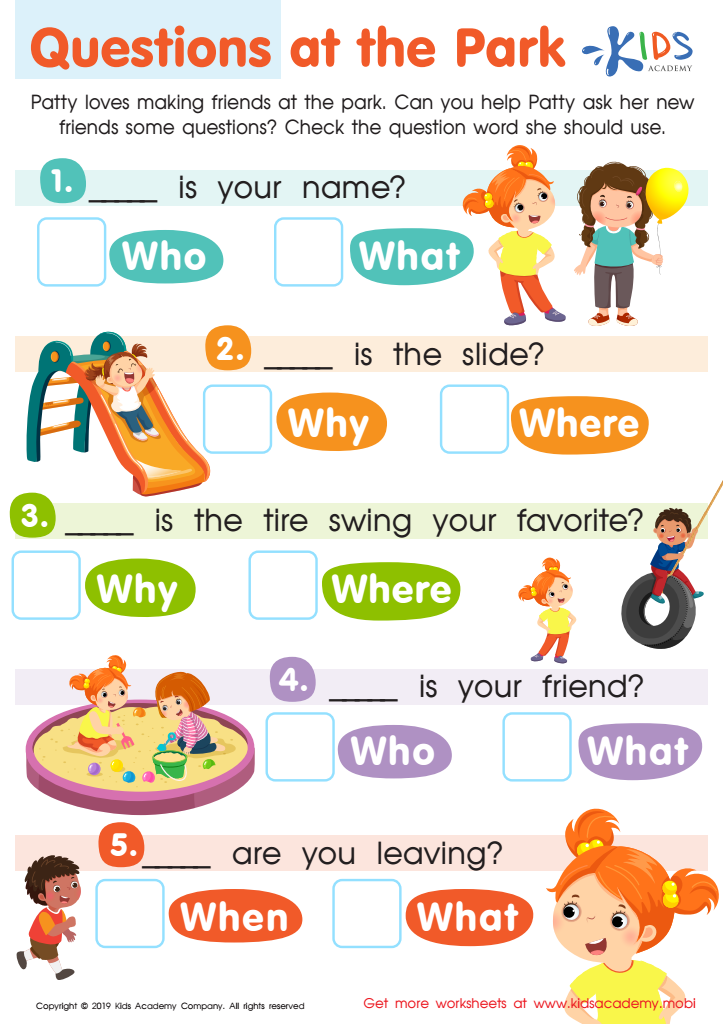
Questions at the Park Worksheet
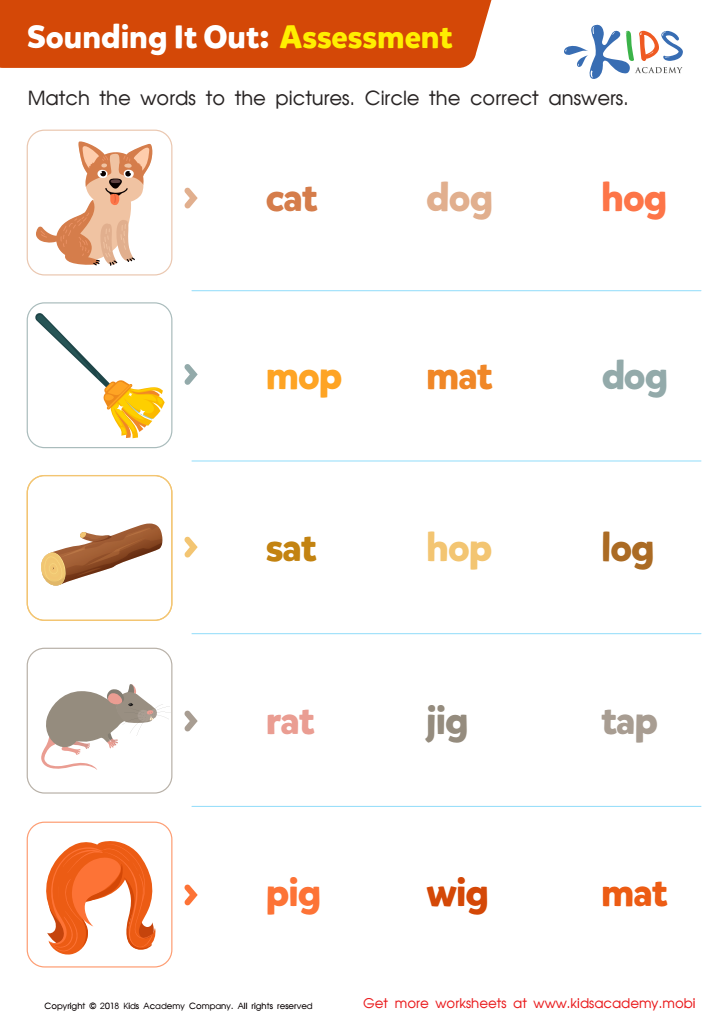
Sounding it Out: Assessment Worksheet
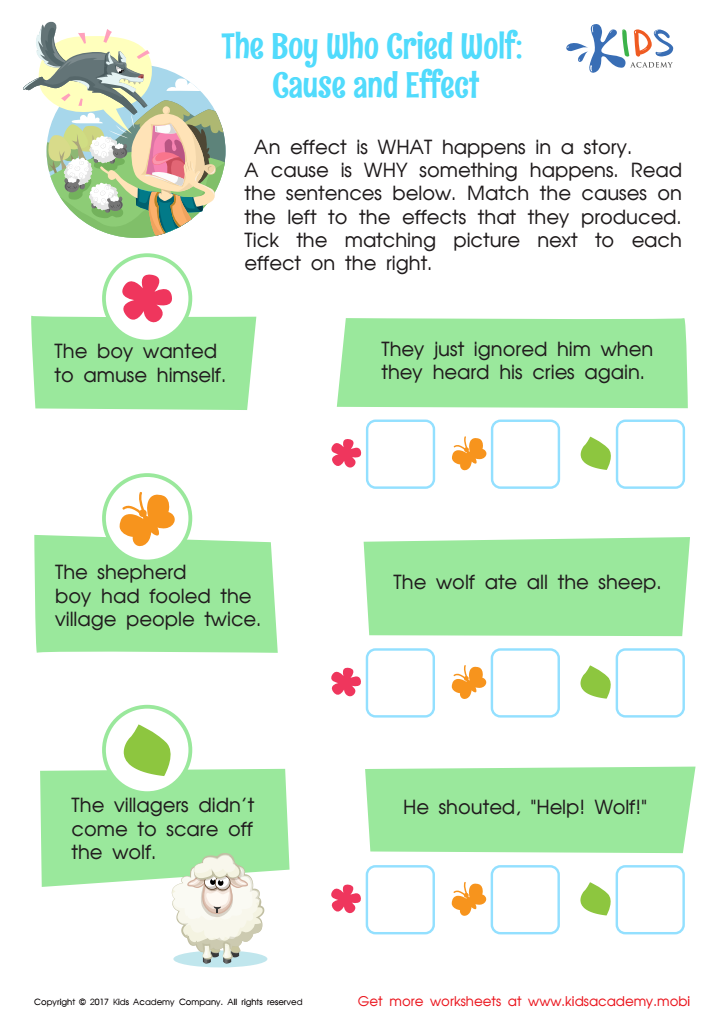
The Boy Who Cried Wolf: Cause and Effect Worksheet
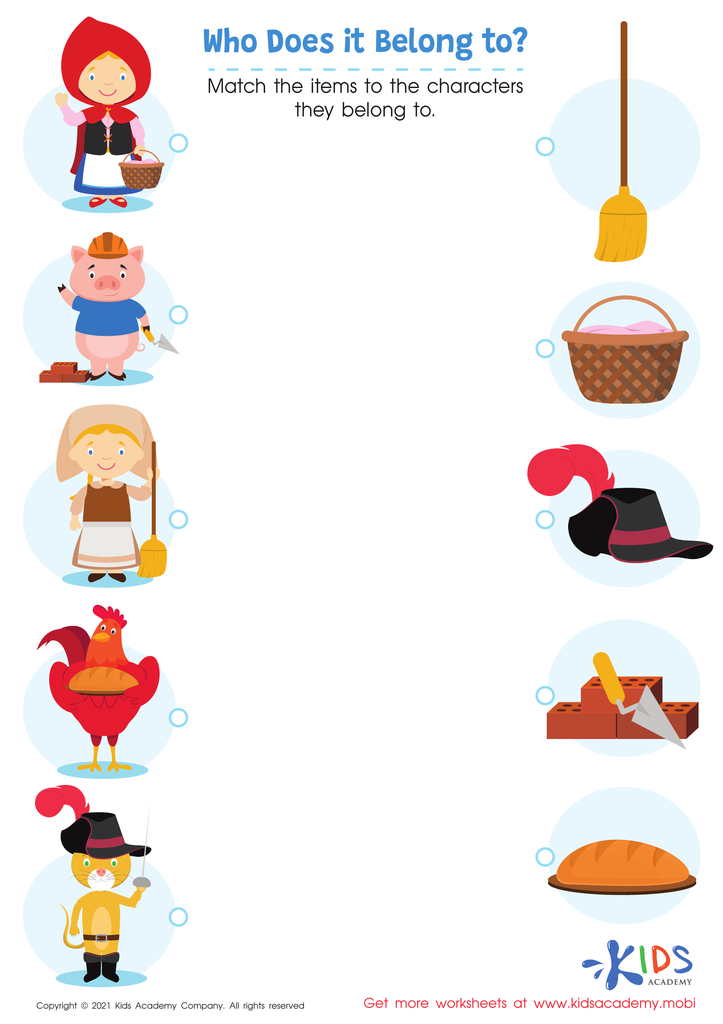
Who Does It Belong To? Worksheet
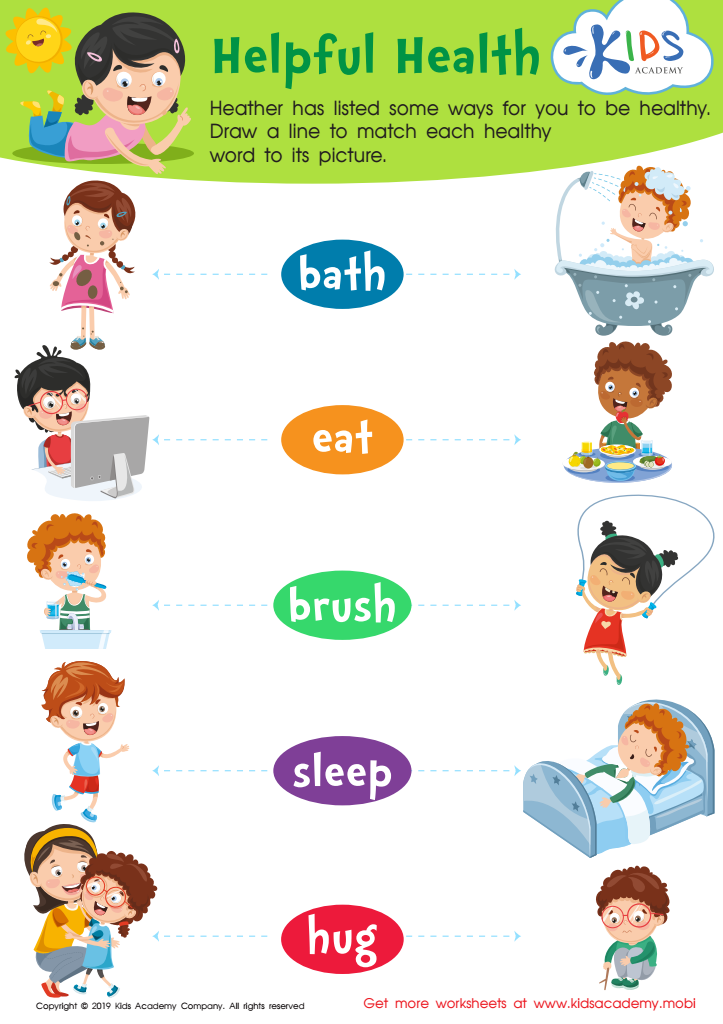
Helpful Health Worksheet
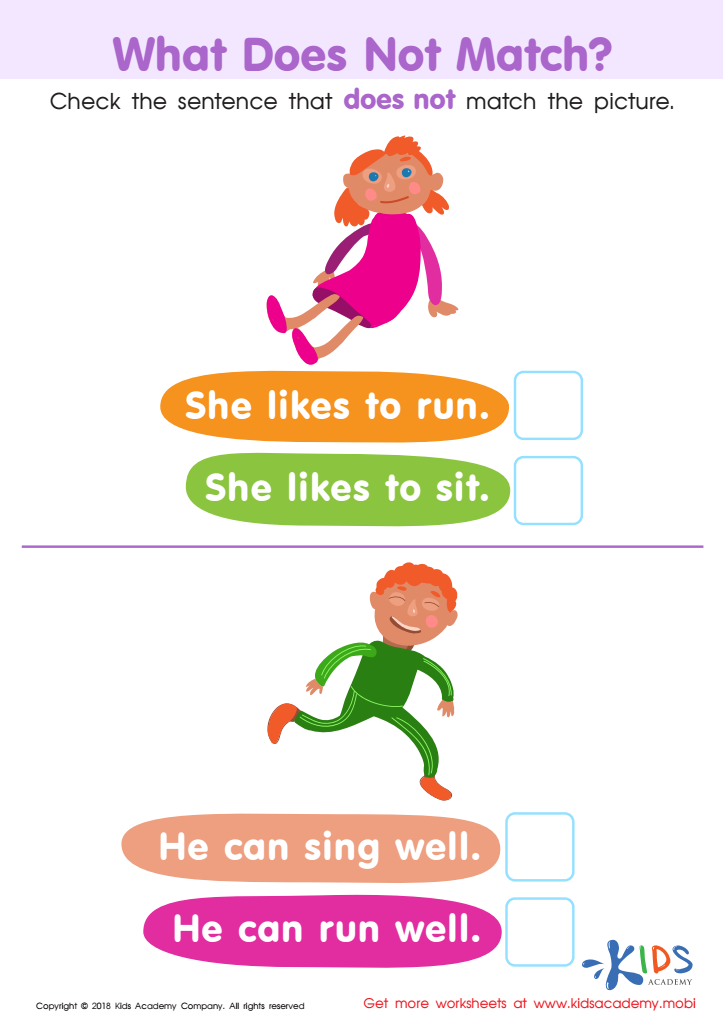
What Does Not Match? Worksheet


.jpg)





Parents and teachers should prioritize logical reasoning reading for children aged 3-6 as it plays a critical role in cognitive development. At this age, children's brains are highly receptive, and engaging them in logical reasoning activities fosters vital analytical skills. These foundational skills not only enhance reading comprehension but also promote problem-solving abilities, enabling children to understand relationships, sequences, and cause-and-effect scenarios.
Exposure to logical reasoning exercises helps children to think critically about the stories they read and the world around them. For instance, stories with predictable patterns or logical sequences encourage young listeners to anticipate outcomes, enhancing their predictive reasoning abilities. This engagement promotes active participation, refining their listening skills and vocabulary acquisition.
Moreover, early development of logical reasoning through story-telling or interactive reading sessions encourages curiosity and creativity. As a result, children become more confident communicators and effective collaborators by building social and emotional skills that will aid their learning journey.
By fostering a love for reading through logical reasoning exercises, parents and teachers equip young learners with the essential tools to succeed academically and develop a lifelong passion for learning. Prioritizing these intellectual foundations can lead to enriching educational experiences in the future.








