Practice subtraction Reading Worksheets for Ages 3-6
3 filtered results
-
From - To
Introduce your child to the world of numbers with our Practice Subtraction Reading Worksheets designed for ages 3-6. These engaging and educational printables blend the fundamentals of reading with the basics of subtraction, making learning fun and effective. Each worksheet is carefully crafted to develop critical thinking and enhance early math skills through interactive activities. Boost your child’s confidence and build a strong foundation in math with our visually appealing and easy-to-understand exercises. Perfect for parents and teachers alike, these worksheets are a valuable tool for preparing young learners for future academic success. Explore today!
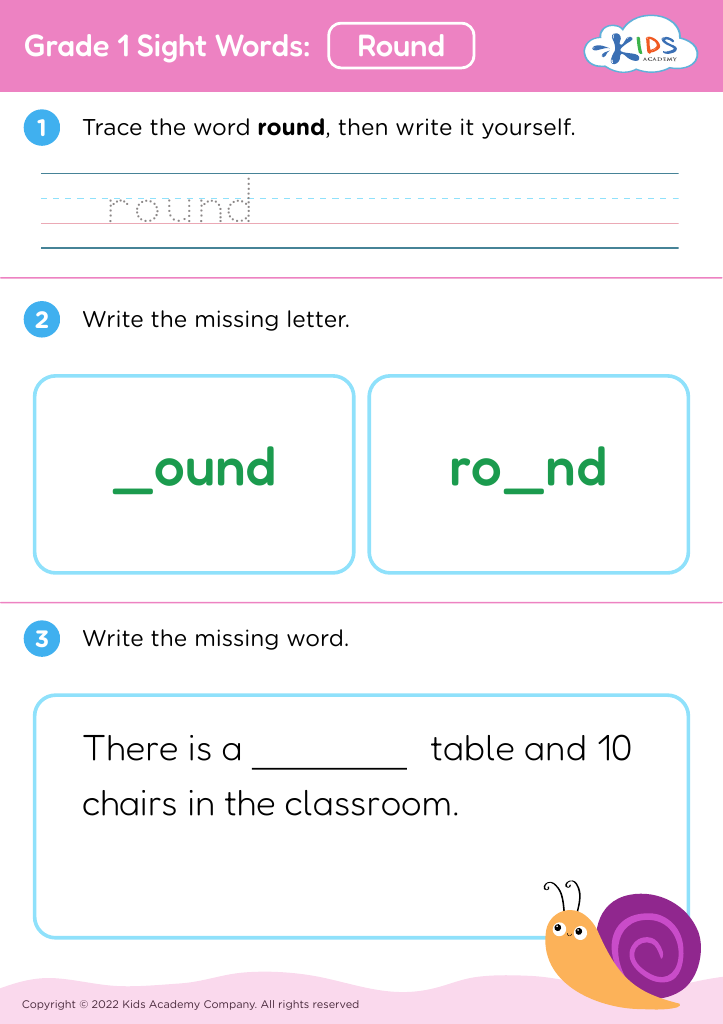
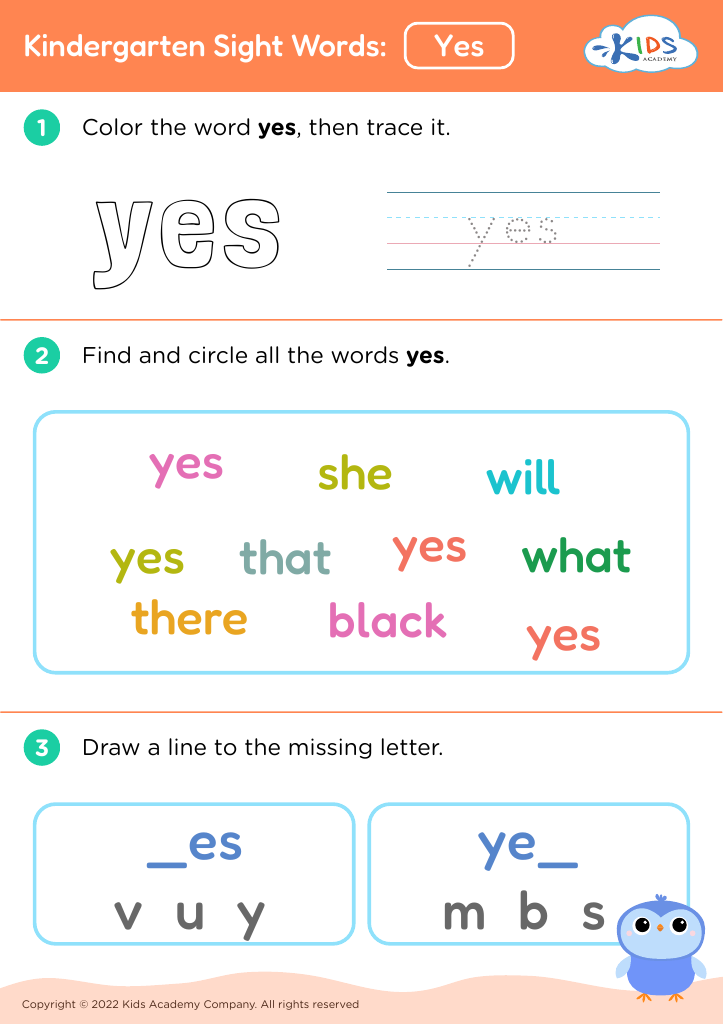
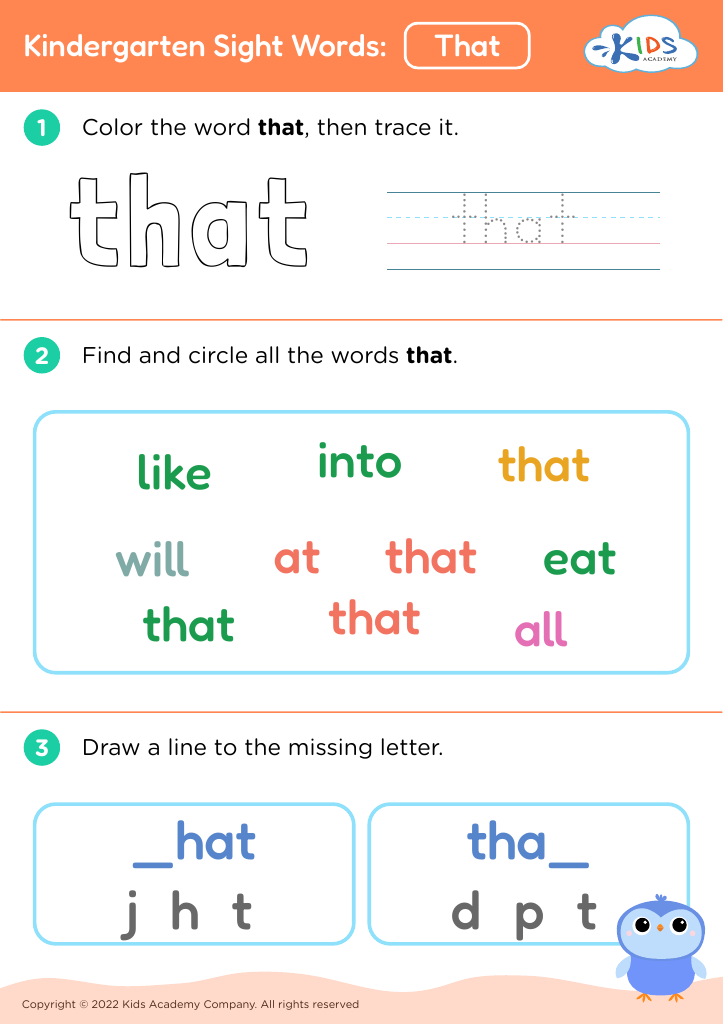








Engaging children ages 3-6 in practicing subtraction and reading is crucial for their early development, forming a foundation for future academic success. During these formative years, children's brains are highly receptive to learning new concepts, and integrating subtraction and reading into their daily routines can significantly foster cognitive development.
Practicing subtraction helps young children develop essential math skills such as number sense, problem-solving, and logical reasoning. These skills are fundamental as they progress through school and encounter more complex mathematical concepts. Early exposure to subtraction also helps children understand the relationship between numbers, making them more confident and competent in mathematics.
Simultaneously, reading plays a vital role in language development, improving vocabulary, comprehension, and communication skills. When children are read to or encouraged to read on their own, they develop a love for stories and learning, which translates into better academic performance and a lifelong passion for books.
Moreover, combining subtraction with reading can make learning more engaging and enjoyable. Storybooks that incorporate simple subtraction problems or educational games blending these skills can capture children’s interest, making learning feel like play. Ultimately, parents and teachers who prioritize these practices are investing in a child's overall development, setting the stage for future academic and personal success.








