Understanding fractions Reading Worksheets for Ages 3-6 - Page 2
35 filtered results
-
From - To
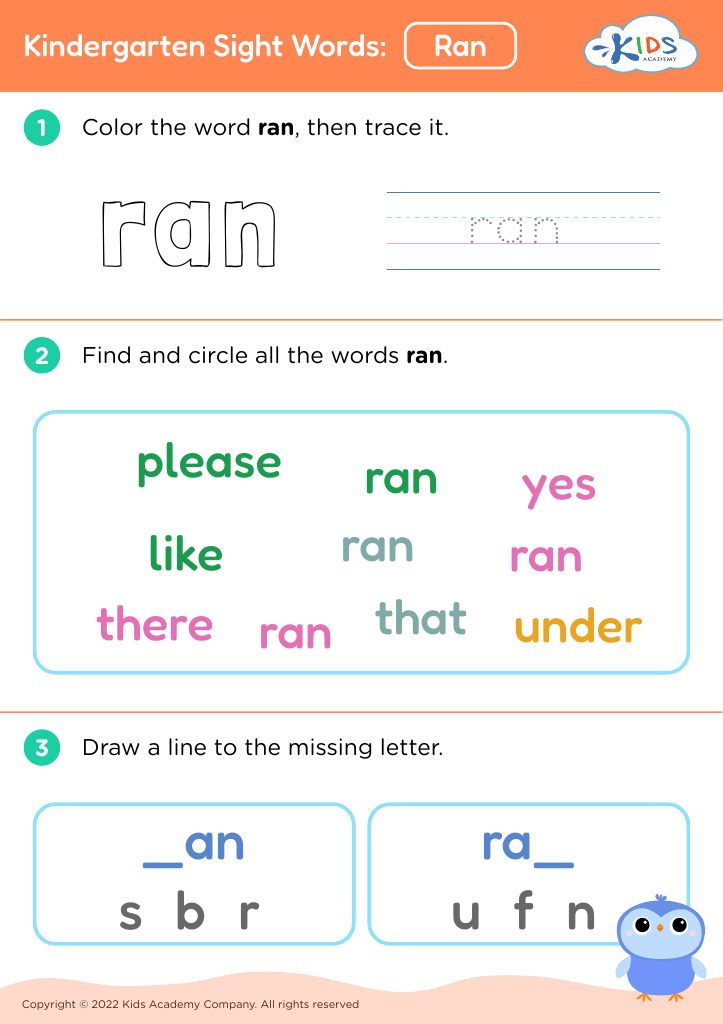
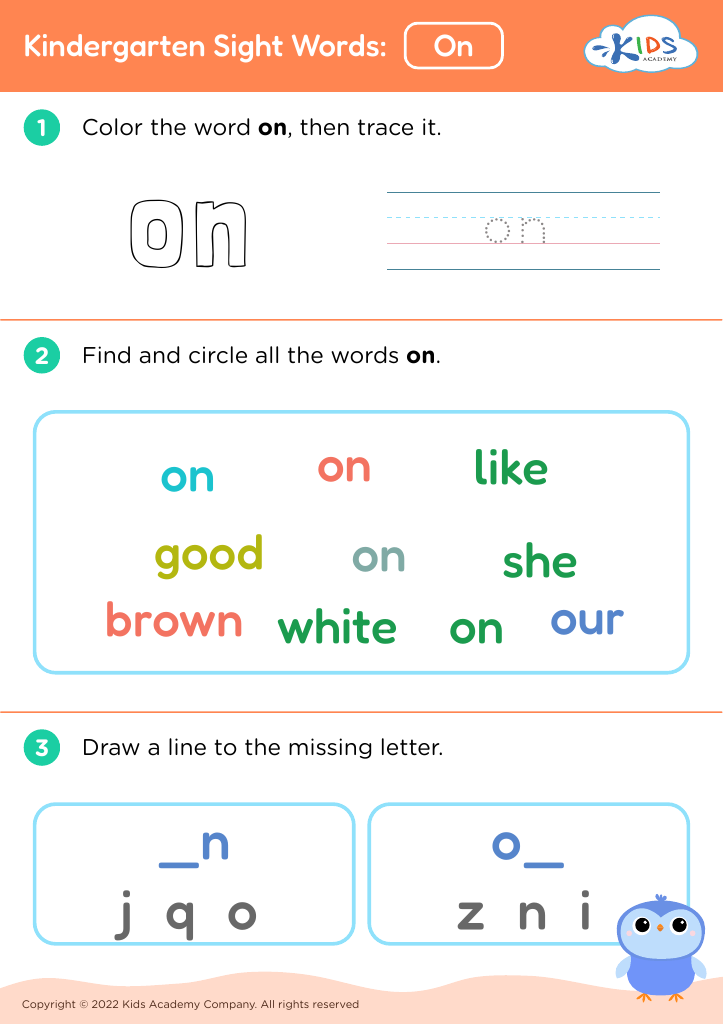
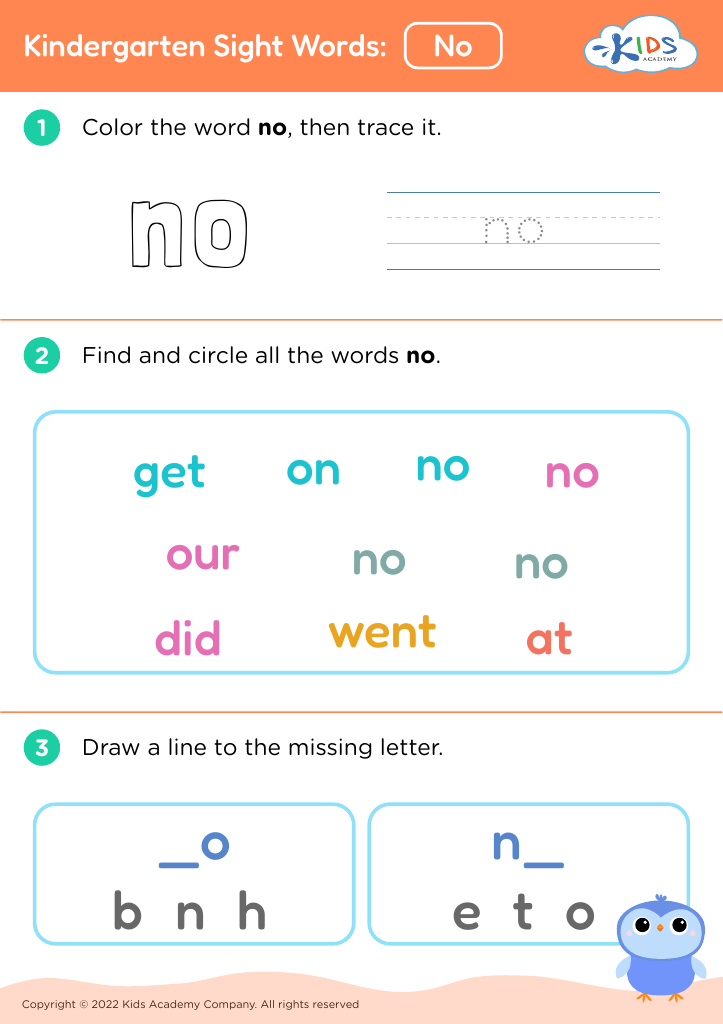
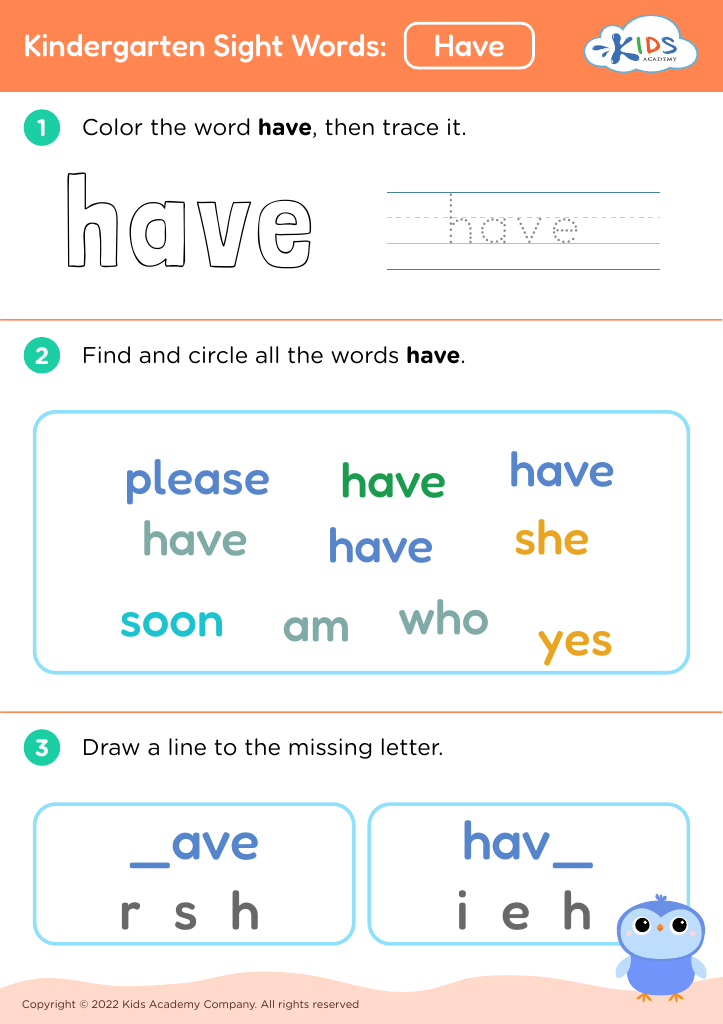
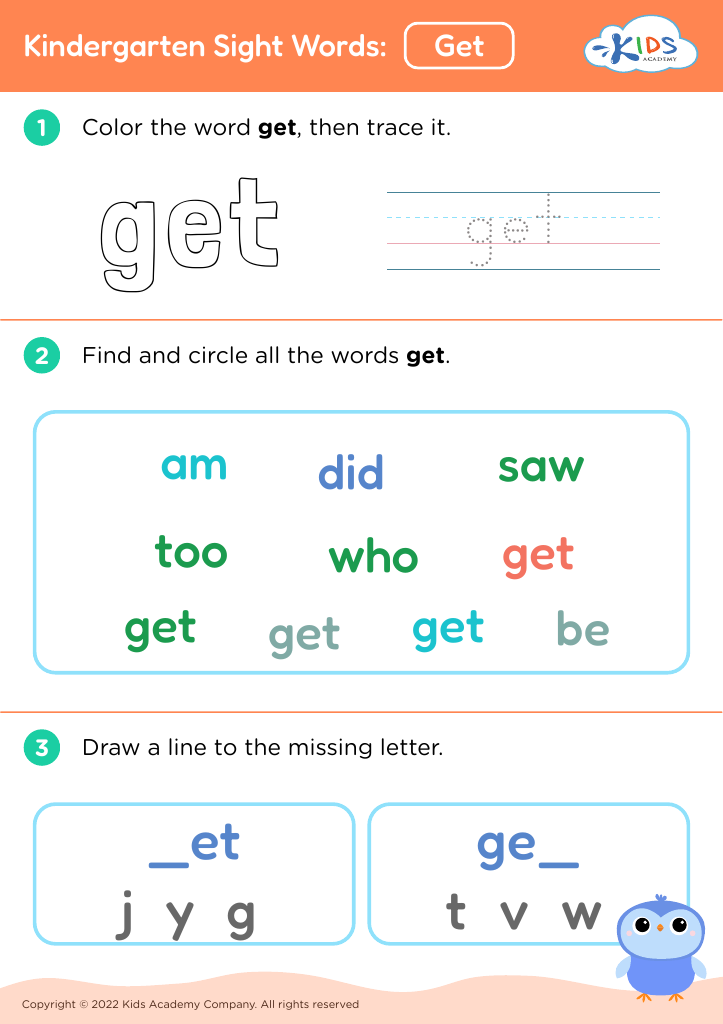
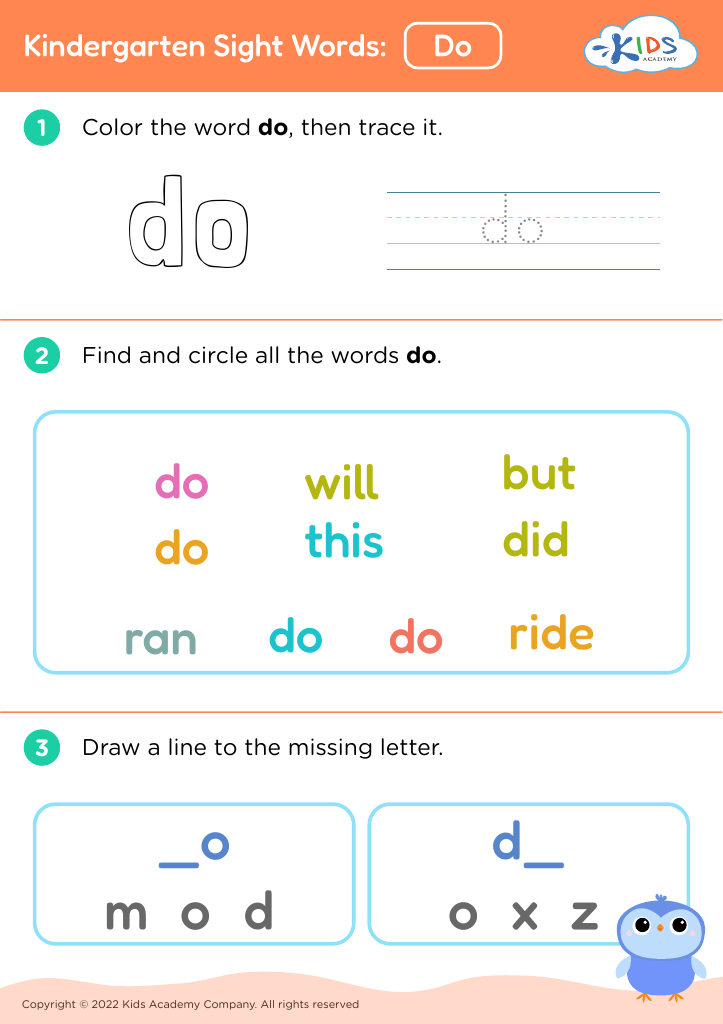
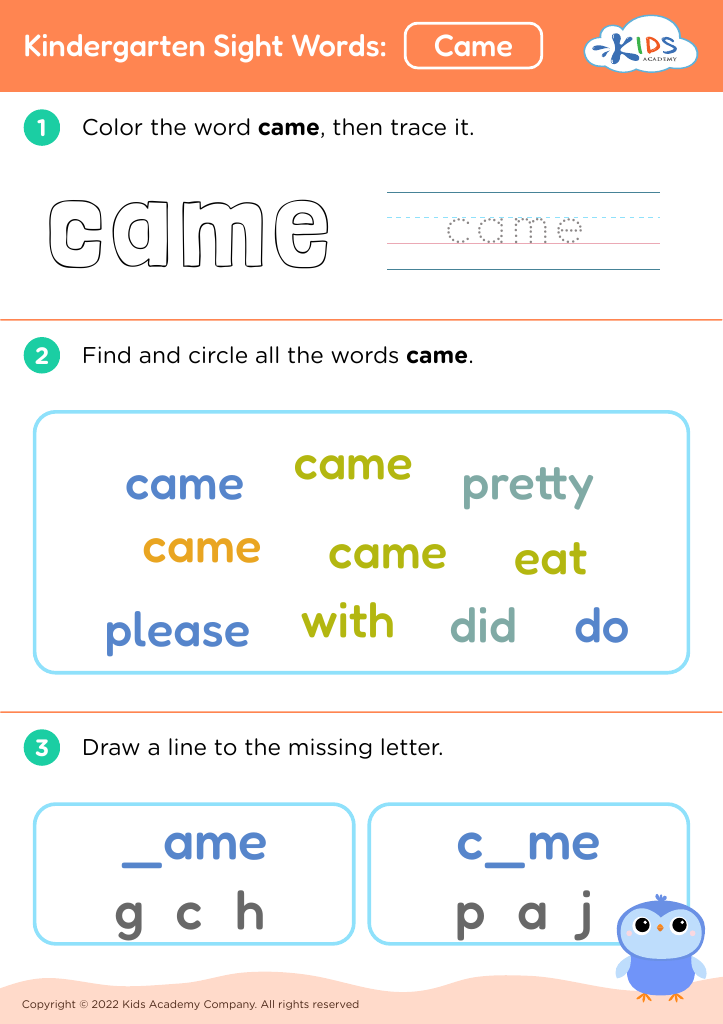
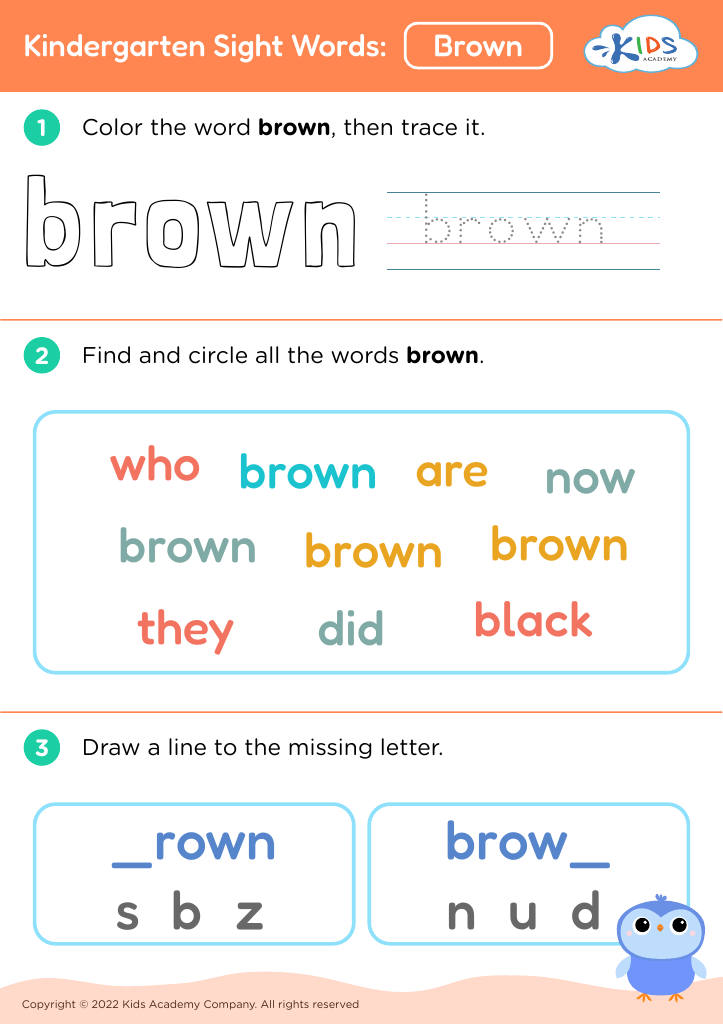






Understanding fractions is a foundational skill that goes beyond mere numbers; it lays the groundwork for critical thinking and problem-solving. For children aged 3-6, engaging with fractions helps nurture their cognitive development, as they learn to grasp concepts of whole versus part, sharing, and dividing resources. Teachers and parents who prioritize understanding fractions cultivate children’s mathematical intuition early on, making future learning experiences in math less intimidating.
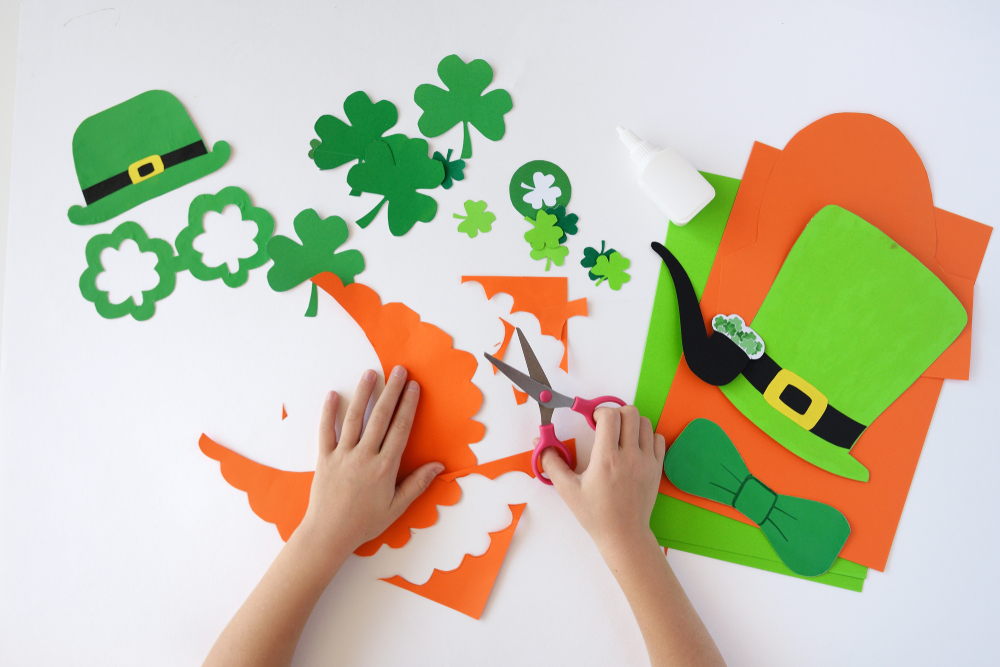
Incorporating fractions into play-based learning – such as during snack time, arts and crafts, or through games – makes the concept relatable and enjoyable. This playful exposure not only demystifies fractions but also encourages kids to express their reasoning, boosting their communication skills. Moreover, early exposure to fractions helps children understand everyday situations, like cooking or sharing, which reinforces their practical applications.
By fostering a solid understanding of fractions, parents and teachers empower children to develop persistence and confidence in problem-solving. Ultimately, nurturing early mathematical skills, such as fractions, prepares children for more complex mathematical concepts later in life, contributing to their overall academic success and mathematics fluency. Engaging children with fractions nurtures a lifelong love of learning and prepares them for a range of future opportunities.








