Improve reading comprehension Reading Comprehension Worksheets for Ages 3-6
4 filtered results
-
From - To
Boost your child's reading skills with our "Improve Reading Comprehension Worksheets for Ages 3-6." Designed for young learners, these engaging worksheets help kids develop critical comprehension abilities. Through fun activities, children distinguish main ideas, recall details, and make inferences from simple texts. By incorporating visuals and interactive questions, our resources captivate early readers and strengthen their understanding. Perfect for parents and teachers, these worksheets support foundational literacy, setting the stage for lifelong learning. Visit our website to access a variety of printable worksheets tailored to fostering reading success for children aged 3-6.
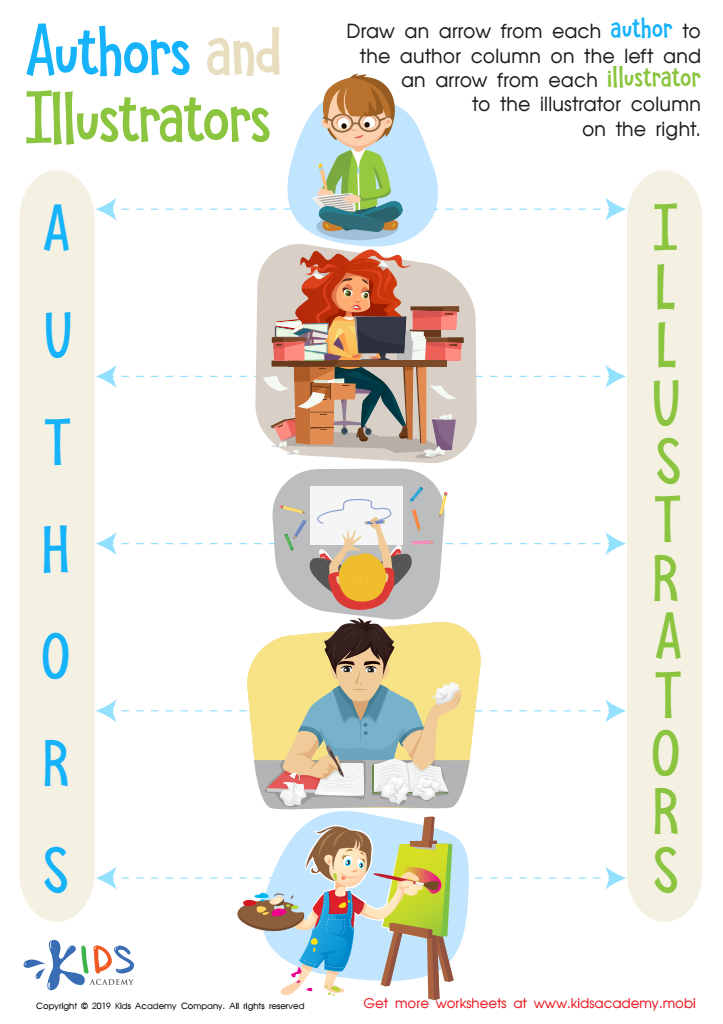
Authors and Illustrators Worksheet
 Assign to My Students
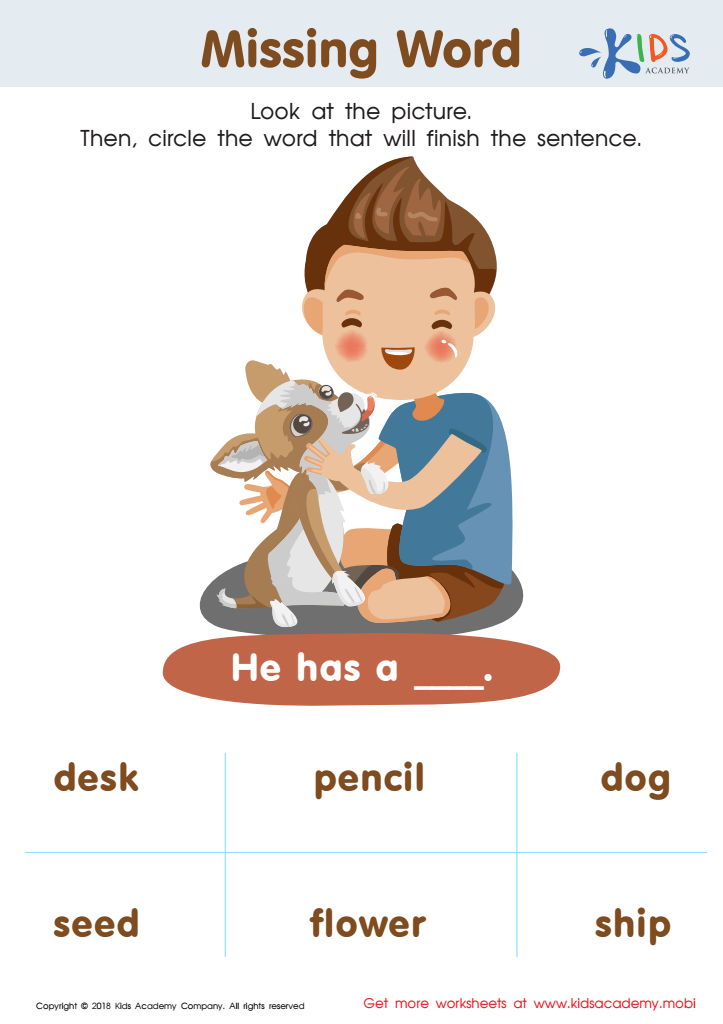
Missing Word Worksheet
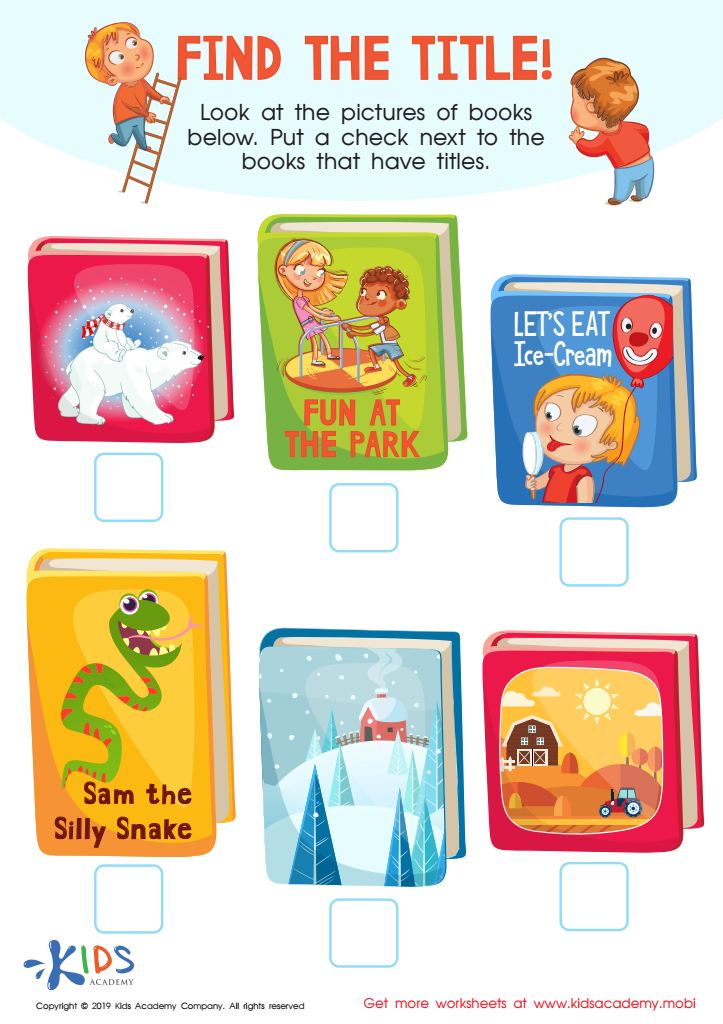
Find the Title Worksheet
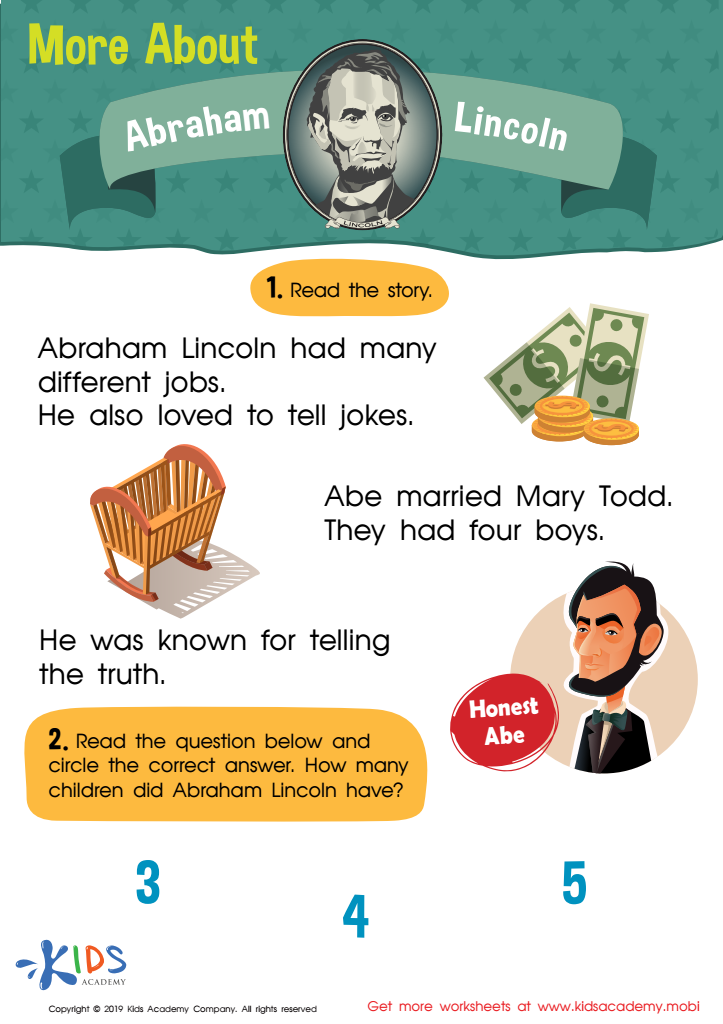
More About Abraham Lincoln Worksheet








Parents and teachers play a crucial role in laying the foundation for strong reading comprehension skills in children aged 3-6, a critical period for cognitive development. During these formative years, children are rapidly expanding their vocabularies, learning to recognize letters and sounds, and beginning to understand basic narrative structures. Improving reading comprehension at this age sets the stage for academic success and a lifelong love of reading.
Enhanced reading comprehension fosters critical thinking and problem-solving skills. When children comprehend what they read, they can better interpret information, make predictions, and understand cause-and-effect relationships. These cognitive skills are essential not just for academic subjects beyond reading, like math and science, but for everyday decision-making and understanding the world around them.
Additionally, good reading comprehension improves language and communication skills. Kids learn to express their thoughts clearly and expand their speaking and writing abilities. This not only benefits academic performance but also enriches social interactions, enhancing emotional and social development.
Finally, fostering a strong reading comprehension early on increases a child’s confidence and motivation. When kids understand what they read, they find learning enjoyable and feel empowered to tackle more challenging texts. Building this foundation early helps ensure children don't fall behind, reducing the risk of future academic struggles.








