Information retention Reading Non-Fiction Worksheets for Ages 3-6
3 filtered results
-
From - To
Enhance your child's learning experience with our "Information Retention Reading Non-Fiction Worksheets" designed specifically for ages 3-6. These engaging worksheets help young learners develop essential information retention skills through captivating non-fiction texts. Children will explore fascinating topics while practicing key comprehension strategies, ensuring they can recall and understand what they've read. Perfect for parents and educators, our resources foster a love for reading and lifelong learning. Each worksheet is carefully crafted to align with early literacy standards, making them an excellent addition to any curriculum. Encourage curiosity and boost retention skills in your little ones today!
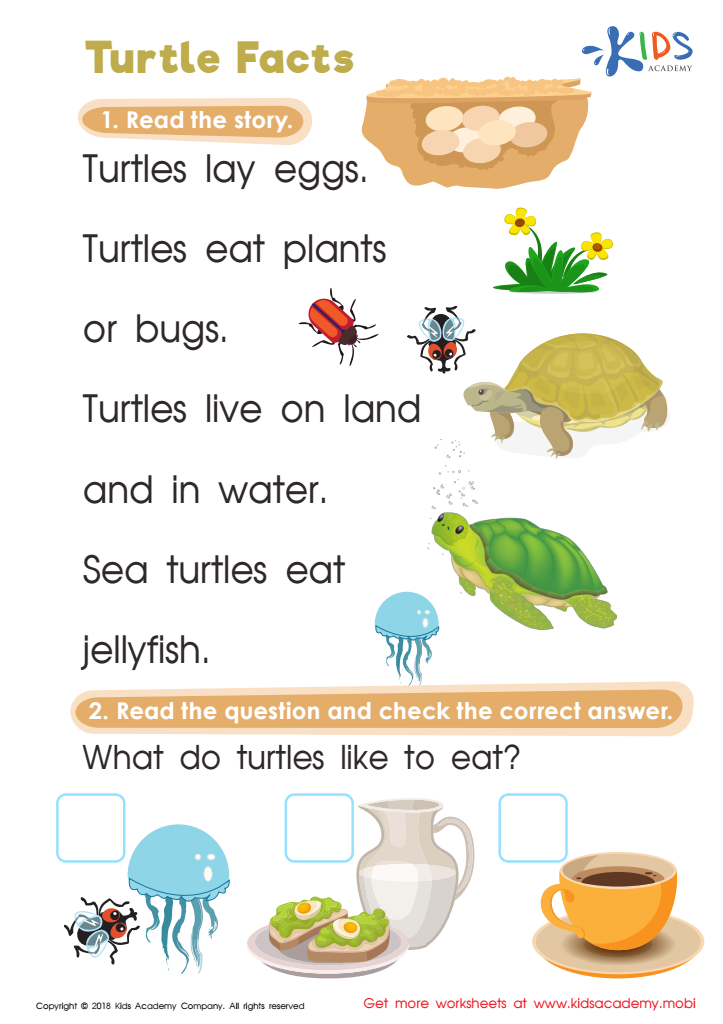
Turtle Facts Worksheet
 Assign to My Students
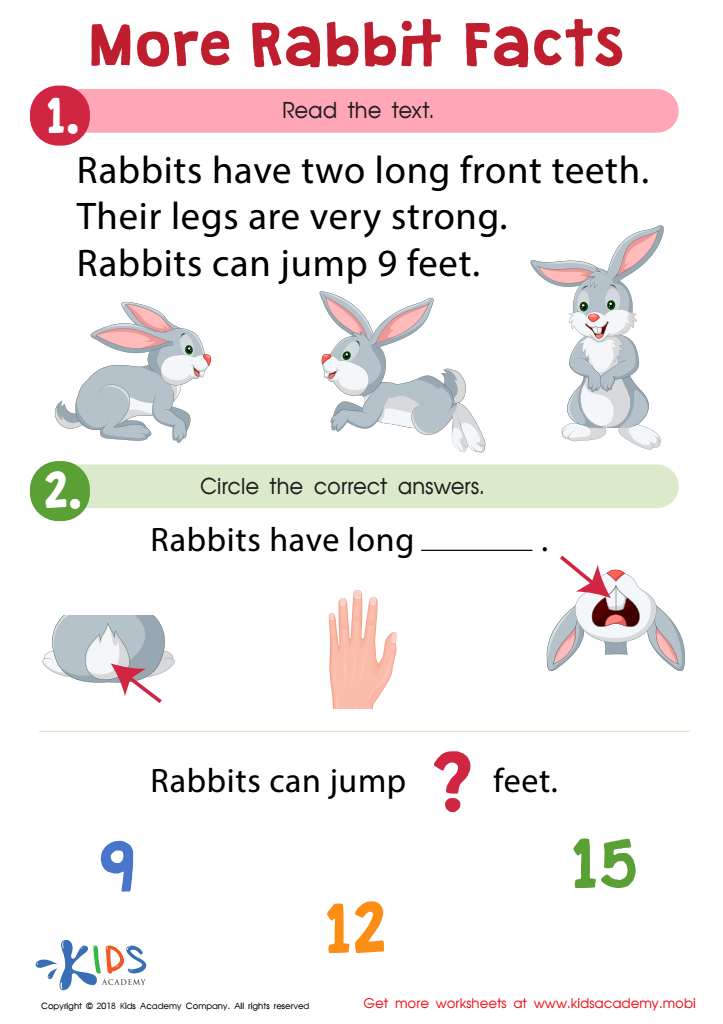
More Rabbit Facts Worksheet
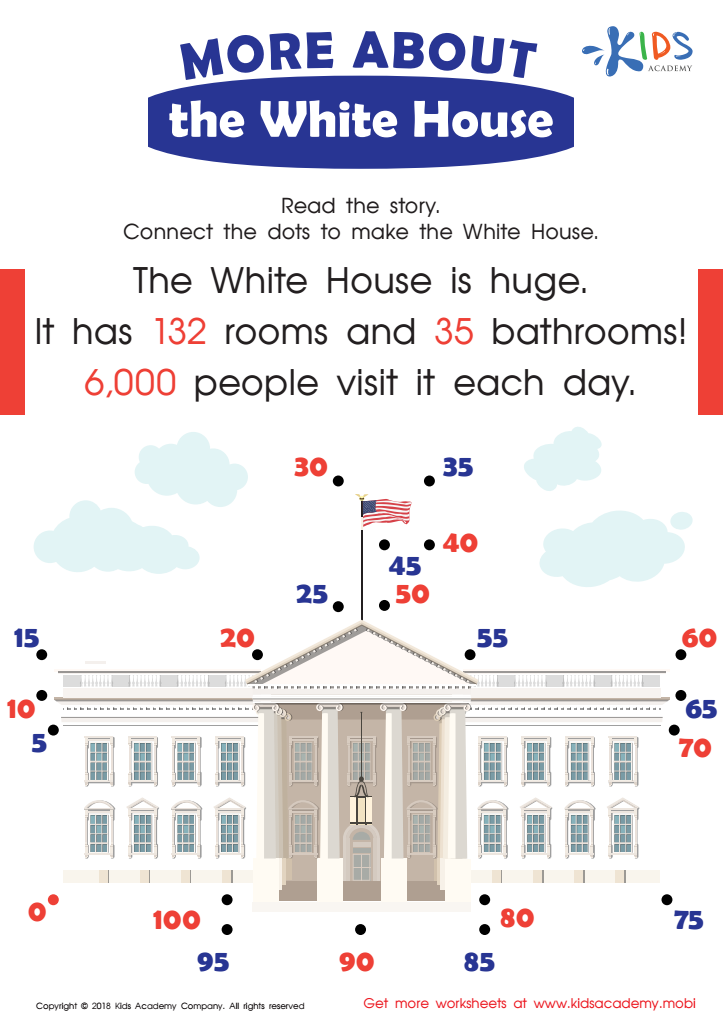
More About the White House Worksheet







Parents and teachers should prioritize information retention while reading non-fiction to children aged 3-6 for several compelling reasons. At this developmental stage, children are naturally curious and eager to absorb knowledge about the world around them. Engaging them with non-fiction allows them to explore diverse topics, from animals and space to cultures and environments.
Promoting information retention helps solidify and generalize this knowledge, empowering children to connect new ideas. It enhances critical thinking skills, as young learners begin to discern facts and make distinctions between information. Furthermore, non-fiction reading builds vocabulary, as exposure to specialized terms offers context and reinforces understanding, especially when accompanied by visuals.
Additionally, having early experiences with factual texts encourages the habit of reading, fostering a lifelong love of books and learning. It illustrates the relevance of reading beyond fictional stories, instilling a broader understanding of literacy's role in everyday life.
Lastly, these interactions support social-emotional development, as children learn to empathize and think about the experiences of others. In summary, focusing on information retention during non-fiction reading is essential for fostering well-rounded, knowledgeable, and socially aware young learners.








