Developing analytical skills Science Worksheets for Ages 3-6
3 filtered results
-
From - To
Discover the perfect resource for nurturing young minds with our "Developing Analytical Skills Science Worksheets for Ages 3-6." Tailored for preschool and early grade learners, these engaging worksheets foster critical thinking and interpretation through hands-on activities. Explore topics like observation, classification, and pattern recognition while igniting curiosity about the world. Each worksheet is designed to promote problem-solving abilities, encouraging children to ask questions and make connections. With captivating visuals and age-appropriate challenges, these resources not only align with early learning standards but also make learning fun! Equip your child with essential analytical skills that lay the foundation for future scientific exploration.
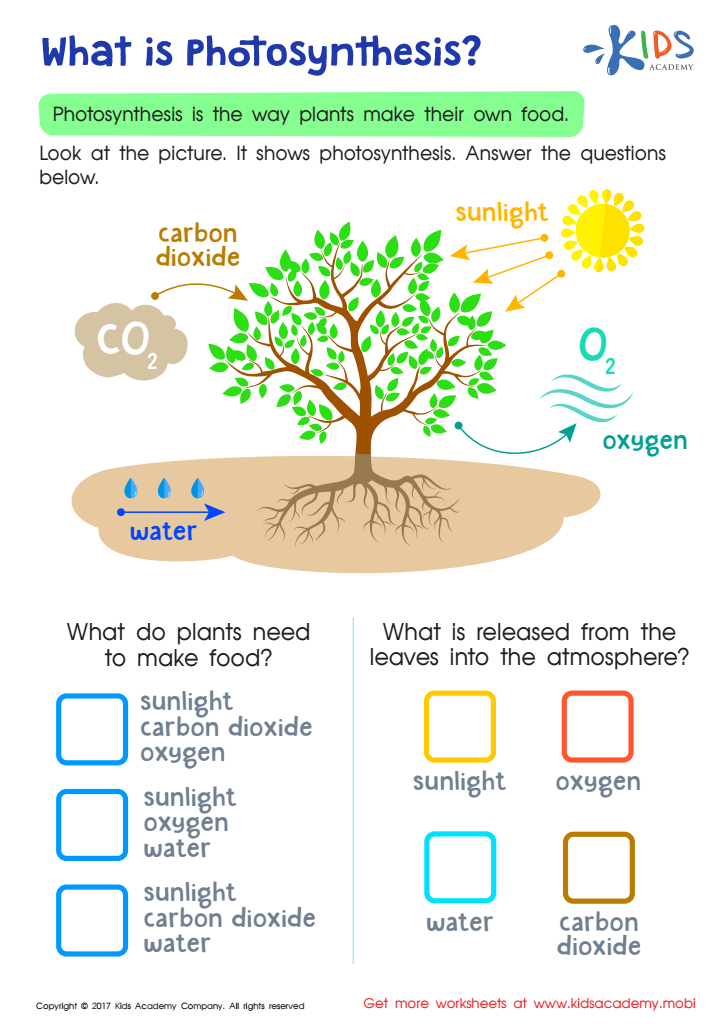
What is Photosynthesis Printable
 Assign to My Students
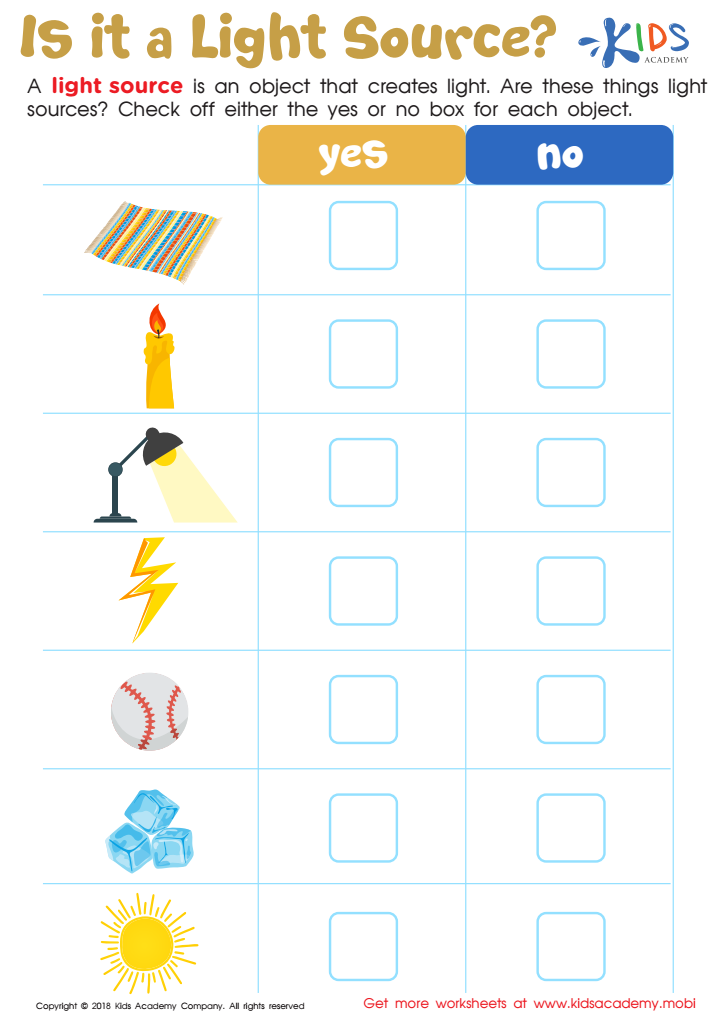
Is It a Light Source? Worksheet

How Light Travels Worksheet


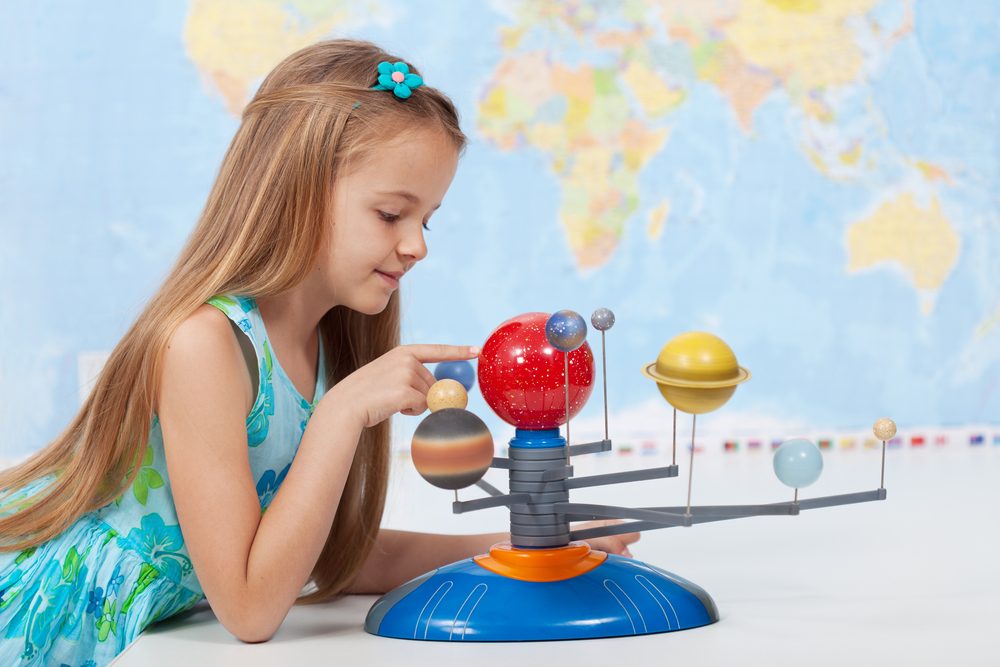





Developing analytical skills in young children, particularly in the realm of science, is crucial for a myriad of reasons. Firstly, analytical skills lay the groundwork for critical thinking, helping children learn how to observe, ask questions, and understand the world around them. For ages 3-6, this is a formative time when curiosity is heightened. Engaging children in simple scientific explorations fosters observation skills and encourages them to investigate and draw conclusions based on evidence.
Furthermore, cultivated analytical abilities enhance problem-solving capabilities. Children learn to identify problems, hypothesize solutions, and test their ideas—a skill set that will be invaluable throughout their lives, in both academic and everyday situations. Early exposure to scientific concepts prepares children for future studies in STEM fields, which are increasingly emphasized in educational curriculums.
Lastly, encouraging these skills promotes a love of learning. When parents and teachers prioritize scientific inquiry, they help children become more engaged, enthusiastic learners who are not afraid to experiment and explore. By nurturing analytical skills at a young age, we are investing in future innovators and critical thinkers capable of addressing the complex challenges of tomorrow. Hence, fostering analytical science skills is both a foundational and strategic educational approach.







