Logical Reasoning Community Worksheets for Ages 3-6
4 filtered results
-
From - To
Nurture your child's analytical thinking with our "Logical Reasoning Community Worksheets for Ages 3-6." Tailored to spark curiosity and enhance problem-solving skills, these engaging worksheets use colorful and relatable community-themed activities. Kids learn to recognize patterns, sequences, and relationships critical for cognitive development. Perfect for early learners, these resources foster critical thinking and a love for learning through fun, interactive experiences. Empower your little ones to make connections and understand their surroundings profoundly, building a strong foundation for future academic success. Discover these educational tools designed to transform learning into a playful community adventure.
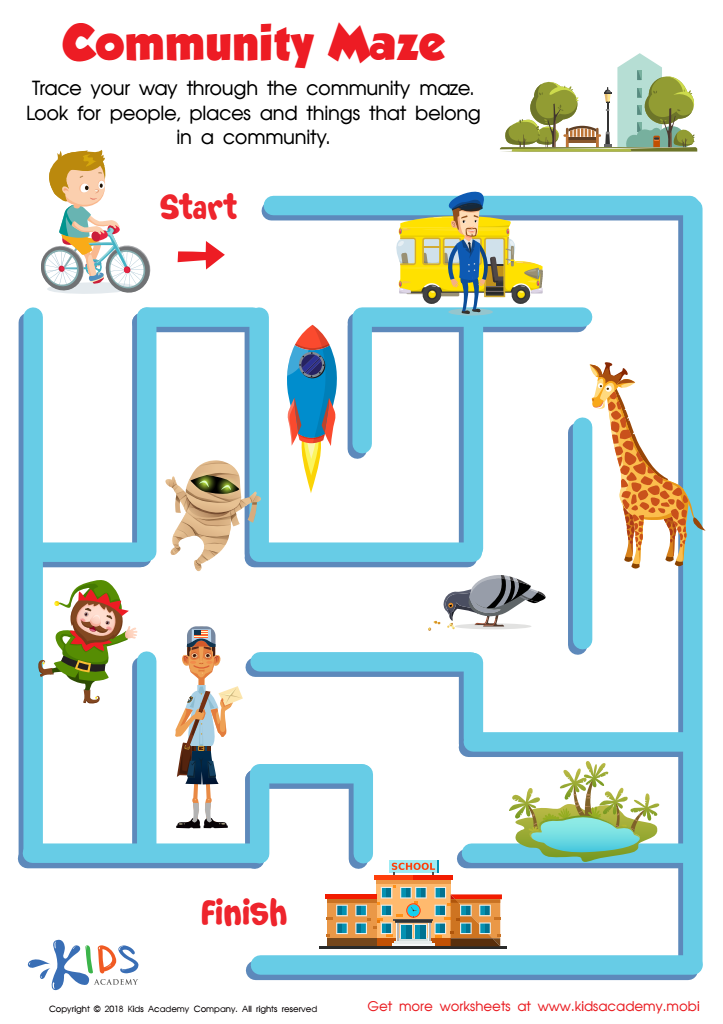
Community Maze Worksheet
 Assign to My Students
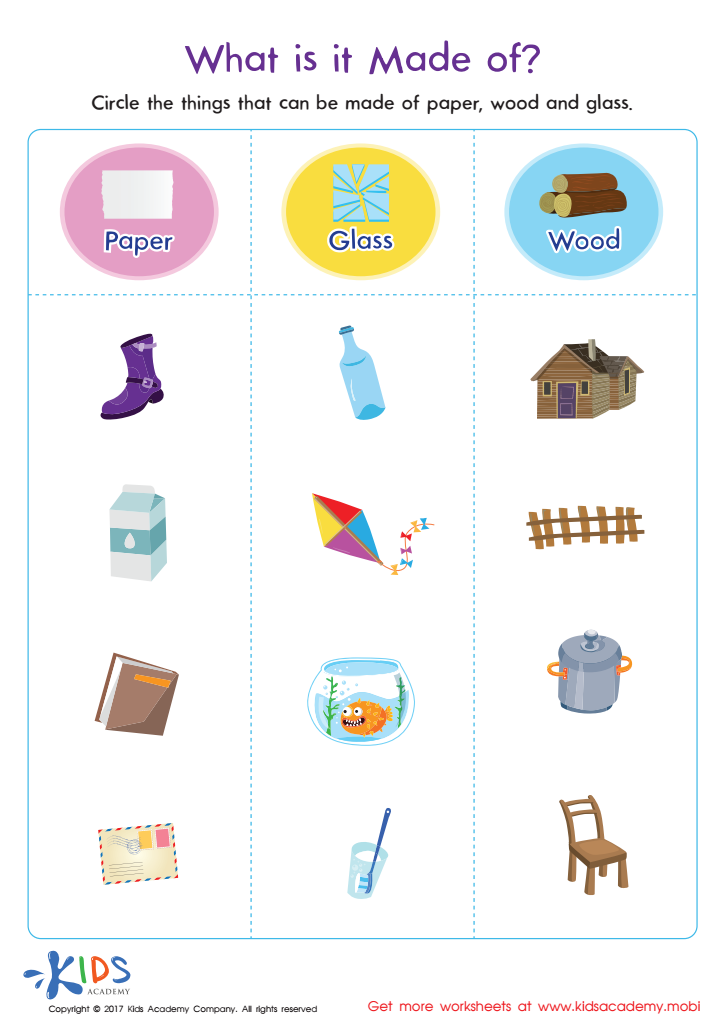
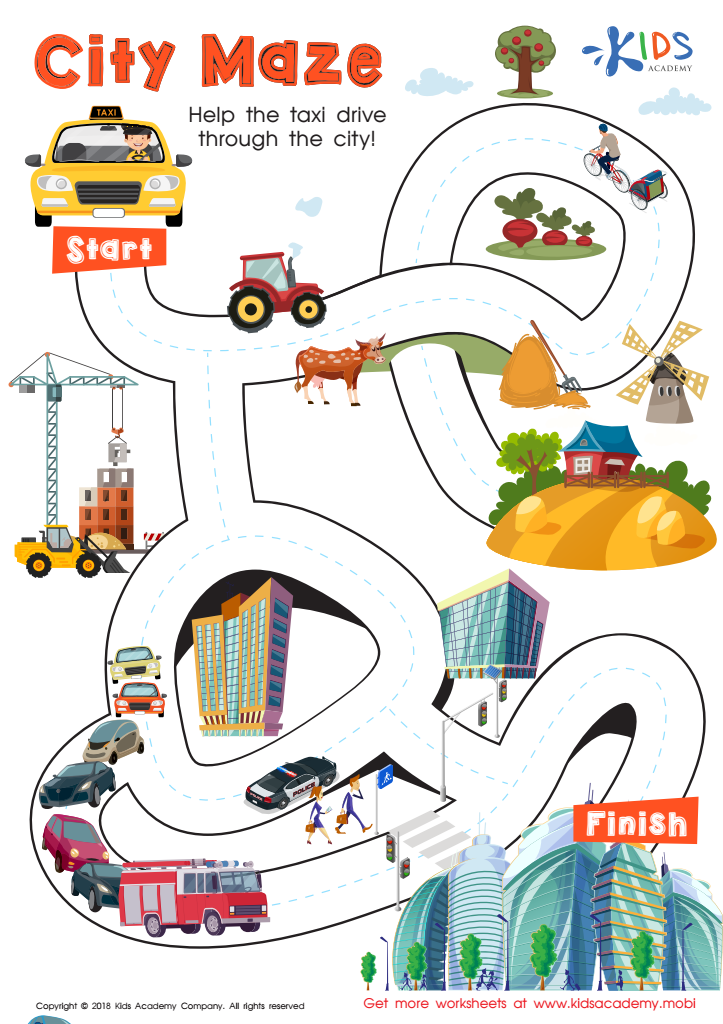
City Maze Worksheet
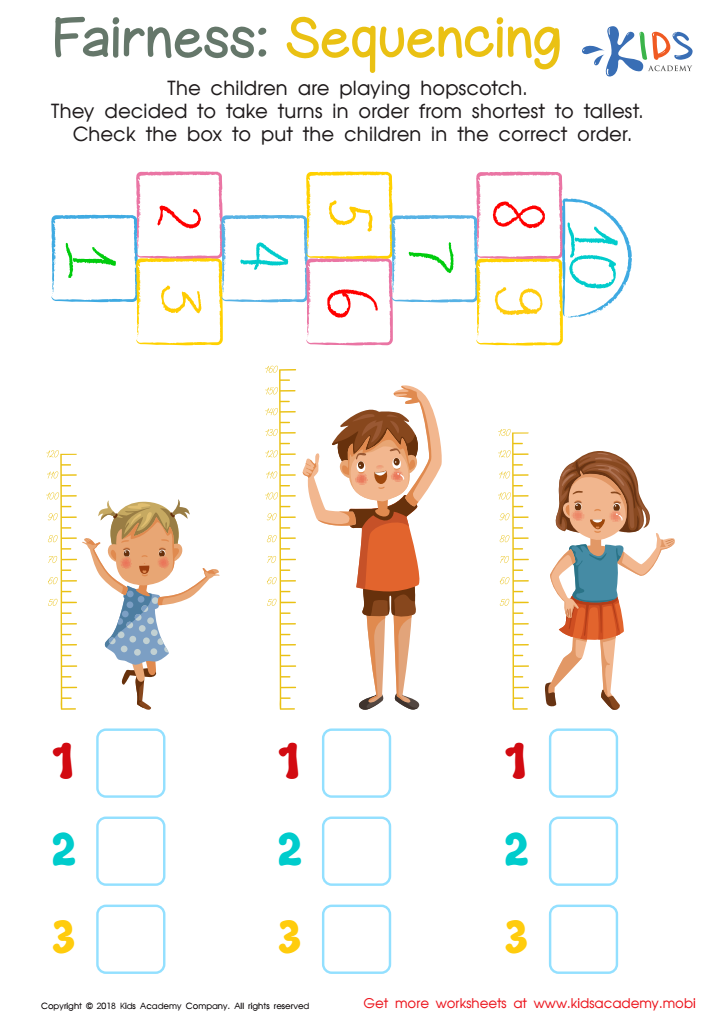
Fairness: Sequencing Worksheet








Logical reasoning is the foundation upon which many critical thinking skills are built, and introducing it to children ages 3-6 can significantly shape their cognitive development. When parents and teachers engage young children in a community focused on logical reasoning, they are providing them with tools that will aid in problem-solving, decision-making, and understanding relationships between ideas.
In this critical early stage, children's brains are highly plastic, meaning that they are incredibly receptive to new information and patterns. Logical reasoning activities, such as sequencing games, pattern recognition, and simple problem-solving tasks, help children improve their ability to think clearly and systematically. This mental framework not only supports academic growth in math and science but also enhances their literacy and social interaction skills by teaching them to follow logical sequences and understand cause-and-effect relationships.
Active participation in a logical reasoning community can also foster collaborative learning and social development. Children learn from each other’s thinking processes, ask questions, and articulate their own reasoning. Such a foundation encourages lifelong learning habits and competencies.
Investing in logical reasoning from a young age creates a strong groundwork for future learning, equipping children with essential skills to navigate complex life situations crowded with information, ideas, and challenges. Therefore, parents and teachers should prioritize these formative experiences to unleash the vast potential of young minds.








