Map reading skills Geography Worksheets for Ages 3-6
5 filtered results
-
From - To
Enhance your child's understanding of geography with our engaging Map Reading Skills Geography Worksheets designed for ages 3-6! These interactive worksheets introduce young learners to essential map concepts, including symbols, cardinal directions, and basic navigation. With colorful illustrations and age-appropriate activities, children will develop their spatial awareness and critical thinking skills. Explore the world around them as they learn to read different types of maps and apply these skills in fun exercises. Perfect for home or classroom use, our worksheets ignite curiosity about geography while making learning enjoyable. Download now and help your little explorers embark on an exciting journey!
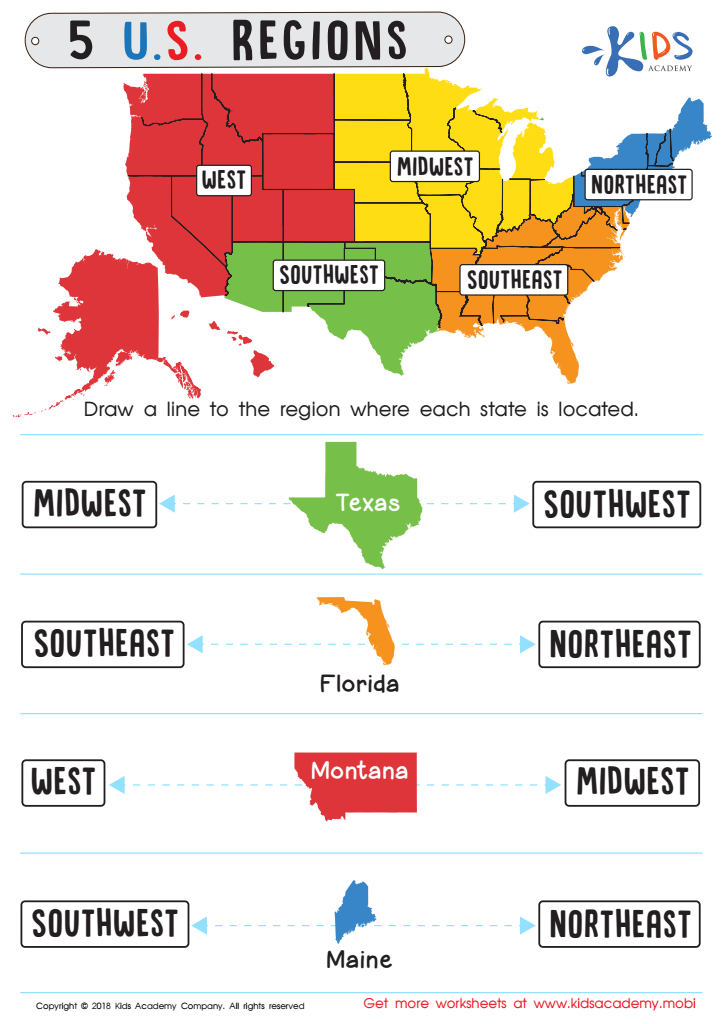
5 U.S. Regions Worksheet
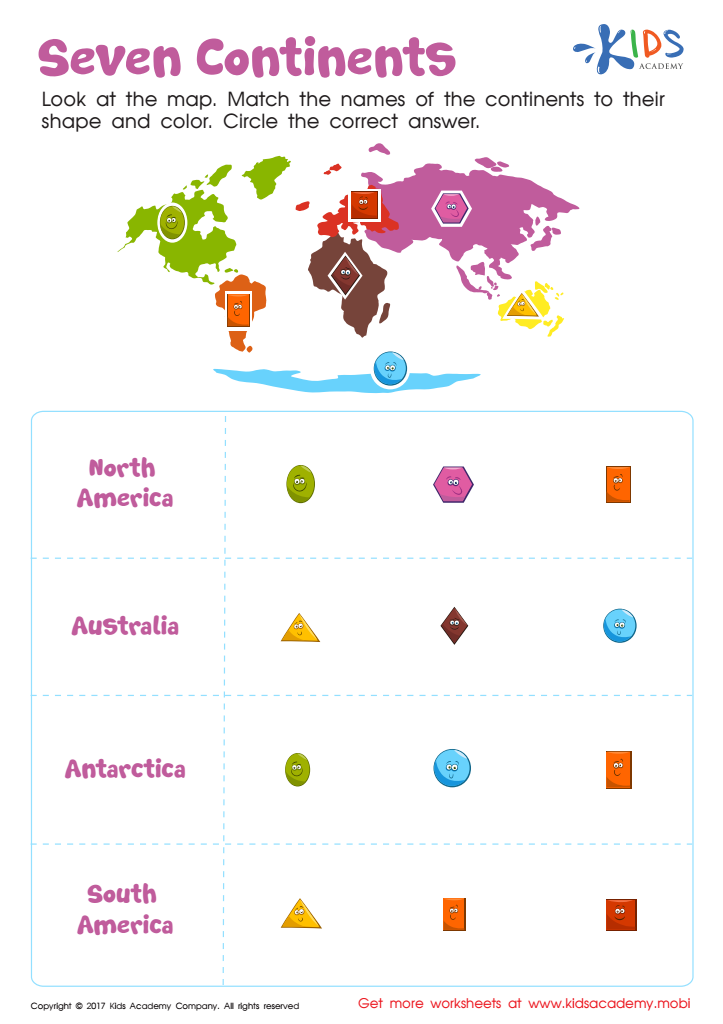
Seven Continents Worksheet
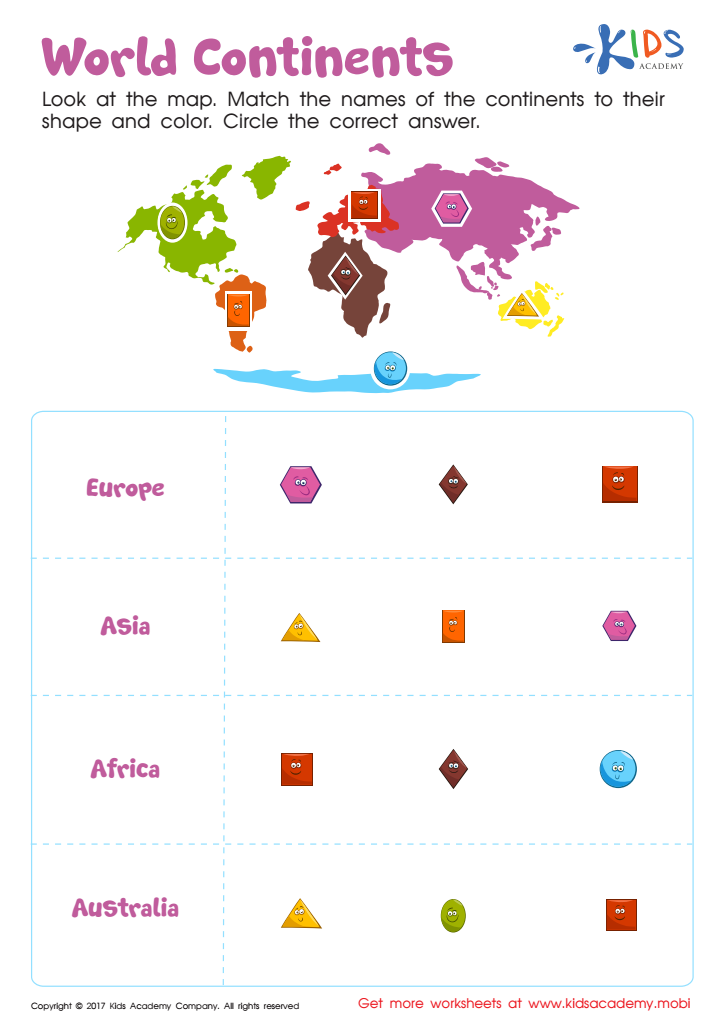
World Continents Worksheet
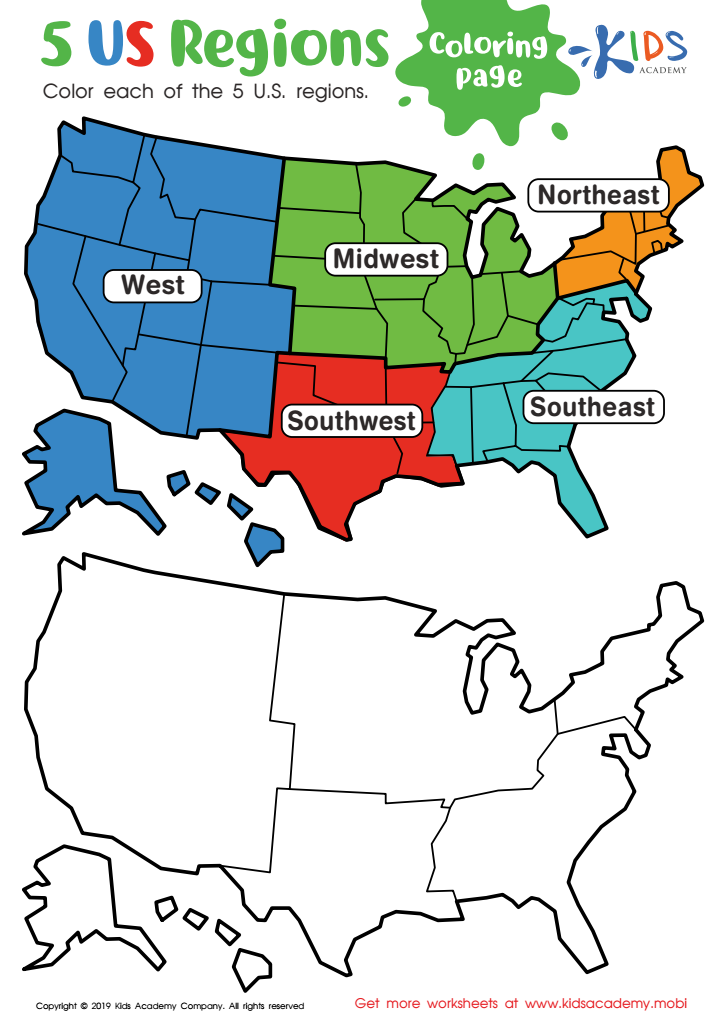
US Regions Coloring Page Worksheet
 Assign to My Students
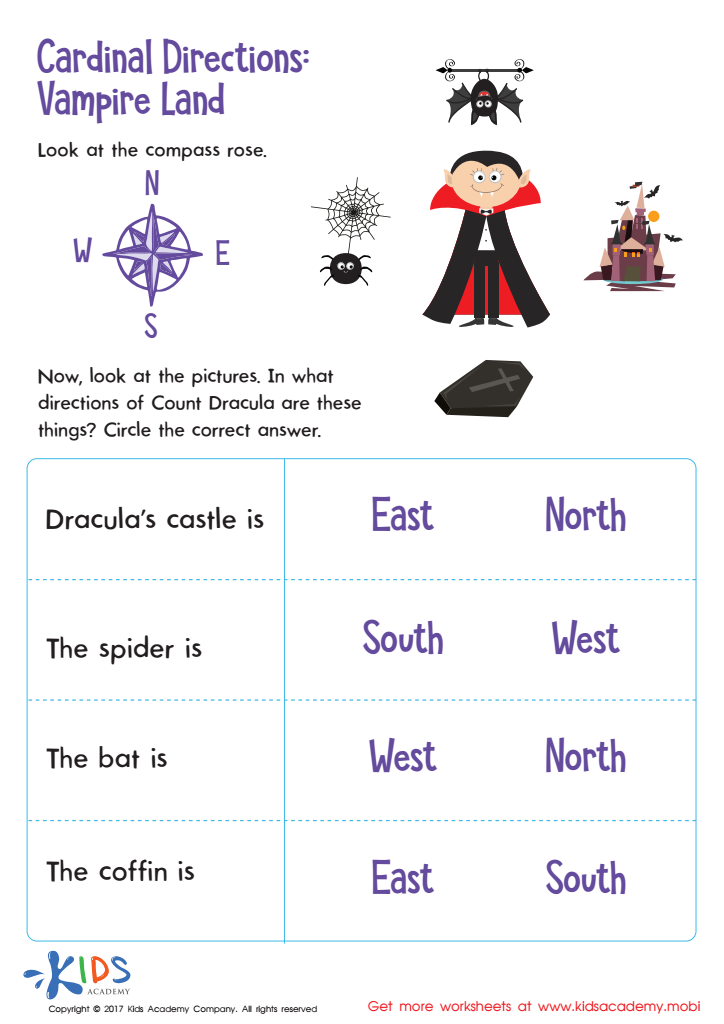
Cardinal Directions Printable





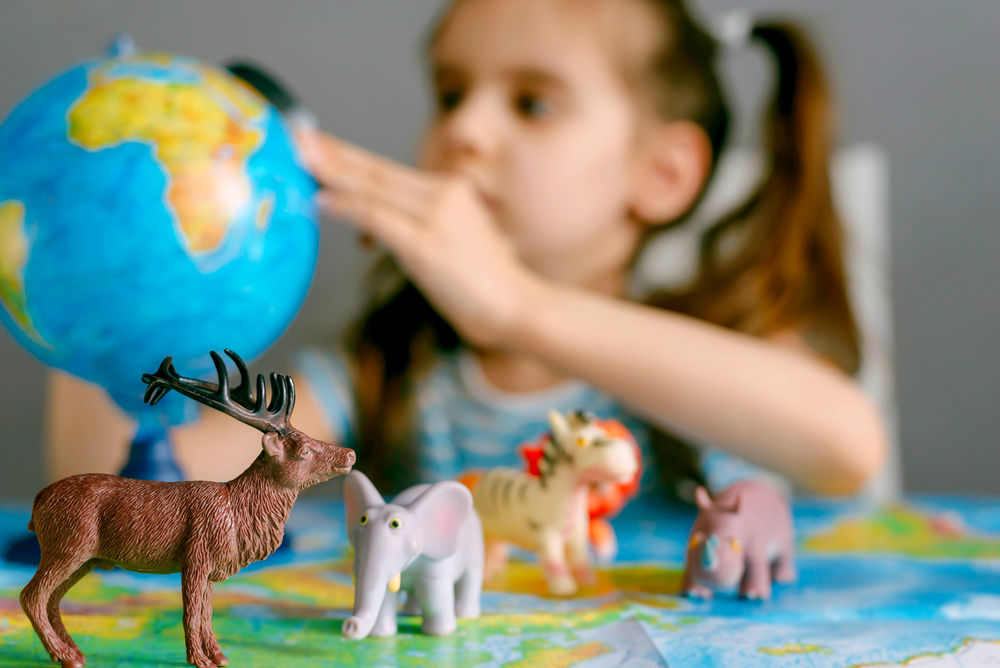

Map reading skills are a fundamental aspect of geography that should be nurtured in children aged 3-6 for several reasons. First, these skills foster spatial awareness, helping young learners understand their environment and navigate through various settings. It enhances their cognitive development, encouraging problem-solving and critical thinking as they interpret symbols and layouts.
Additionally, map reading introduces children to crucial concepts such as direction, distance, and location. Understanding maps lays the groundwork for geographical literacy, which is vital as children grow. This knowledge can influence their perspective, helping them understand global issues, cultures, and their own place in the world.
Moreover, incorporating map activities can make learning enjoyable. Interactive map reading games and activities can facilitate bonding between parents and children or foster a collaborative spirit in a classroom. This playful approach can spark an early interest in both geography and exploration, nurturing curiosity and a desire for discovery
Ultimately, instilling map reading skills in young children empowers them with tools for environmental understanding and navigation, contributing significantly to their overall development and future educational success. Parents and teachers, therefore, should prioritize this foundational learning experience.








