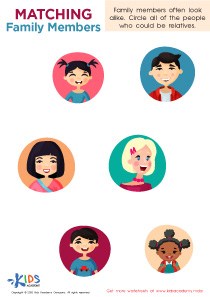
Critical Thinking History Worksheets for Ages 3-6
7 filtered results
-
From - To
Introduce your young learner to the fascinating world of history while nurturing essential cognitive skills with our Critical Thinking History Worksheets for Ages 3-6. Designed to engage curious minds, these printable worksheets combine age-appropriate content with fun activities that promote analysis, problem-solving, and logical reasoning. Whether exploring famous historical figures or pivotal events, each worksheet aims to inspire inquisitiveness and deepen understanding. Perfect for parents and educators, our resources foster a love for history and critical thinking from an early age, offering a solid foundation for future academic success. Explore new adventures in learning today with Kids Academy!
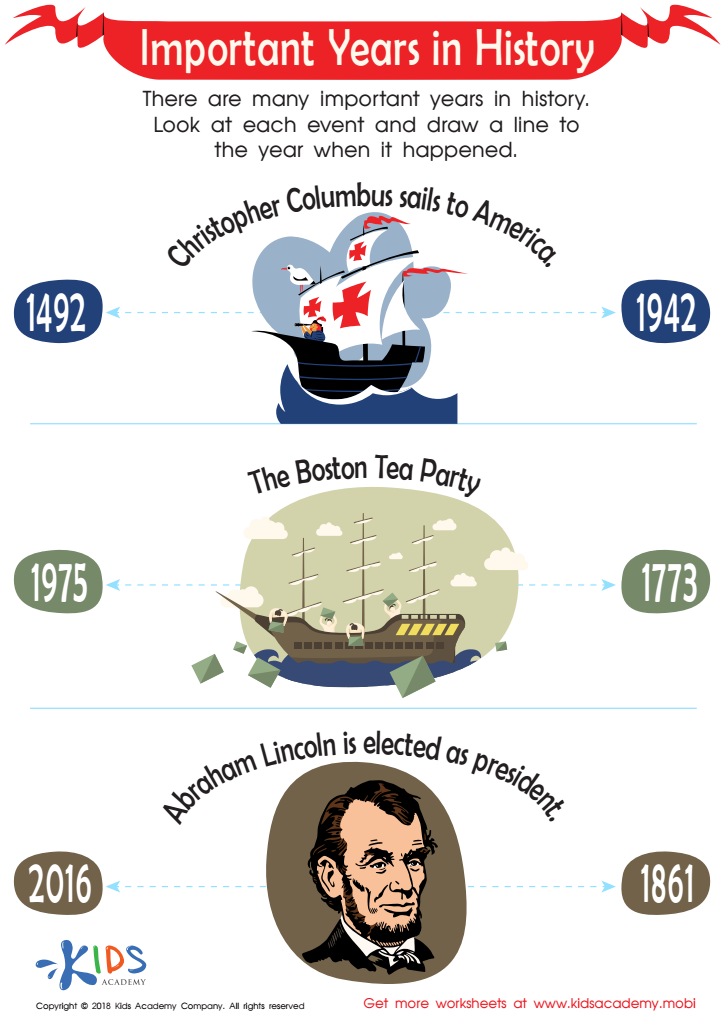
Important Years in History Worksheet
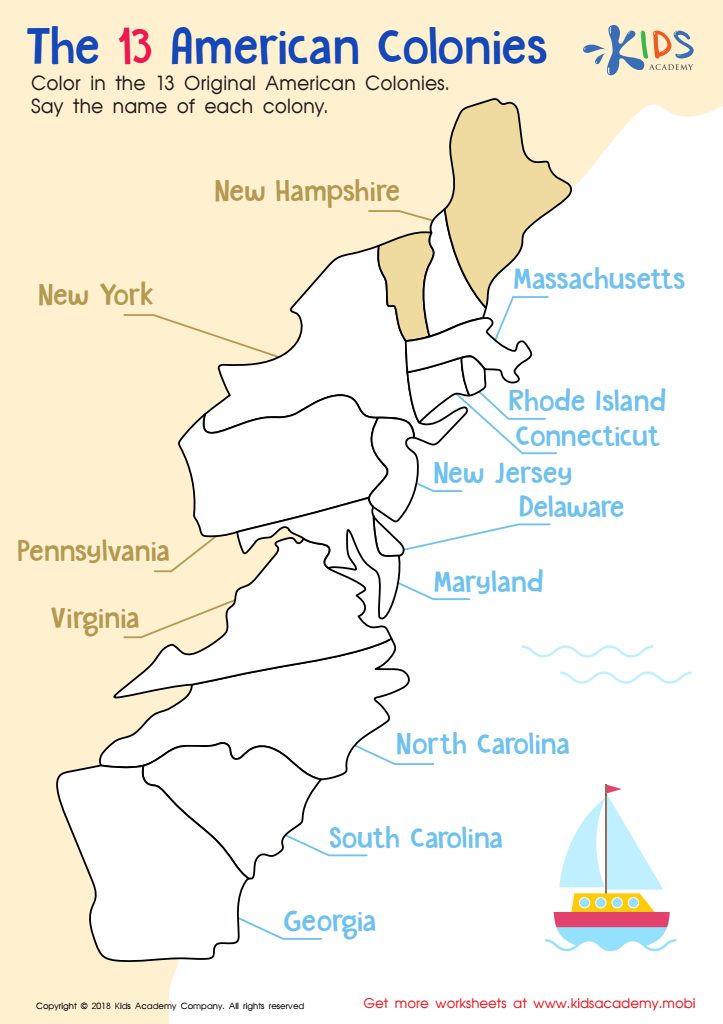
The 13 American Colonies Worksheet
 Assign to My Students
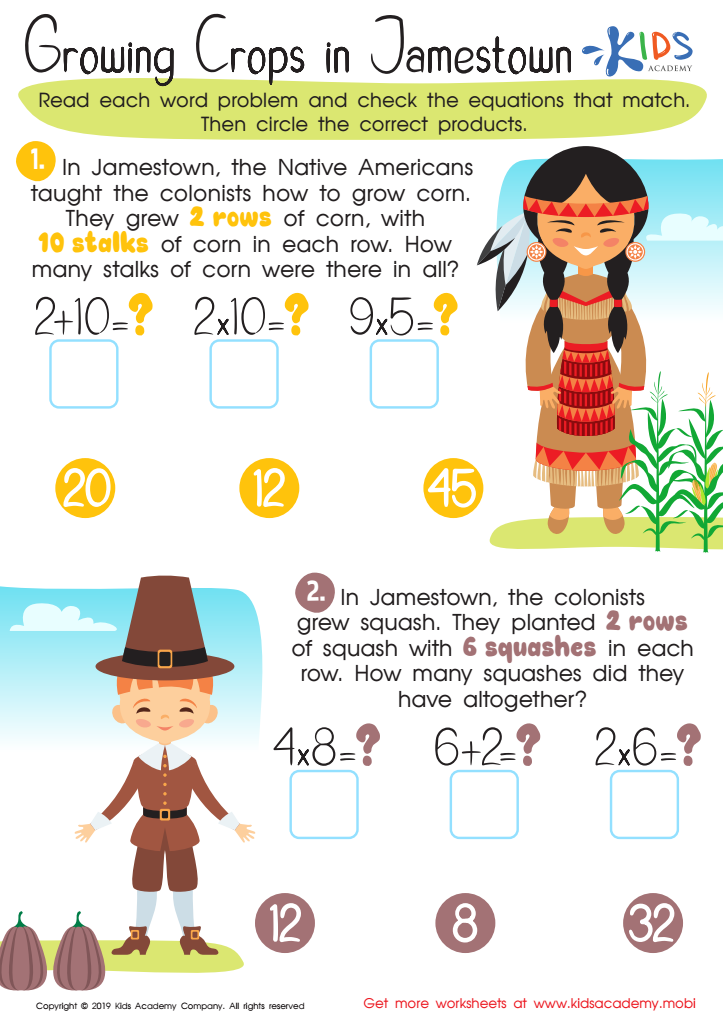
Growing Jamestown Worksheet
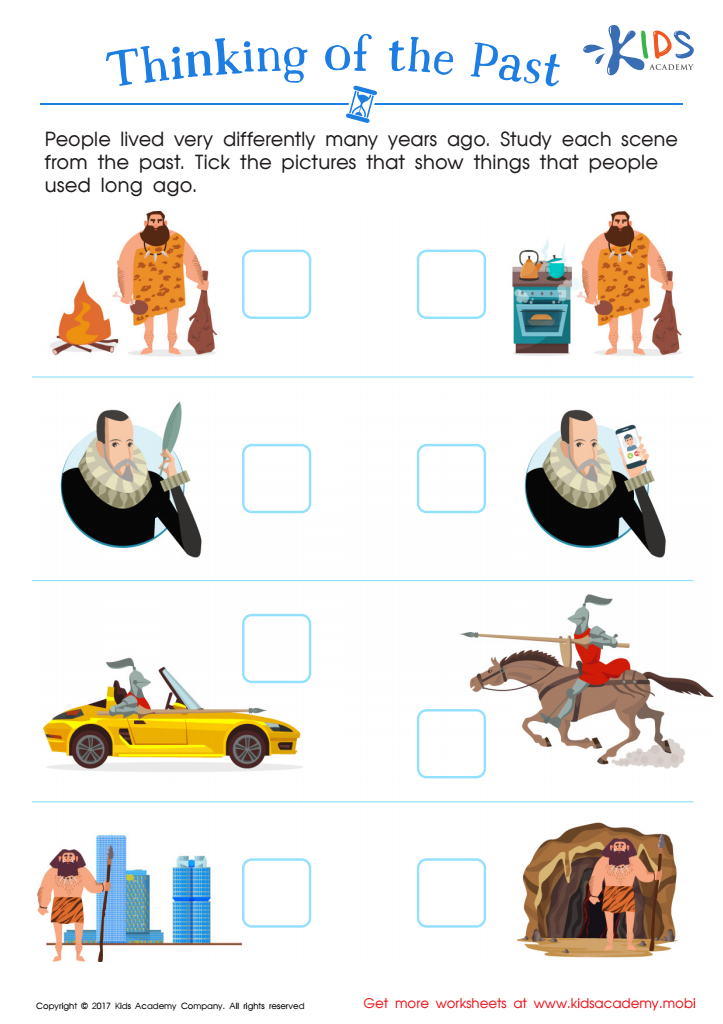
Thinking Past Printable

Thanksgiving Holiday Printable
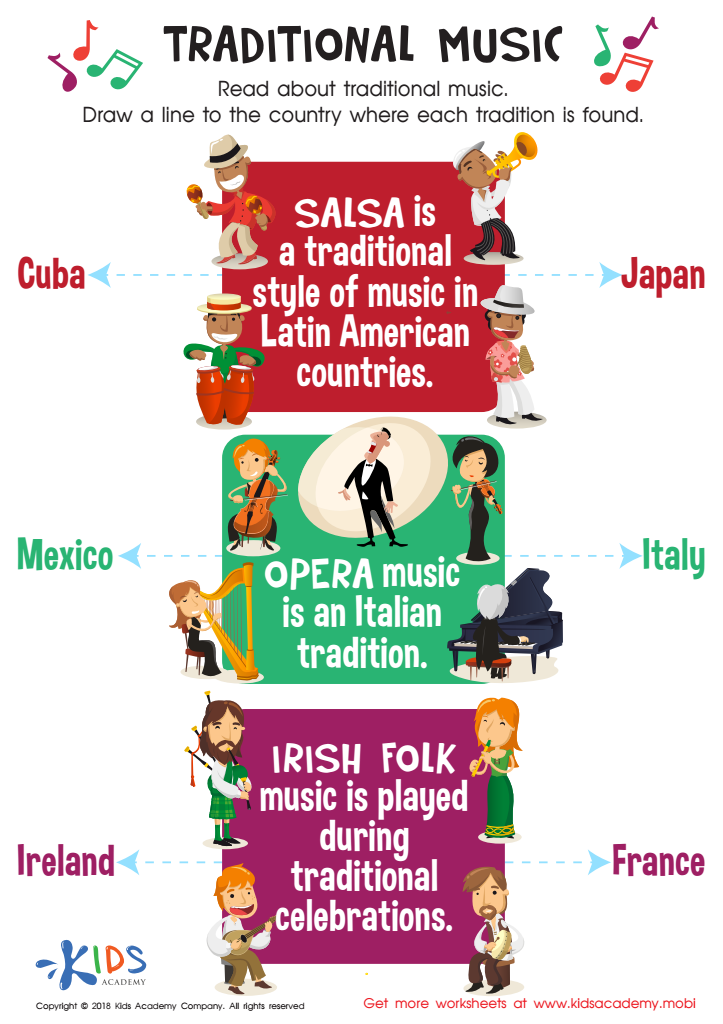
Traditional Music Worksheet
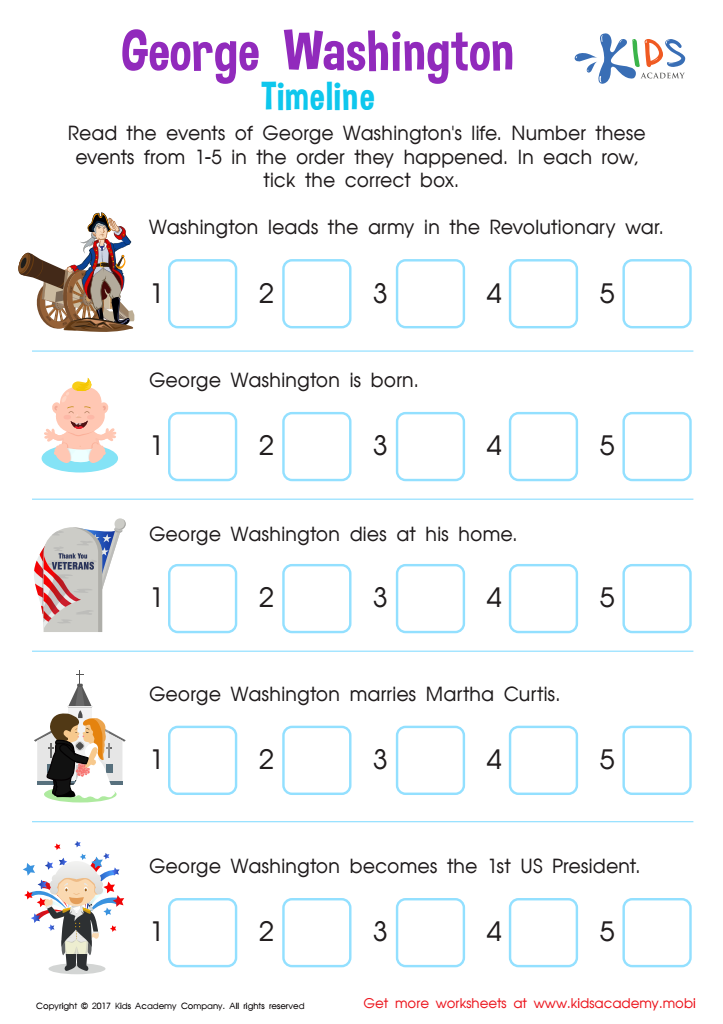
George Washington Timeline Worksheet




.jpg)


Parents and teachers should care about introducing critical thinking history to children ages 3-6 because it lays the foundation for lifelong learning and development. At this early age, children's brains are incredibly receptive and are developing rapidly. Encouraging critical thinking fosters curiosity, adaptability, and problem-solving skills. When it comes to history, simplifying historical concepts and stories allows young children to grasp the basics of cause and effect, timelines, and cultural awareness.
Understanding history through critical thinking helps children to question and analyze information rather than passively accept it. For this age group, it’s not about memorizing dates but understanding simple ideas, like changes over time or the differences and similarities between past and present. This can help nurture an inquisitive mindset and a broader understanding of their world.
Additionally, early exposure to critical thinking helps children become more effective communicators, as they learn to express their thoughts, ask questions and listen to others' viewpoints. These are essential skills for academic success and personal growth. Moreover, parents’ and teachers’ engagement in critical thinking activities with children builds stronger relationships and enhances quality time. Therefore, valuing critical thinking history for young children is an investment in their holistic development and future learning potential.