Problem-Solving Skills Writing Worksheets for Ages 3-6
7 filtered results
-
From - To
Nurture your child's critical thinking with our Problem-Solving Skills Writing Worksheets for Ages 3-6! Our engaging and educational worksheets are designed to enhance young learners' problem-solving abilities through fun and interactive activities. These worksheets help children analyze situations, think creatively, and develop effective solutions. Ideal for preschool to early elementary-aged kids, each worksheet incorporates skills like sequencing, matching, and logical reasoning to make learning enjoyable and impactful. Boost your child's confidence and cognitive abilities with our expertly crafted resources, perfect for at-home learning or classroom use. Start your child's journey to becoming a proficient problem solver today!
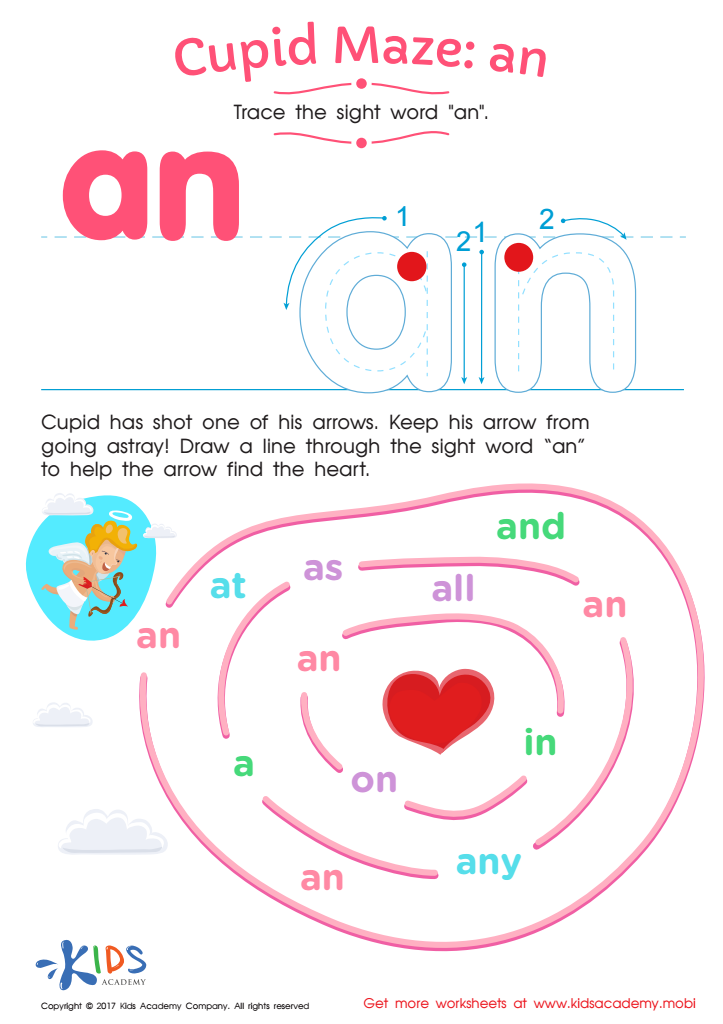
Cupid Maze: An Printable
 Assign to My Students
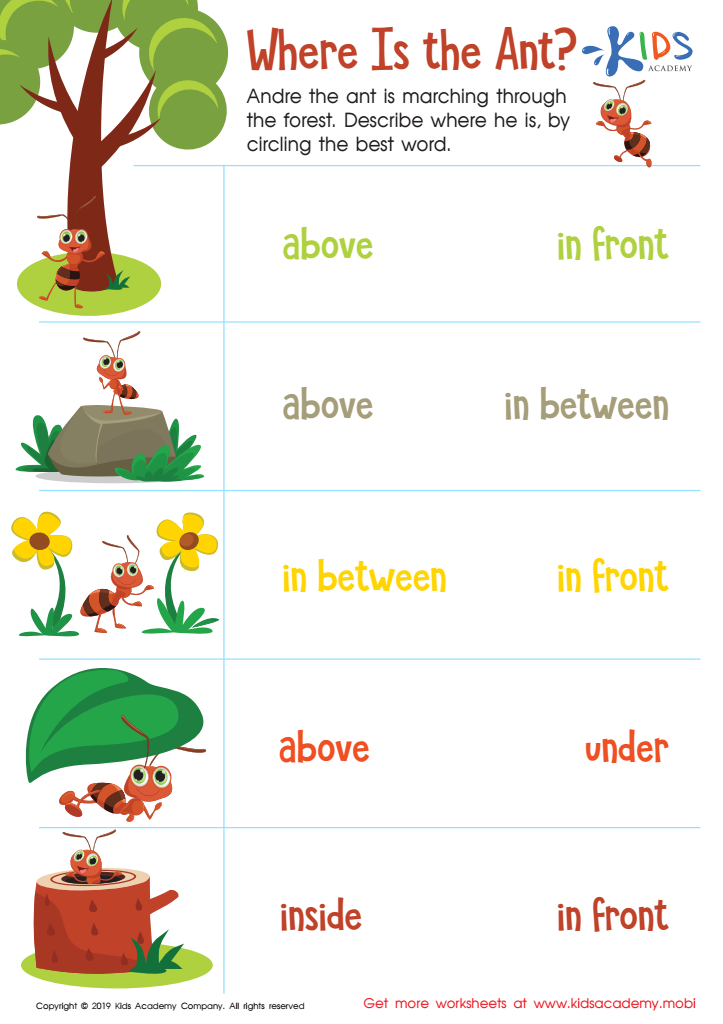
Where Is the Ant? Worksheet
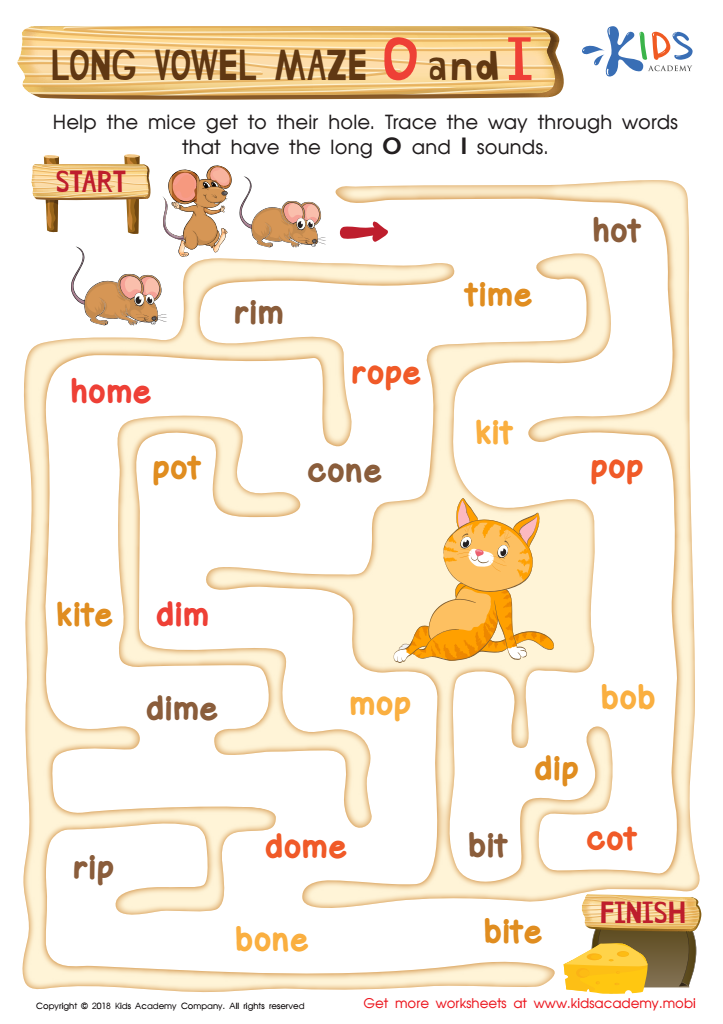
Long Vowel Maze /o/ and /i/ Worksheet
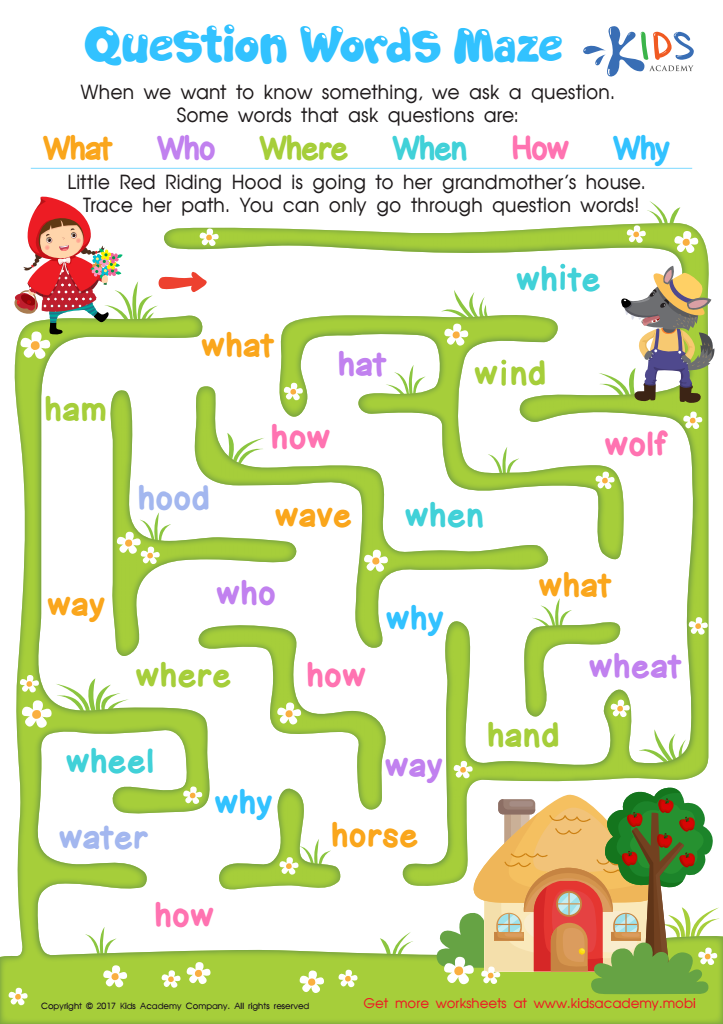
Question Words Maze Worksheet
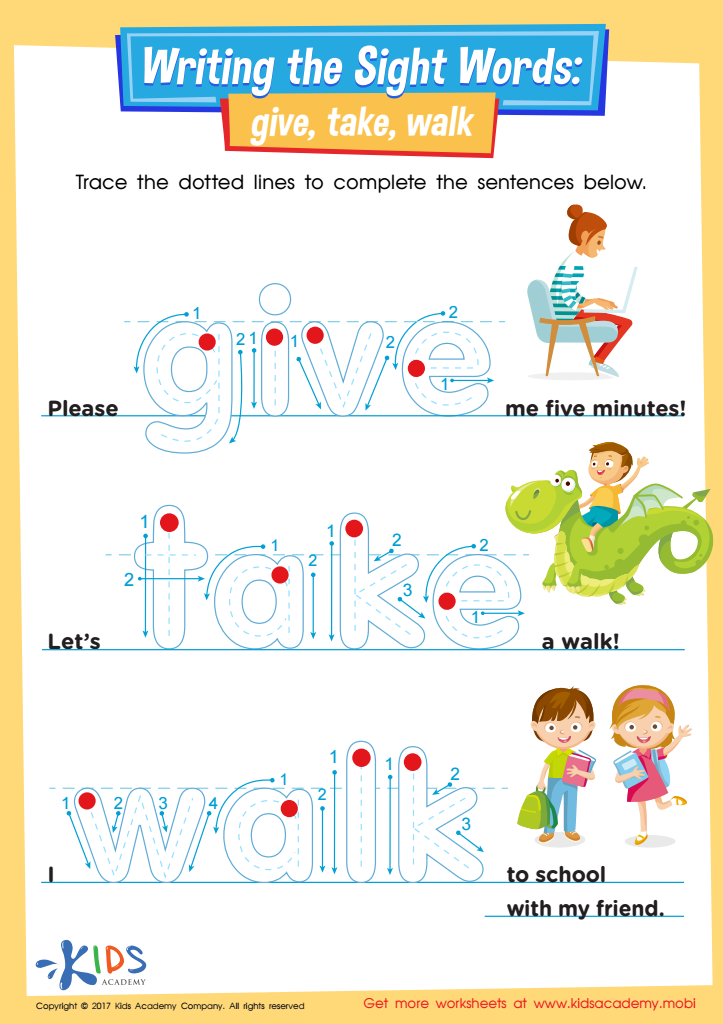
Give, Take, Walk Printable Sight Words Worksheet
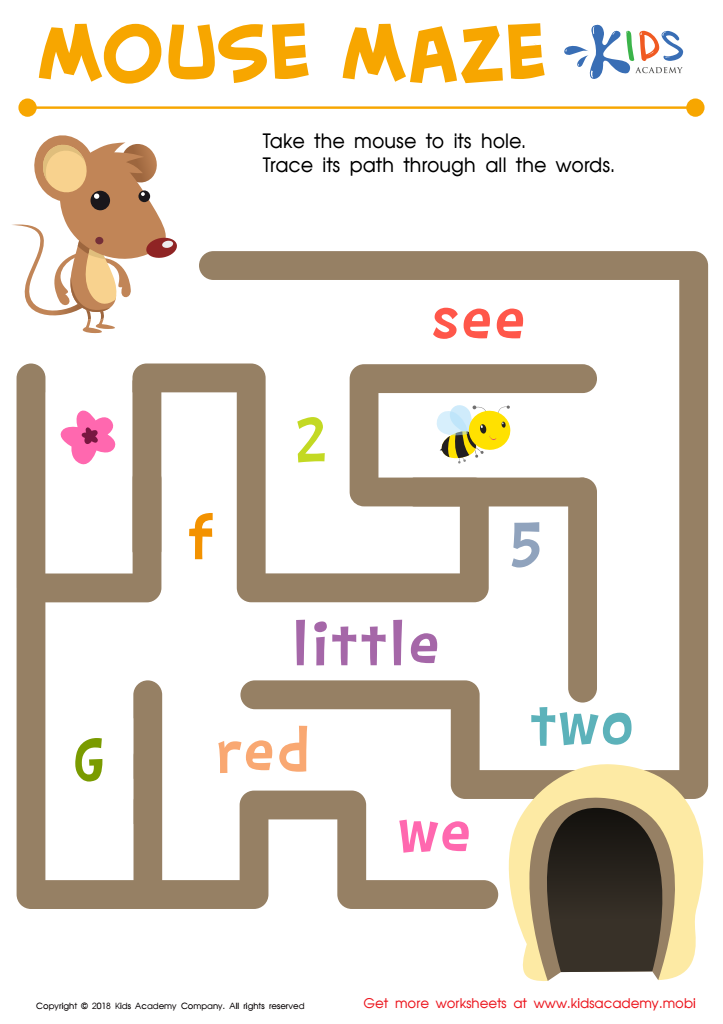
Find Words Mouse Maze Worksheet
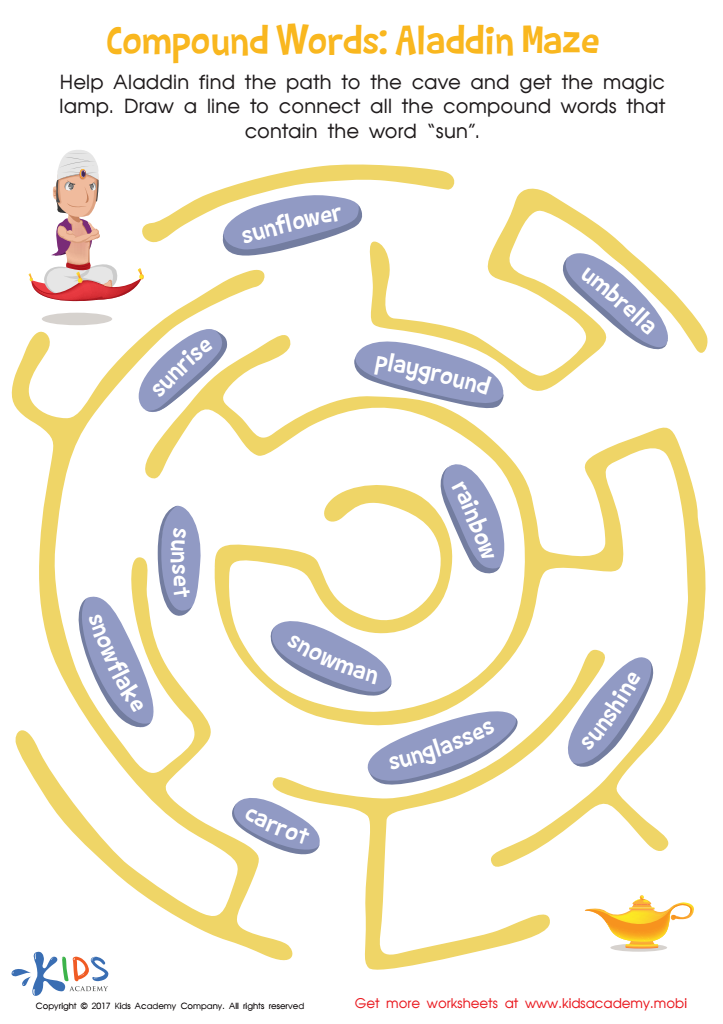
Compound Aladdin Maze Word Structure Worksheet






.jpg)
Parents and teachers should prioritize developing problem-solving skills in children aged 3-6 because these abilities lay the foundation for critical thinking, independence, and resilience. At this formative stage, young children are naturally curious and eager to explore the world around them. By encouraging problem-solving through writing, we harness this innate curiosity in a structured way that fosters growth.
Integrating writing exercises gradually cultivates cognitive and motor skills. For example, when children describe how they solved a simple puzzle or narrate a story where characters overcome challenges, they reinforce their ability to analyze, plan, and execute solutions. This kind of structured thinking translates to better decision-making abilities in real-life situations.
Moreover, problem-solving through writing promotes emotional intelligence. It teaches children to articulate their thoughts and feelings, manage frustration, and celebrate successes, thus building their emotional resilience. Engaging in these activities with peers or adults also enhances social skills like cooperation, listening, and empathy.
Parents and teachers who focus on these skills help children build a solid foundation for their future academic and personal endeavors. The well-rounded development rooted in early problem-solving practices can lead to enhanced confidence, creativity, and a lifelong love of learning.








