Vocabulary Building Writing Worksheets for Ages 3-6
9 filtered results
-
From - To
Boost your child's language skills with our Vocabulary Building Writing Worksheets for ages 3-6! These engaging and educational worksheets are designed to enhance vocabulary and improve writing abilities for preschoolers and kindergarteners. Featuring fun activities such as tracing, matching words and pictures, and word-building games, these exercises keep young learners entertained while they build essential language skills. Perfect for at-home practice or classroom use, our worksheets support early literacy development and lay a strong foundation for future academic success. Explore our collection today and help your child become a confident and skilled communicator!
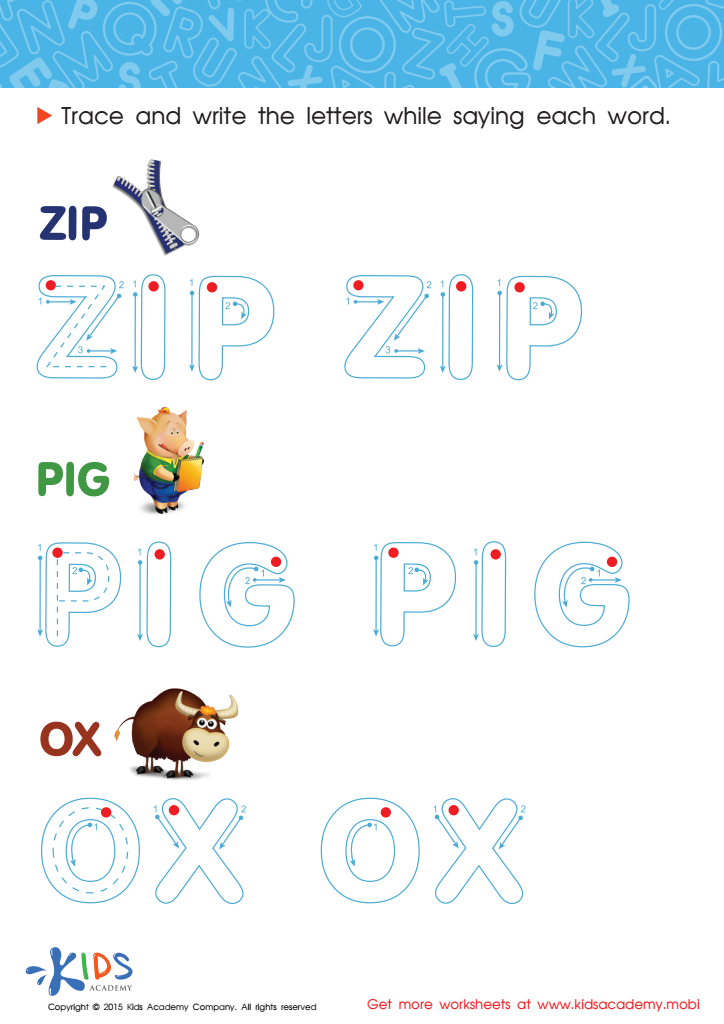
A Zip, a Pig and an Ox Spelling Worksheet
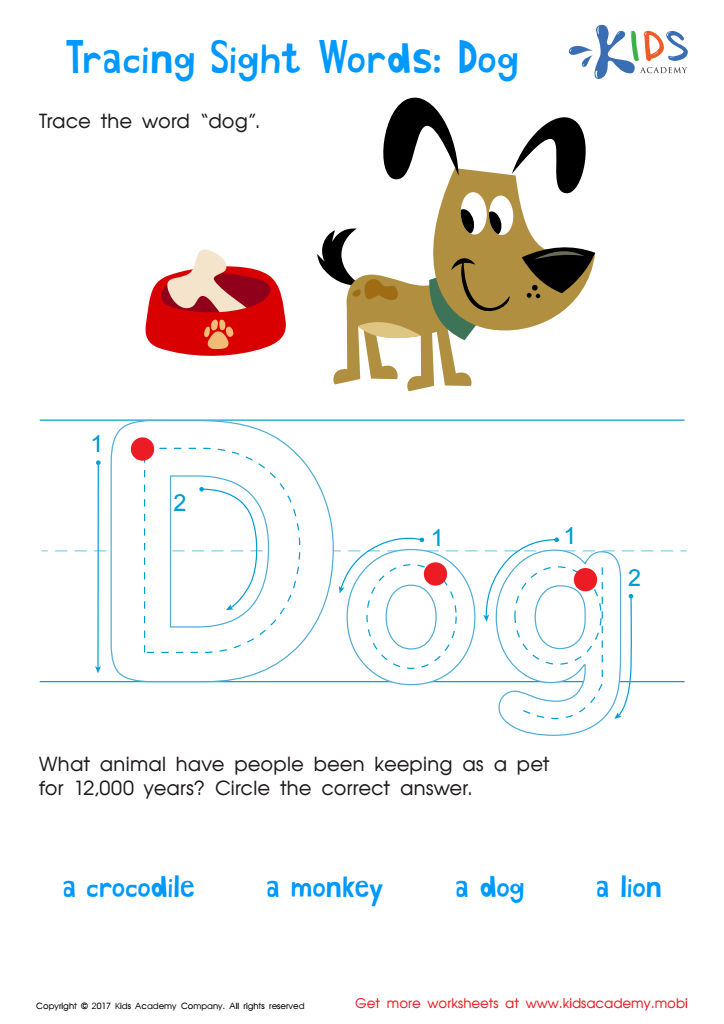
Dog Worksheet Sight Words Worksheet
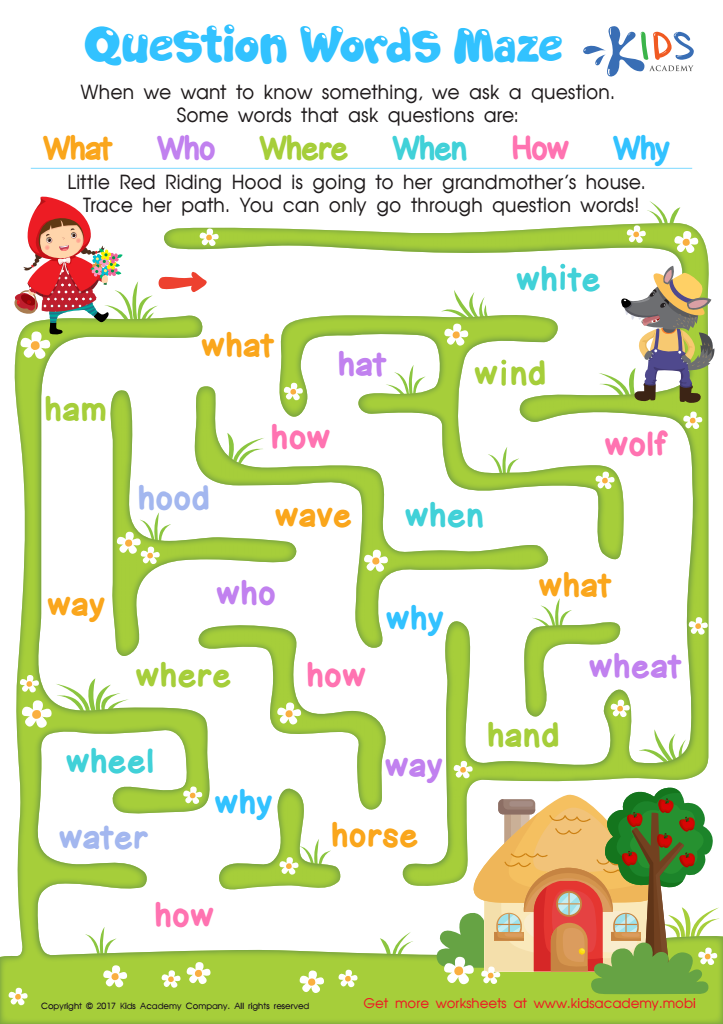
Question Words Maze Worksheet
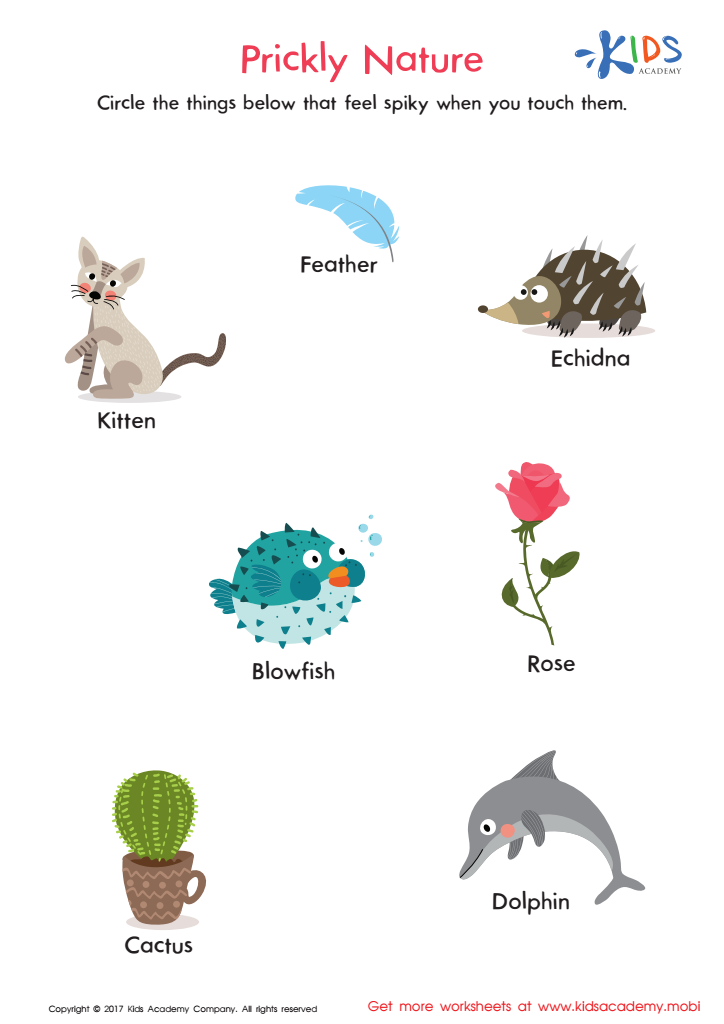
Prickly Nature Worksheet
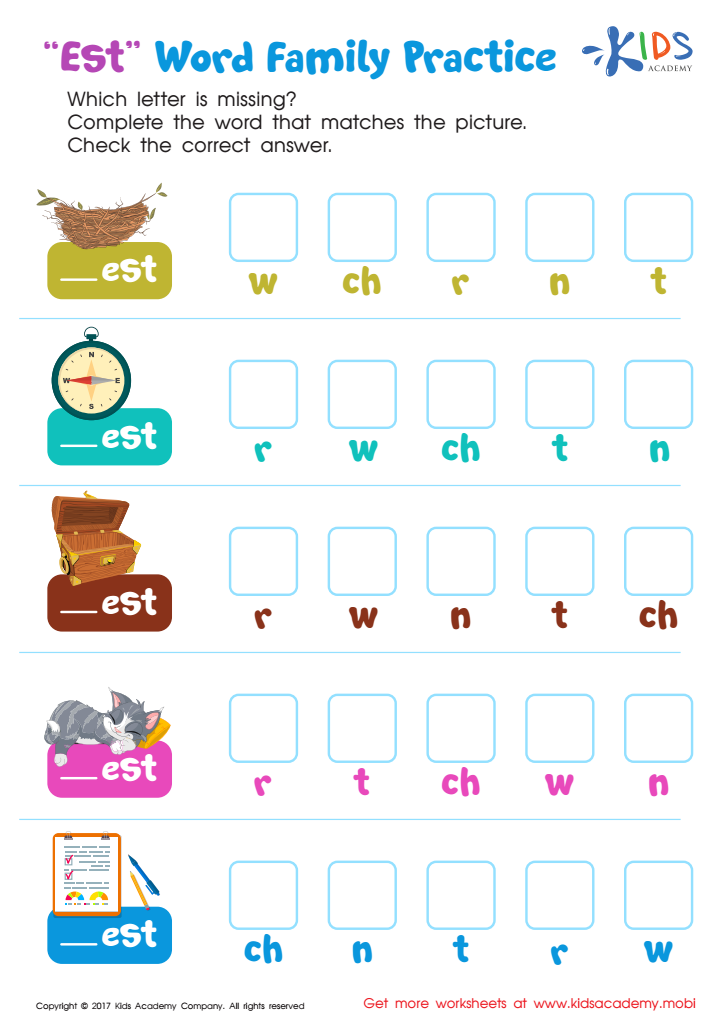
Words Family "est" Spelling Worksheet
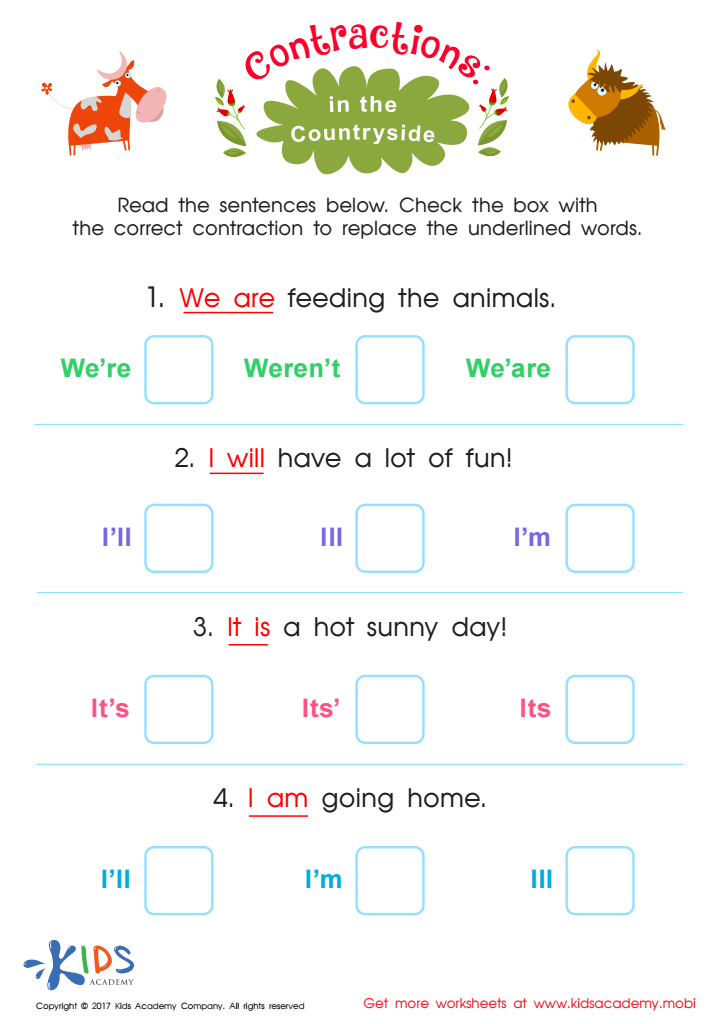
Contractions: In the Countryside Worksheet
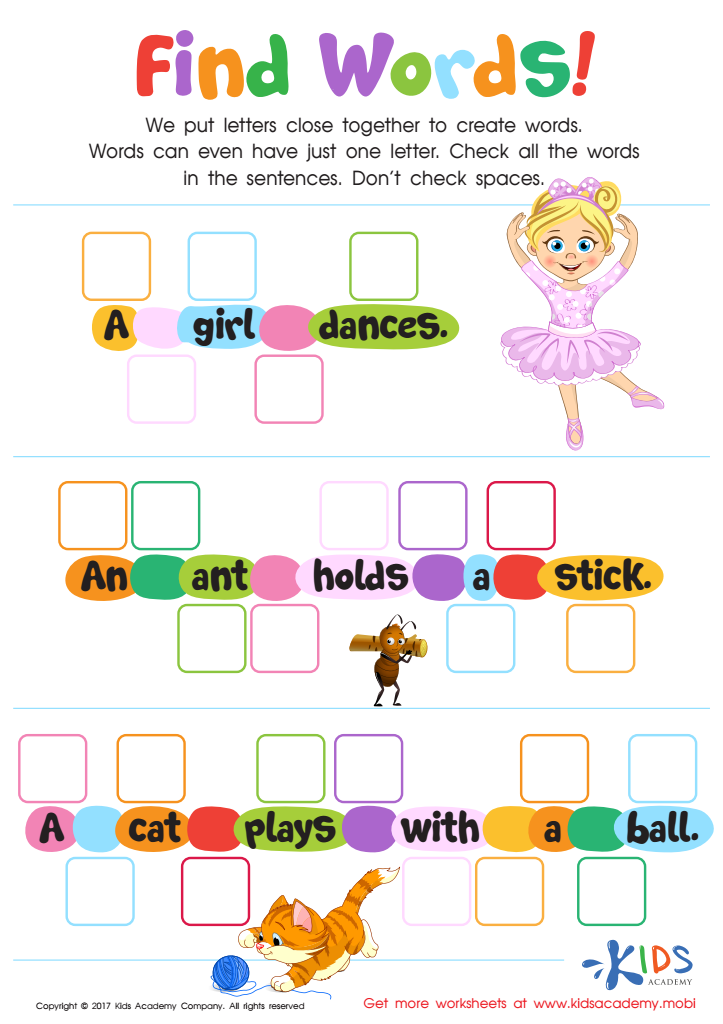
Find Words Worksheet
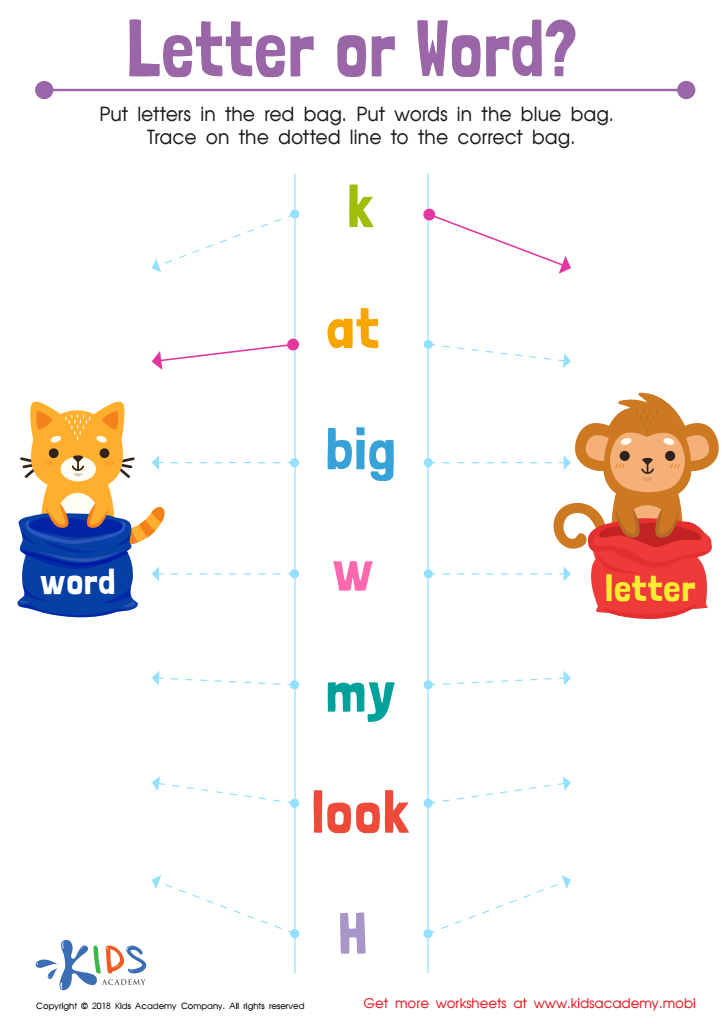
Letter or Word? Worksheet
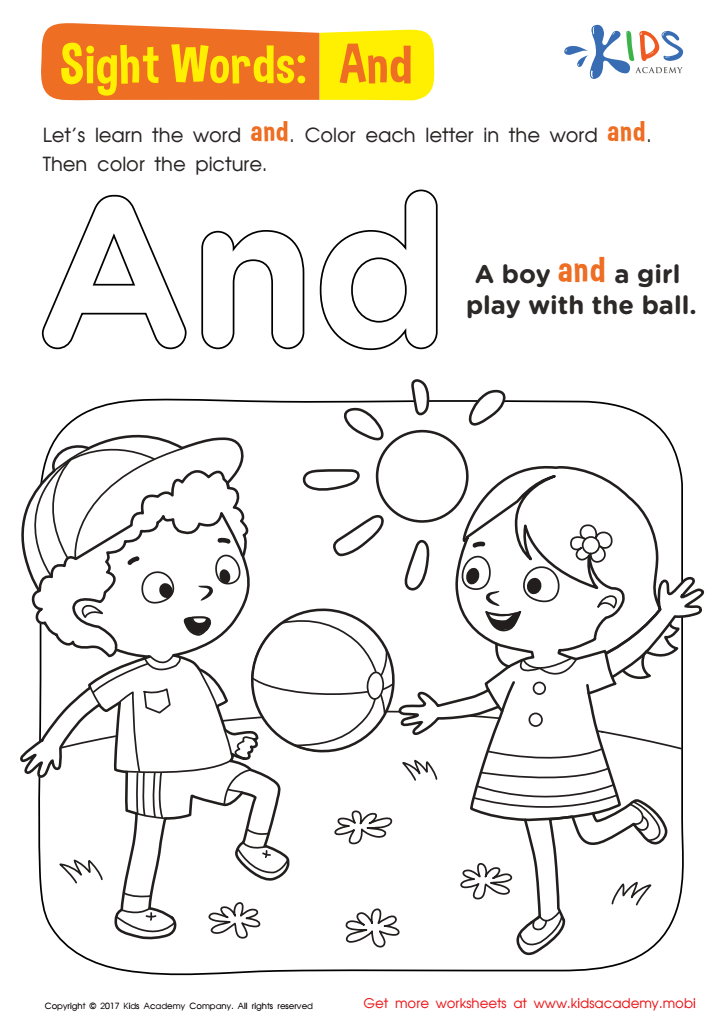
And Worksheet Sight Words Worksheet
 Assign to My Students








Vocabulary building at ages 3-6 is crucial for a child’s overall development and future academic success. During these formative years, children's brains are highly receptive to new information, making it the perfect time to expand their vocabulary. A rich vocabulary equips children with the tools they need to express themselves clearly and improves their ability to understand and process new concepts.
Parents and teachers play a vital role in this process by providing an immersive language environment. This includes reading a variety of books, engaging in meaningful conversations, and introducing new words in context. When children command a broad vocabulary, they can communicate their needs and ideas more effectively, which is essential for both social interactions and learning.
Moreover, early vocabulary acquisition is strongly linked to later reading and writing skills. Children who develop a robust vocabulary early on tend to perform better academically. They can more easily grasp complex instructions, comprehend reading material, and express their thoughts in writing.
Vocabulary development also fosters cognitive skills like problem-solving and critical thinking, and emotional skills by enabling children to articulate their feelings and understand others. By laying a strong vocabulary foundation, parents and teachers help pave the way for children’s lifelong communication and literacy competence.








