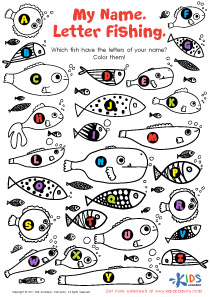
Handwriting improvement ABC Order Worksheets for Ages 3-7
3 filtered results
Difficulty Level
Grade
Age
-
From - To
Subject
Activity
Standards
Welcome to our "Handwriting Improvement ABC Order Worksheets" for ages 3-7! These engaging worksheets are designed to help young learners develop their handwriting skills while mastering alphabet order. Each activity promotes fine motor skills, enhances letter recognition, and encourages structured writing practice. Colorful illustrations and fun exercises keep children motivated as they connect letters and words in a playful way. Perfect for parents and educators, these worksheets offer a blend of learning and creativity, making it easier for kids to cultivate confidence in their handwriting abilities. Get started today and watch your child's handwriting flourish!
Favorites
With answer key
Interactive
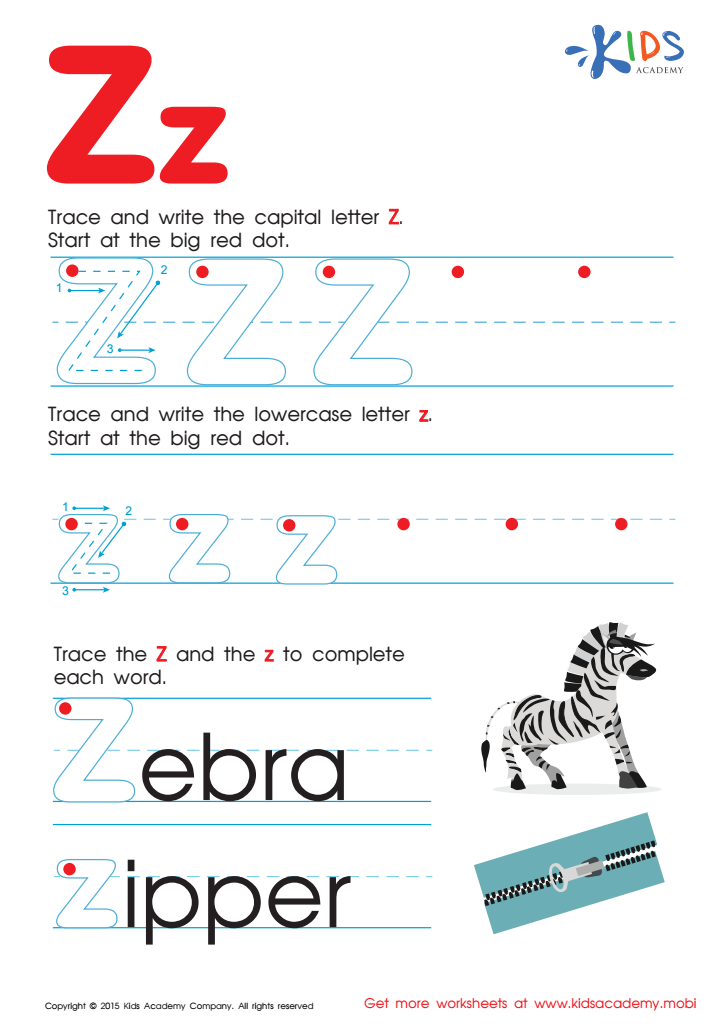
Letter Z Tracing Page
Trace and write capital "Z" and lowercase "z". Complete words "zebra" and "zipper". Be attentive and have fun! (80 words)
 Assign to My Students
Letter Z Tracing Page
Worksheet






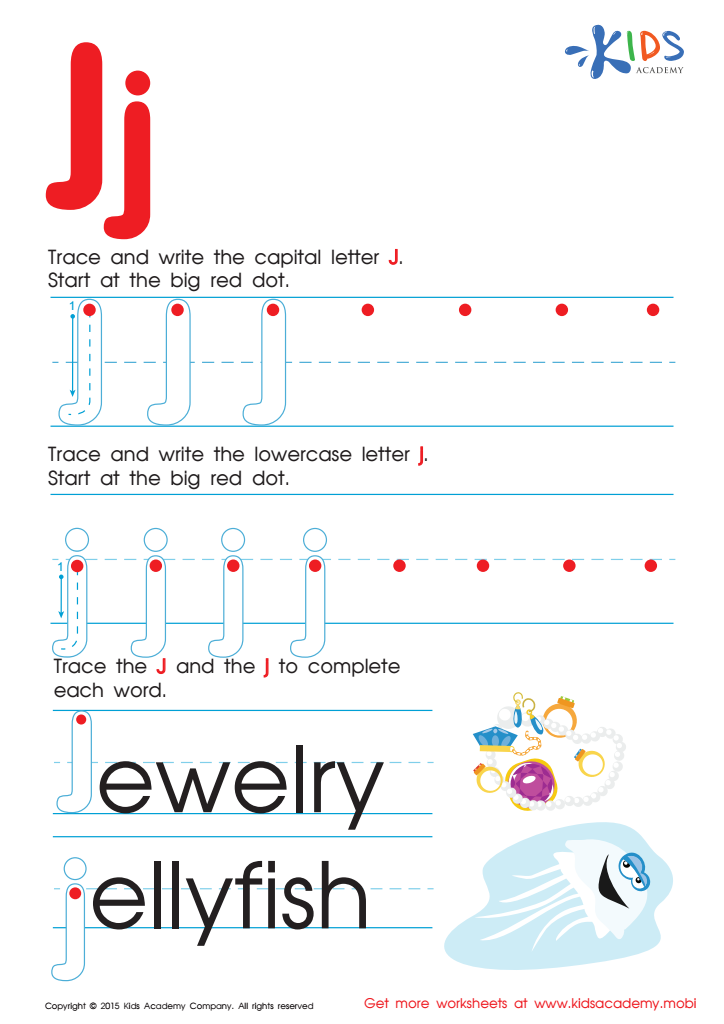
Letter J Tracing Page
Trace and write the letter "J" with our ABC worksheet - start at the big red dot! Have fun completing words like jewelry, jellyfish and more. Check out our kindergarten activities for more alphabet practice.
Letter J Tracing Page
Worksheet
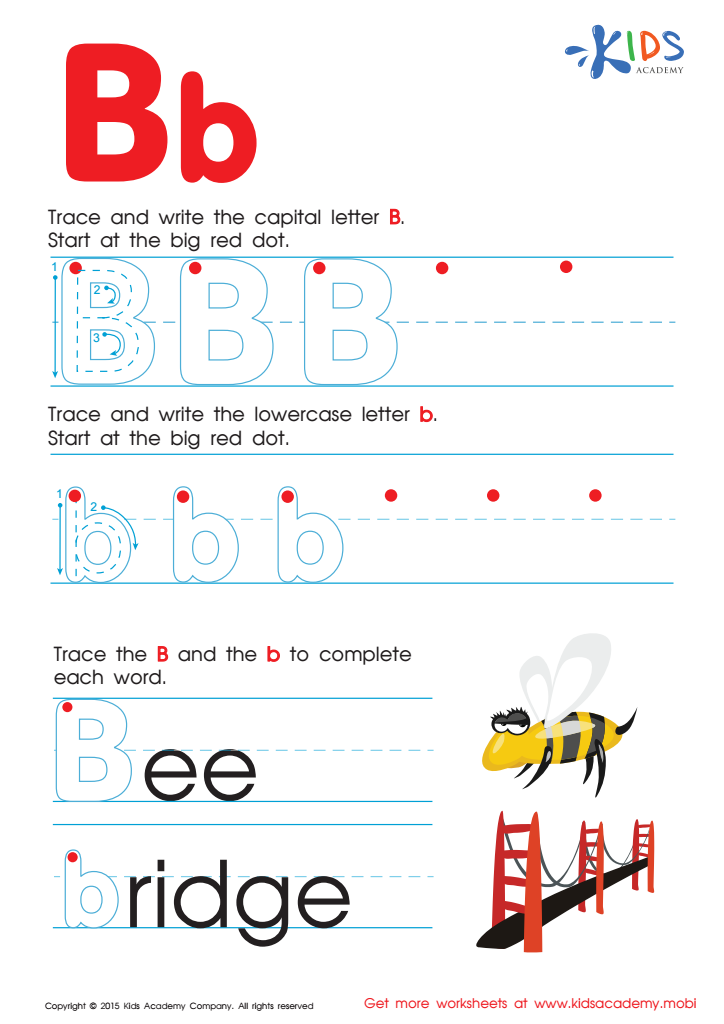
Letter B Tracing Page
Ready to learn the Alphabet? Put your pencil on the red dot and trace & write both capital & lowercase "B". Then have a look at the pictures. Catch the bee, cross the bridge & write the letters to complete the words. More ABC worksheets for kindergarten available!
Letter B Tracing Page
Worksheet
Join Kids Academy for Free
Who is primarily going to use this learning content?







Handwriting improvement is essential for children aged 3-7 as it lays the foundation for their literacy skills and overall academic success. First, developing good handwriting skills promotes fine motor control, which is critical for other tasks, from using scissors to manipulating small objects. Improved handwriting can boost a child's confidence in their writing abilities, encouraging them to express their thoughts and feelings freely.
Learning to write in alphabetical order fosters organizational skills and cognitive development. It helps children understand letter recognition and sequencing, which are fundamental components of reading and writing. Additionally, mastering handwriting promotes the connection between phonics and literacy, making it easier for young learners to form letters and spell words correctly.
Parents and teachers should care about handwriting improvement, as it serves not only academic purposes but also contributes to a child’s sense of achievement. Furthermore, neat handwriting often ensures that their work is understood by others—an important factor in communication. In an age dominated by technology, neglecting handwriting skills can lead to difficulties in more traditional environments and assessments. Encouraging handwriting improvement is an investment in a child's education and personal growth, helping them thrive not just in school, but throughout life.