Motor skills development ABC Letters Worksheets for Ages 3-7
3 filtered results
-
From - To
Explore our Motor Skills Development ABC Letters Worksheets, designed specifically for children aged 3-7. These engaging activities enhance fine motor skills while making alphabet learning fun. Our easy-to-follow worksheets help children develop the essential ability to control their hand movements, which is crucial for writing. Perfect for home or classroom use, each printable page combines tracing, coloring, and drawing, ensuring a diverse and stimulating learning experience. Help your child confidently master the alphabet and improve their dexterity with our expertly crafted worksheets. Add a touch of joy and education to your child’s learning journey today!
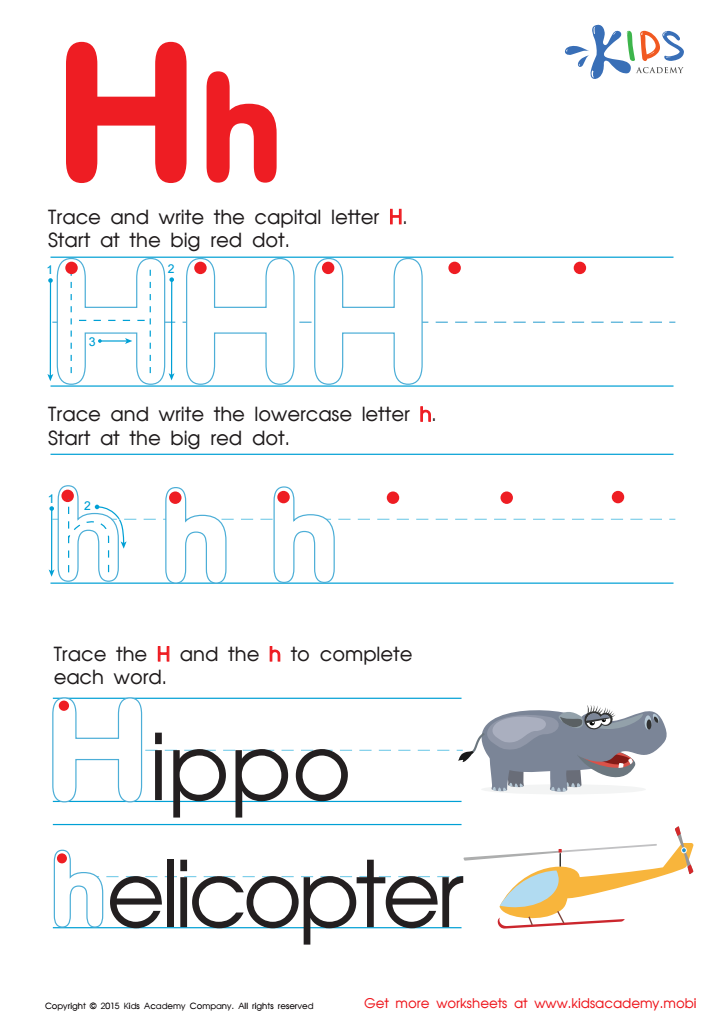
Letter H Tracing Page











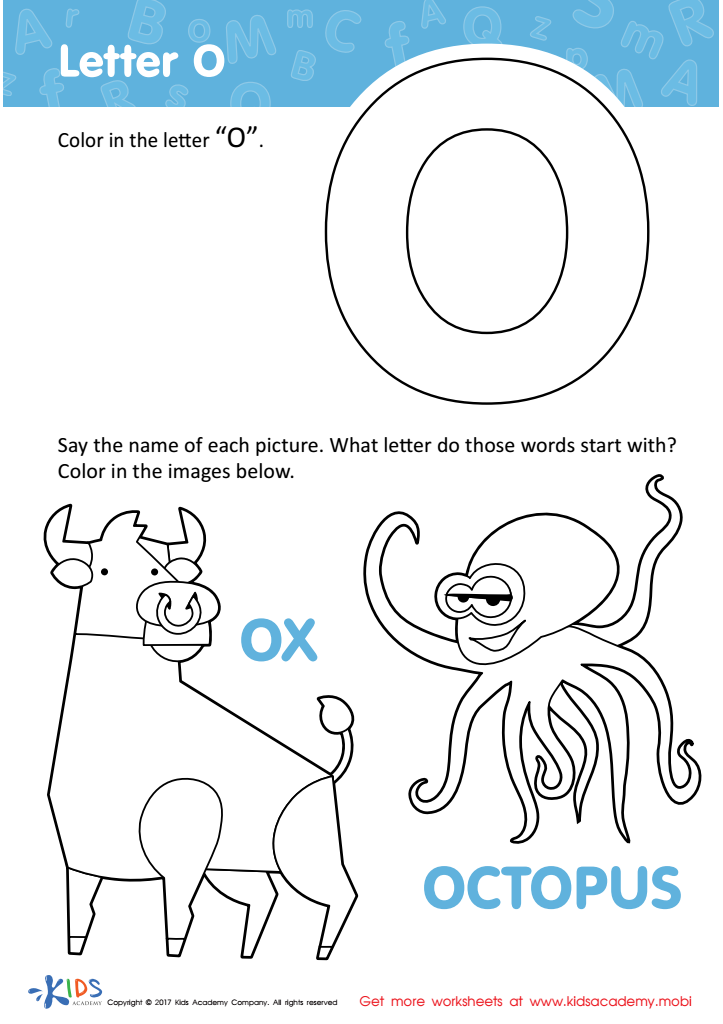
Letter O Coloring Sheet
 Assign to My Students
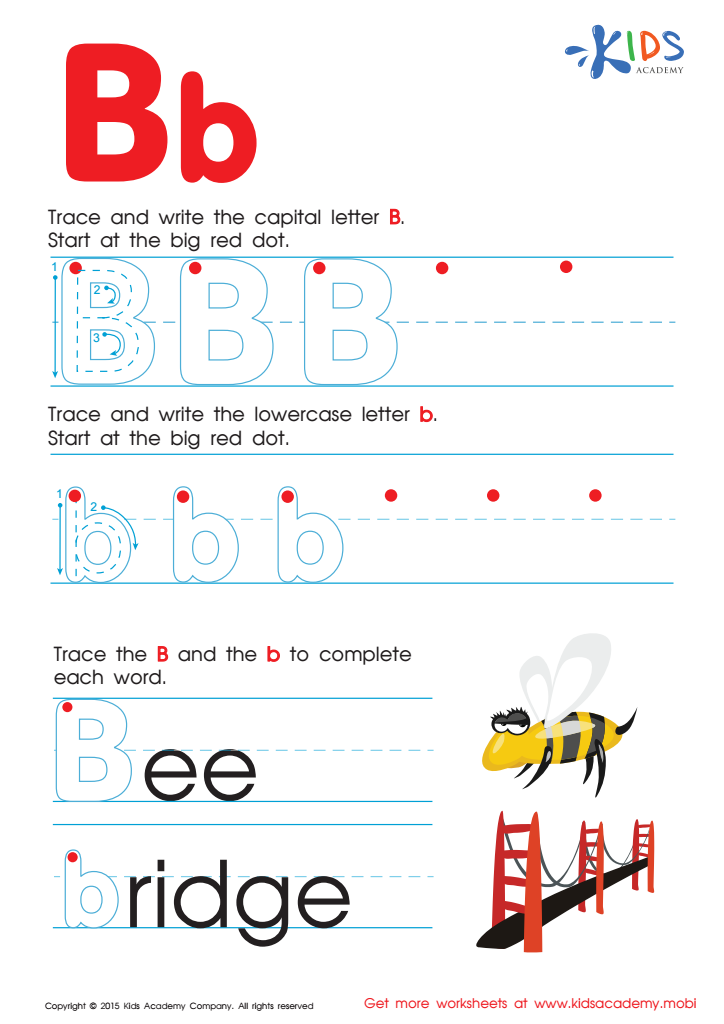
Letter B Tracing Page








Motor skills development is crucial for children aged 3-7 because it underpins their overall growth and learning capabilities. Fine motor skills involve the coordination of small muscles, particularly in the hands and fingers, enabling children to grasp, manipulate, and control objects. Developing these skills through activities like tracing and forming ABC letters can significantly enhance a child’s handwriting, dexterity, and hand-eye coordination.
For parents and teachers, focusing on motor skills development has long-term benefits. It not only boosts children’s academic readiness but also their self-esteem and independence. Improved fine motor skills help children with essential daily tasks, such as dressing, feeding, and using tools like scissors. Additionally, engaging in ABC letter-based activities provides a foundational literacy skill, making future reading and writing tasks more manageable.
Moreover, motor skills development promotes cognitive development by aiding better memory, concentration, and problem-solving abilities. It encourages children to explore and interact with their environment, driving curiosity and a love for learning. By nurturing these skills in early childhood, parents and teachers pave the way for holistic development, ensuring children are well-prepared for school and life challenges. Investing time in motor skills development creates confident, capable learners who are ready to face future academic and life endeavors.







