Handwriting improvement Alphabet Worksheets for Ages 3-7
8 filtered results
-
From - To
Enhance your child's handwriting skills with our engaging Handwriting Improvement Alphabet Worksheets designed specifically for ages 3-7. These worksheets provide interactive and fun activities that promote proper letter formation, fine motor skills, and early literacy development. Children will enjoy tracing and practicing both uppercase and lowercase letters, all while developing their confidence in writing. Our thoughtfully designed resources cater to various learning styles, ensuring that every young learner can flourish. Perfect for home or classroom use, these worksheets will keep your little ones motivated and eager to learn. Start your child's handwriting journey today with our easy-to-use, printable worksheets!
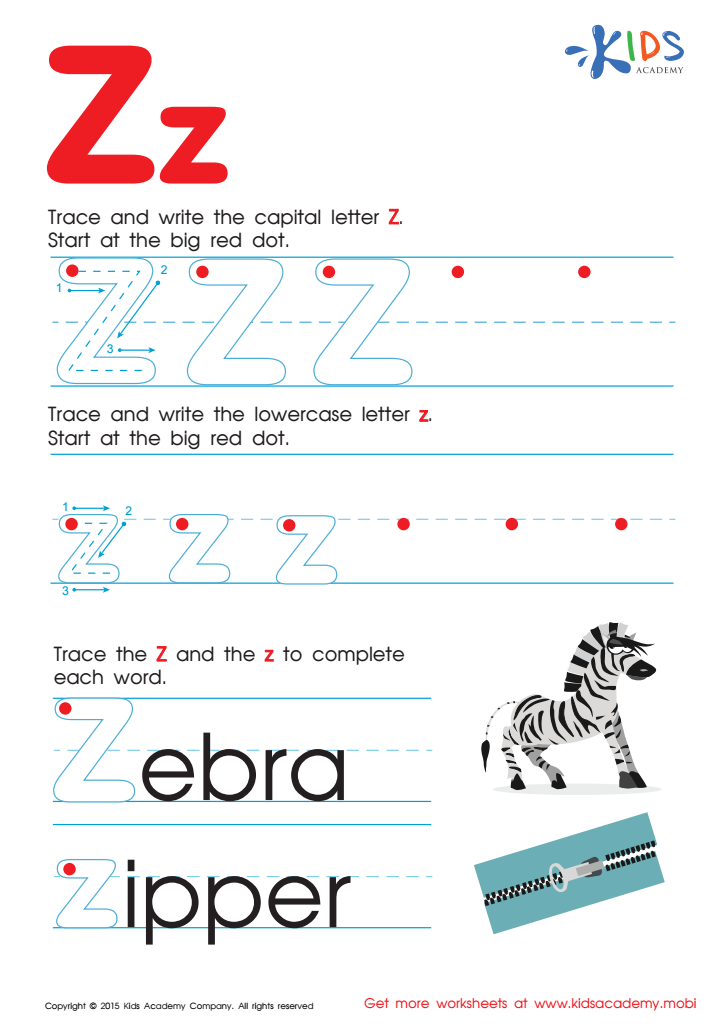
Letter Z Tracing Page
 Assign to My Students
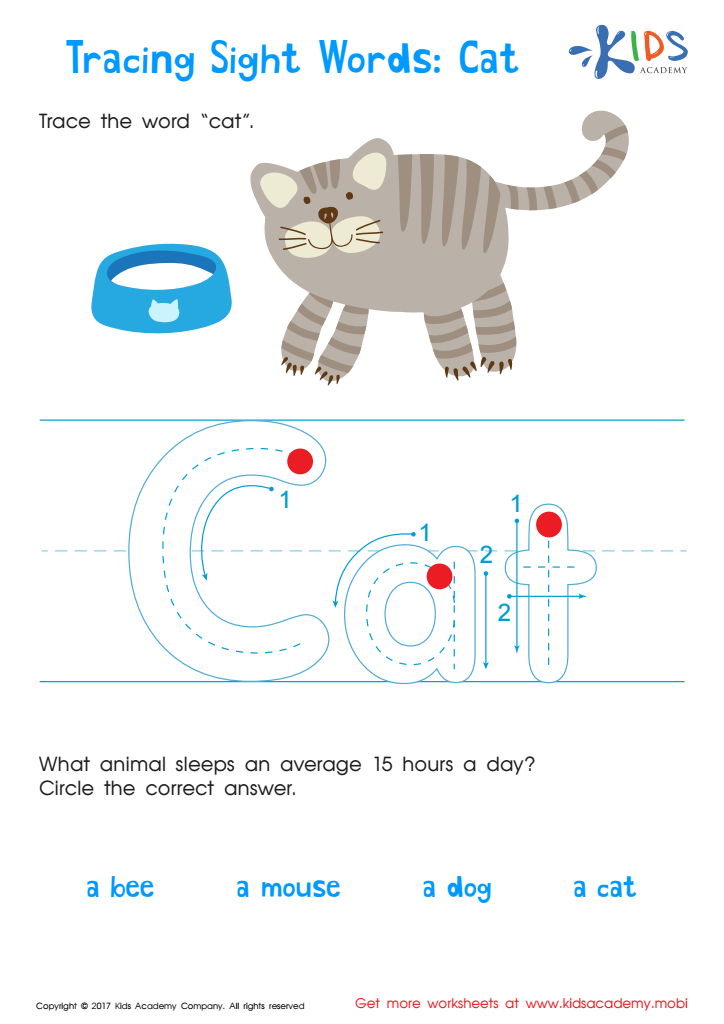
Cat Printable Sight Words Worksheet
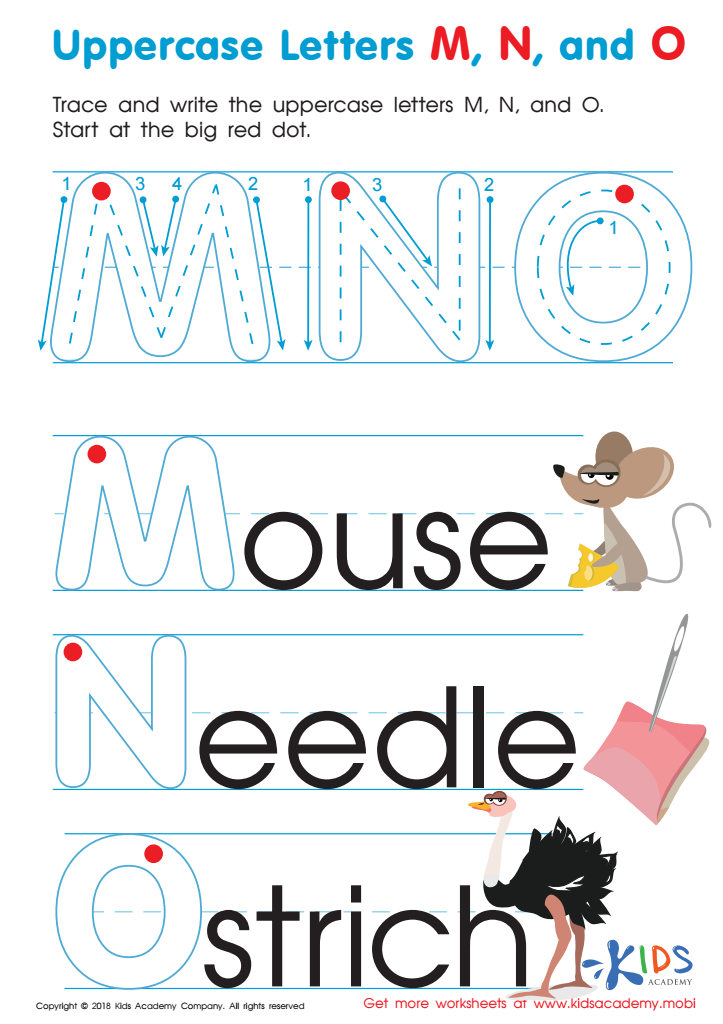
Uppercase Letters M, N, and O Worksheet
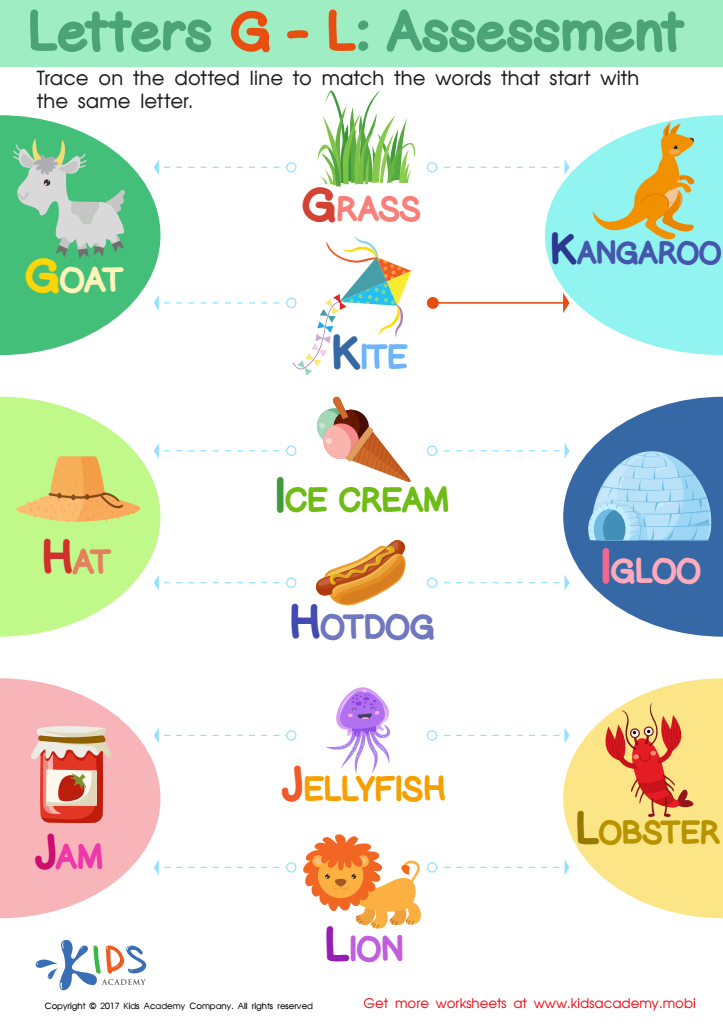
Letters G-L Worksheet
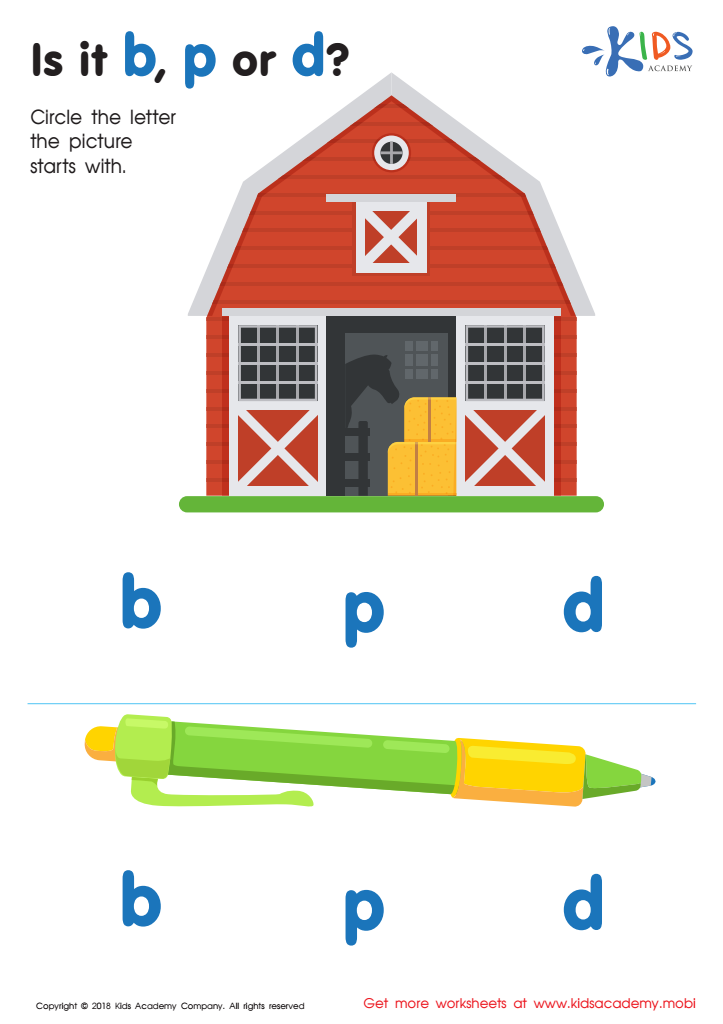
Is it b, p or d? Worksheet
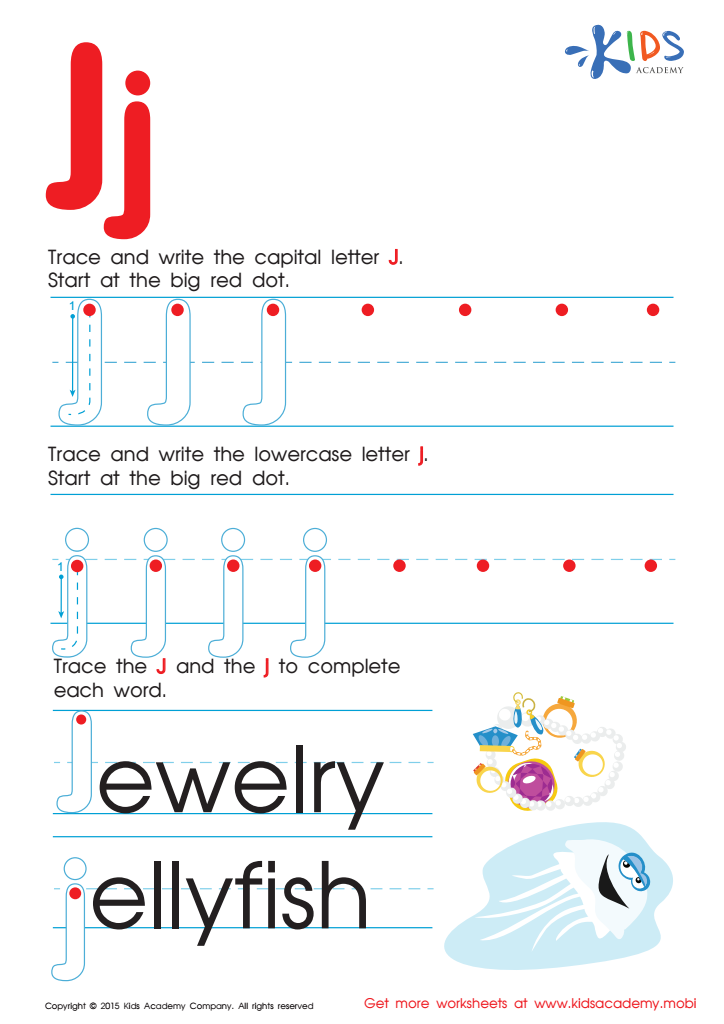
Letter J Tracing Page
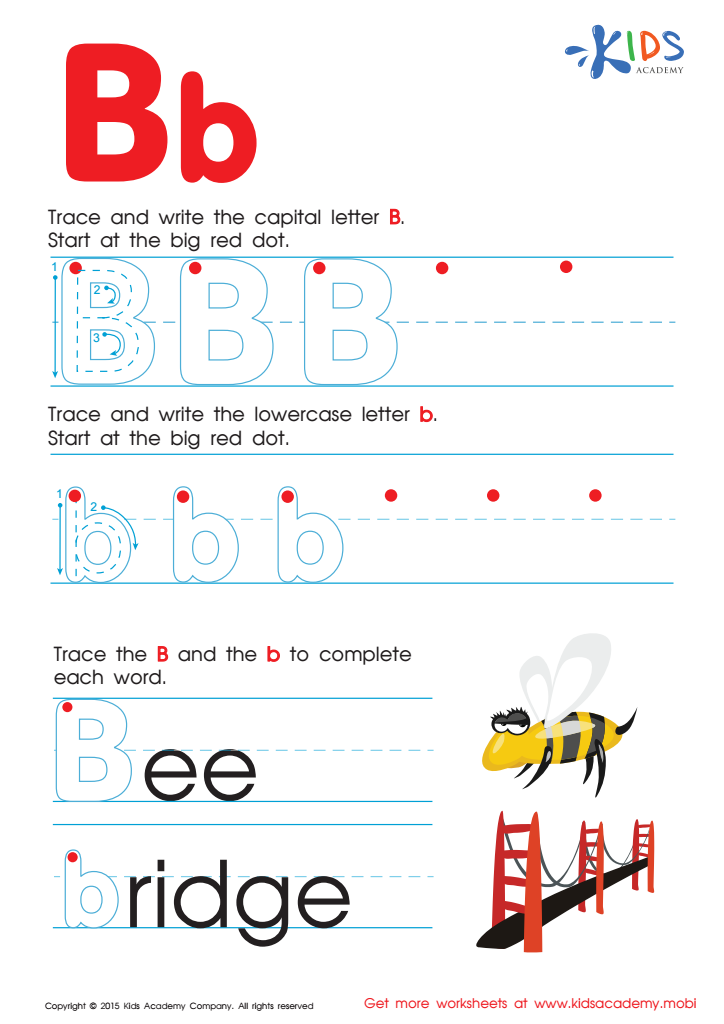
Letter B Tracing Page
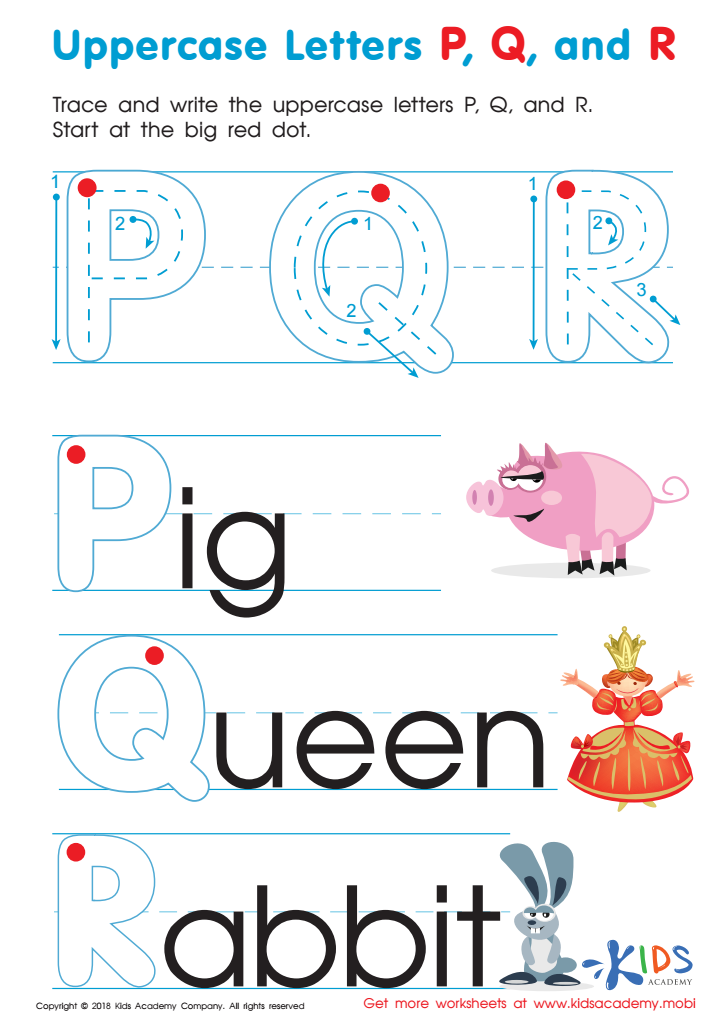
Uppercase Letters P, Q, and R Worksheet








Handwriting improvement is critical for children aged 3-7 for several reasons that significantly impact their overall development and learning. Firstly, this age range is crucial for fine motor skill development. Engaging in handwriting activities helps enhance dexterity, coordination, and control, which are essential for many daily tasks. Improved handwriting also boosts confidence, as children take pride in their ability to express their thoughts clearly.
Additionally, legible handwriting facilitates effective communication. As children progress in their education, being able to write clearly allows them to convey ideas and feelings more vividly, which is vital for their academic success. Early handwriting development can also predict later educational outcomes; children with strong handwriting skills often perform better in literacy and other subjects.
Moreover, focusing on handwriting during these formative years fosters a sense of discipline and attention to detail. It encourages kids to slow down, think critically about their writing, and understand the structure of language. Thus, parents and teachers should prioritize handwriting improvement as it lays the foundation for not only academic excellence but also personal growth and confidence. Investing in this skill can lead to lifelong benefits, shaping how children engage with the world around them.







