Shape Recognition Alphabet Worksheets for Ages 3-7
4 filtered results
-
From - To
Discover the perfect blend of fun and education with our Shape Recognition Alphabet Worksheets for ages 3-7! These engaging worksheets help young learners effortlessly connect letters to their corresponding shapes, enhancing their alphabet knowledge and cognitive skills. Each worksheet is carefully designed to be colorful, interactive, and easy to understand, fostering a love for learning. Ideal for preschoolers, kindergarteners, and early elementary students, our worksheets support the development of both shape recognition and early literacy. Boost your child's confidence and turn learning into a joyous adventure today with our Shape Recognition Alphabet Worksheets!
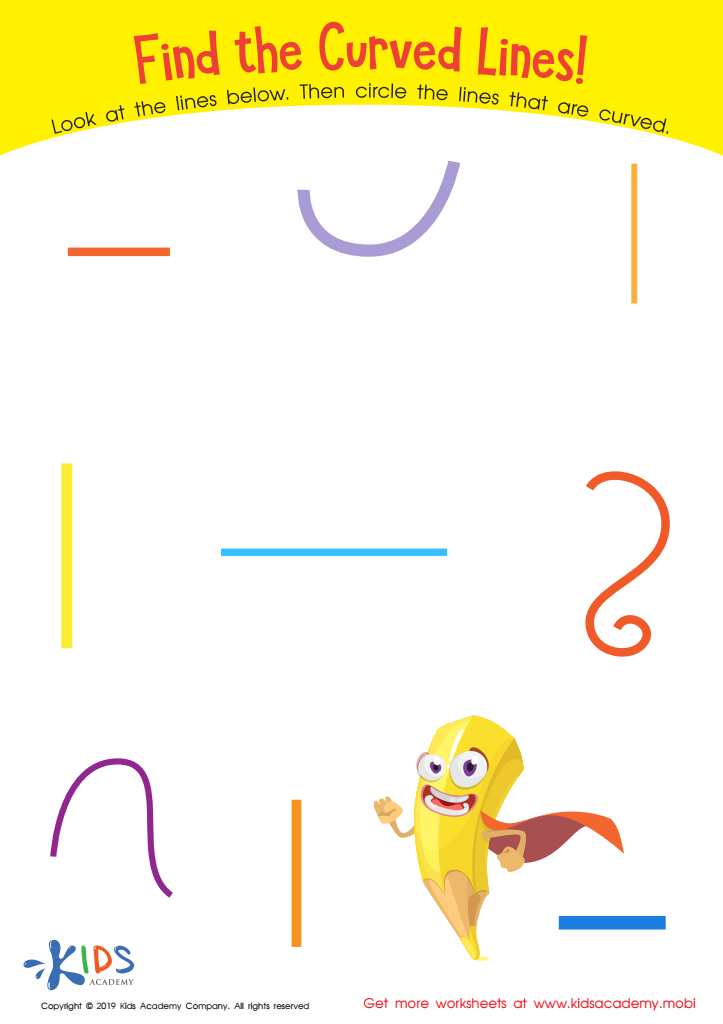
Find the Curved Lines! Worksheet
 Assign to My Students
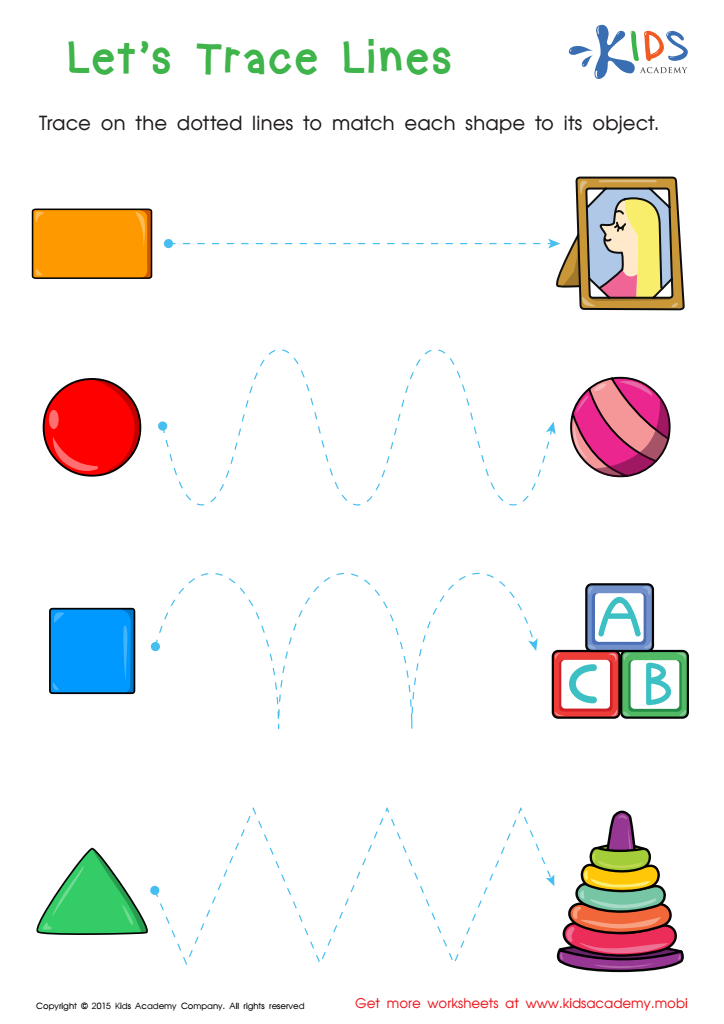
First Words: Let's Trace Lines Worksheet
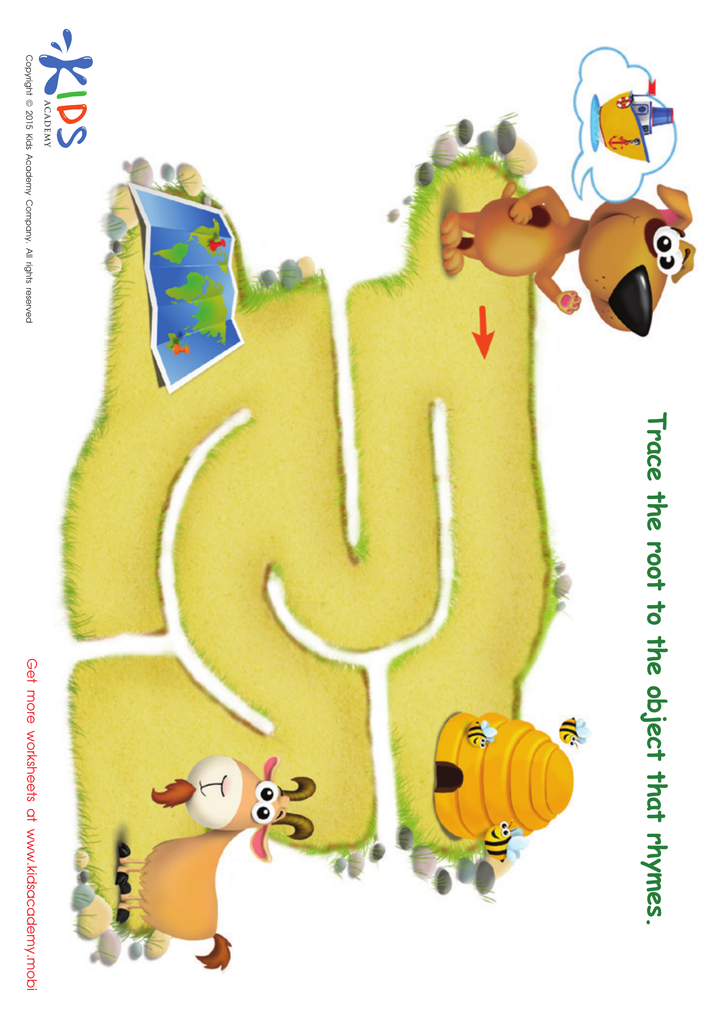
Boat Rhyming Words Worksheet
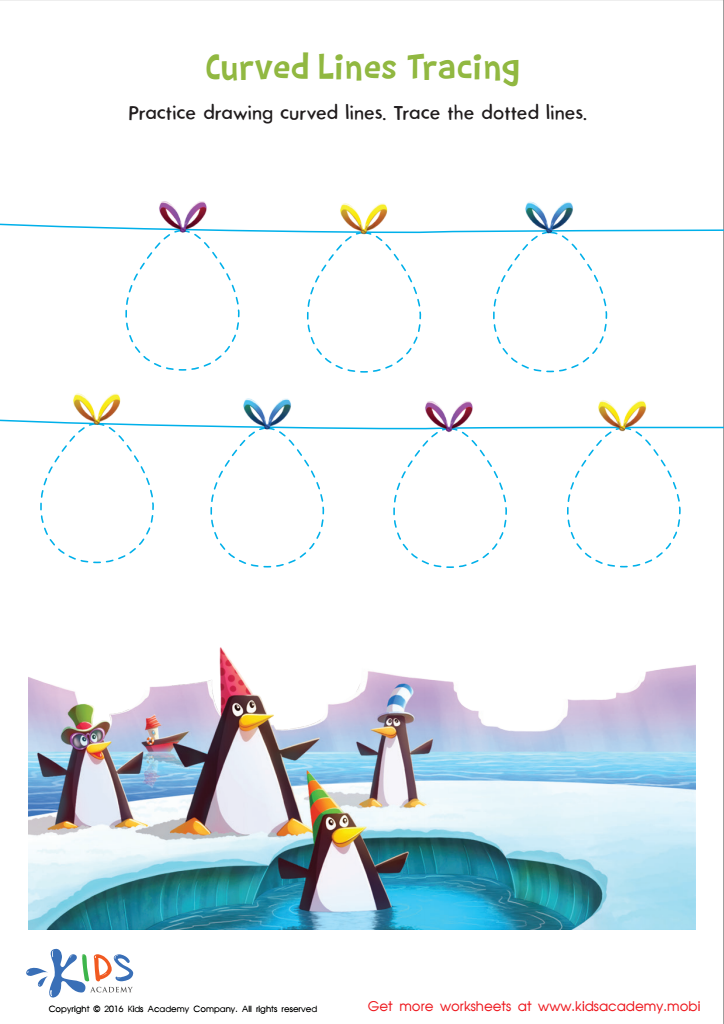
Curved Lines Tracing Worksheet




.jpg)


Parents and teachers should care about shape recognition alphabet for ages 3-7 as it plays a critical role in early childhood development and foundational learning. At this developmental stage, children’s brains are extremely receptive and capable of absorbing new information quickly. Shape recognition alphabet activities merge the fundamental elements of shape identification and the alphabet, creating a holistic and interactive learning environment.
Firstly, recognizing shapes aids in cognitive development by enhancing spatial awareness and visual discrimination skills, which are vital for reading and writing. Understanding different shapes also helps children in early math skills, such as geometry and pattern recognition.
Secondly, integrating shapes with the alphabet transforms basic rote learning into a more engaging, multi-sensory experience. For example, associating the letter "A" with the shape of a triangle can strengthen memory and aid letter recognition, as children are able to form visual and contextual links.
Additionally, these activities support fine motor skills development. Tracing and drawing shapes required for letters improves hand-eye coordination, which is essential for writing.
Lastly, learning through an interconnected method keeps children engaged and fosters a sense of achievement as they master new tasks. It lays down a strong learning foundation, allowing a smoother transition into more complex subjects in the future.







