Letter recognition Letter N Worksheets for Ages 3-7
3 filtered results
Difficulty Level
Grade
Age
-
From - To
Subject
Activity
Standards
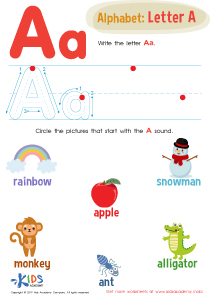
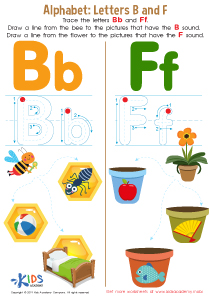
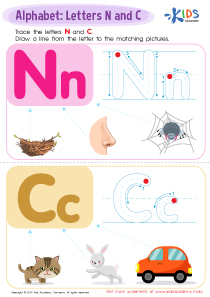
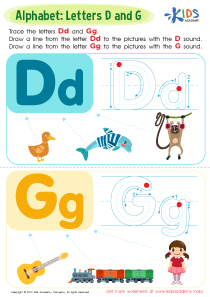
Discover our engaging "Letter Recognition Letter N Worksheets for Ages 3-7," designed to make learning fun and effective! Perfect for preschoolers and early elementary students, these worksheets blend playful illustrations with essential activities like tracing, matching, and coloring. Through these interactive exercises, your child will develop strong letter recognition and early literacy skills, boosting their confidence and academic growth. Ideal for at-home practice or classroom reinforcement, our expertly crafted worksheets offer a comprehensive approach to mastering the letter N. Give your little learner a head start on their educational journey with Kids Academy!
Favorites
With answer key
Interactive
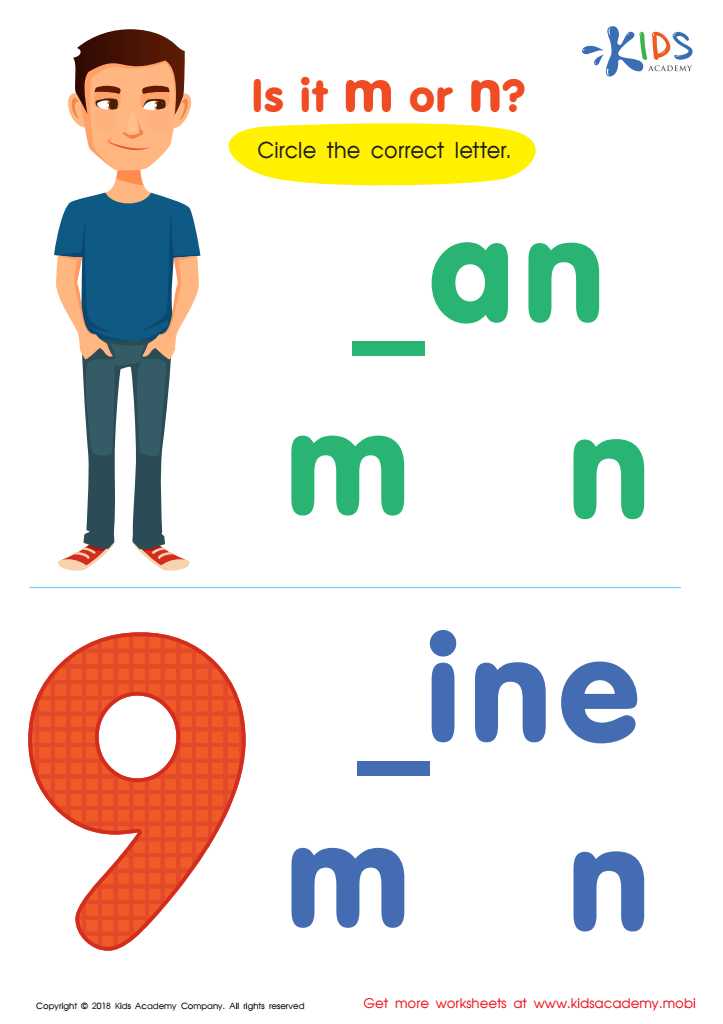
Is It m or n? Worksheet
Help your child circle the letter that begins the words "man" and "nine" in the picture. This is a great way for them to learn the alphabet.
Is It m or n? Worksheet
Worksheet
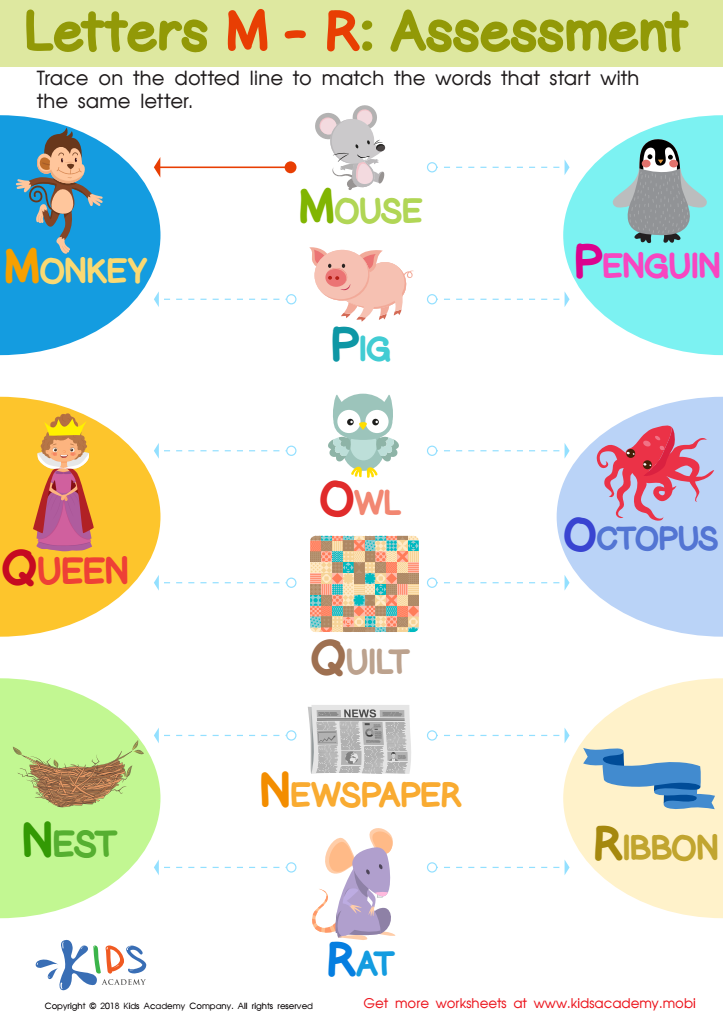
Letters M-R Tracing Worksheet
Does your child like learning to read? This printout is ideal! Kids match words to letters M-R by tracing. You can assist them in sounding out the words to pick the correct letter. Plus, visuals are included to help them recognize words with pictures.
Letters M-R Tracing Worksheet
Worksheet
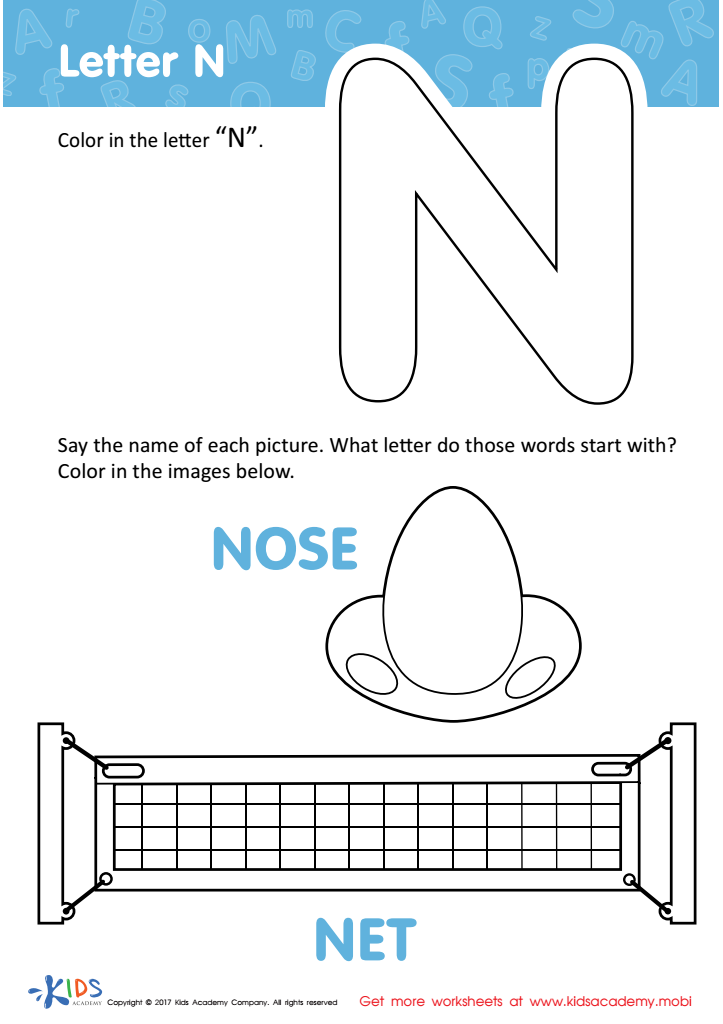
Letter N Coloring Sheet
Let your child get creative and learn the alphabet with this letter "N" coloring page! It's a fun way to recognize the letter, featuring a body part all kids know. Coloring and reinforcing recognition of "N" will help your child have fun while learning!
Download (PDF)
 Assign to My Students
Assign to My Students
Letter N Coloring Sheet
Worksheet
Join Kids Academy for Free
Who is primarily going to use this learning content?




Letter recognition is a foundational skill for young children, especially those aged 3-7, crucial for their literacy development. Understanding the letter 'N' is an integral part of this early learning stage.
Firstly, recognizing the letter 'N' contributes to the alphabetic knowledge that children need in order to read and write effectively. The ability to identify 'N', whether in uppercase or lowercase, allows children to decipher words, enhancing their reading fluency and comprehension skills.
Next, letter 'N' appears in numerous high-frequency words (like "no," "not," and "need"), making its quick and accurate recognition pivotal for reading efficiency. Mastery of such common letters directly impacts a child's ability to process and understand written language at a faster rate.
Additionally, recognizing and writing the letter 'N' promotes fine motor skills and eye-hand coordination as kids practice forming its shape. This skill goes beyond literacy, aiding in overall cognitive and physical development.
An early grasp on letter 'N' and other alphabet components fosters confidence in kids as emerging readers and writers, setting a positive tone for future learning experiences. Therefore, teachers and parents prioritizing letter recognition, including the letter 'N', can substantially influence a child’s early educational success and lifelong literacy competency.