Alphabet sequencing Letter Recognition Worksheets for Ages 3-7
6 filtered results
-
From - To
Discover the fun and engaging "Alphabet Sequencing Letter Recognition Worksheets" designed for children aged 3-7! These interactive worksheets help young learners develop essential pre-reading skills by recognizing and ordering letters of the alphabet. Through visually stimulating activities, kids will enhance their cognitive abilities while mastering letter sequences. Each worksheet is crafted to support early literacy, fine motor skills, and critical thinking, ensuring a well-rounded educational experience. Perfect for home or classroom use, these worksheets make learning enjoyable and effective. Help your child build a strong foundation in reading and writing with our thoughtfully designed resources dedicated to alphabet sequencing and letter recognition!
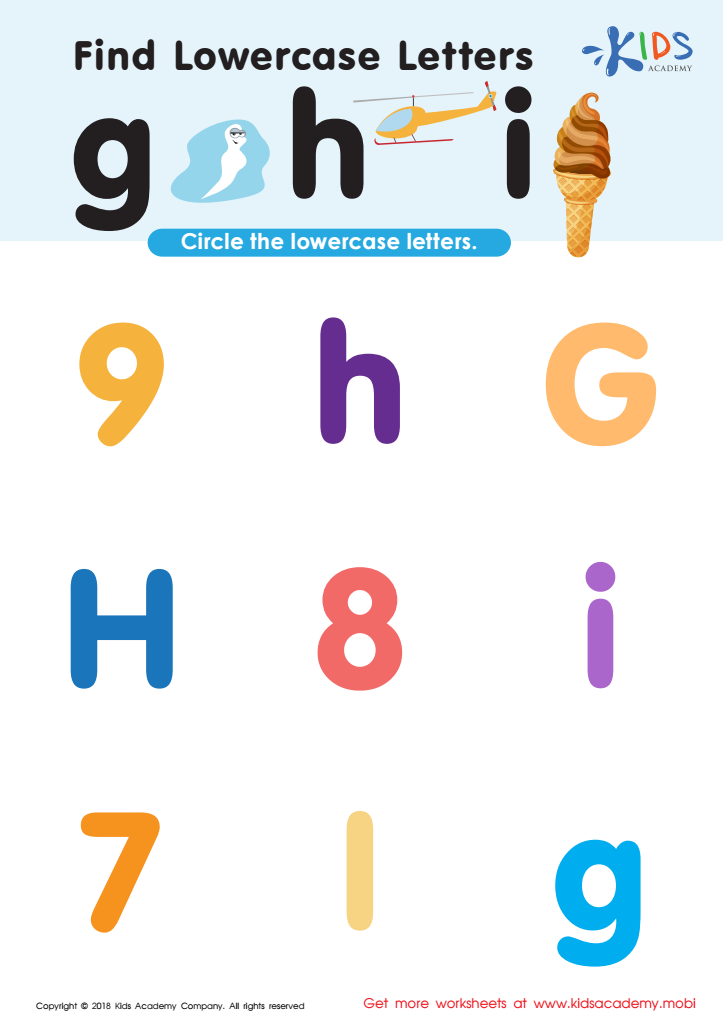
Find Lowercase Letters g h i Worksheet
 Assign to My Students
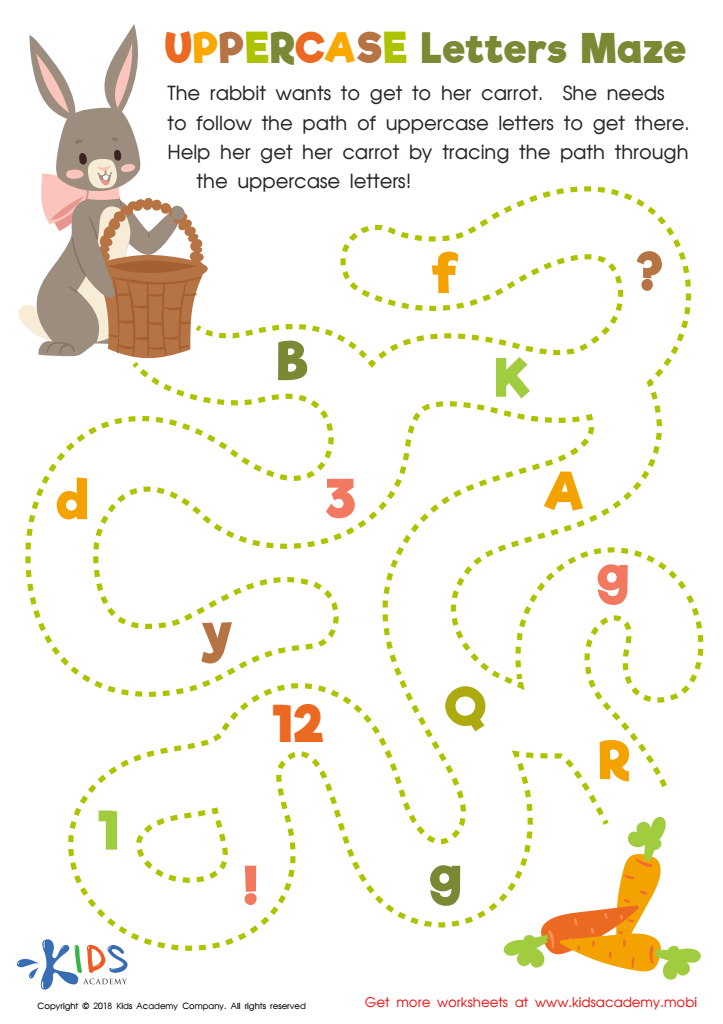
Uppercase Letters Maze Worksheet
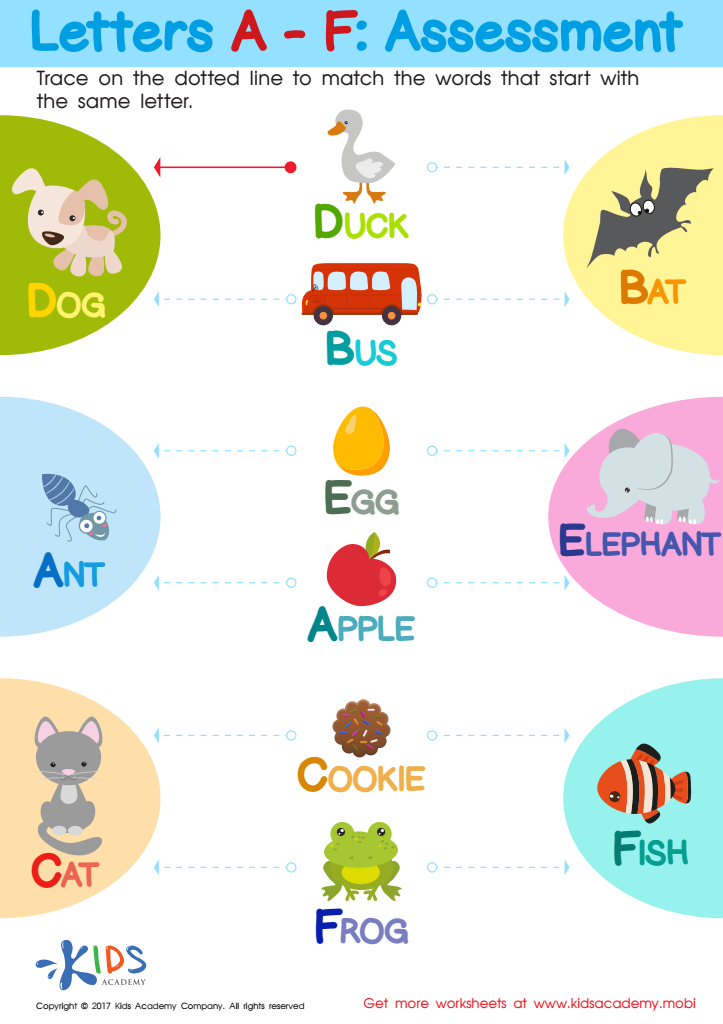
Letters A - F Worksheet
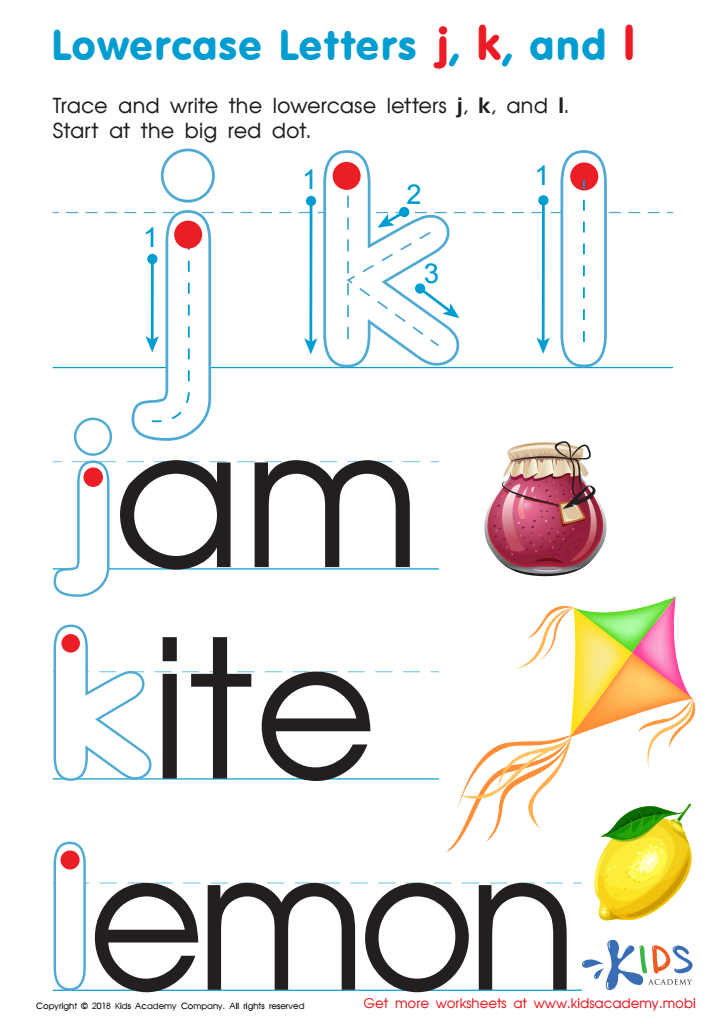
Lowercase Letters j k l Worksheet
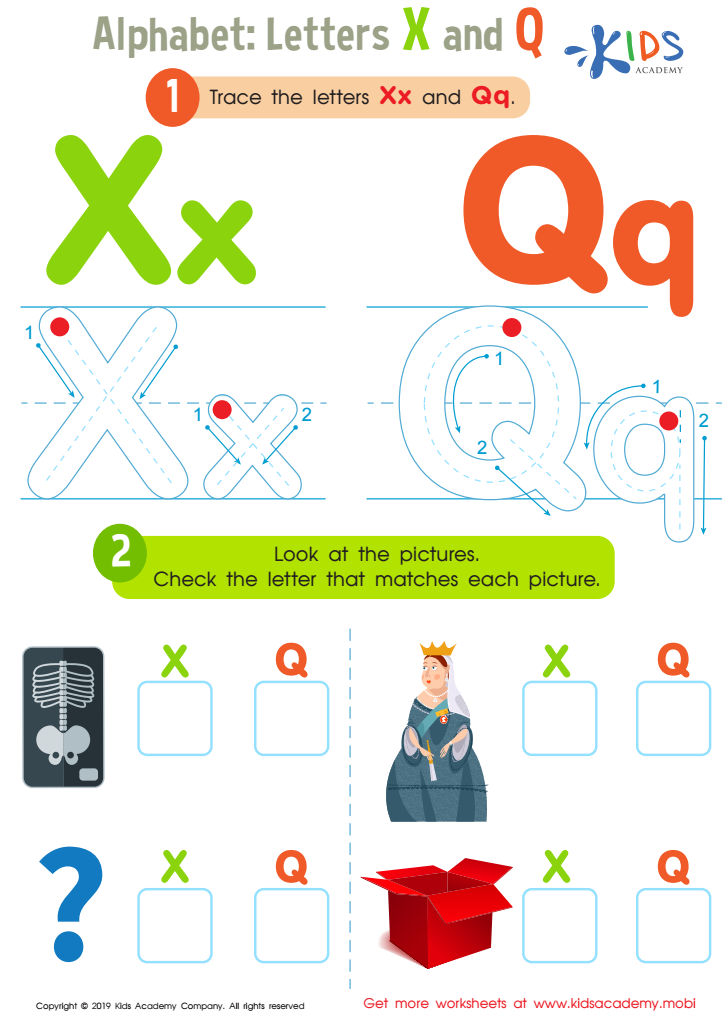
Letters X and Q Tracing Worksheet
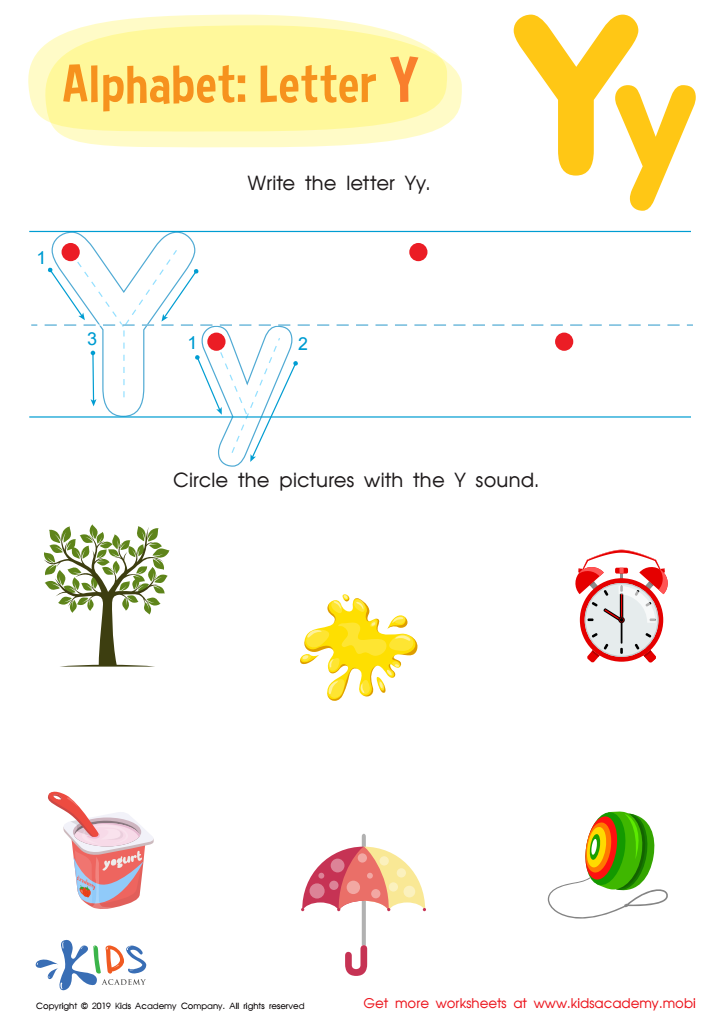
Letter Y Tracing Worksheet








Alphabet sequencing and letter recognition are foundational skills that significantly impact a child's literacy development between the ages of 3 and 7. At this crucial stage, children are starting to develop their reading and writing abilities. Recognizing letters and understanding their order not only lays the groundwork for reading fluency but also enhances spelling and writing skills.
For parents and teachers, fostering a strong foundation in alphabet sequencing is essential as it aids in cognitive development. Children who can easily recognize and order letters are better equipped to decode words, improving their confidence and enthusiasm towards reading. Engaging with alphabet activities, such as songs, games, and hands-on exercises, keeps learning fun and interactive, making the knowledge more memorable.
Moreover, mastering letter recognition and sequencing builds essential executive functioning skills, like critical thinking and problem-solving, which are invaluable across all areas of learning. Practicing these skills together at home or in class strengthens the bond between adult and child, as it often involves shared activities and discussions about letters in the real world. Ultimately, an investment in these early literacy skills creates lifelong readers and learners, setting the stage for future academic success.







