Motor skills development Letter Recognition Worksheets for Ages 3-7
5 filtered results
-
From - To
Explore our Motor Skills Development Letter Recognition Worksheets for ages 3-7, designed to blend fun and foundational learning. These colorful, engaging worksheets help young learners enhance their fine motor skills while mastering letter recognition. Activities involve tracing, coloring, and matching letters, which simultaneously strengthens hand-eye coordination and dexterity. Perfectly tailored for preschool to early elementary students, our expertly crafted resources ensure that children build confidence as they grasp essential reading readiness skills. Ideal for both home and classroom settings, these worksheets offer enjoyable practice that sets the stage for successful early literacy development.

Letter H Tracing Page
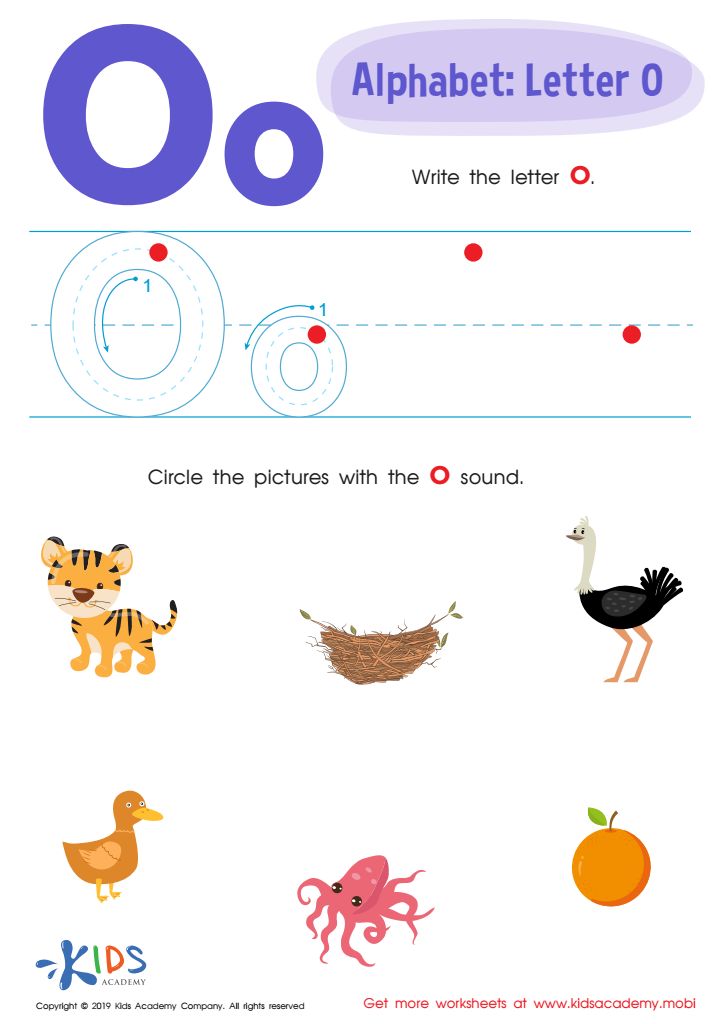
Letter O Tracing Worksheet
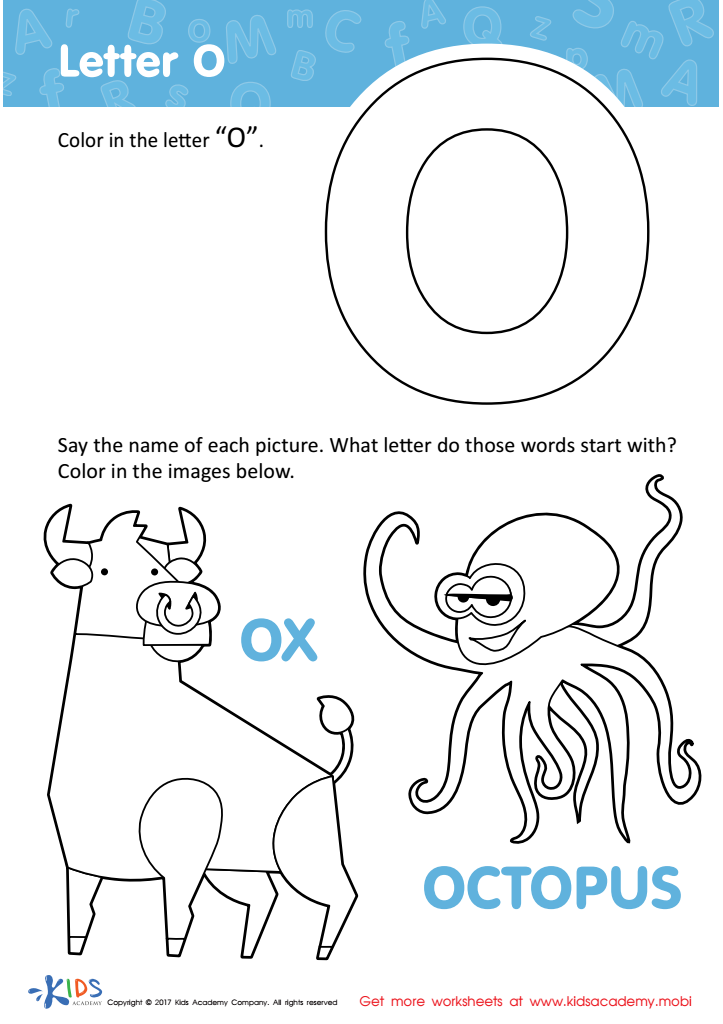
Letter O Coloring Sheet
 Assign to My Students
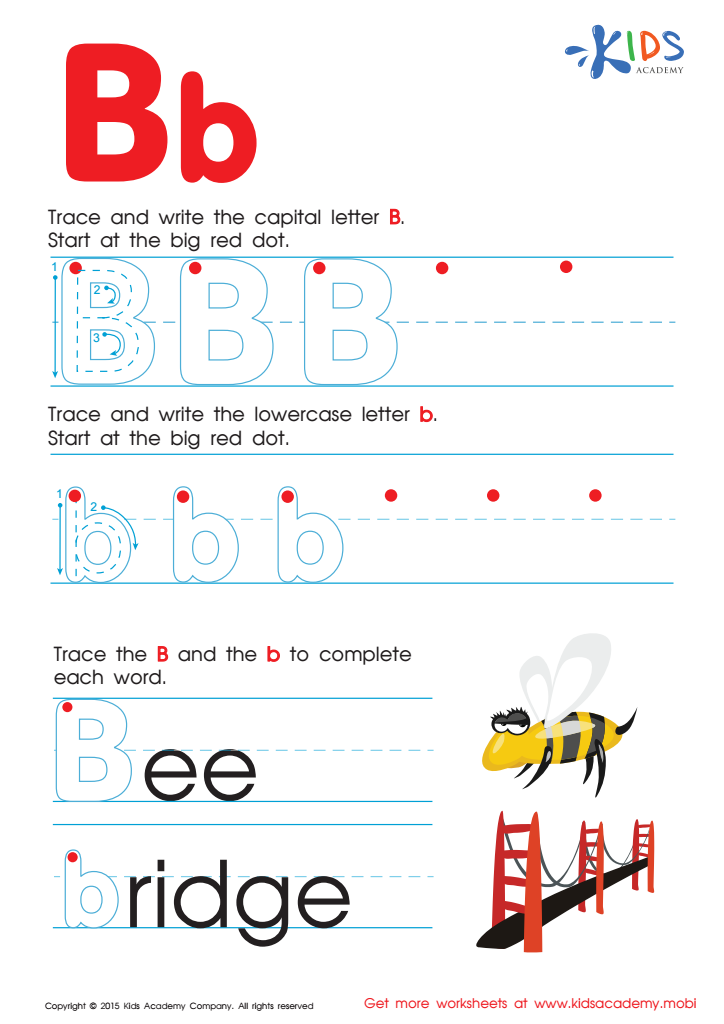
Letter B Tracing Page
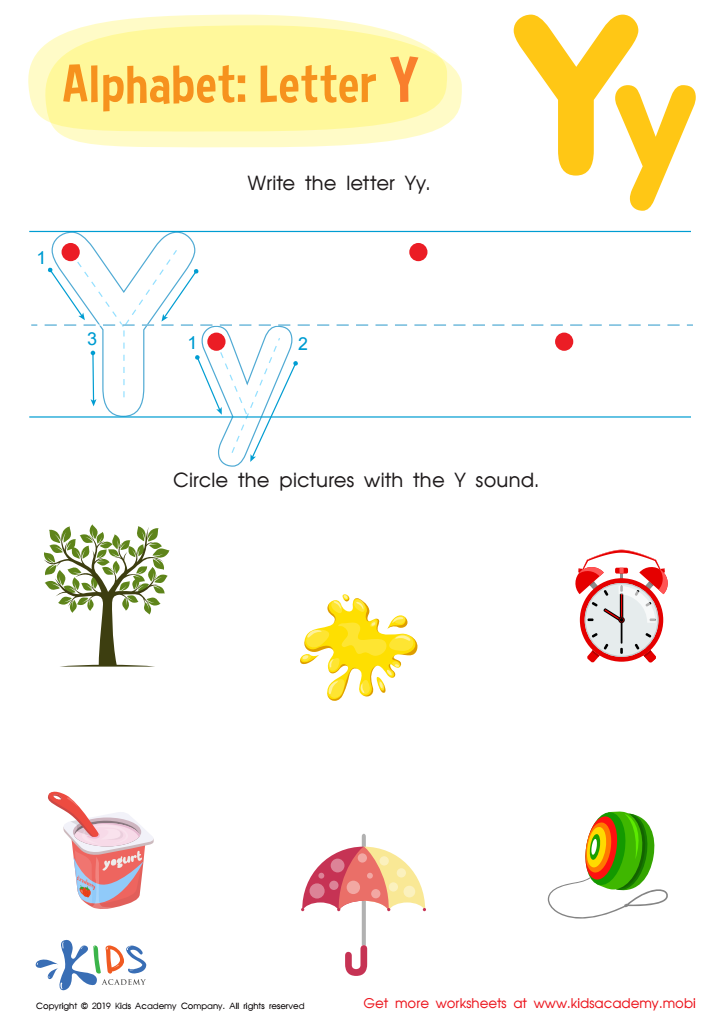
Letter Y Tracing Worksheet








Motor skills development and letter recognition are foundational pillars in early childhood education, crucial for children aged 3-7. Parents and teachers should prioritize these skills as they lay the groundwork for academic achievement and overall development.
Motor Skills Development: Fine motor skills, like gripping a pencil or manipulating small objects, and gross motor skills, like running and jumping, enhance children's physical coordination and dexterity. Proficient motor skills enable clearer handwriting, faster learning of self-help skills (like buttoning clothes), and greater independence. They also promote cognitive development through activities that require hand-eye coordination, such as puzzles and building blocks.
Letter Recognition: Recognizing letters is a vital step toward reading, a key component of literacy. Being able to identify letters leads to understanding phonics, where children learn the sounds associated with each letter. This skill accelerates word recognition and spelling abilities, fostering reading fluency and comprehension. Early familiarity with letters cultivates a child’s confidence, making the transition to formal schooling smoother and more effective.
Investing in these skills can significantly impact a child’s academic journey. It equips them with critical tools to communicate, comprehend, and respond to their environment more effectively, setting a solid foundation for lifelong learning and success. Hence, parents and teachers must actively engage in and support activities that nurture motor skill development and letter recognition.







