
Phonics skills development Vowels Worksheets for Ages 3-7
5 filtered results
Difficulty Level
Grade
Age
-
From - To
Subject
Activity
Standards
Enhance your child's phonics skills with our engaging Vowels Worksheets designed for ages 3-7! These worksheets focus on helping young learners recognize, understand, and utilize vowels through fun and interactive activities. Each worksheet is tailored to boost phonemic awareness and foster early reading abilities, ensuring a solid foundation in literacy. With colorful illustrations and age-appropriate challenges, children will enjoy mastering vowel sounds, as they trace, identify, and practice writing. Our resources are perfect for both homeschooling and classroom settings, providing a fun and effective way to develop essential phonics skills. Start your child's journey to reading success today!
Favorites
With answer key
Interactive
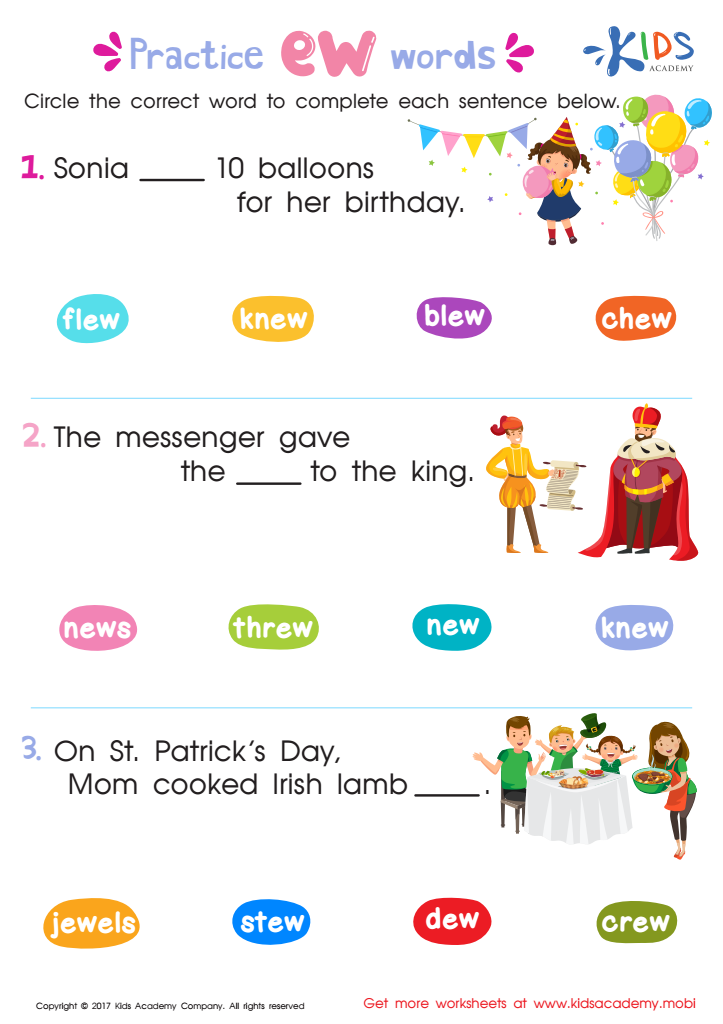
EW Words Worksheet
Practice the diphthong ew and boost your child's vocabulary with this fun ew words worksheet! Filled with illustrations, it will help your child hone their reading and spelling skills. Plus, the tricky words will make it both enjoyable and rewarding!
EW Words Worksheet
Worksheet
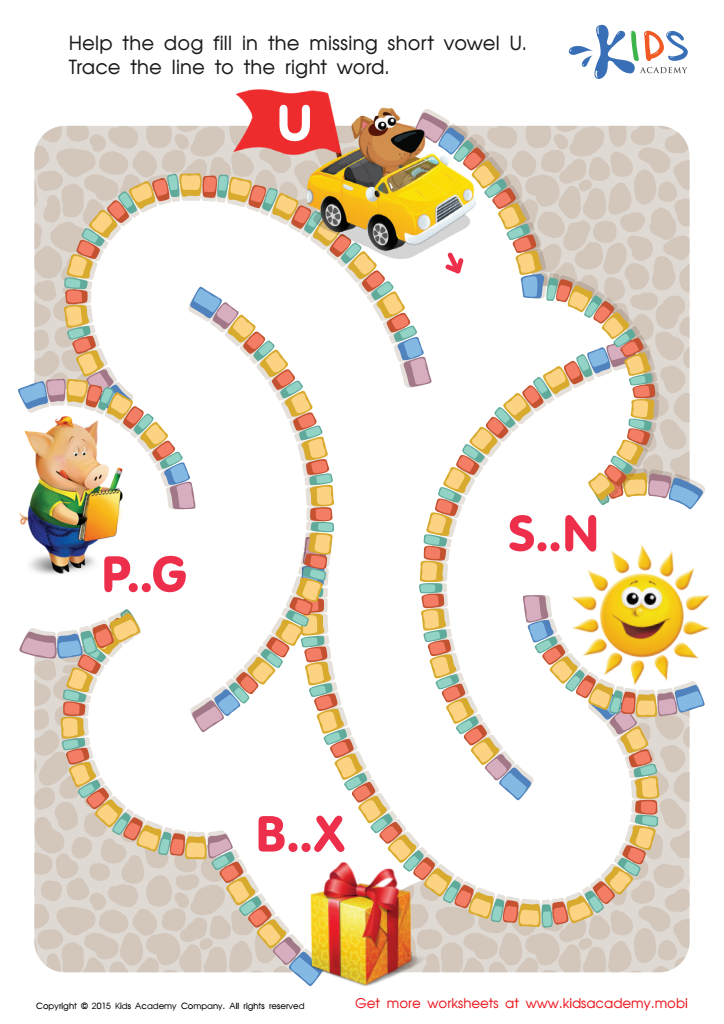
Short Vowel Sound U Worksheet
Practice abc phonics to help young learners link sounds to letters. This free printable phonics worksheet helps your kid learn the short vowel sound U. Guide them through the maze to help the dog complete the word "sun". Make sure they say the word out loud to emphasize the short U sound. Check out more phonics worksheets with mazes here.
Short Vowel Sound U Worksheet
Worksheet
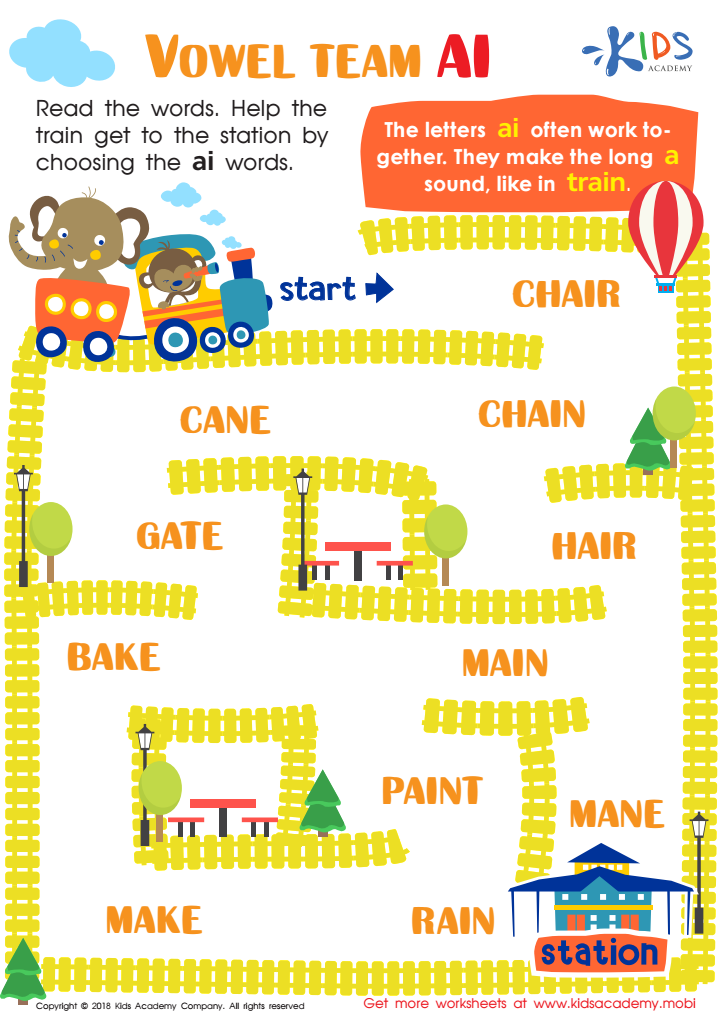
Vowel team ai Worksheet
Kids will have a blast learning about the -ai digraph with this fun worksheet. They'll read words with it and practice their motor skills as they help the animal duo get back to the train station. With success, they'll smile and enjoy the activity!
Vowel team ai Worksheet
Worksheet
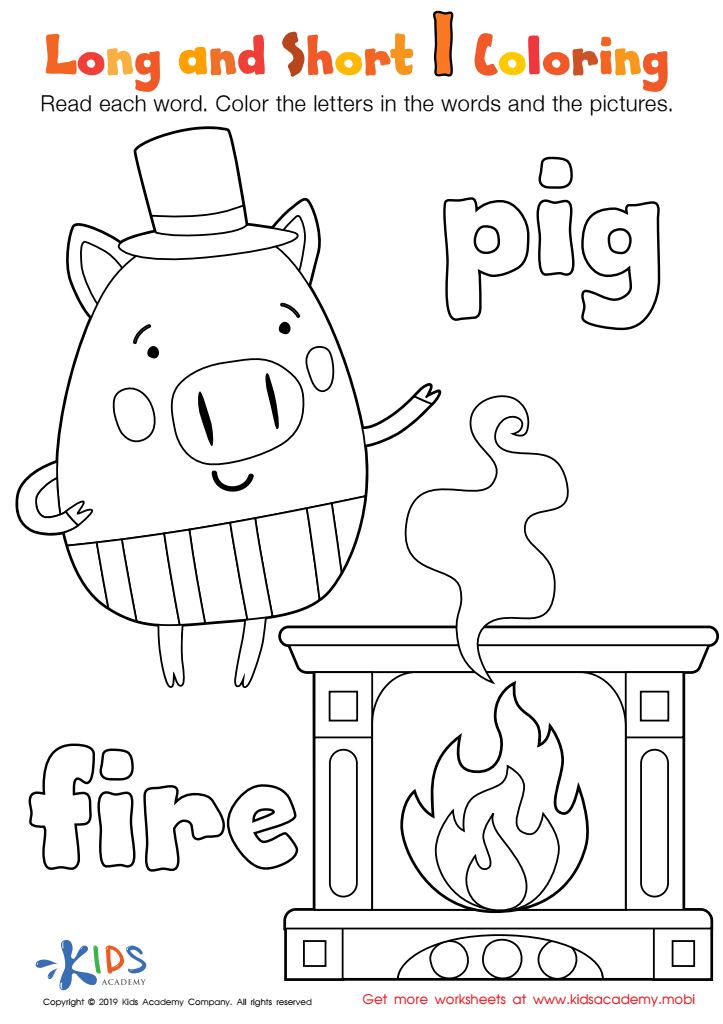
Long and Short I Worksheet
Print the worksheet and have the students read "pig" and "fire". Check for understanding the difference between long and short vowels. Color in words and pictures to make learning phonics fun! This exercise is perfect for introducing the topic to your students.
Download (PDF)
 Assign to My Students
Assign to My Students
Long and Short I Worksheet
Worksheet
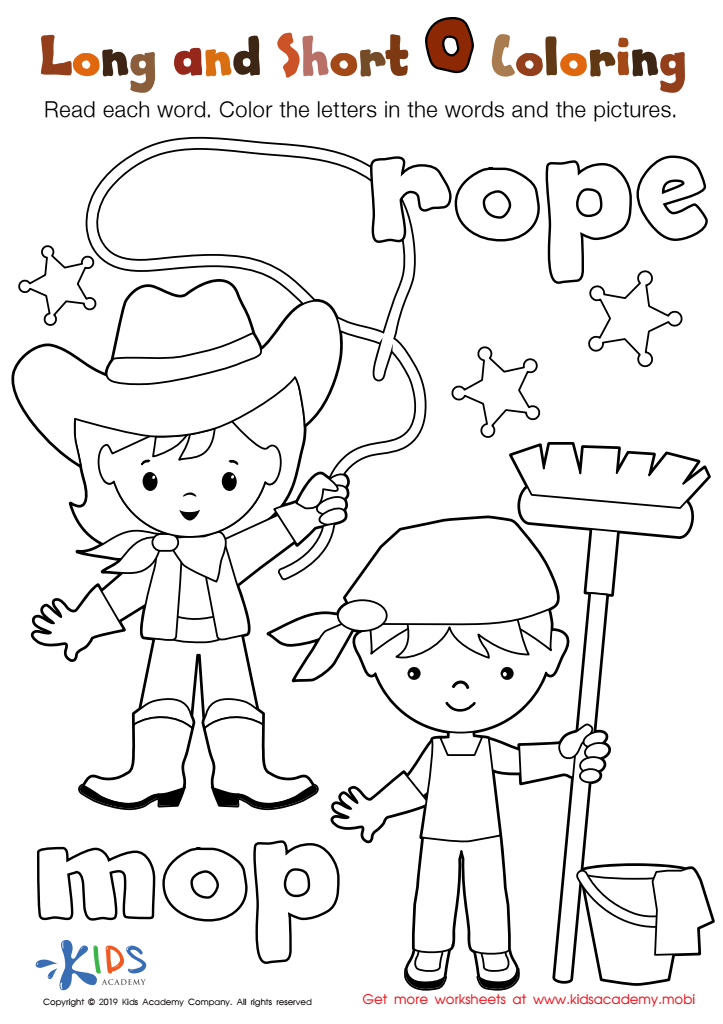
Long and Short O Worksheet
Help your students recognize the difference between long and short «Os» with this fun printout. Let them read and color-in "rope" and "mop" simultaneously. Listen to the different sounds, then color the words and pictures. Great for classes, it'll make your phonics lesson memorable and enjoyable.
Download (PDF)
Assign to My Students
Assign to My Students
Long and Short O Worksheet
Worksheet
Join Kids Academy for Free
Who is primarily going to use this learning content?





Phonics skills development, particularly focusing on vowels, is crucial for children aged 3-7 as it forms the bedrock of their literacy journey. Understanding vowels helps young learners decode and pronounce words, fostering their reading abilities from an early age. Vowels are the building blocks of syllables and words; being able to recognize and articulate them empowers children to tackle more complex vocabulary as they progress.
An early emphasis on vowel sounds enhances not only reading skills but also listening and speaking abilities, contributing to overall language development. As children interact with stories, songs, and phonemic awareness activities, they become more engaged and motivated to learn.
Moreover, the development of phonics skills instills confidence in children, encouraging them to explore language further and express themselves effectively. This early literacy foundation lays the groundwork for academic success and lifelong learning.
For parents and teachers, prioritizing phonics, especially vowels, means actively participating in a child’s formative education and supporting their future communication skills. Engaging in phonics-related activities creates a positive learning environment, fostering curiosity and enthusiasm about reading from a young age. Ultimately, these skills prepare children for successful interactions with the world around them.







