History knowledge 4th of July Worksheets for Ages 3-7
3 filtered results
Difficulty Level
Grade
Age
-
From - To
Subject
Activity
Standards
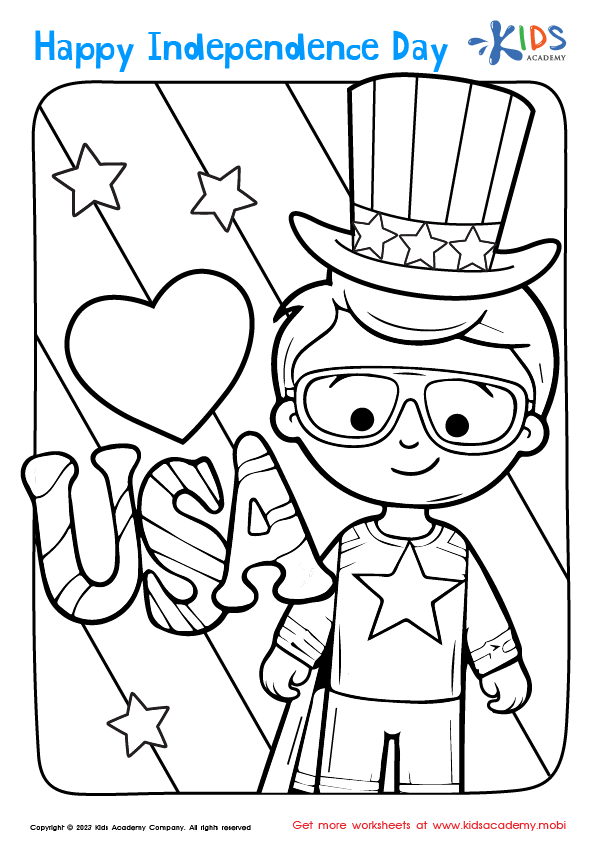
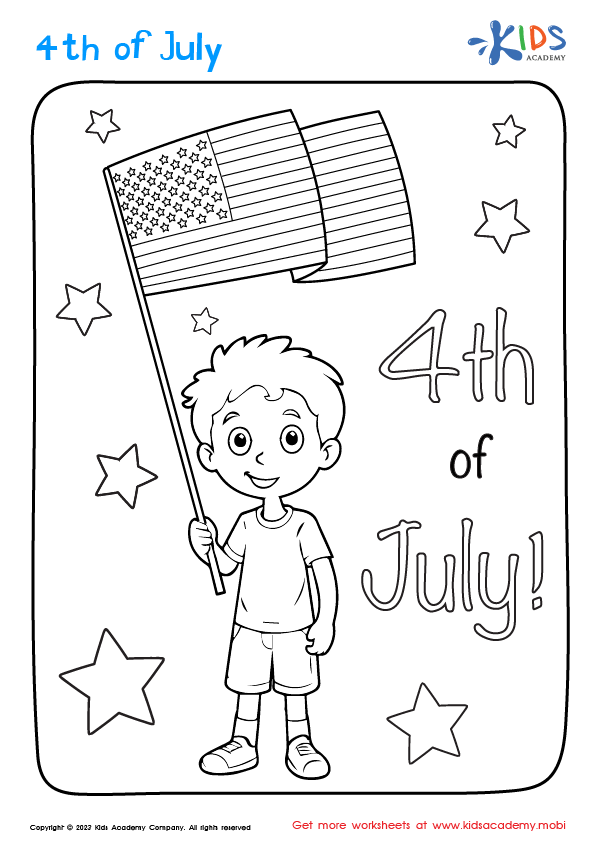
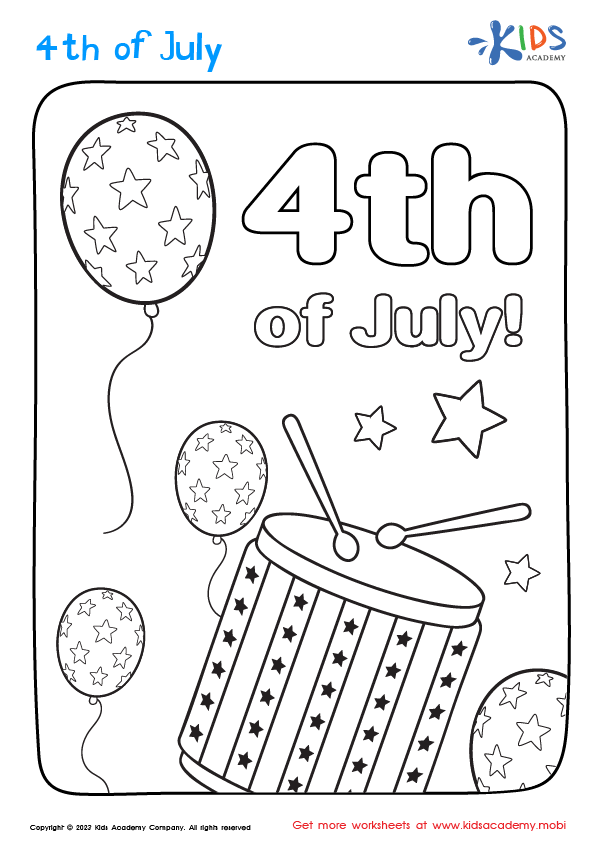
Celebrate Independence Day with our engaging History Knowledge worksheets designed specifically for ages 3-7! These fun and educational resources will immerse young learners in the significance of the 4th of July through vibrant coloring pages, interactive activities, and colorful illustrations. Kids will explore important historical concepts while developing essential skills like creativity, fine motor skills, and critical thinking. Perfect for home or classroom use, our worksheets make learning about American history enjoyable and accessible. Help ignite a passion for understanding past events with these entertaining and informative Independence Day materials. Download now and make history come alive for your little ones!
Favorites
With answer key
Interactive
Join Kids Academy for Free
Who is primarily going to use this learning content?


Understanding the significance of Independence Day, or the 4th of July, is important for children ages 3-7 because it helps them grasp the foundational concepts of history, patriotism, and citizenship. At this age, children are naturally curious and eager to learn about their world. Introducing them to the reasons behind Independence Day fosters a sense of belonging and identity within their country.
Learning about July 4th can also instill values like freedom, courage, and the importance of community. By exploring themes such as the struggle for independence and the idea of working together for a common goal, young children can develop a deeper appreciation for the freedoms they enjoy today.
Furthermore, engaging children in stories, songs, and simple activities related to the 4th of July can make learning enjoyable and memorable. It encourages parents and educators to promote an atmosphere of inquiry and discussion about history, sparking interest in civic knowledge.
Finally, teaching young children about their heritage and history can promote pride in their nation. Overall, fostering historical awareness at an early age can lay the groundwork for responsible citizenship and a lifelong enthusiasm for learning.