Alphabet Learning Worksheets for Ages 3-7
7 filtered results
-
From - To
Unlock the magic of letters with our Alphabet Learning Worksheets for Ages 3-7 from Kids Academy! Designed to spark curiosity and fun, these worksheets are perfect for preschool, kindergarten, and early elementary students. Each activity encourages letter recognition, handwriting practice, and phonetic skills through engaging exercises and colorful illustrations. Ideal for both classroom use and at-home practice, our printable worksheets make learning the alphabet a delightful adventure. Help your child build a strong foundation in reading and writing while exploring the world of letters through creative and interactive tasks. Start their learning journey today with Kids Academy!
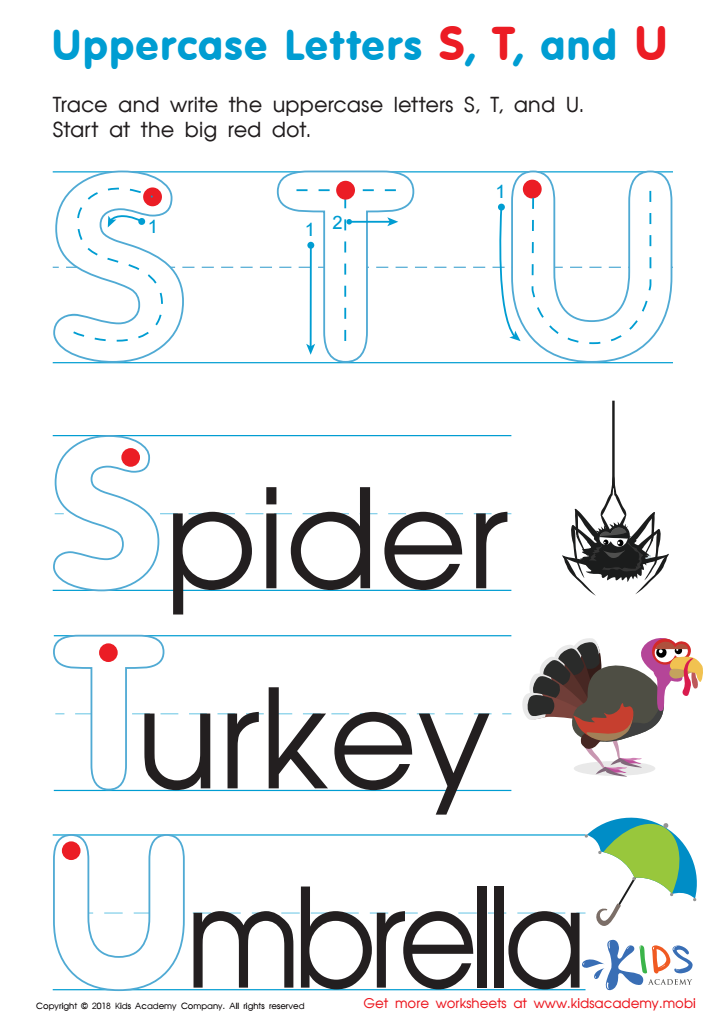
Uppercase Letters S, T, and U Worksheet
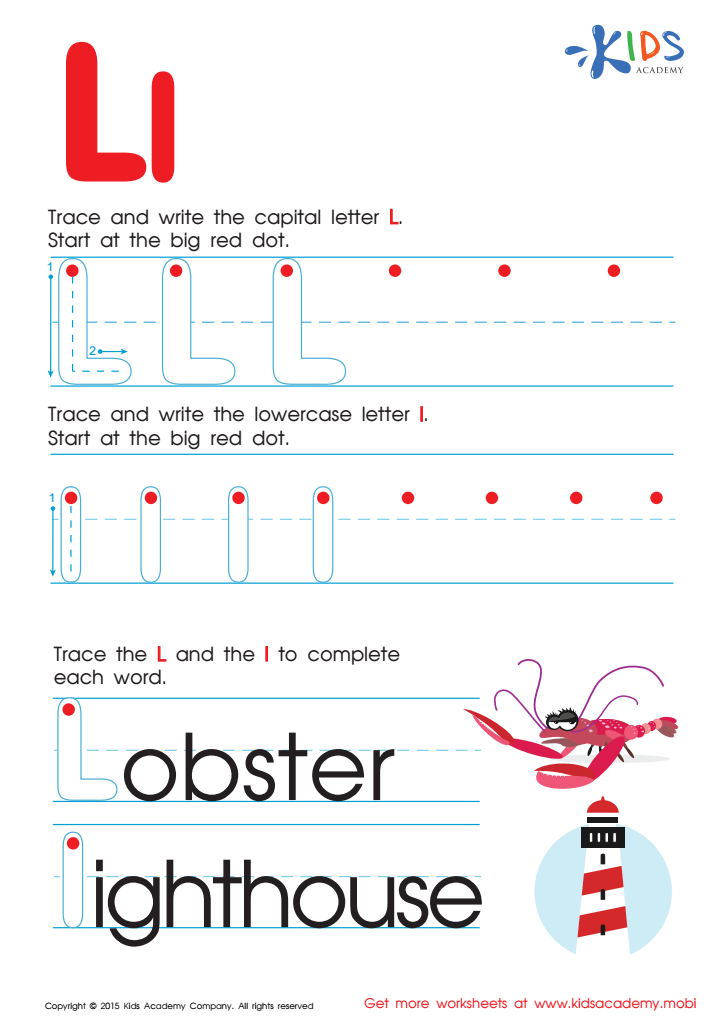
Letter L Tracing Page
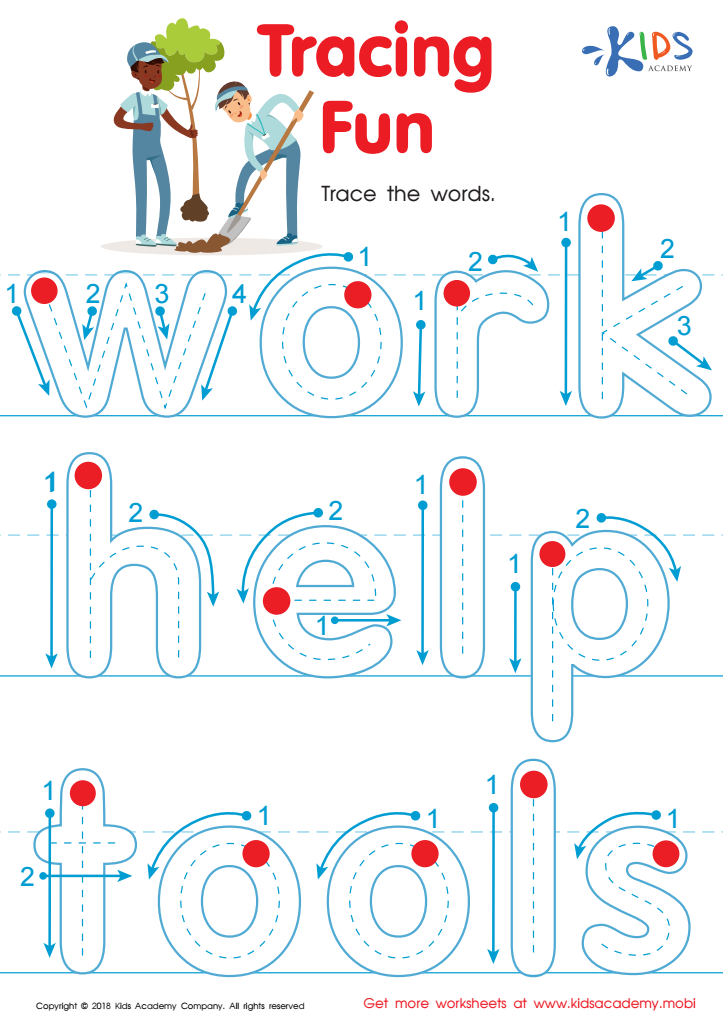
Tracing Fun Worksheet
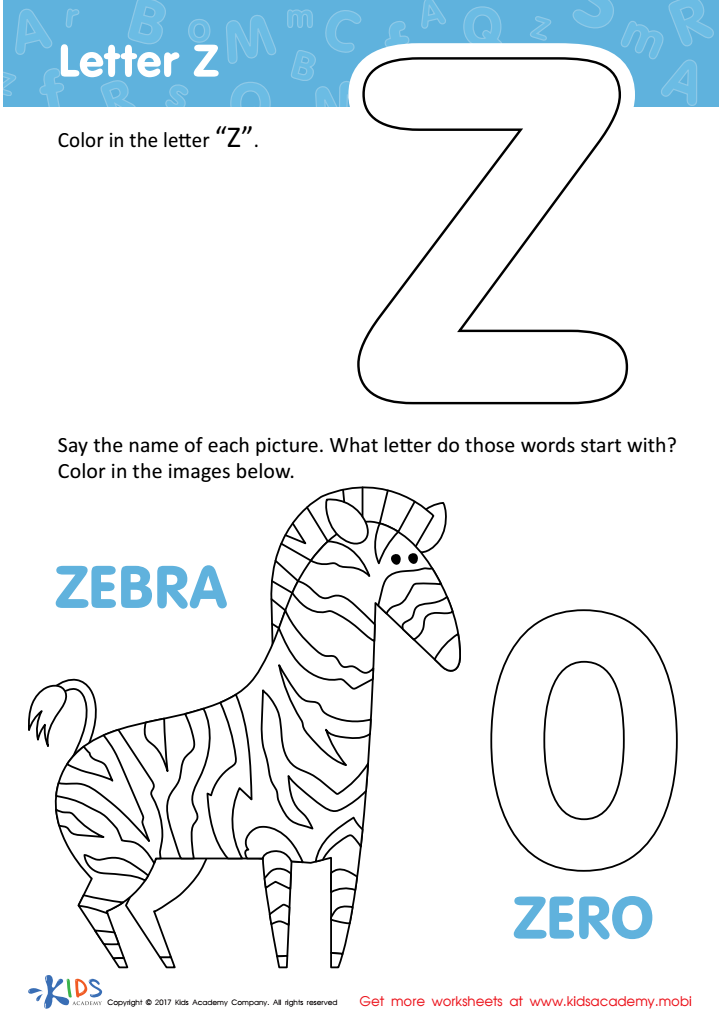
Letter Z Coloring Sheet
 Assign to My Students
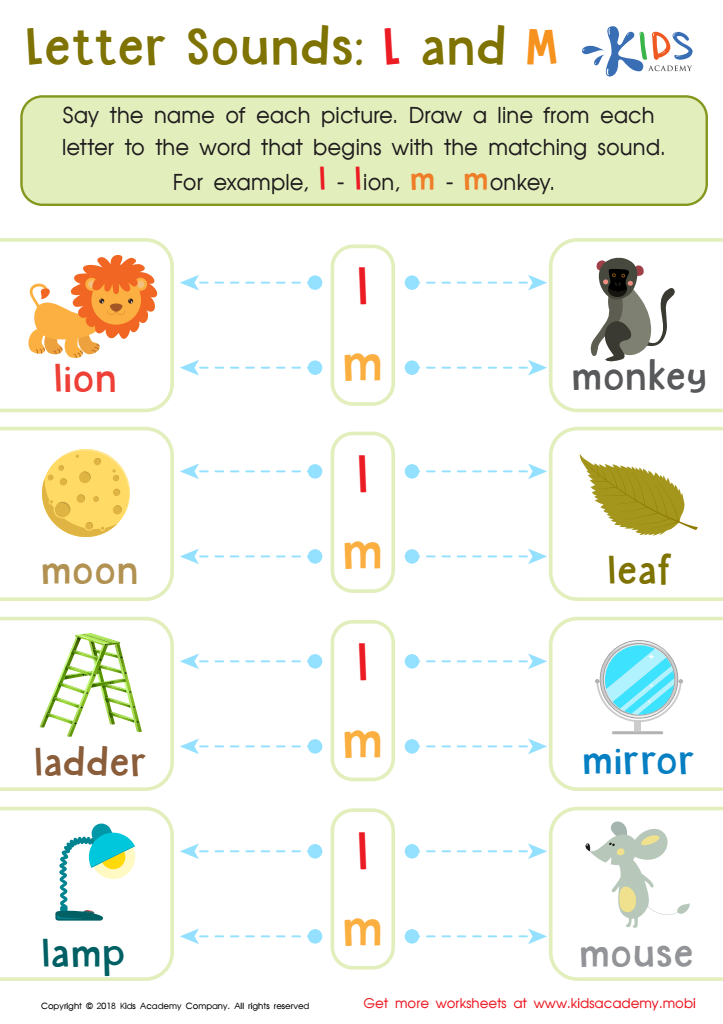
Letter l and M Sounds Worksheet
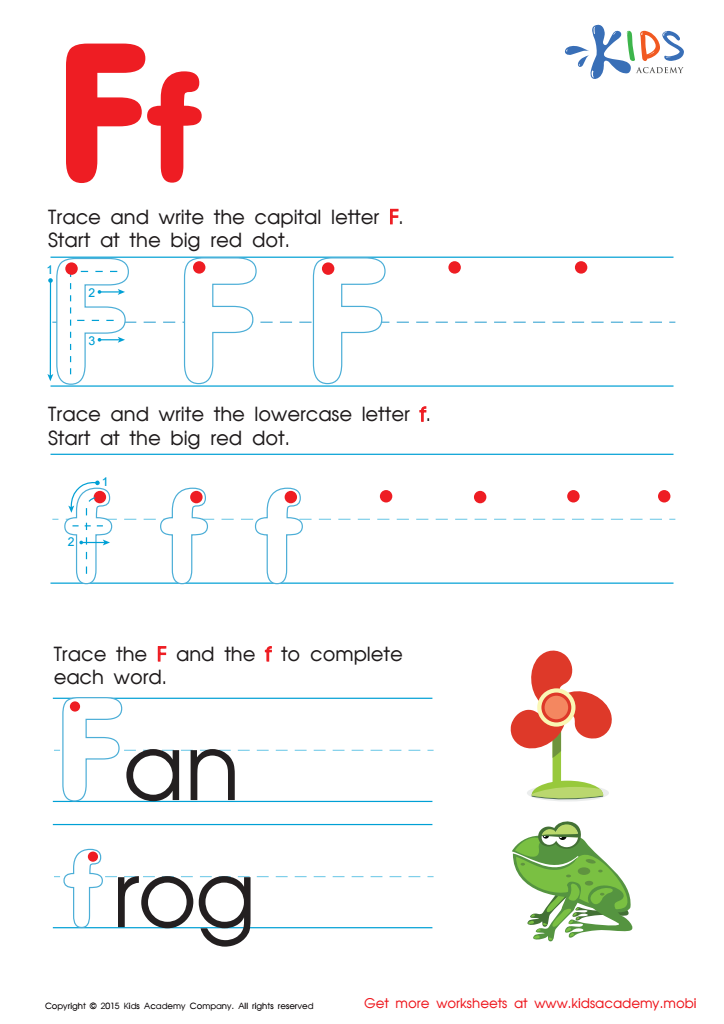
Letter F Tracing Page


.jpg)




Alphabet learning for children aged 3-7 is the foundation upon which future literacy skills are built, making it crucial for parents and teachers to prioritize it. At this formative age, children’s brains are highly receptive and capable of forming complex neural connections rapidly. Early exposure to the alphabet helps them recognize letters, understand their sounds, and eventually combine them to form words. This early mastery enhances their reading skills, which is essential for academic success in all subjects.
This is also a critical period for language development. Children who have strong alphabet knowledge are better equipped to expand their vocabulary and comprehend new information. Additionally, learning letters and sounds in a structured manner fosters critical thinking and problem-solving skills, since children learn to decode and make sense of written language.
Moreover, engaging with the alphabet through songs, games, and hands-on activities can make learning enjoyable, fostering a positive attitude toward education. Early academic wins build children’s confidence and enthusiasm for learning.
Parents and teachers should emphasize alphabet learning to provide children with the essential tools they need to succeed both academically and in everyday communication. Supporting children in mastering the alphabet early on sets them on a path to becoming proficient readers, effective communicators, and lifelong learners.








