


.jpg)



Animal recognition is a crucial aspect of early childhood development for ages 3-7. This foundational skill not only enhances children's cognitive abilities but also fosters empathy and curiosity about the natural world. Understanding different animals helps children develop language skills, as they learn to identify, describe, and categorize a variety of species, enriching their vocabulary and comprehension.
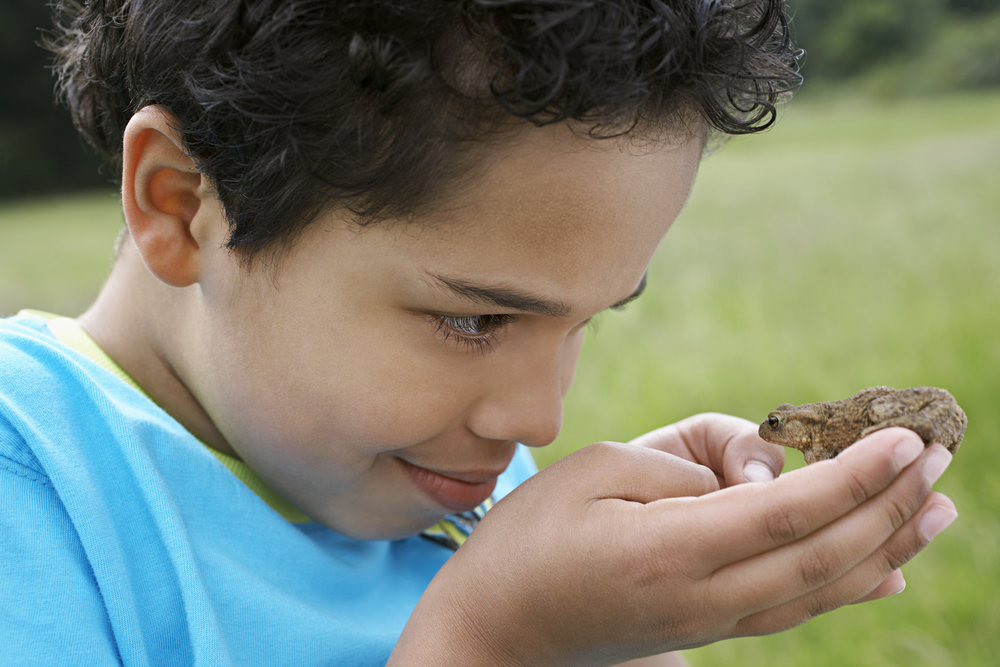
For parents and teachers, nurturing a child's ability to recognize animals can serve as a gateway to discussions about habitats, behaviors, and ecological significance. Engaging with animals through books, pictures, and real-life experiences instills a love for learning and broadens their worldview. Additionally, recognizing animals can enhance social skills as children engage in collaborative play and activities, like visiting zoos or organizing nature walks, encouraging teamwork and communication.
Moreover, this knowledge lays the groundwork for emotional development, as children can personify animals, recognizing feelings and developing empathy. Integrating animal recognition into educational activities can inspire creativity and problem-solving, as children ponder the roles animals play in their ecosystems. Ultimately, prioritizing animal recognition fosters informed, compassionate individuals who respect and care for all living beings, thus enriching their personal and academic journeys.








