
Basic Math understanding Worksheets for Ages 3-7
14 filtered results
Difficulty Level
Grade
Age
-
From - To
Subject
Activity
Standards
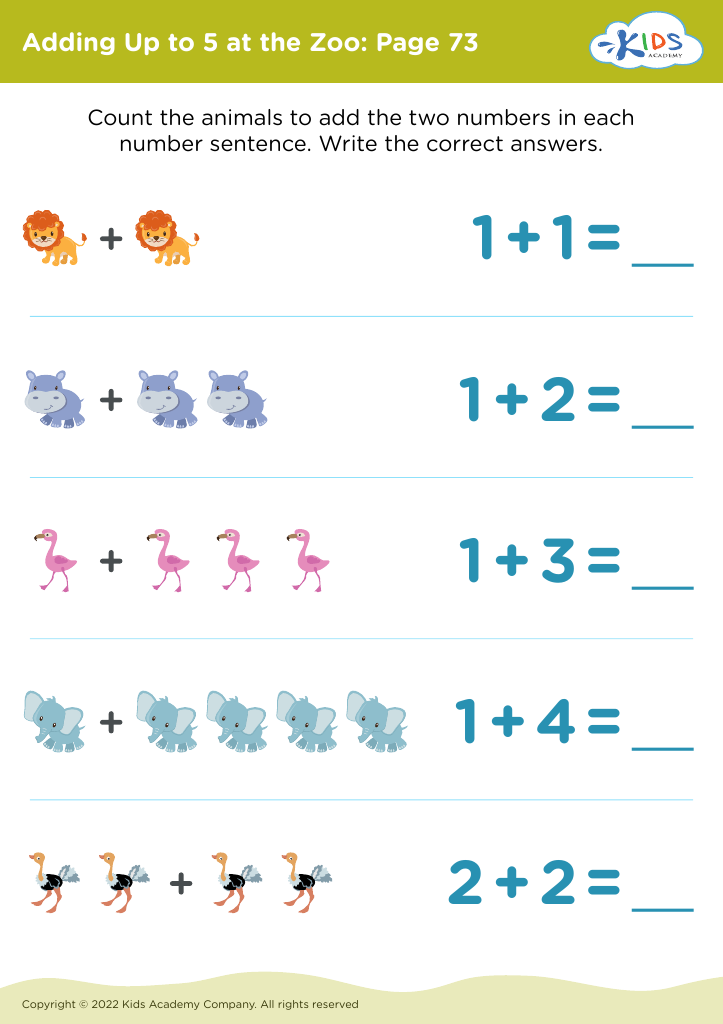
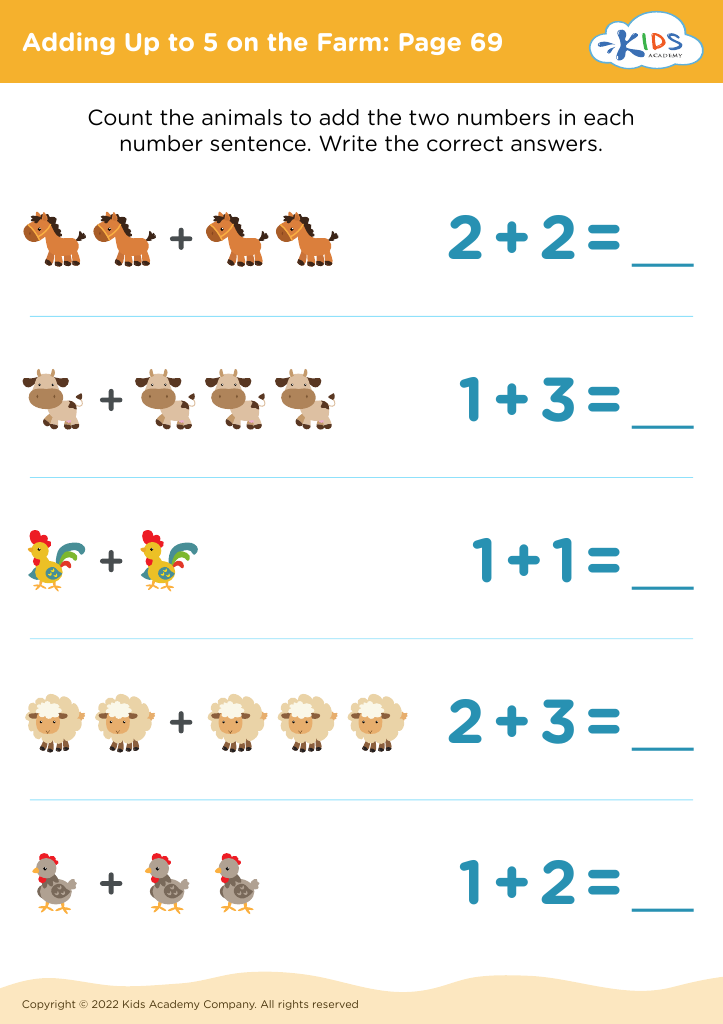
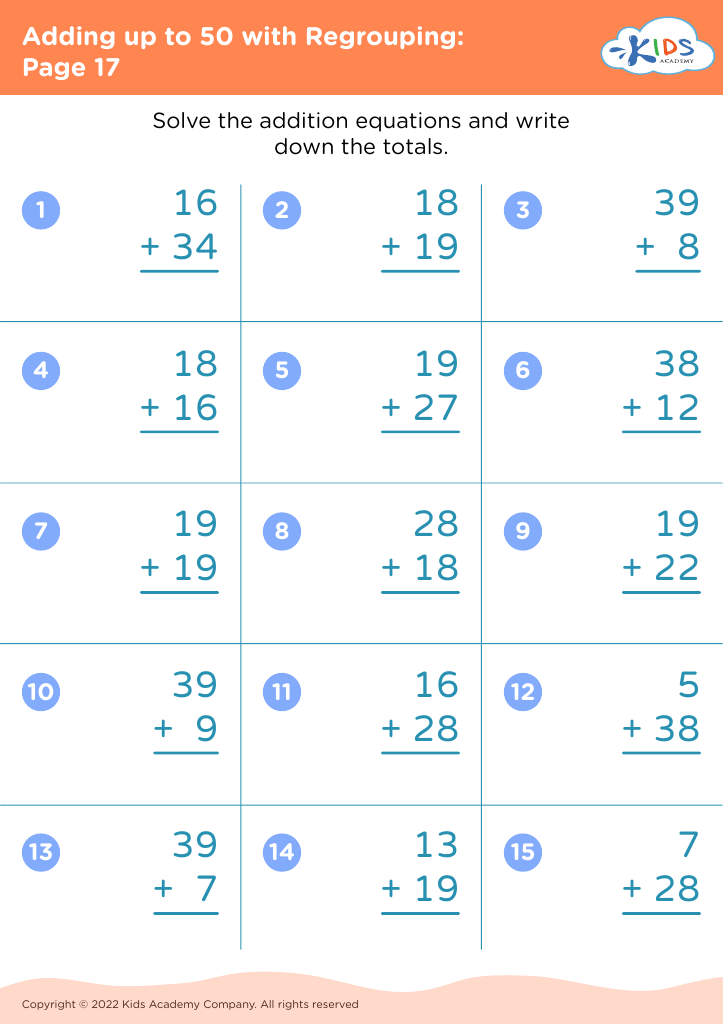
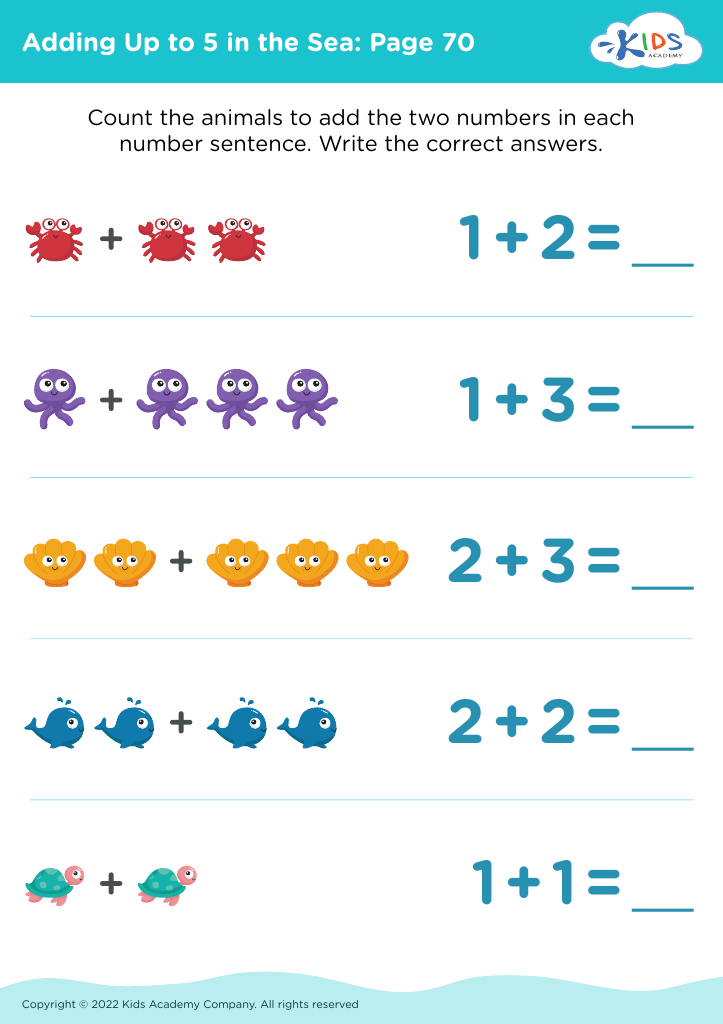
Discover our engaging Basic Math Understanding Worksheets designed for children aged 3-7! These colorful, interactive worksheets introduce fundamental math concepts such as counting, addition, subtraction, and number recognition in a fun and approachable way. Tailored specifically for young learners, each activity encourages exploration and problem-solving skills while nurturing their love for numbers. With a variety of themes and formats, our worksheets makes learning math a joyful experience both at home and in the classroom. Perfect for parents and educators alike, empower your child’s early mathematical journey with our specially designed resources that make learning essential skills delightful and effective!
Favorites
With answer key
Interactive
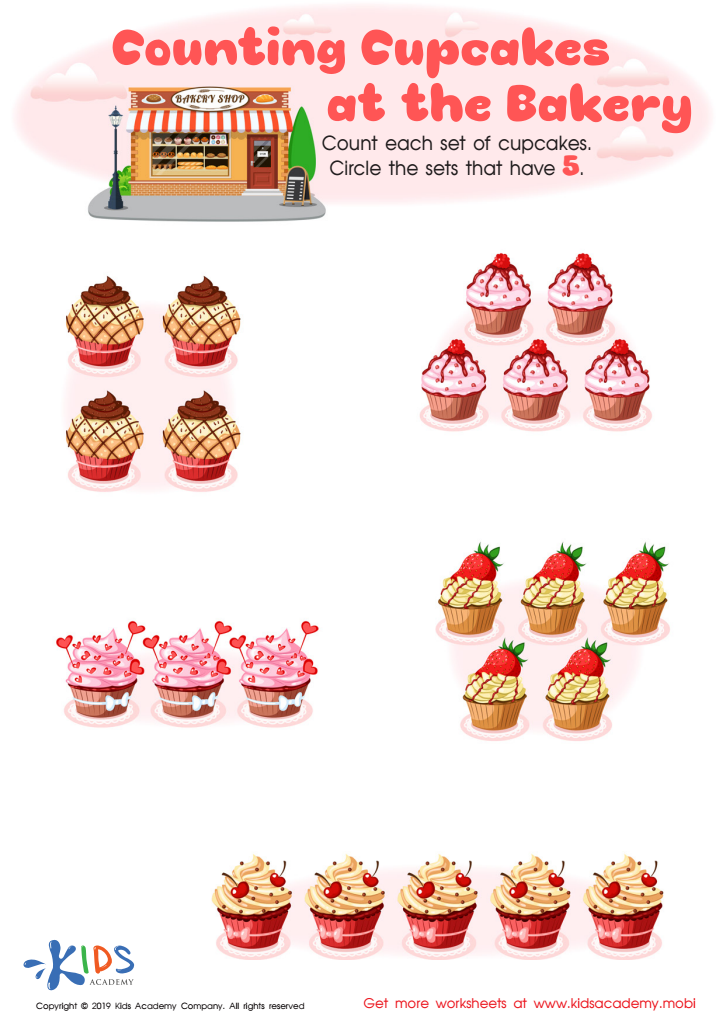
Counting Cupcakes Worksheet
This fun worksheet for preschoolers uses cupcakes to teach counting. Kids must circle the groups of cupcakes that add up to 5. The delicious treats make learning fun and engaging!
Counting Cupcakes Worksheet
Worksheet
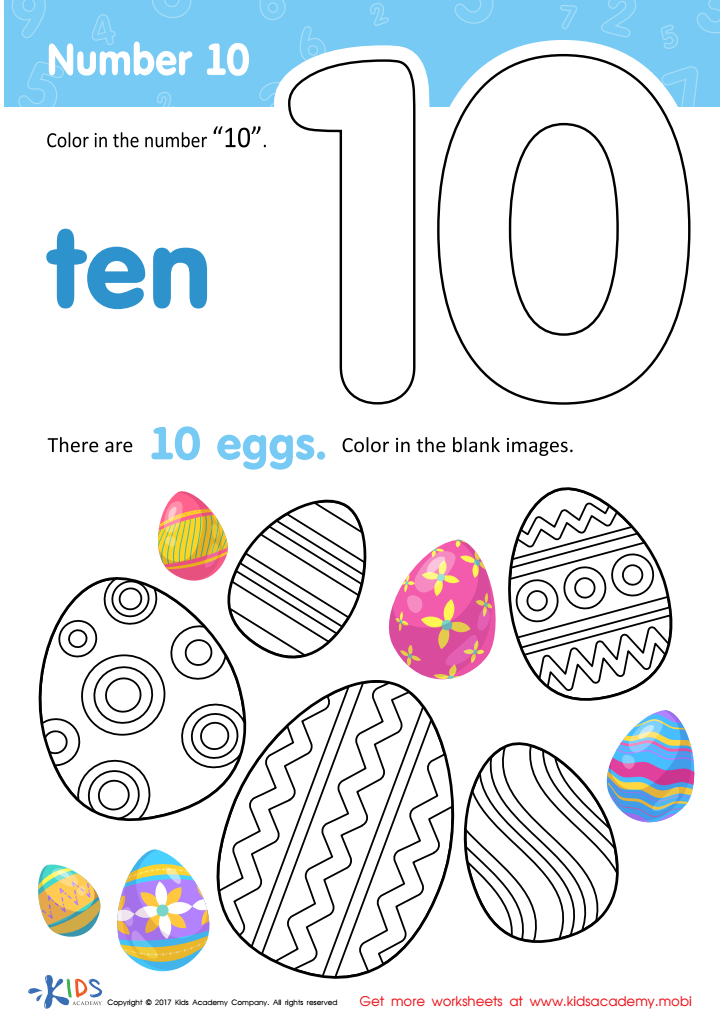
Number 10 Printable
Easter eggs are a great way to combine creativity and learning! Help your child explore the number 10 with our fun coloring page. The intricate designs will spark their imagination and fuel their artistic side, while they practice important numeracy basics. Get creative with eggs and enjoy the fun, no matter the time of year!
Download (PDF)
 Assign to My Students
Assign to My Students
Number 10 Printable
Worksheet
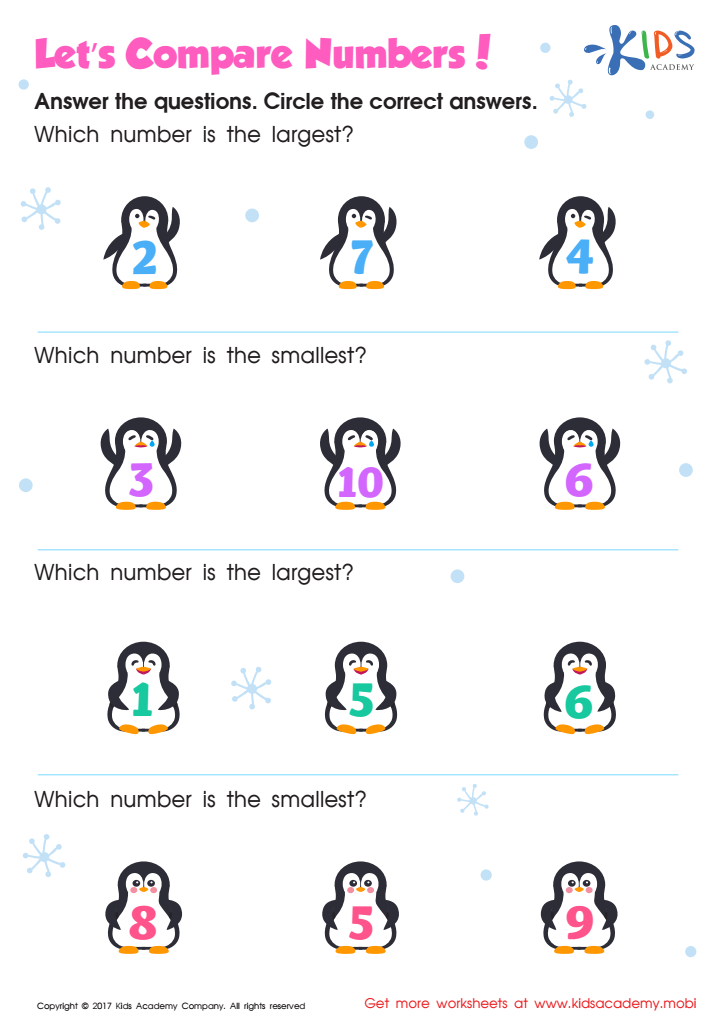
Comparing Numbers 1–10 Worksheet Kindergarten
Help your child sort out numbers 1-10 with this fun worksheet! They'll practice comparing numbers and boost their number sense. Plus, it features cute little penguins with numbers on their bellies - they make learning even more exciting!
Comparing Numbers 1–10 Worksheet Kindergarten
Worksheet
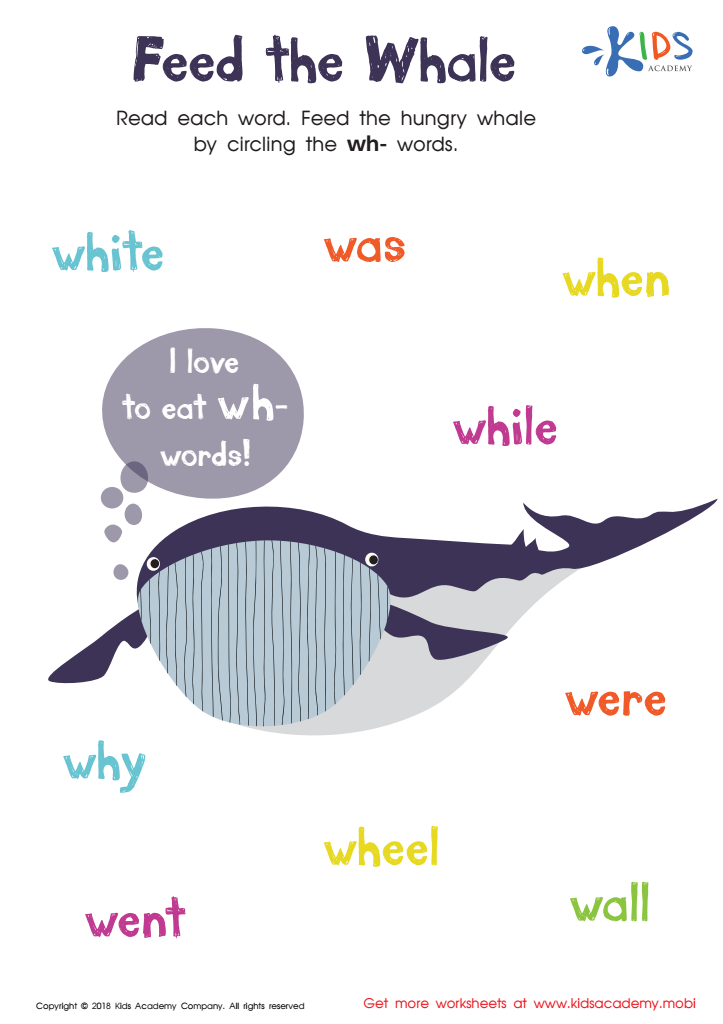
Feed the Whale Worksheet
Help your early reader build beginning consonant and blend recognition with this fun whale worksheet! They'll feed the whale wh- words, circle sight words, and build fine motor skills—all while discriminating between differently colored words.
Feed the Whale Worksheet
Worksheet
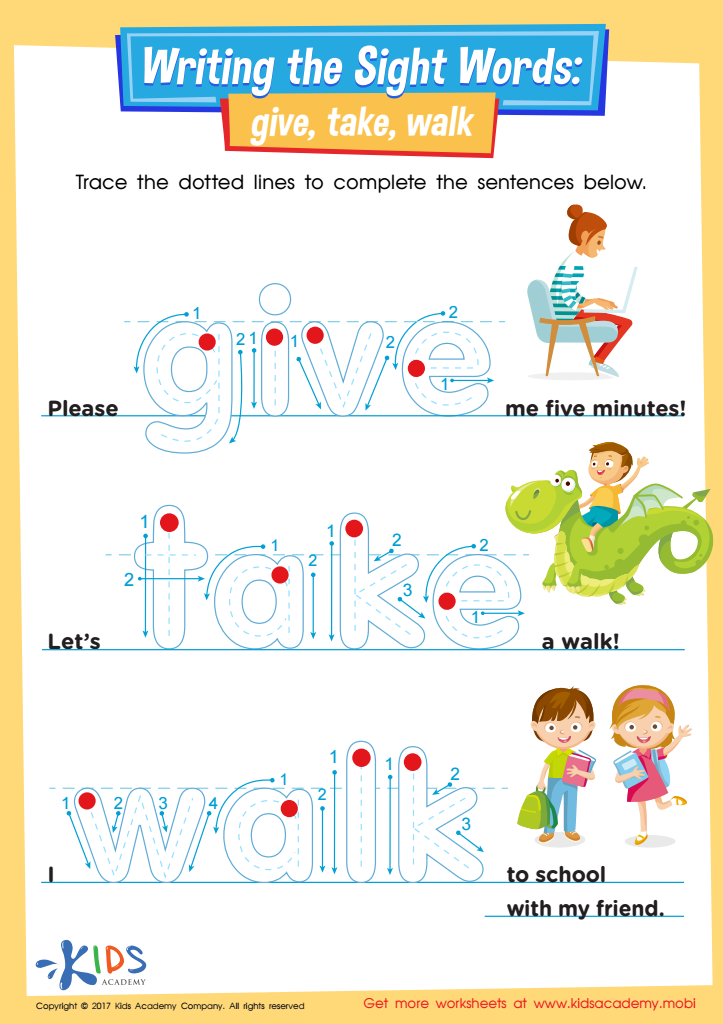
Give, Take, Walk Printable Sight Words Worksheet
Reading aids writing development: this worksheet has your child read sentences and write three sight words: give, take, and walk. It's a great way to strengthen writing skills.
Give, Take, Walk Printable Sight Words Worksheet
Worksheet
Join Kids Academy for Free
Who is primarily going to use this learning content?






Understanding basic math concepts is crucial for children aged 3-7 as it forms the foundation for their future learning and critical thinking skills. During these formative years, children develop not only computational skills but also numerical reasoning and problem-solving abilities. Early math learning contributes significantly to cognitive development, enhancing a child’s ability to think logically, recognize patterns, and understand relationships between numbers and quantities.
Parents and teachers should prioritize basic math understanding because children who receive adequate math exposure at this age are more likely to succeed academically later on. Research indicates that early math skills correlate with greater achievements in school and an increased likelihood of pursuing advanced math and science courses in the future.
Moreover, math understanding is not just about numbers; it's about fostering a positive attitude toward learning and overcoming challenges. Engaging children in fun and interactive math activities can enhance their confidence and curiosity, making it more likely they'll enjoy learning throughout their lives. By nurturing these skills early on, adults can play a crucial role in shaping well-rounded, capable learners who are better prepared for future academic endeavors.








