Color recognition Worksheets for Ages 3-7 - Page 5
121 filtered results
-
From - To
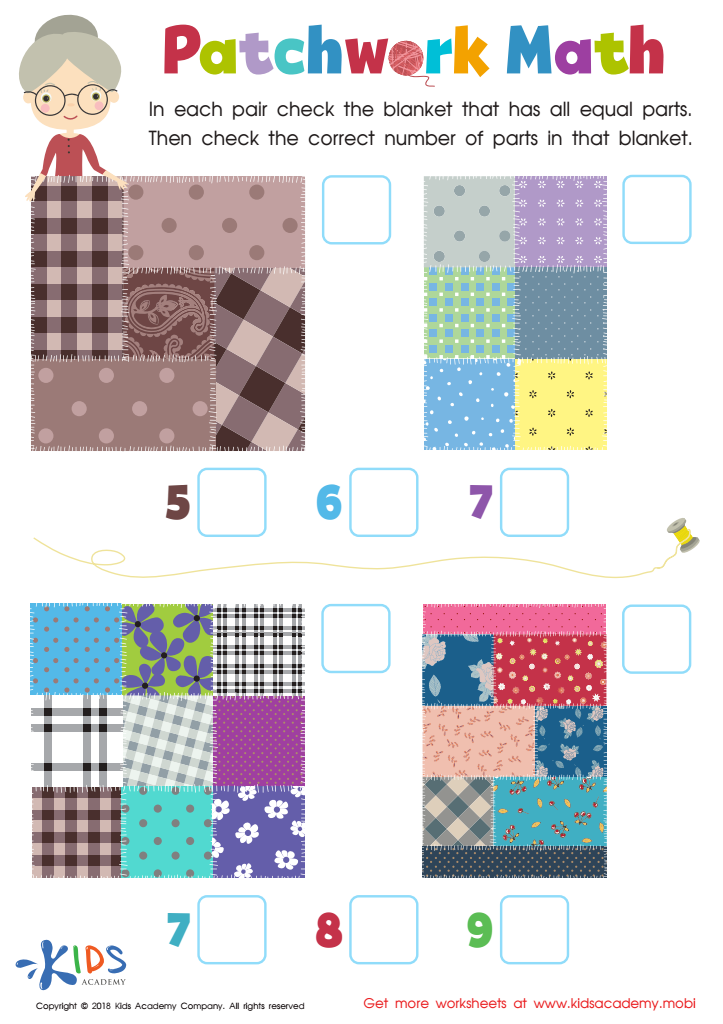
Patchwork Math Worksheet
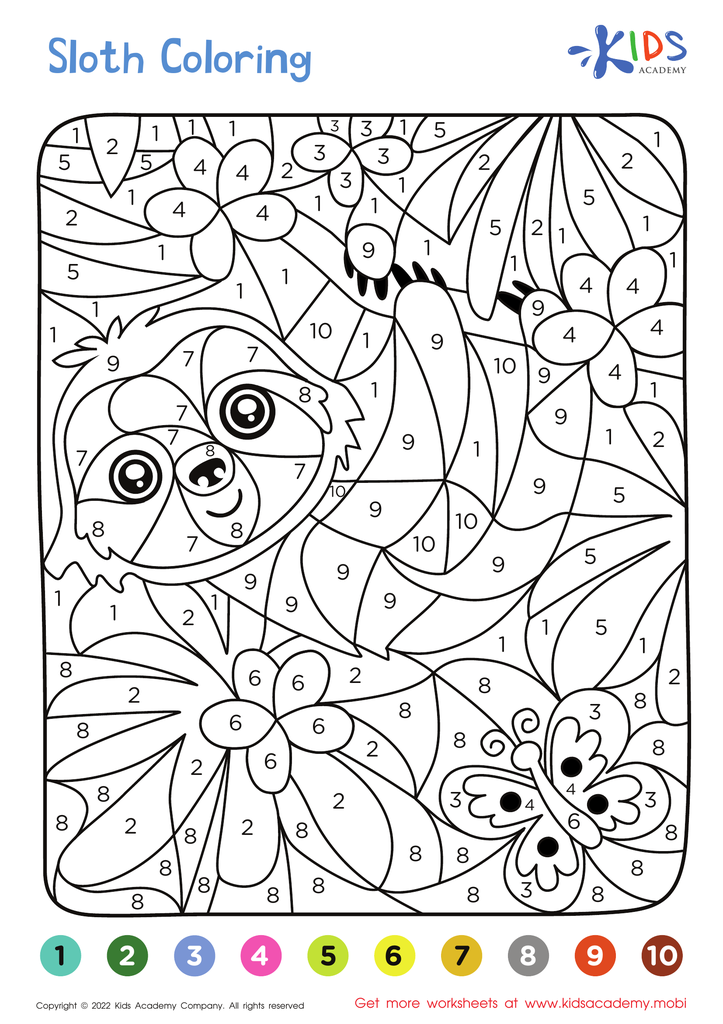
Sloth – Coloring by Numbers
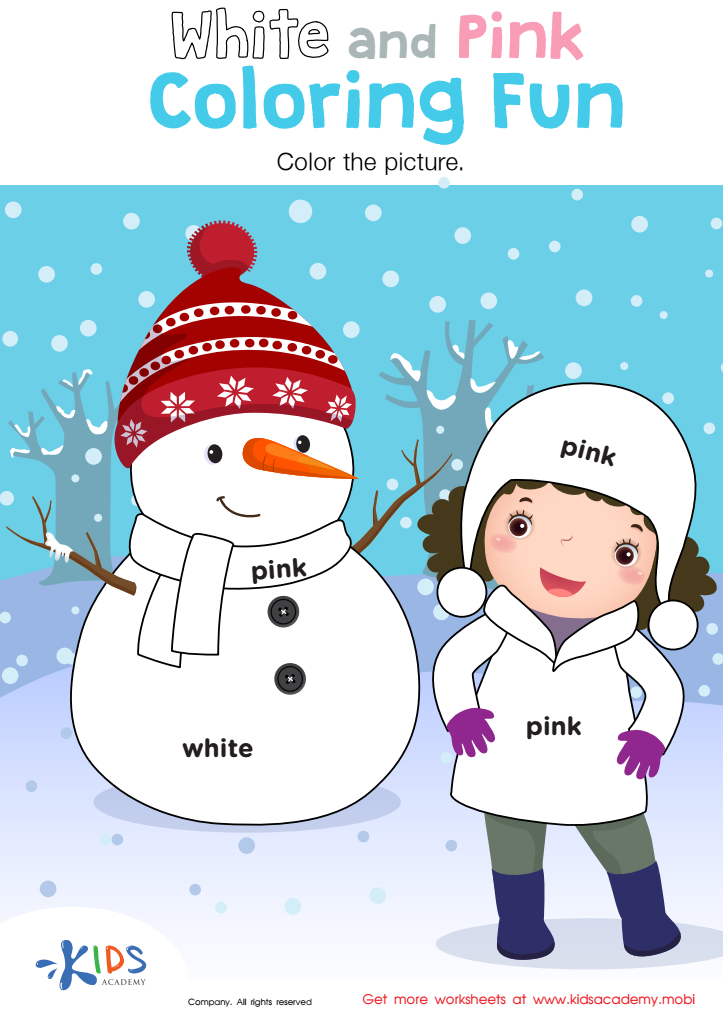
White and Pink Coloring Fun Worksheet
 Assign to My Students
Tower Coloring Page
Assign to My Students
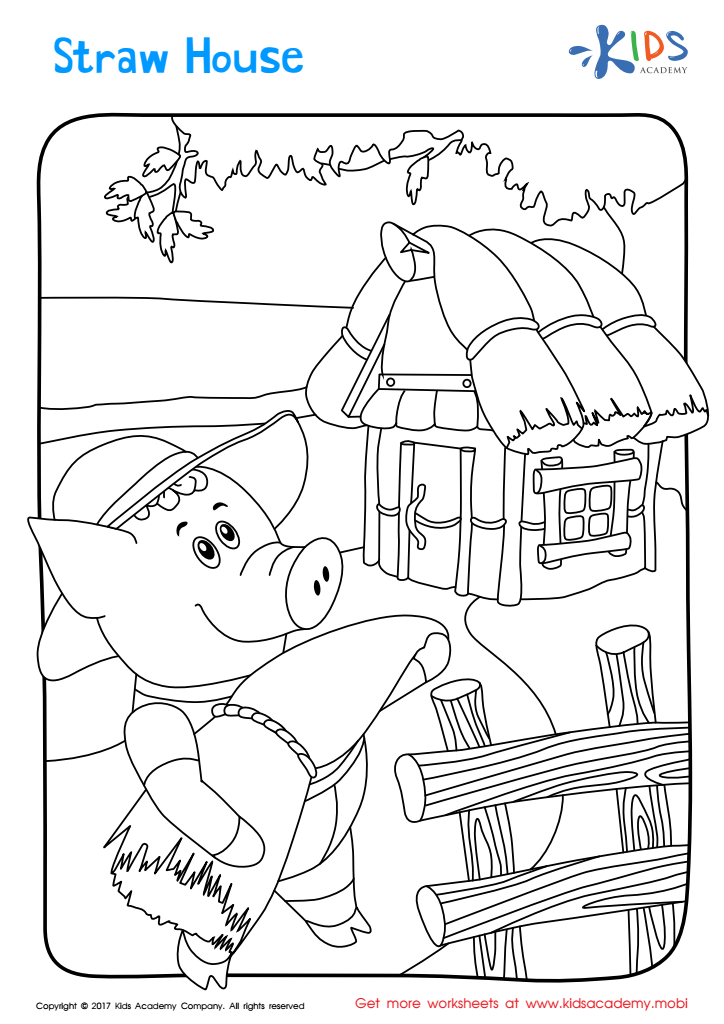
Straw House Printable Coloring Page
Assign to My Students

Great Hornbill Worksheet
Assign to My Students
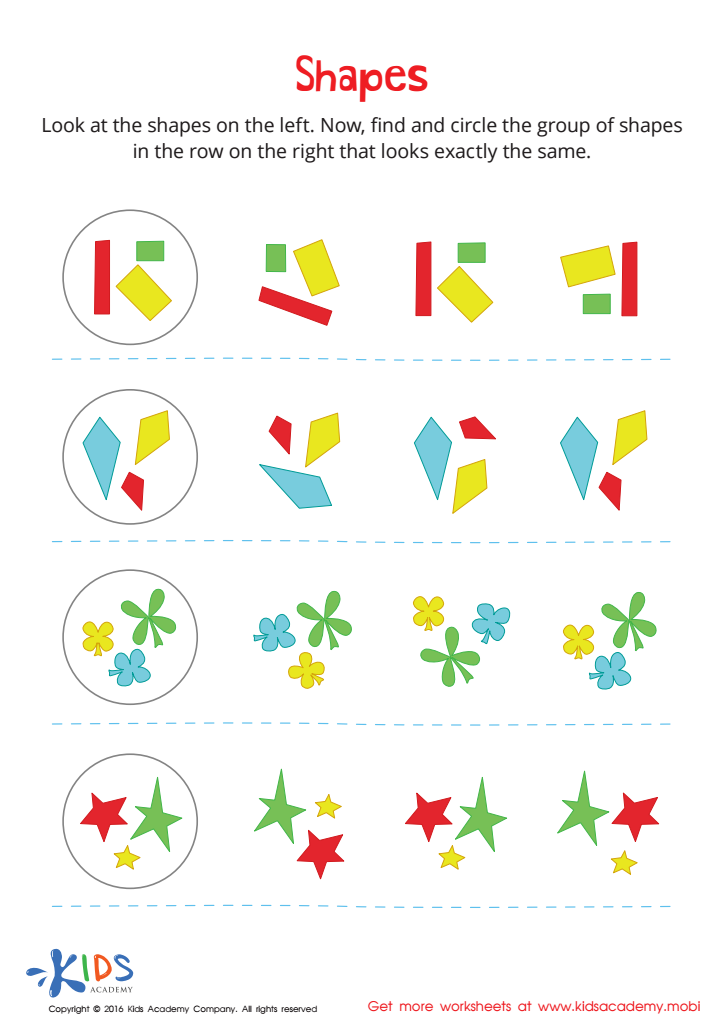
Shapes Worksheet
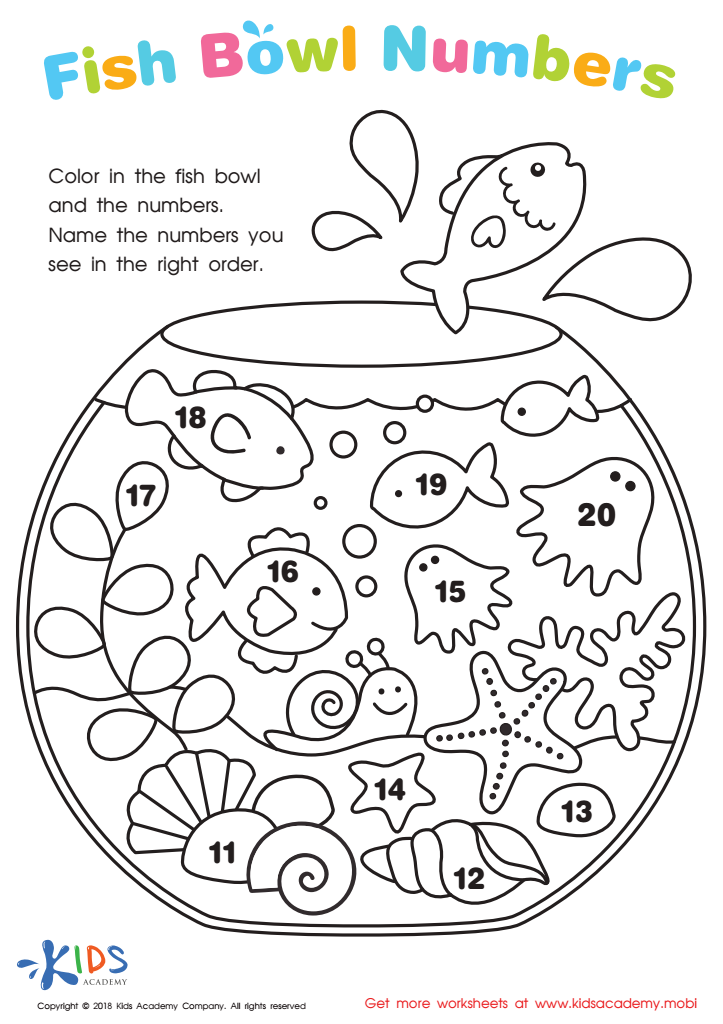
Fish Bowl Numbers Worksheet
Assign to My Students
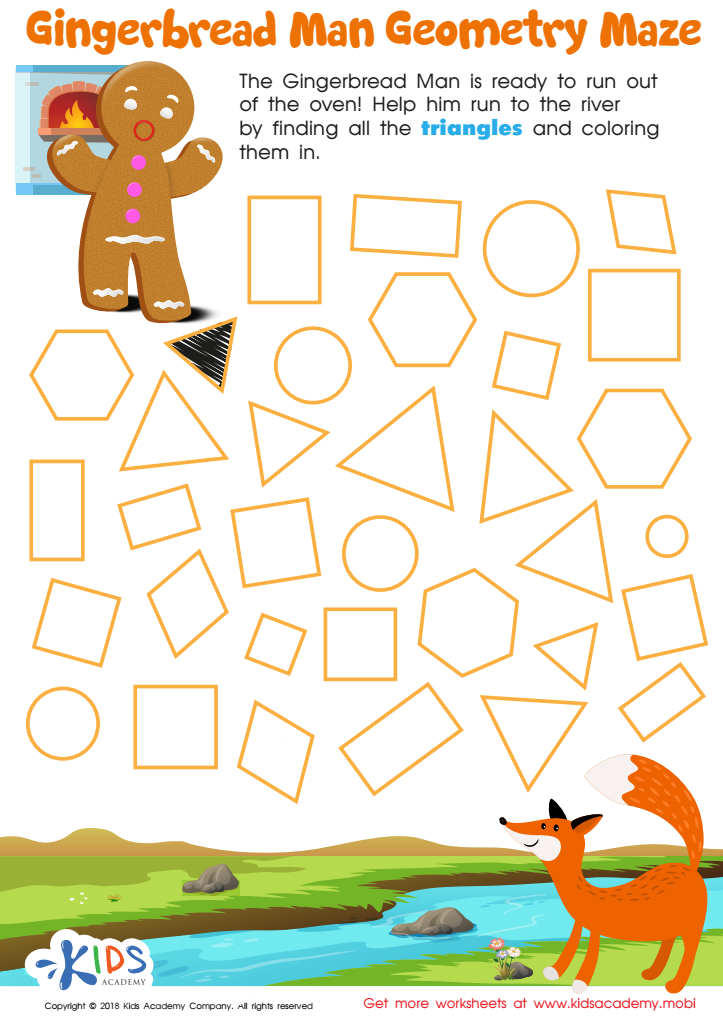
Gingerbread Man Geometry Maze Worksheet

Big Bad Wolf Printable Coloring Page
Assign to My Students
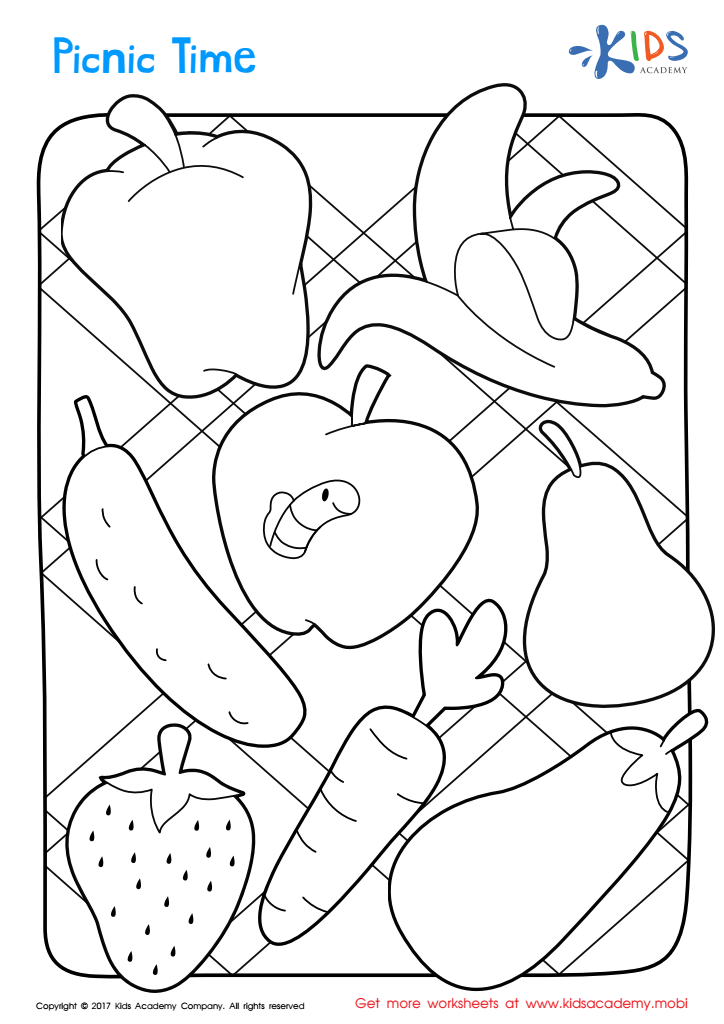
Picnic Time Coloring Page
Assign to My Students

Astronaut Coloring Page
Assign to My Students
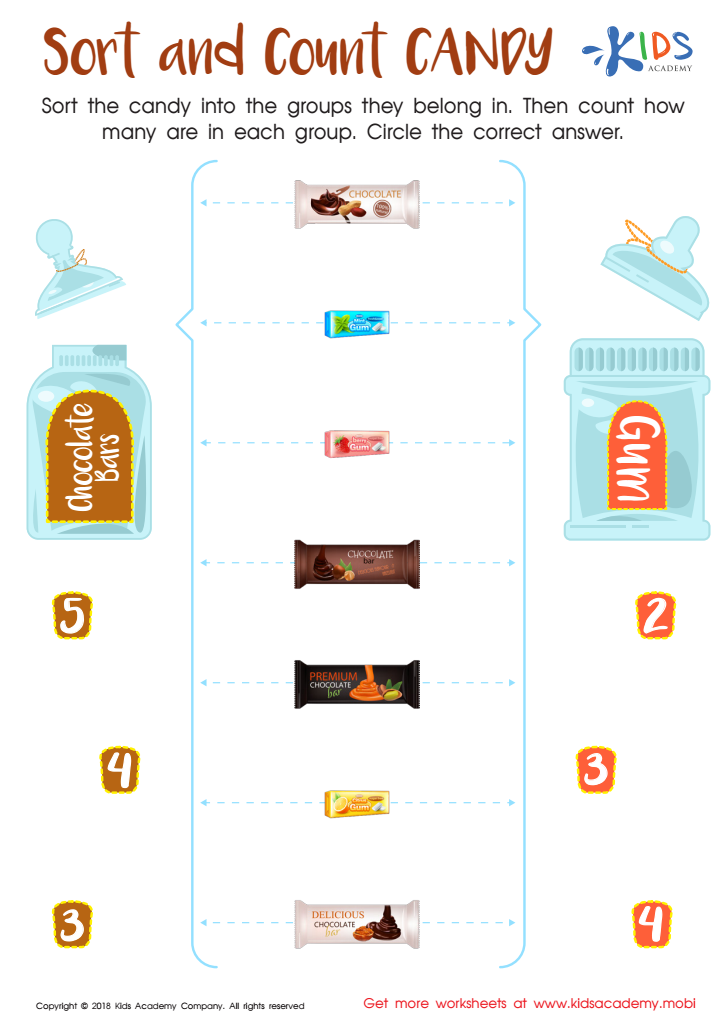
Sort and Count Candy Worksheet

The Bingo Song: Coloring The Dog Worksheet
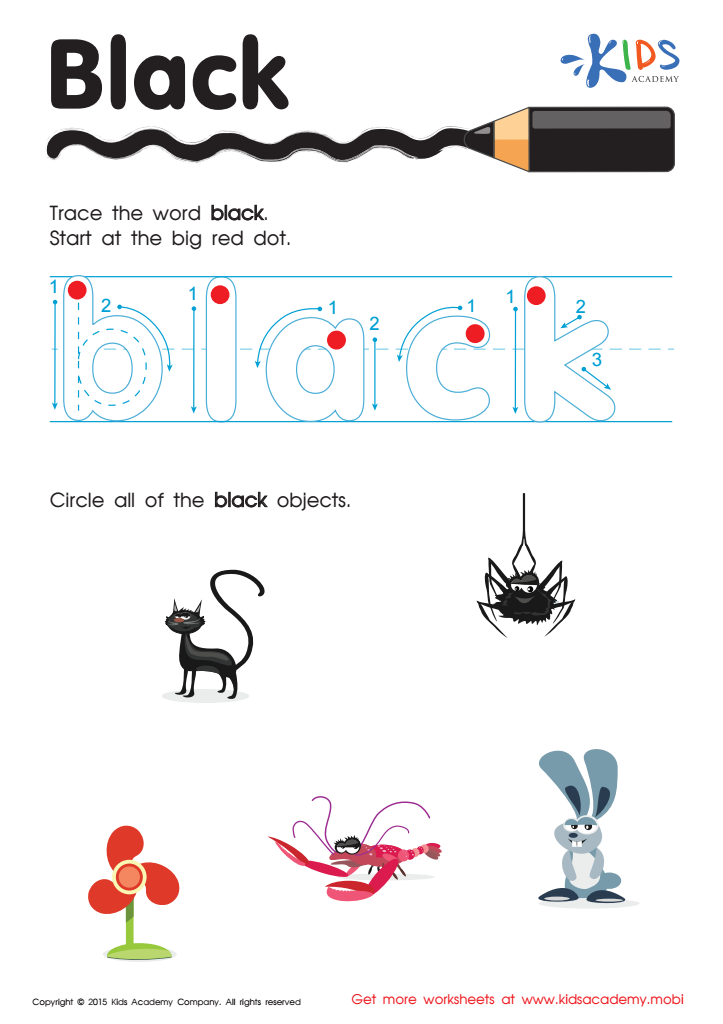
Black Tracing Color Words Printable
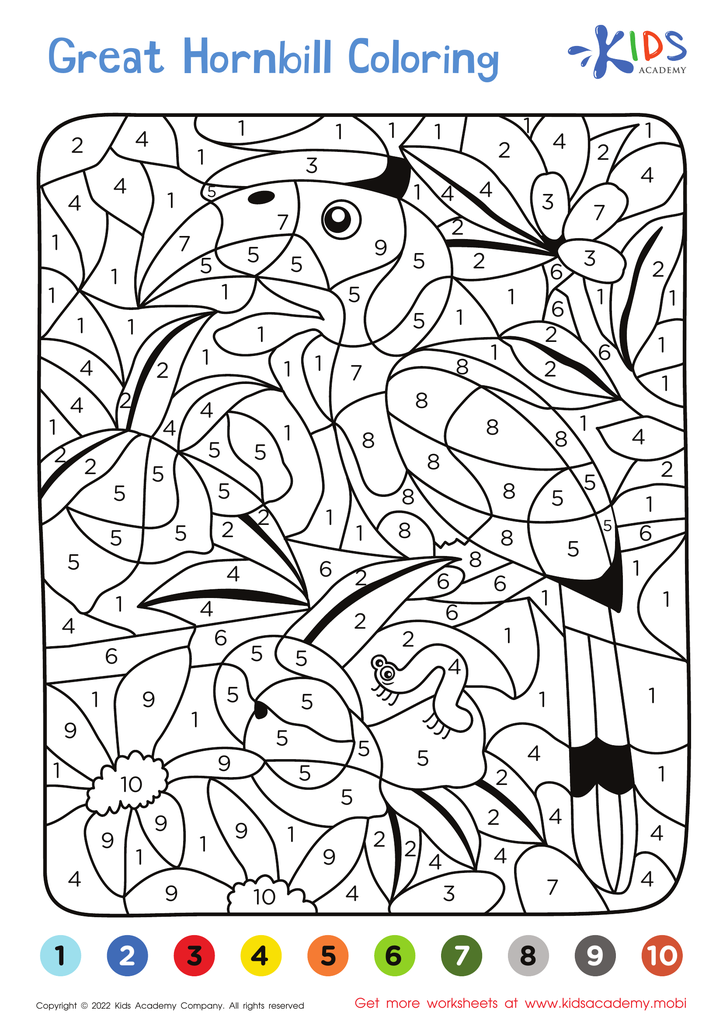
Great Hornbill – Coloring by Numbers
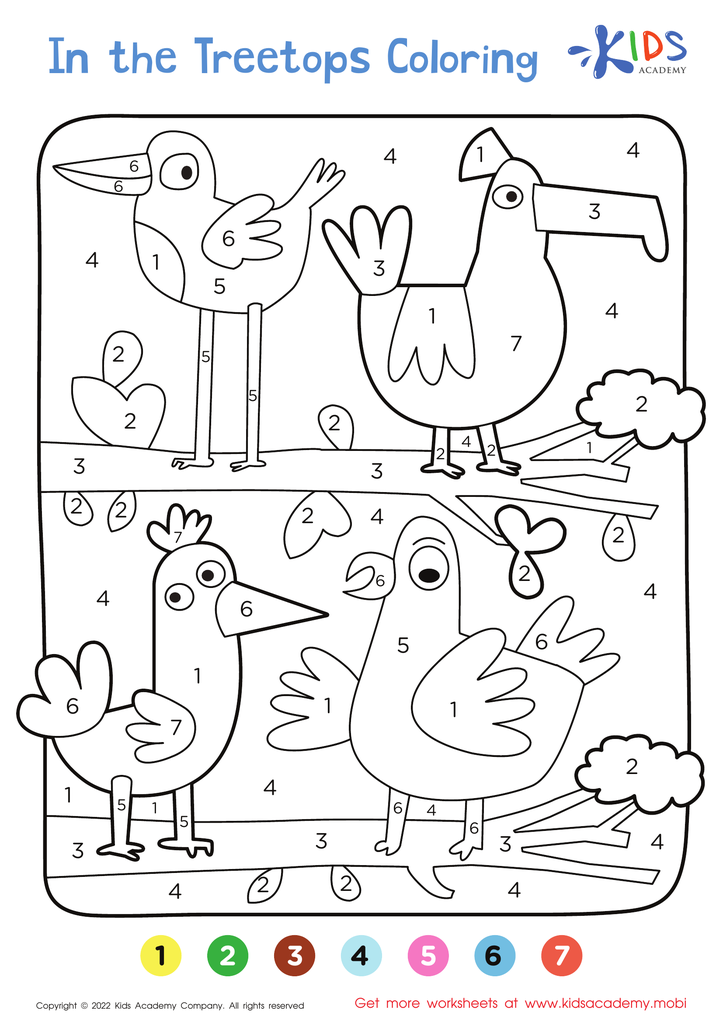
In the Treetops – Coloring Page
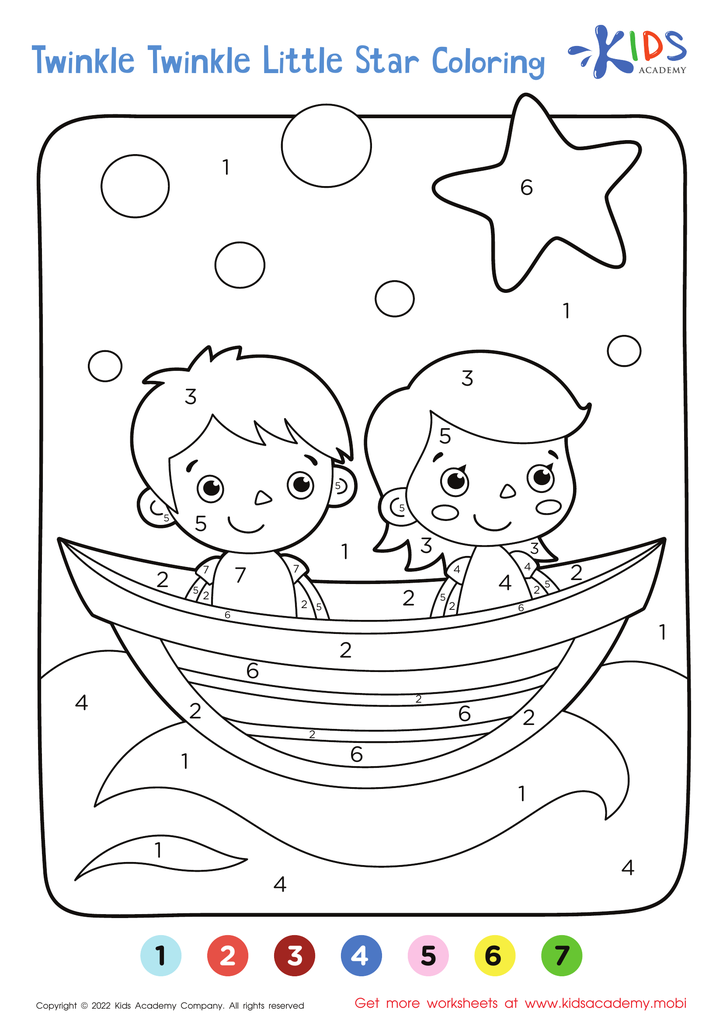
Twinkle, Twinkle, Little Star – Coloring by Numbers
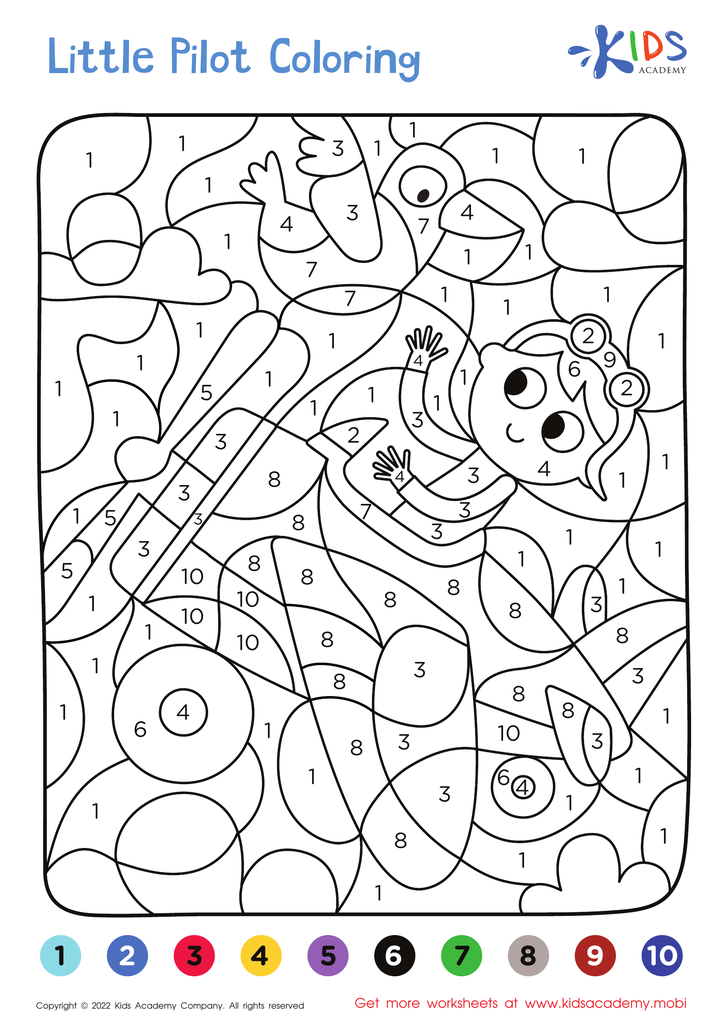
Little Pilot – Coloring by Numbers
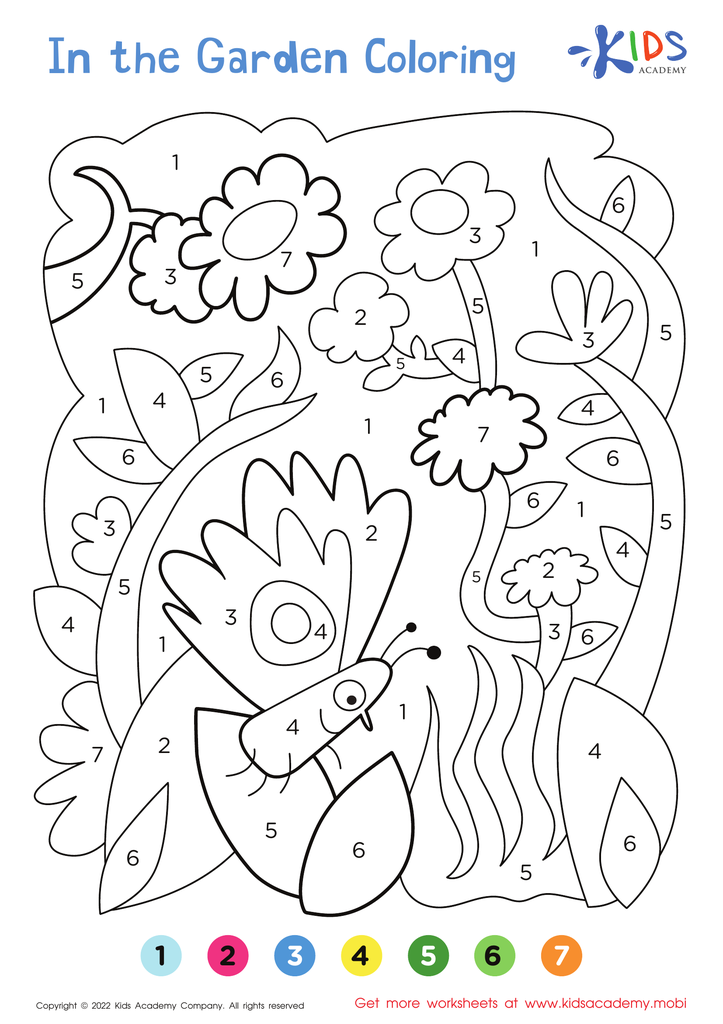
In the Garden – Coloring by Numbers


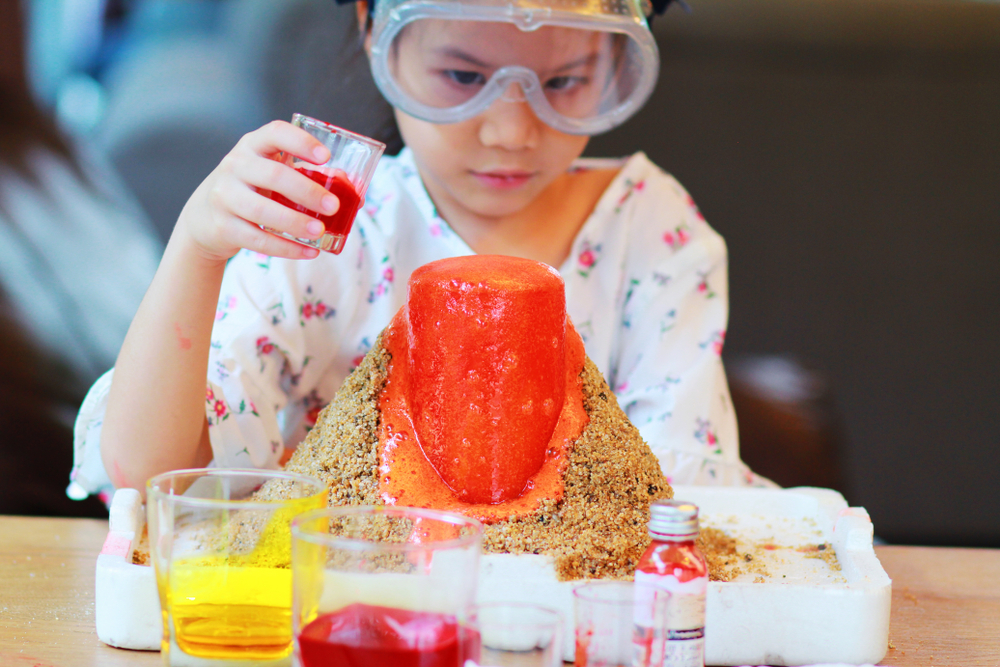





Color recognition is a fundamental skill for children aged 3-7, and parents and teachers should prioritize it because it serves as a critical foundation for various aspects of learning and development. Firstly, recognizing colors enhances children's language skills. When children learn to identify and name colors, they expand their vocabulary and improve their ability to express themselves.
Additionally, color recognition supports cognitive development. Activities that involve sorting, categorizing, and matching colors stimulate critical thinking and problem-solving skills. These skills are integral to more complex concepts they will encounter later in subjects like mathematics and science.
In terms of social-emotional development, learning colors enables children to engage in play and activities with peers, fostering communication and collaboration. This can be particularly important for building relationships and gaining confidence in group settings.
Furthermore, color recognition has practical implications in daily life, aiding children in understanding their environment and making choices, whether selecting clothes or choosing toys.
By caring about color recognition, parents and teachers equip children with essential skills that lay the groundwork for comprehensive learning and social interactions, ultimately contributing to their overall growth and future success.








