Comprehension development Worksheets for Ages 3-7
3 filtered results
-
From - To
Explore our Comprehension Development Worksheets for Ages 3-7 to help your child build essential reading skills, enhance understanding, and foster a love for learning. With a diverse range of engaging activities, these worksheets are expertly designed to support early literacy. Whether your child is identifying story elements, making predictions, or answering simple questions, our activities make learning interactive and enjoyable. Perfect for parents and teachers, these resources cater to young learners’ developmental stages, providing foundational skills that pave the way for future academic success. Visit Kids Academy to access these valuable tools, empowering your child's educational journey.
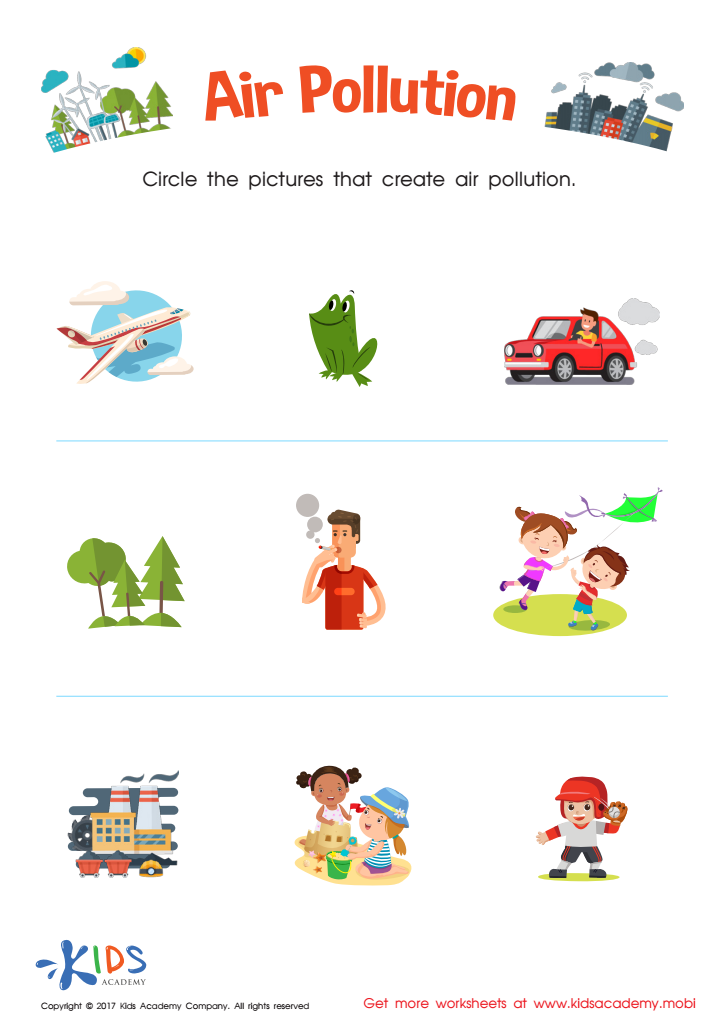
Air Pollution Worksheet
 Assign to My Students
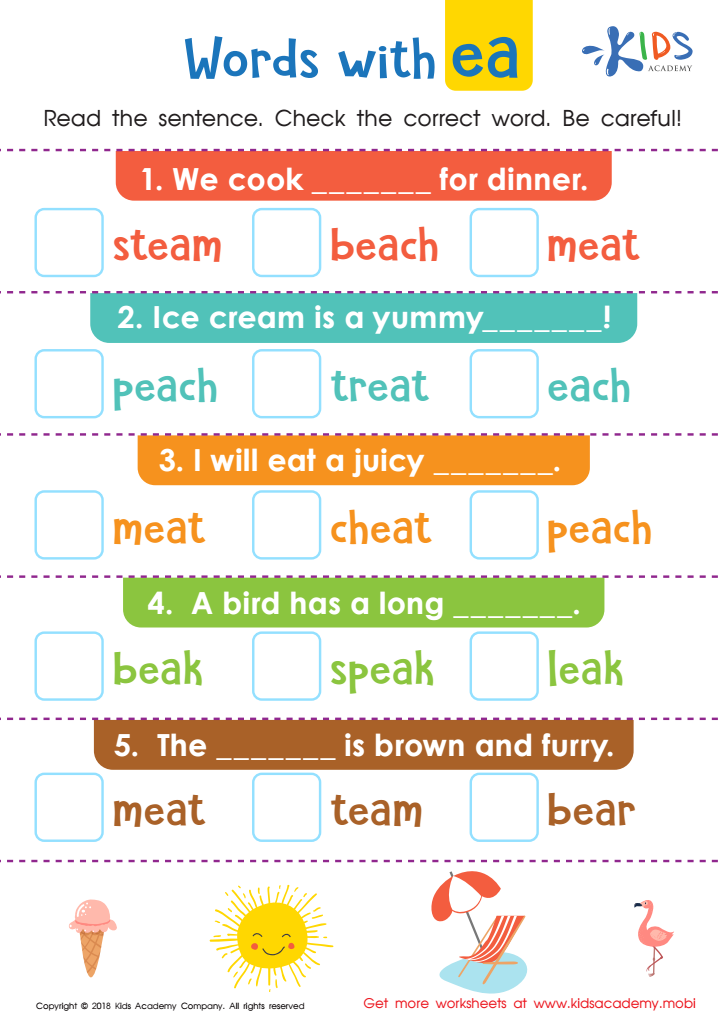
Words with ea Worksheet








Comprehension development for children ages 3-7 is crucial and warrants significant attention from parents and teachers. During these formative years, children's brains are highly receptive and adaptable, making it an ideal period for cultivating robust comprehension skills. These skills form the foundation for lifelong learning, as understanding spoken and written language is essential for academic success and effective communication.
Comprehension goes beyond mere word recognition; it involves interpreting meaning, making connections, and thinking critically about information. Developing these abilities early makes children more proficient at processing new content, which in turn enhances their capability to learn various subjects more effectively. Furthermore, strong comprehension skills foster a love for reading by enabling children to derive pleasure from stories and knowledge from informational texts.
Teachers can incorporate comprehension activities through interactive read-alouds, discussions, and visual aids to enhance students' understanding. Meanwhile, parents can support comprehension at home by engaging in conversations, asking open-ended questions about stories, and playing language-rich games. By collaboratively supporting comprehension development, parents and teachers help children build a solid intellectual framework, setting the stage for future academic achievements and well-rounded, thoughtful, and articulate individuals. Investing time and energy in comprehension development during these early years yields immeasurable benefits that extend far beyond the classroom.








