Decision making practice Worksheets for Ages 3-7
5 filtered results
-
From - To
Enhance your child's critical thinking with our expertly created Decision Making Practice Worksheets for Ages 3-7. Designed to nurture young minds, these worksheets encourage children to analyze scenarios, weigh options, and make thoughtful choices. With a variety of engaging activities, kids will learn the fundamentals of decision making while developing valuable life skills. Perfect for home or classroom use, these printables offer a fun, interactive approach to learning. Cultivate confident, independent thinkers with Kids Academy's tailored worksheets, setting the foundation for a lifetime of smart decision-making skills. Begin the journey of informed choice-making today!
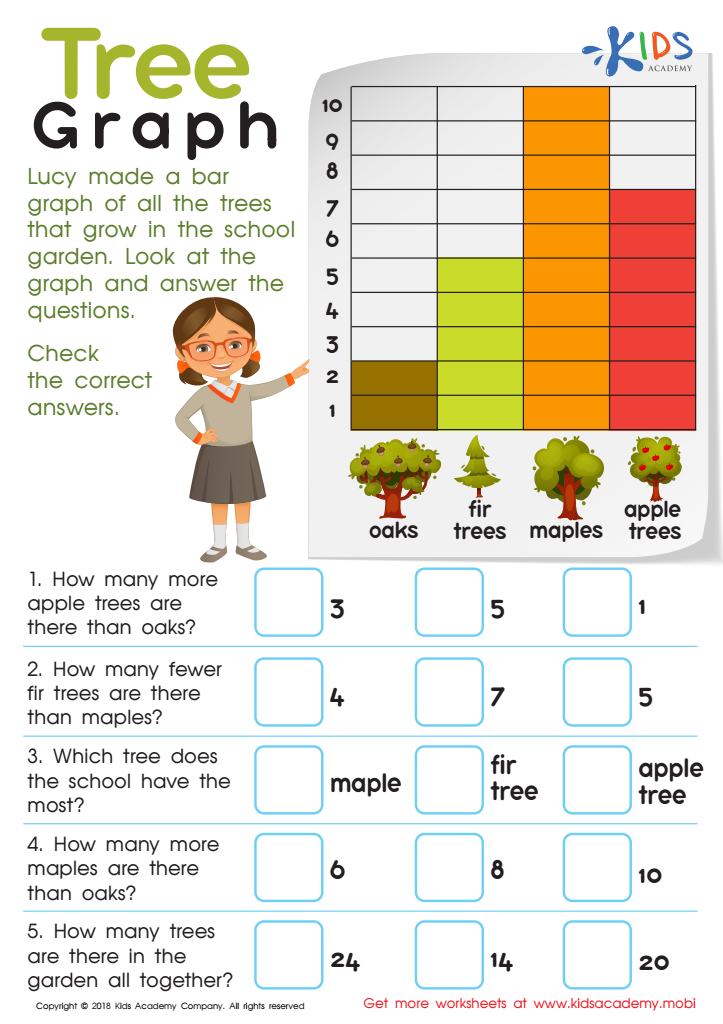
Tree Graph Worksheet
 Assign to My Students

Spaceship Maze: Galaxies Worksheet
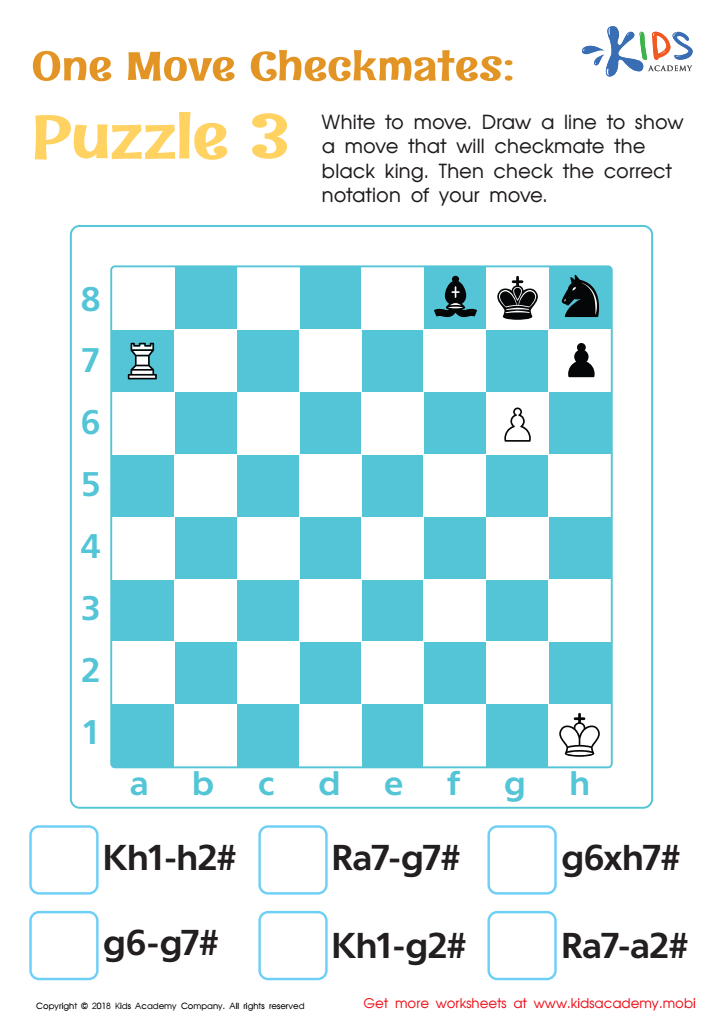
One Move Checkmates: Puzzle 3 Worksheet
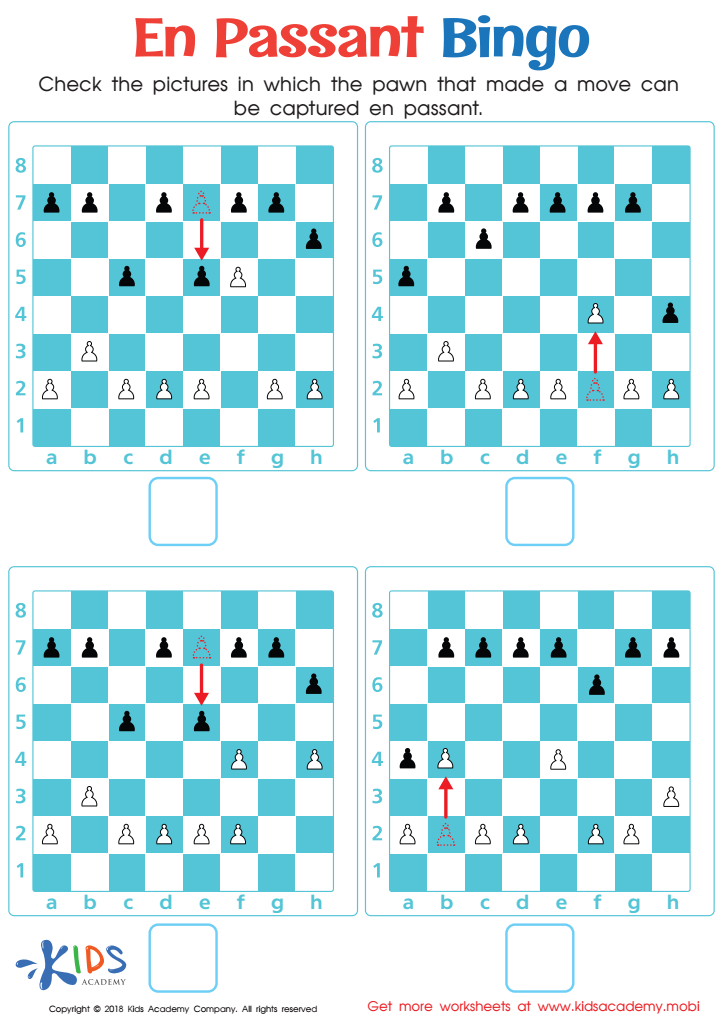
En Passant Bingo Worksheet
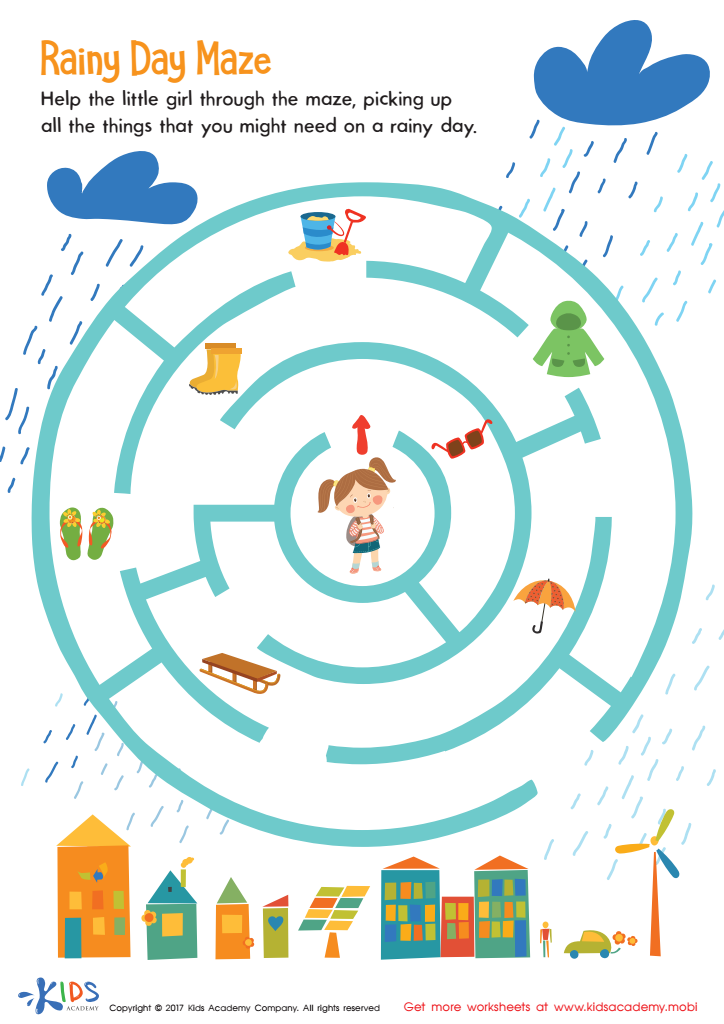
Rainy Day Maze Worksheet






Decision-making practice for children ages 3-7 is incredibly important because it lays the foundation for their future critical thinking and problem-solving skills. At this age, children's brains are developing rapidly, and experiences during this sensitive period can significantly shape their cognitive abilities. By allowing children to make choices, whether it's as simple as picking out their clothes or deciding which game to play, parents and teachers empower them to learn responsibility, confidence, and independence.
When kids practice making decisions, they learn to weigh options and consider consequences, instilling essential skills such as self-control and patience. Even small decisions teach them about cause and effect, which is crucial for developing logical thinking. Moreover, involving children in decision-making processes fosters a sense of agency and self-esteem, as they realize their opinions and choices matter.
For parents and teachers, it's a way to understand a child’s thought processes and provide guidance as necessary without taking over their decisions completely. This collaborative approach helps build trust and better communication between adults and children. In a world where problem-solving and adaptability are key, nurturing decision-making skills from a young age sets up children for lifelong success, making it a critical area of focus for early childhood development.








