Developing problem-solving abilities Worksheets for Ages 3-7
6 filtered results
-
From - To
Unlock your child's potential with our Developing Problem-Solving Abilities Worksheets for Ages 3-7! Designed to stimulate critical thinking and logic, these engaging worksheets are perfect for young minds eager to explore problem-solving scenarios. Each activity is tailored to challenge and delight, helping your child to develop essential skills such as reasoning, pattern recognition, and analytical thinking. With vibrant illustrations and interactive tasks, learning becomes a fun adventure, igniting a passion for discovery and innovation. Perfect for classroom or home use, our worksheets provide a solid foundation, fostering confidence and proficiency in solving everyday problems. Start your child's journey to success today!
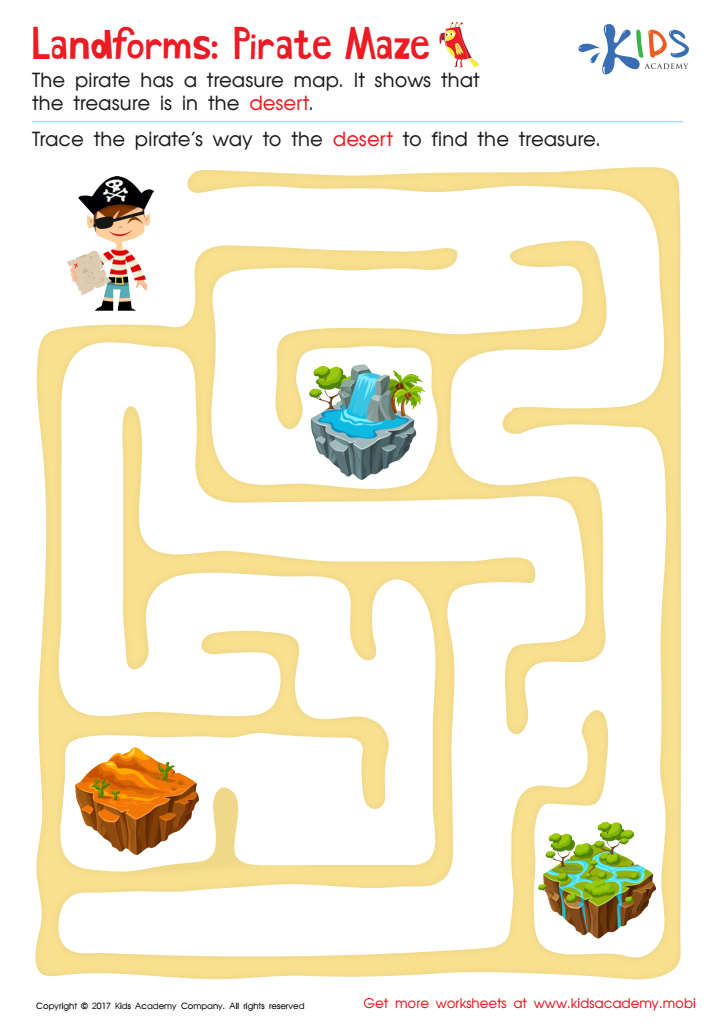
Landforms: Pirate Maze Printable
 Assign to My Students
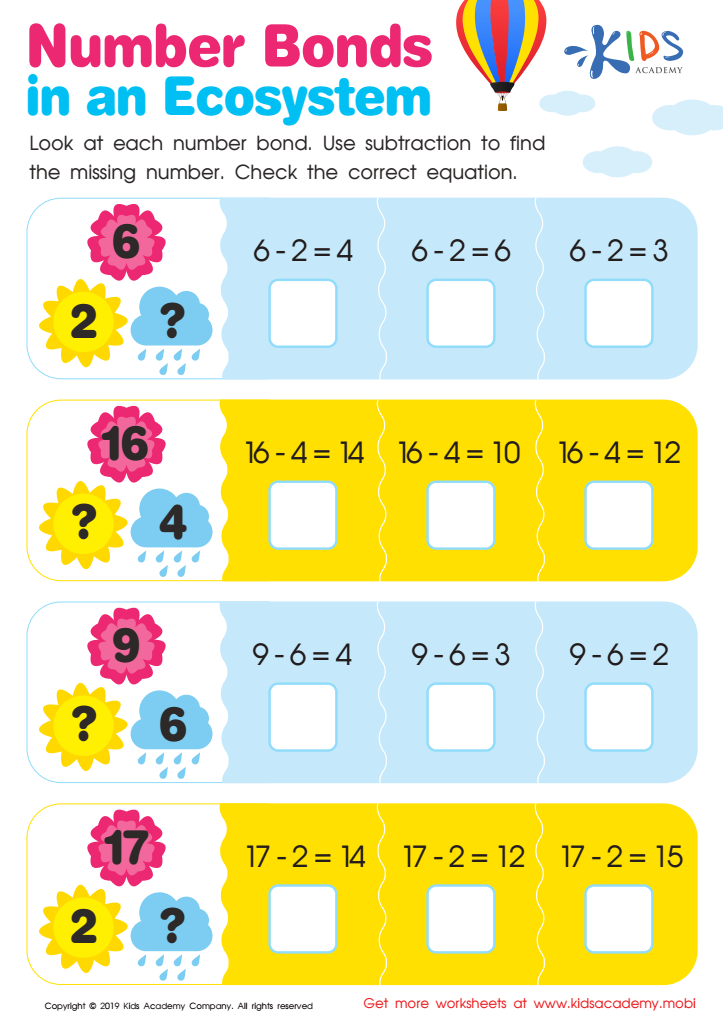
Number Bonds in an Ecosystem Worksheet
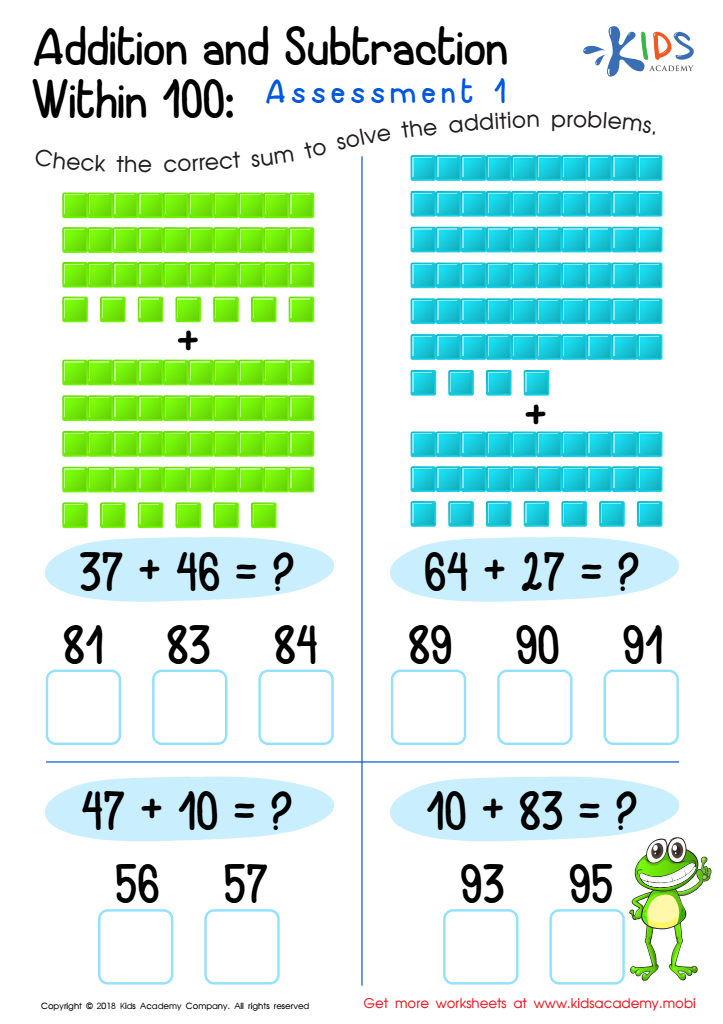
Addition and Subtraction Within 1: Assessment 1 Worksheet
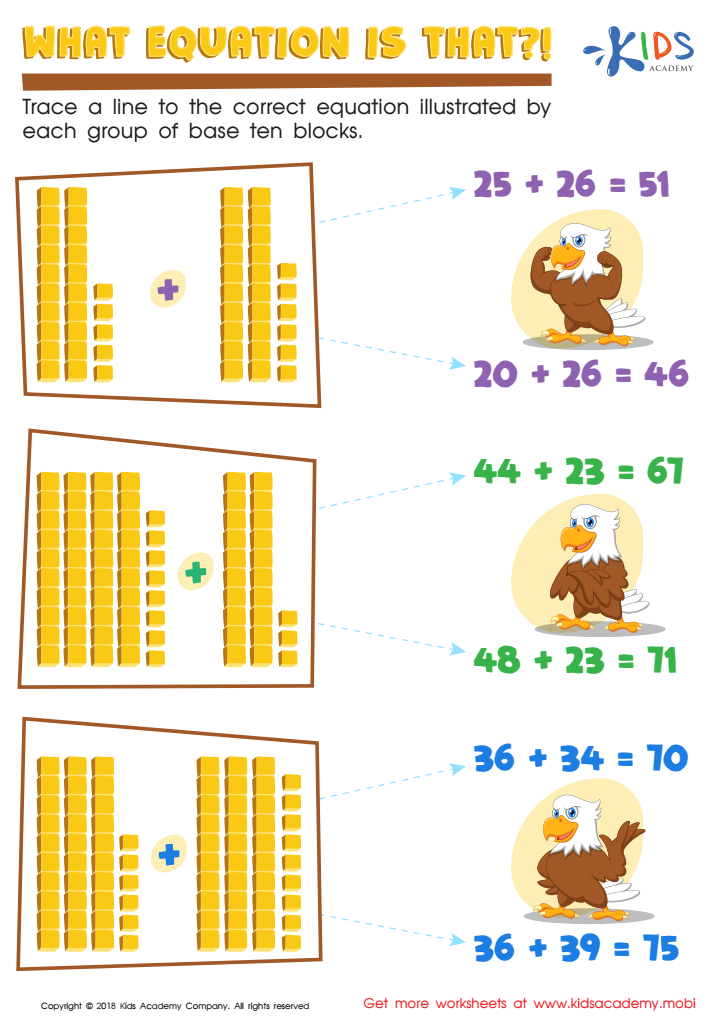
What Equation Is That? Worksheet








Developing problem-solving abilities in children aged 3-7 is essential for their cognitive, emotional, and social growth. During these formative years, children are incredibly curious and are beginning to understand the world around them. Teaching them problem-solving skills helps stimulate brain development by promoting critical thinking, logic, and creativity. These skills are foundational for academic success and daily life. When children learn to approach problems systematically, even at a young age, they are better prepared to face more complex challenges in later years.
Moreover, problem-solving abilities help children build confidence and resilience. When they successfully navigate a dilemma, they gain a sense of competency and self-reliance. This positive reinforcement encourages them to take on new challenges, fostering a growth mindset that is beneficial throughout their lives.
Socially, problem-solving helps children interact more effectively with peers. They learn to negotiate, share, and collaborate to resolve conflicts, leading to better interpersonal relationships. It also enables them to manage emotions like frustration and anxiety more effectively, contributing to emotional stability.
Parents and teachers play a crucial role in facilitating opportunities for children to develop these skills through games, activities, and guided discussions. Investing in problem-solving abilities at an early age lays a solid foundation for lifelong learning and well-being.








