Enhances counting skills Worksheets for Ages 3-7
9 filtered results
-
From - To
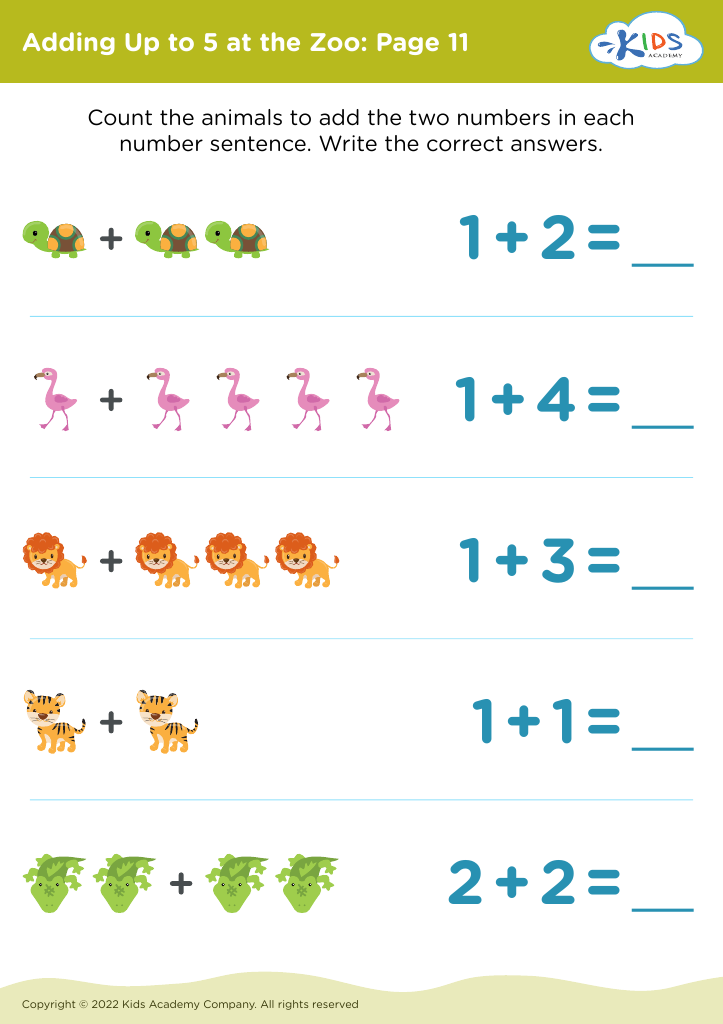
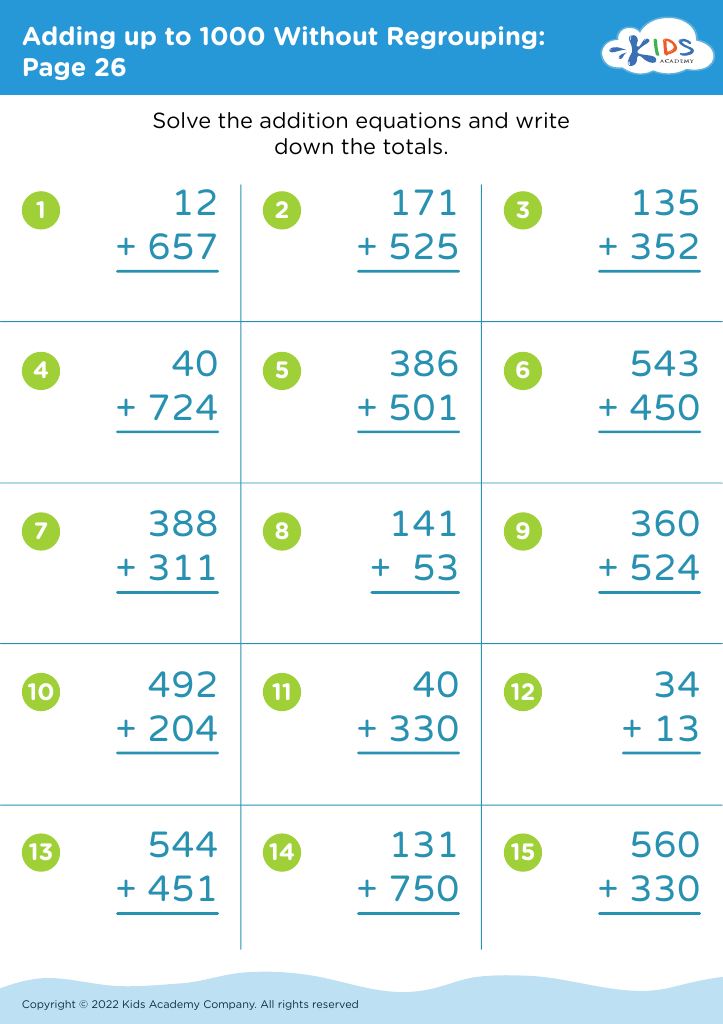
Discover our engaging "Enhances Counting Skills Worksheets" designed for children aged 3-7! These worksheets are perfect for preschool and early elementary students, providing fun and interactive ways to develop essential counting skills. Featuring colorful visuals and diverse activities, our resources help kids practice number recognition, basic addition and subtraction, and counting objects in an enjoyable manner. Ideal for parents and educators alike, these worksheets promote skill retention and boost confidence in early math. Download now to support your child's learning journey and make counting a joyful experience they won’t forget! Start enhancing their counting abilities today!
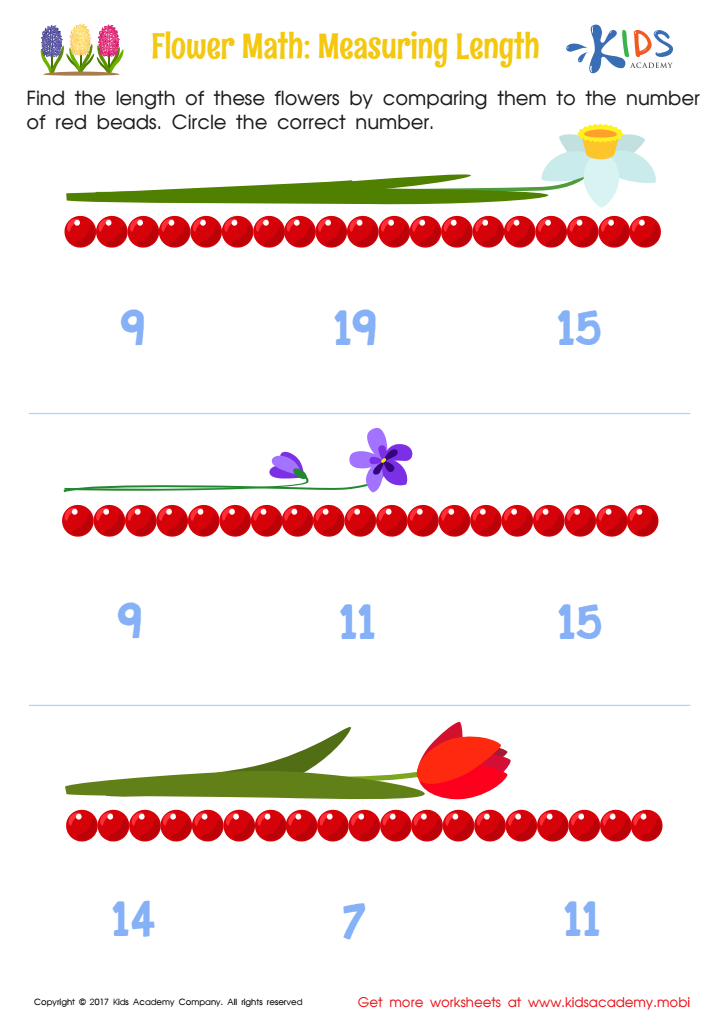
Flower Math: Measuring Height Worksheet
 Assign to My Students
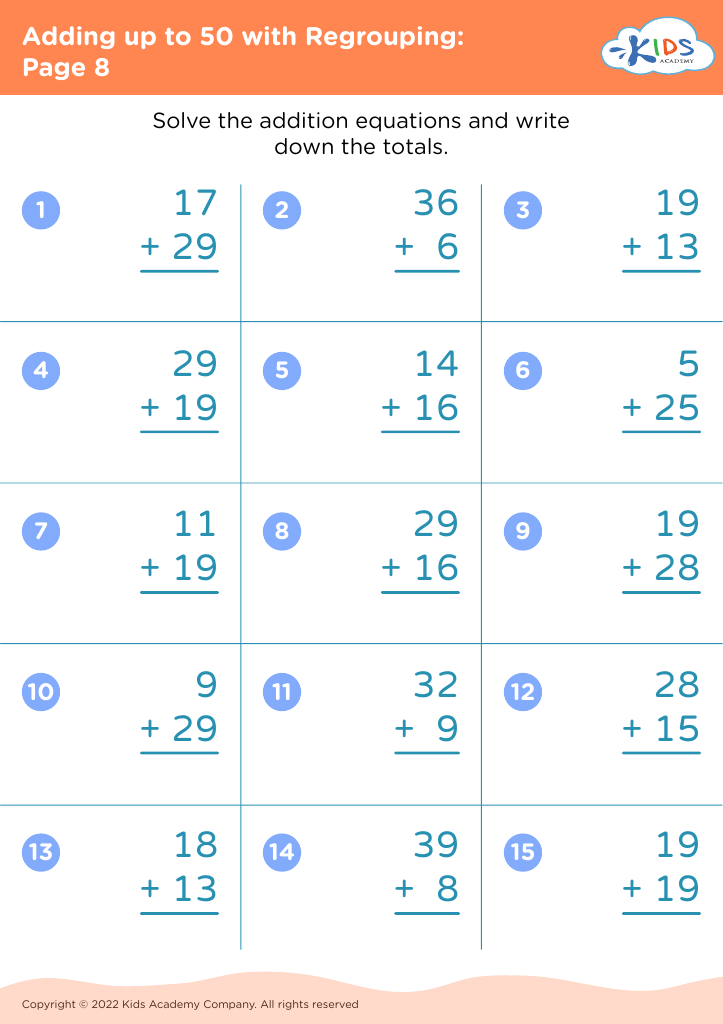
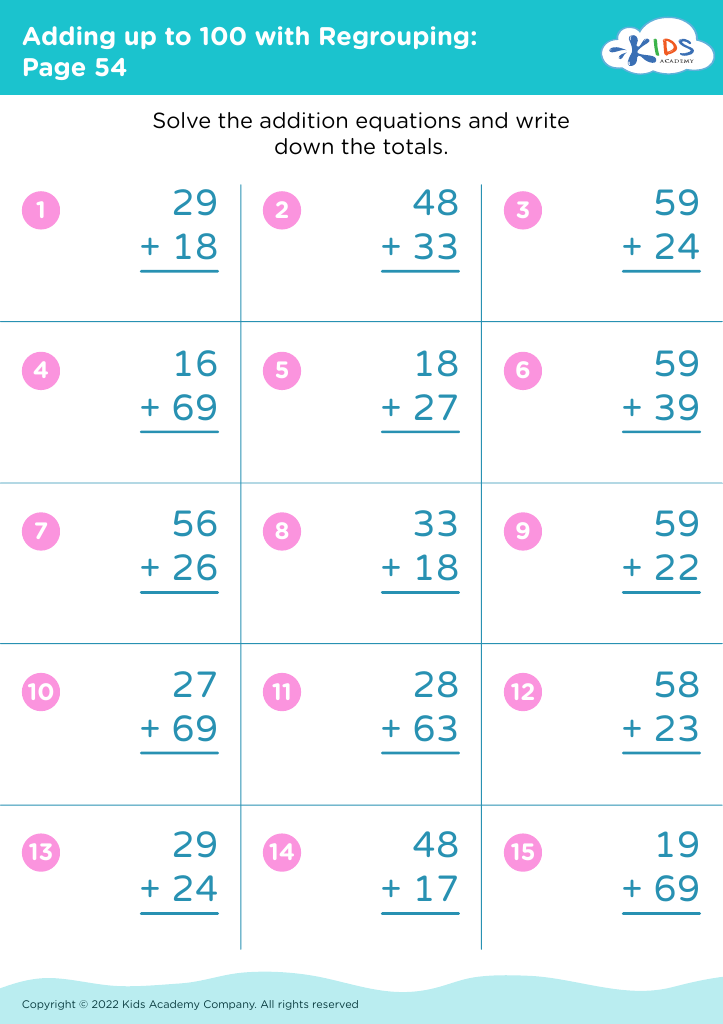
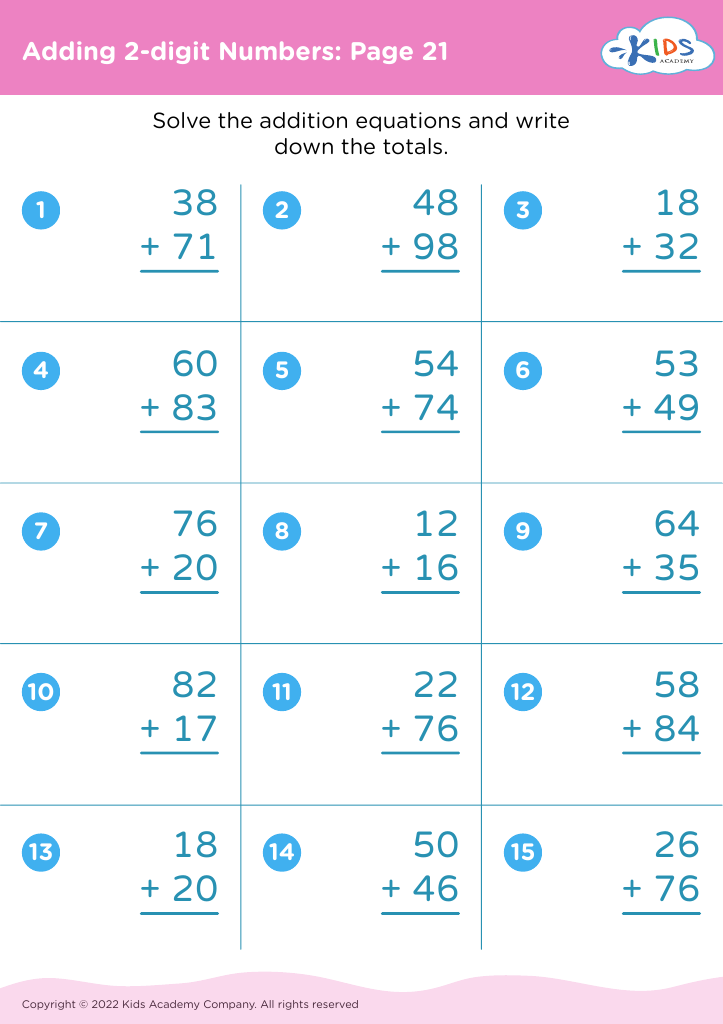
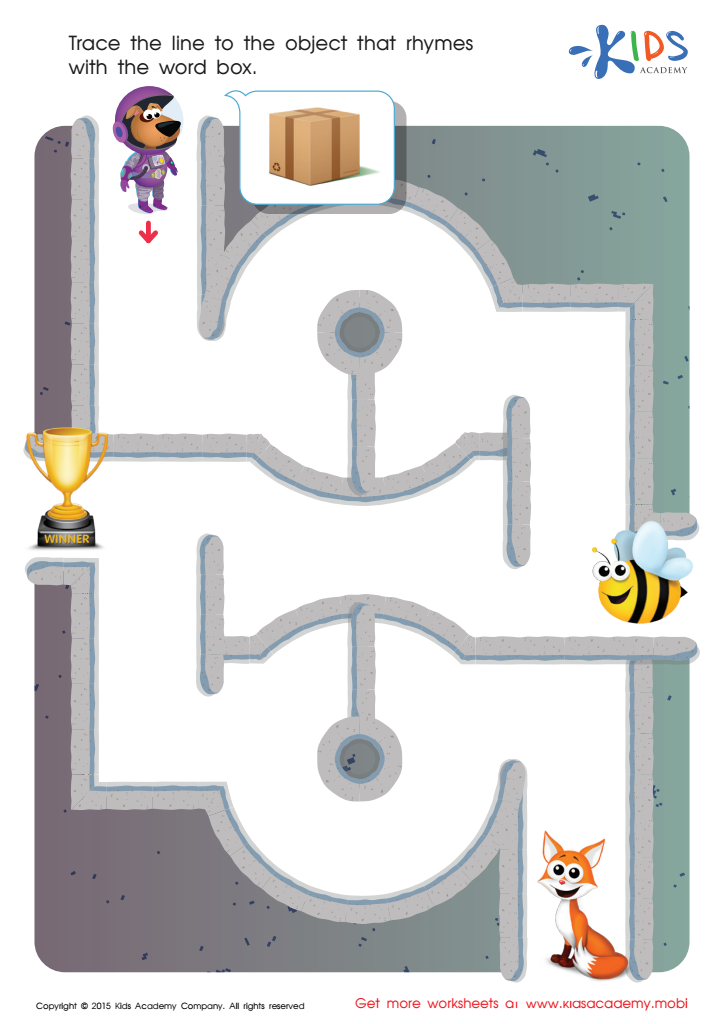
Box Rhyming Words Worksheet
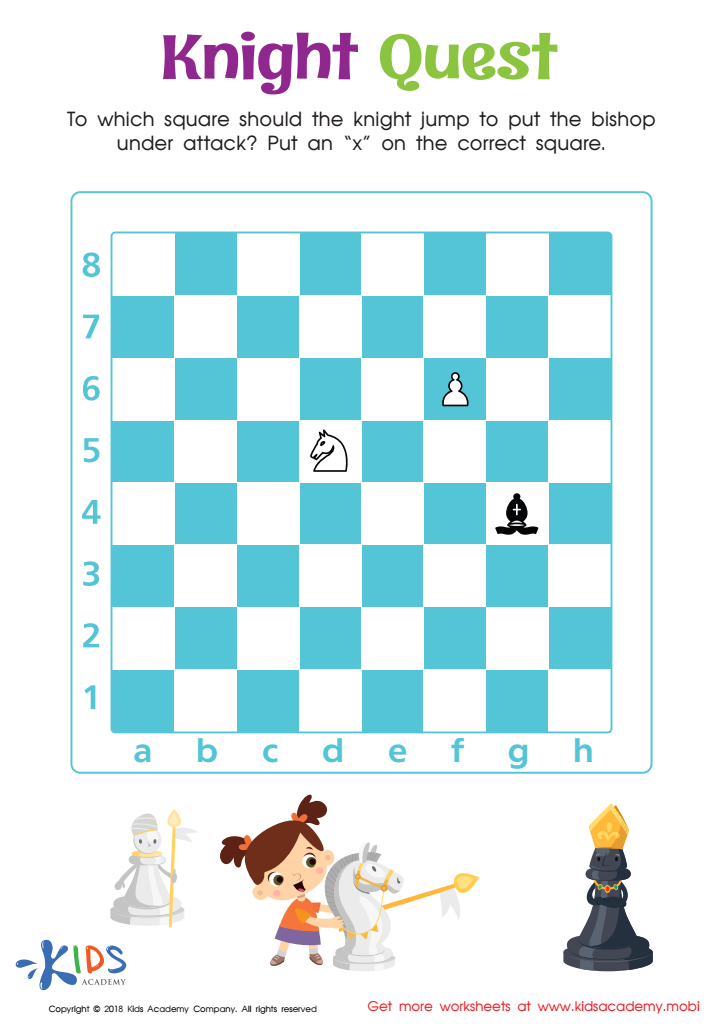
Knight Quest Worksheet








Parents and teachers should prioritize enhancing counting skills for children aged 3-7 because these early numeracy skills form the foundation for future mathematical understanding. At this crucial development stage, children are naturally curious and receptive to learning. By fostering counting skills, we help them make sense of their world, as counting is fundamental to understanding quantities, patterns, and simple arithmetic.
Strong counting abilities promote cognitive development, encouraging critical thinking and problem-solving as children learn to organize and compare numbers. Early counting experience can significantly boost confidence in math, leading to greater academic success later on. Additionally, these skills are closely linked to language and communication development, as children learn to articulate numbers and understand the concepts of more and less.
Moreover, strengthening counting skills can enhance social interactions and cooperative play, with children often engaging in counting games. Parents and teachers can create fun and engaging learning environments that promote counting through songs, stories, and hands-on activities. By investing in early counting skills, adults set the stage for a lifelong appreciation of math and a strong academic foundation, ultimately empowering children to navigate more complex mathematical ideas later in their education.








