Enhancing comprehension skills Worksheets for Ages 3-7
3 filtered results
-
From - To
Unlock your child's potential with our "Enhancing Comprehension Skills Worksheets for Ages 3-7." Designed by experts at Kids Academy, these engaging activities help young learners develop critical understanding and interpretation skills through interactive exercises and fun games. Ideal for both classroom and home use, our worksheets cater to early readers and provide a solid foundation in language arts. Cultivate a love of learning with colorful, age-appropriate worksheets that target key comprehension strategies such as sequencing, predicting, and summarizing. Watch as your child’s confidence and academic performance soar with Kids Academy’s specialized resources!
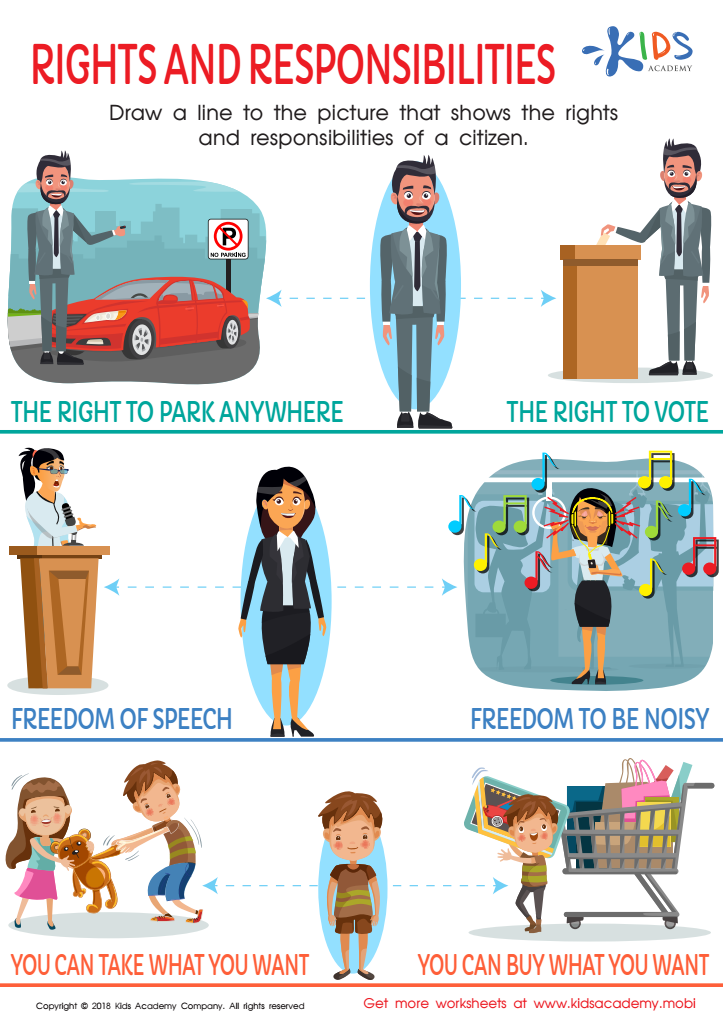
Rights and Responsibilities Worksheet
 Assign to My Students
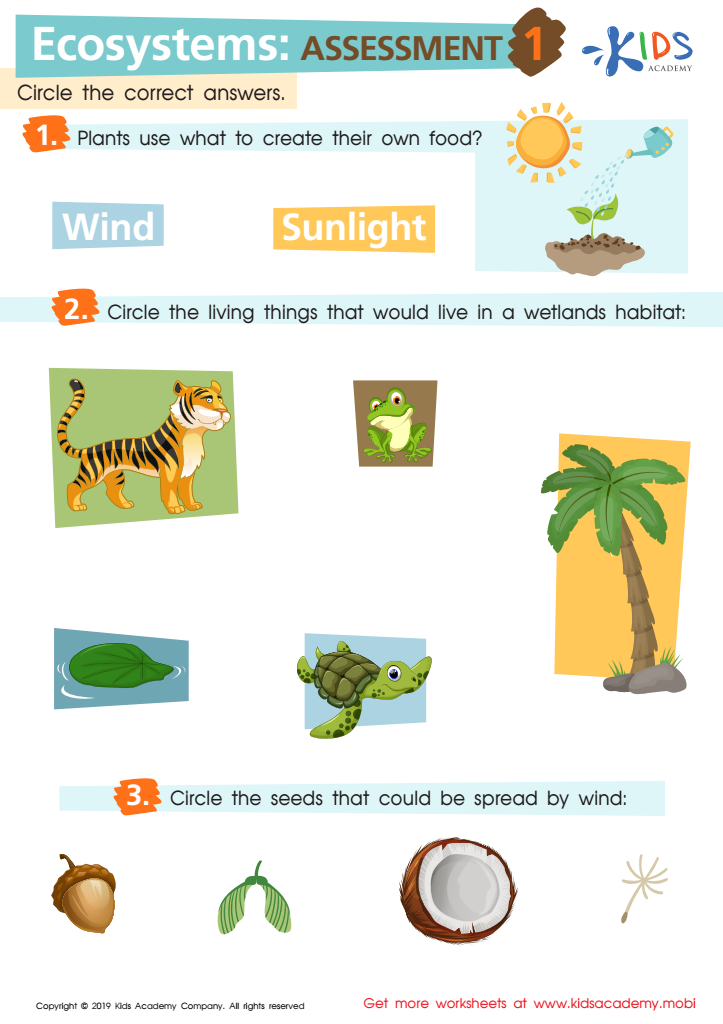
Ecosystems: Assessment 1 Worksheet
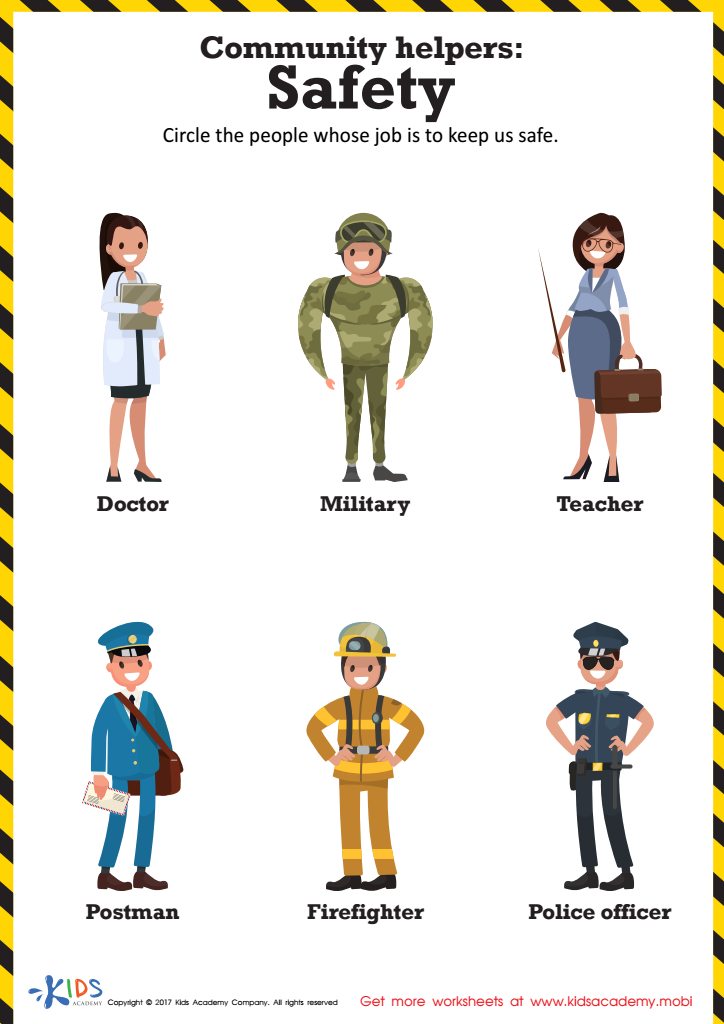






Enhancing comprehension skills in children ages 3-7 is fundamental for their overall development and academic success. During these critical years, the brain is highly receptive to new information, laying the foundation for later learning. Good comprehension skills go beyond just reading; they encompass understanding instructions, grasping story plots, and making sense of their world.
At this age, comprehension is crucial for language development. Children learn new vocabulary and sentence structures through stories and conversations, which enhances their communication skills. When children understand what they hear or read, they are more likely to enjoy reading, fostering a lifelong love of learning.
In the classroom, strong comprehension skills enable children to follow lessons, participate actively, and build confidence. These skills also improve critical thinking and the ability to make inferences, laying the groundwork for problem-solving abilities. Comprehension helps children understand social cues and develop empathy by putting themselves in others' shoes, which is vital for interpersonal relationships.
Parents and teachers working together to enhance these skills can create a supportive environment that promotes curiosity and learning. Activities like reading aloud, asking open-ended questions, and engaging in discussions can greatly benefit children's comprehension abilities, providing them with the tools they need for a brighter future.








