Fine motor skills improvement Worksheets for Ages 3-7
6 filtered results
-
From - To
Enhance your child's fine motor skills with our engaging worksheets designed specifically for ages 3-7. These tailored activities promote dexterity and coordination, essential for developing writing, drawing, and other essential life skills. Through fun exercises such as tracing, cutting, and coloring, children will enjoy practicing their hand-eye coordination while building confidence. Our worksheets cater to various learning styles, ensuring that every child can thrive. Ideal for both home and classroom use, these resources make learning enjoyable, promoting independence and creativity. Equip your little learners with the foundational skills they need for future success. Explore our collection today!
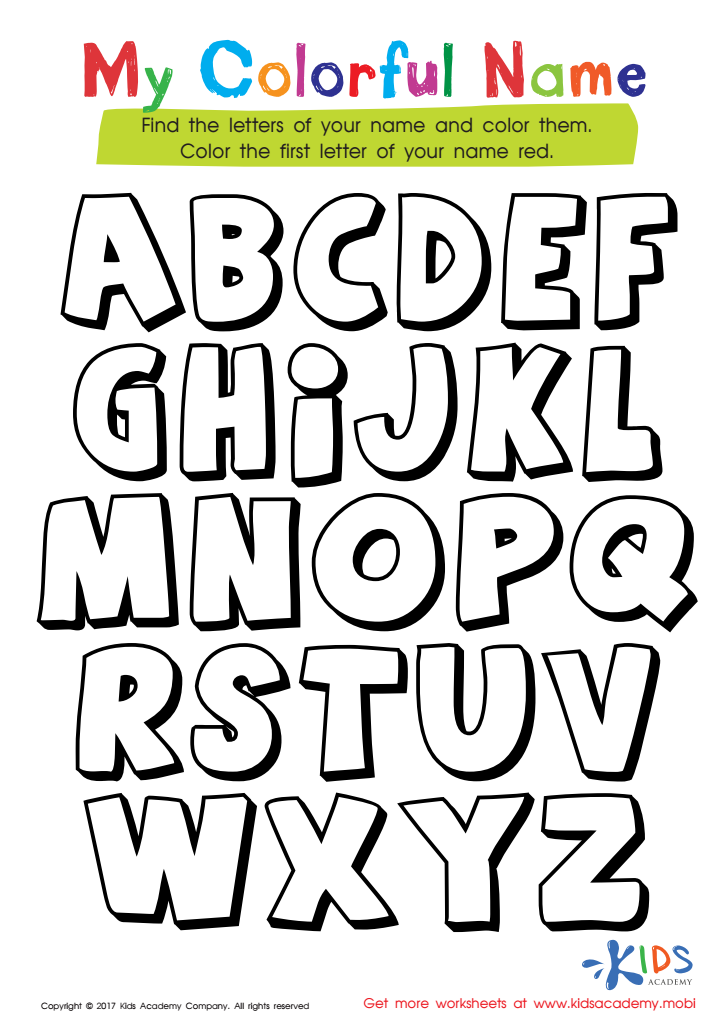
My Colorful Name Worksheet
 Assign to My Students
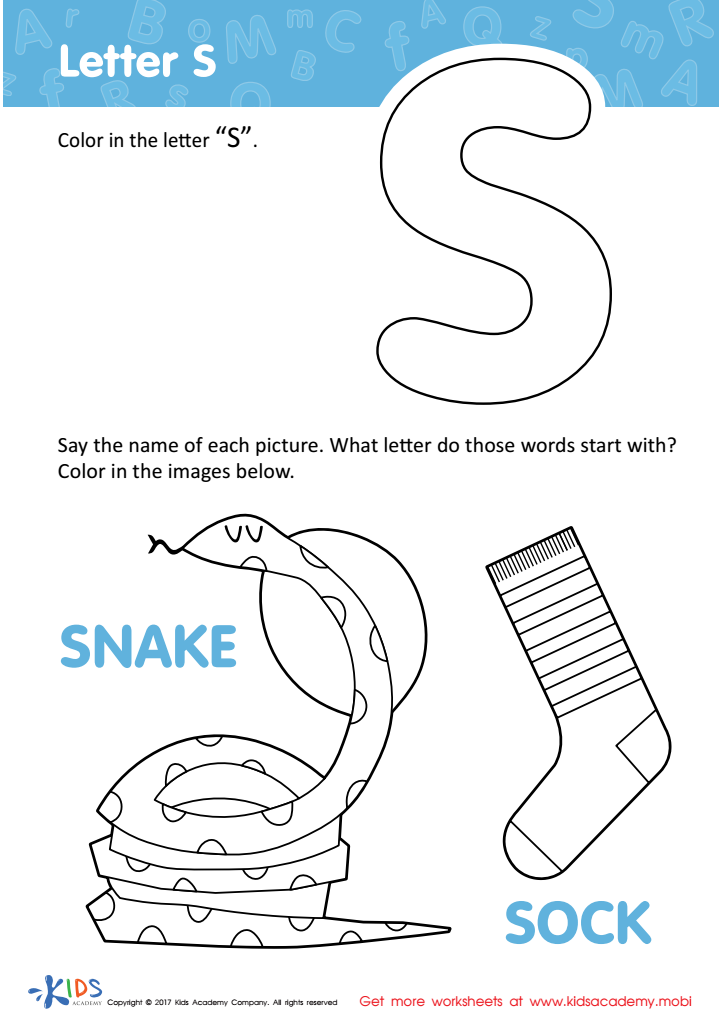
Letter S Coloring Sheet
Assign to My Students
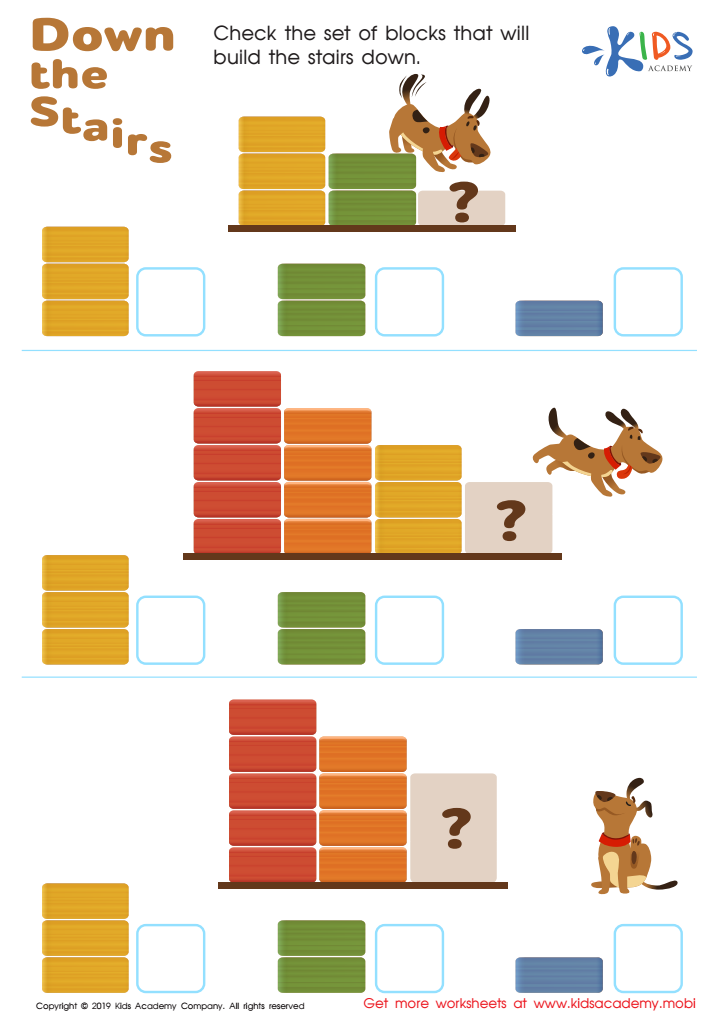
Down the Stairs Worksheet
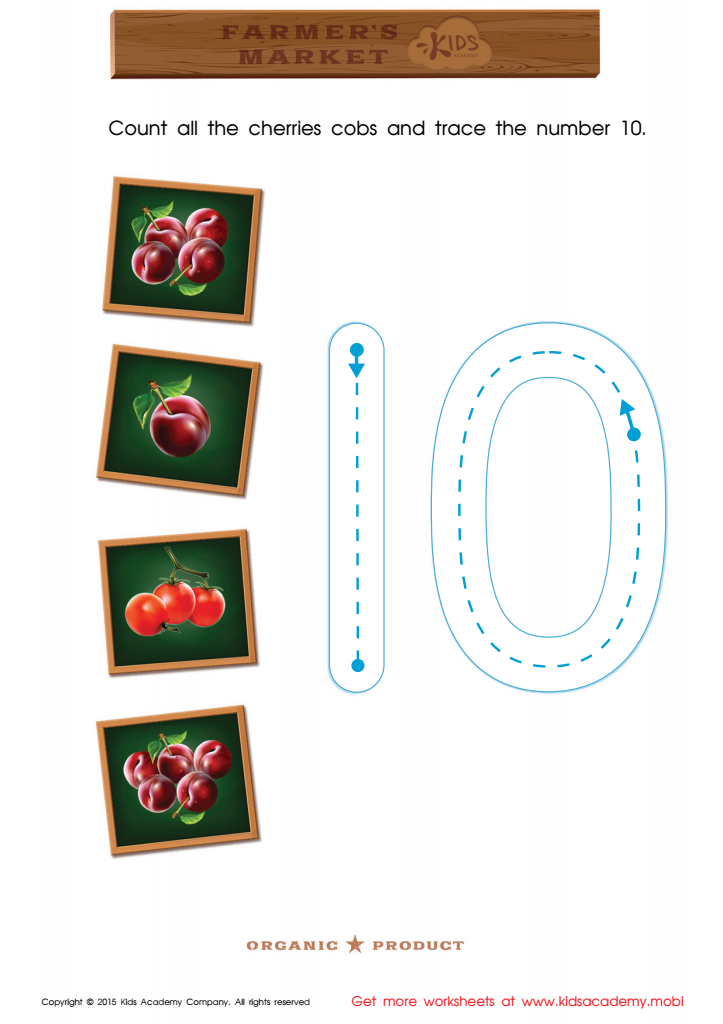
Count the Cherries and Trace the Number 10 Printable
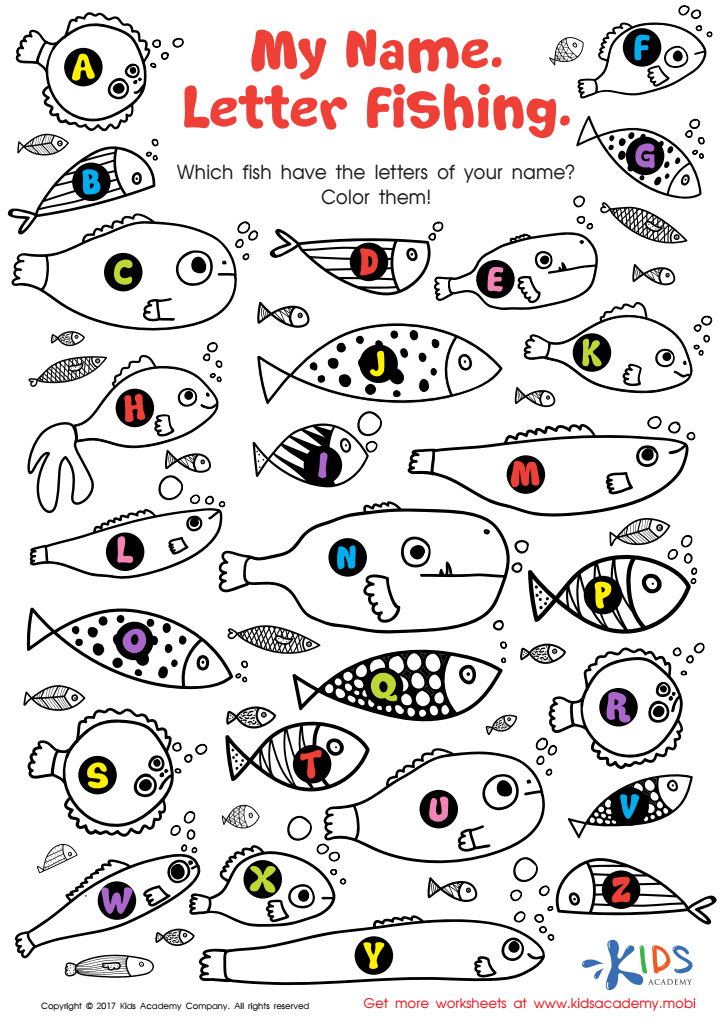
My Name: Letter Fishing Worksheet
Assign to My Students
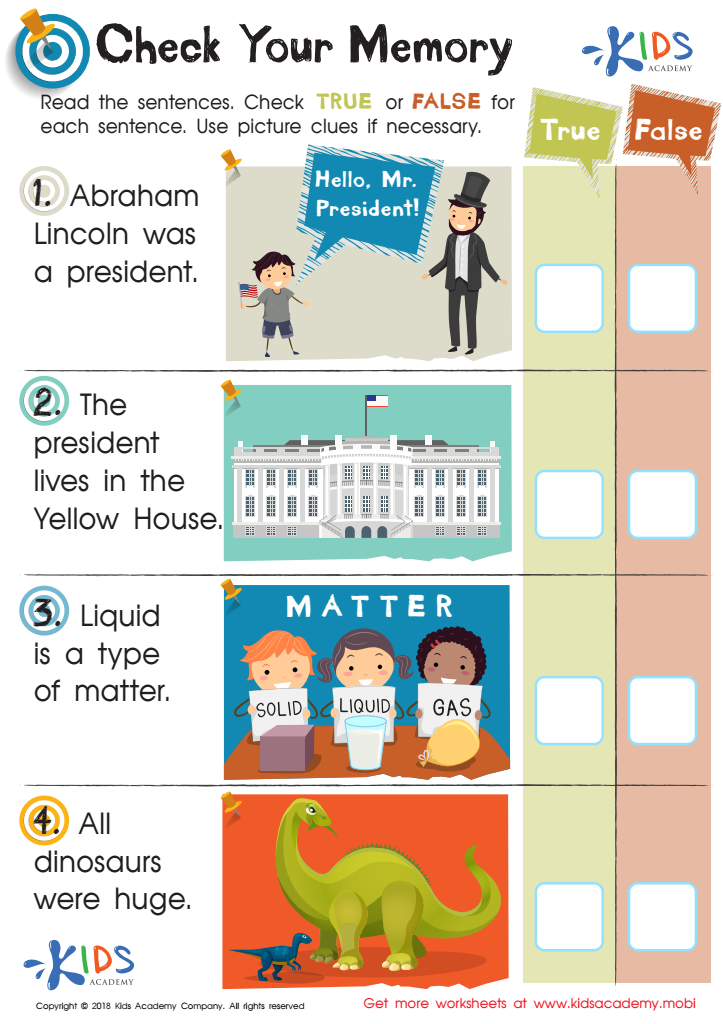
Check Memory Worksheet


.jpg)



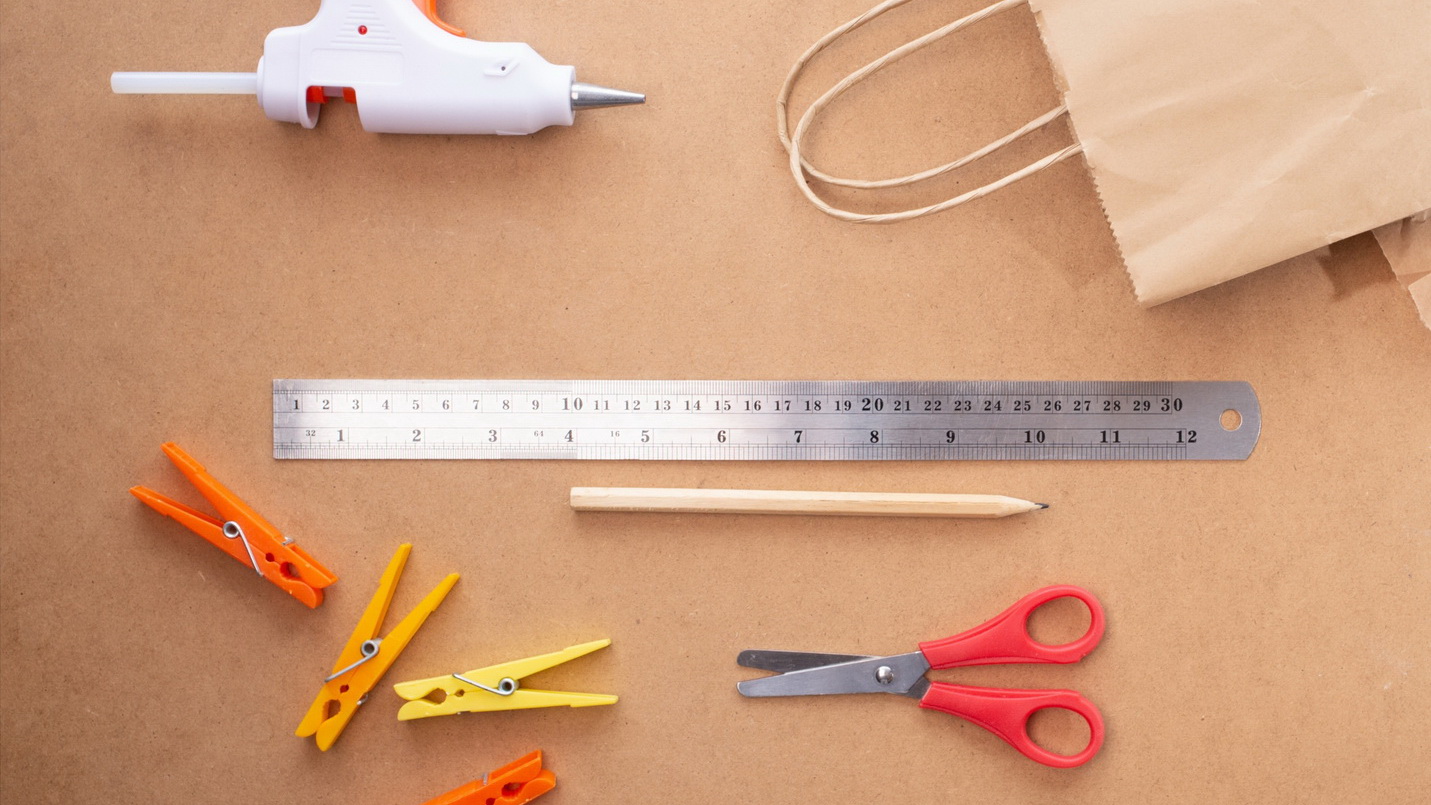
.jpg)
Fine motor skills are essential for children's overall development, particularly between the ages of 3 to 7, a critical window for growth. These skills involve the coordination of small muscles in the hands and fingers, enabling actions like writing, drawing, cutting, and manipulating small objects. Developing fine motor skills is crucial for fostering independence and self-confidence in children.
Parents and teachers should prioritize this area of development because strong fine motor skills directly influence academic success. For instance, children with well-developed skills tend to perform better in tasks that require precision, such as handwriting or art projects. Additionally, fine motor skills play a role in daily life activities, from buttoning clothing to tying shoelaces, supporting a child's sense of achievement and self-sufficiency.
Furthermore, fine motor development is linked to cognitive growth. Engaging children in activities that require fine motor skills—like puzzles, building blocks, or crafts—promotes critical thinking and problem-solving abilities.
By investing in fine motor skill improvement through play and structured activities, parents and teachers create a solid foundation for children's future learning and daily living skills, fostering creativity, concentration, and perseverance. This holistic approach benefits children's development and prepares them for a successful transition to more complex tasks in later years.








