Fine Motor Skills Worksheets for Ages 3-7 - Page 15
382 filtered results
-
From - To

Big Bad Wolf Printable Coloring Page
 Assign to My Students
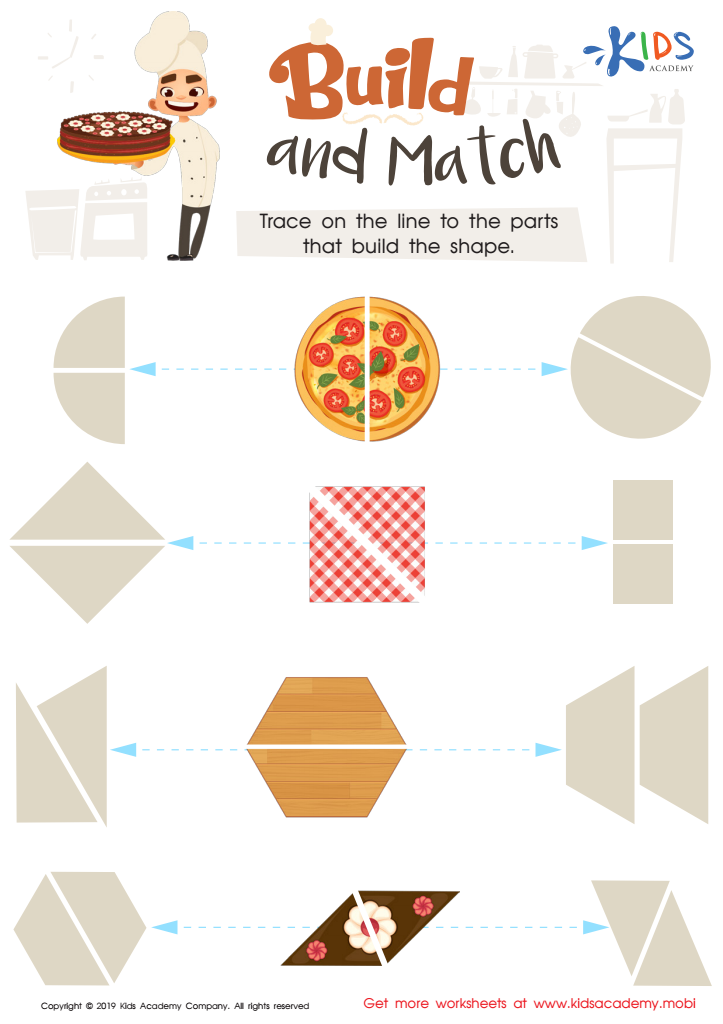
Build and Match Worksheet
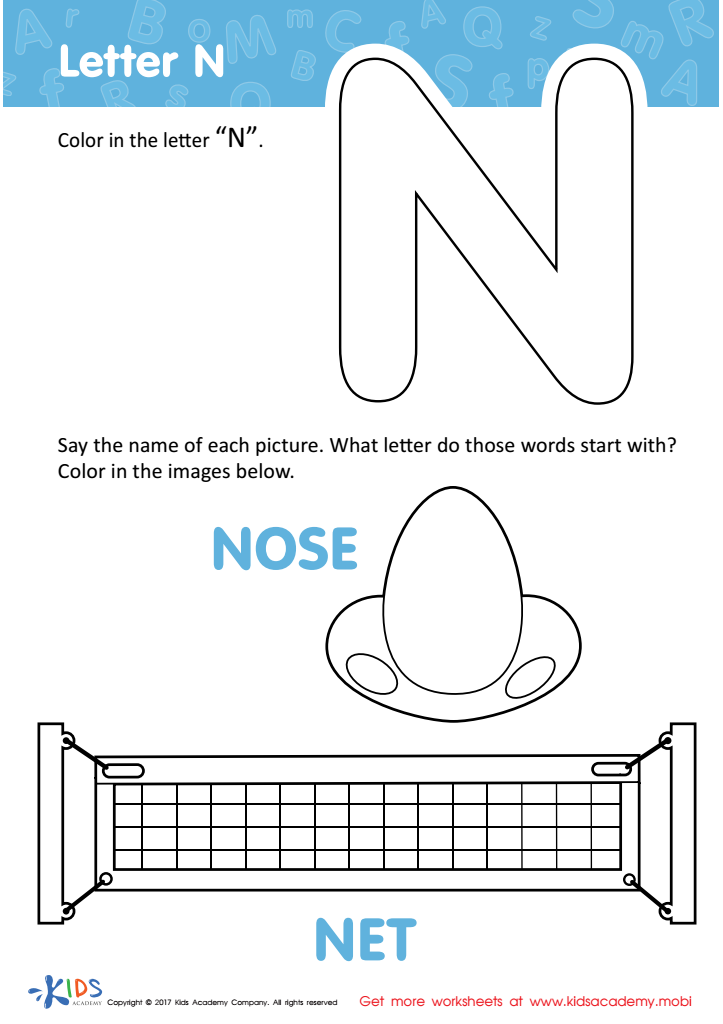
Letter N Coloring Sheet
Assign to My Students
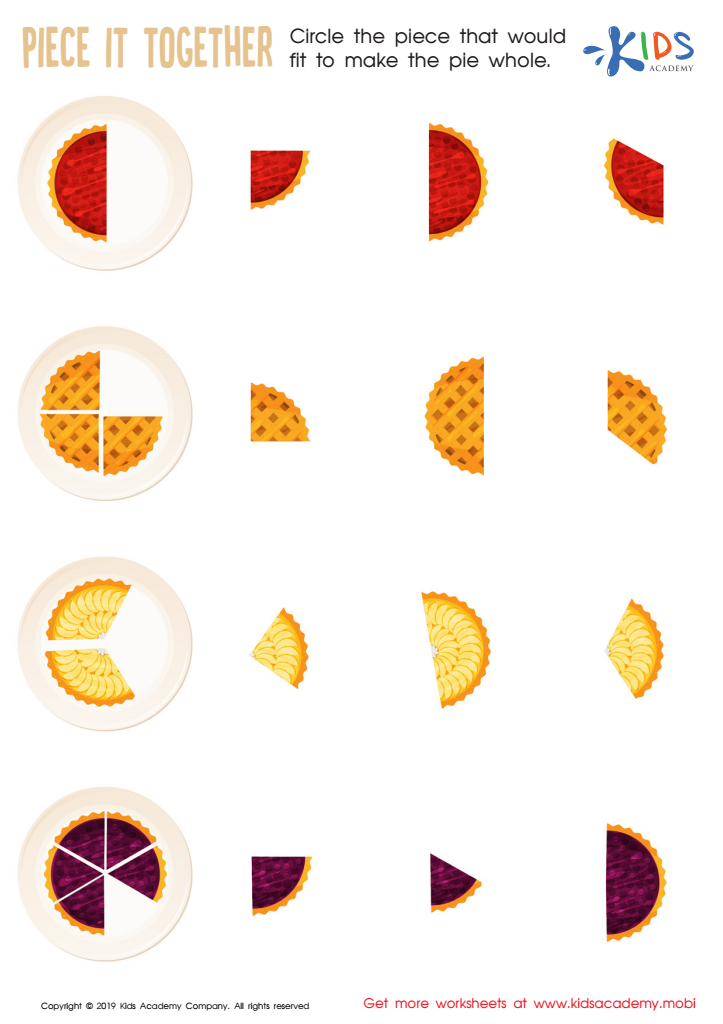
Piece it together Worksheet
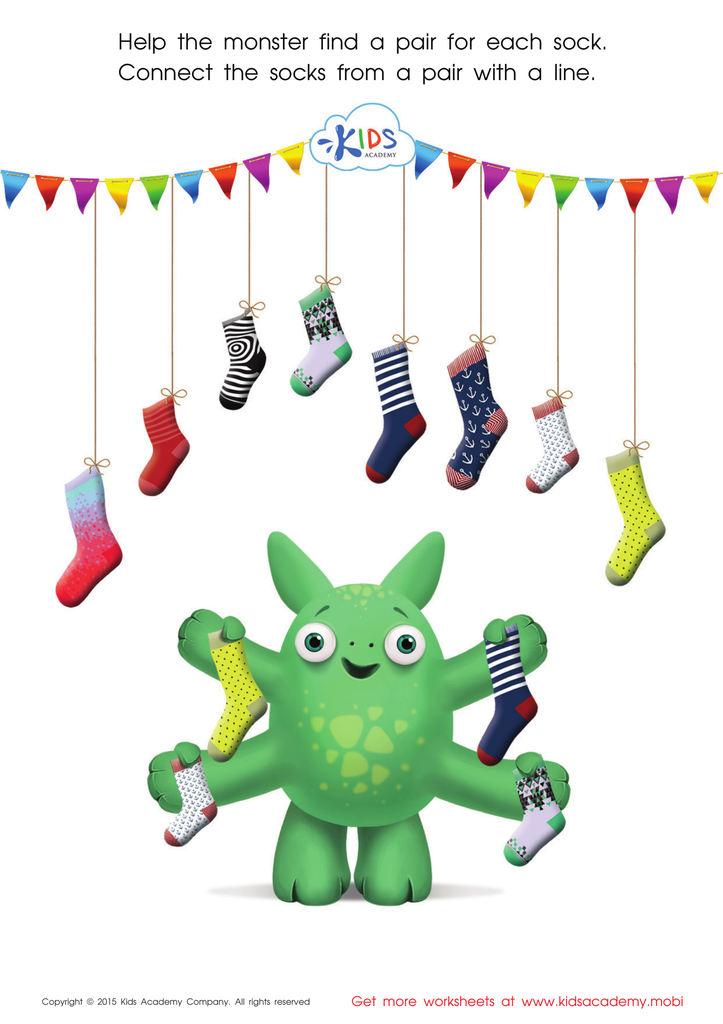
Math Matching Pairs Game: Monsterв's Socks Worksheet

Astronaut Coloring Page
Assign to My Students
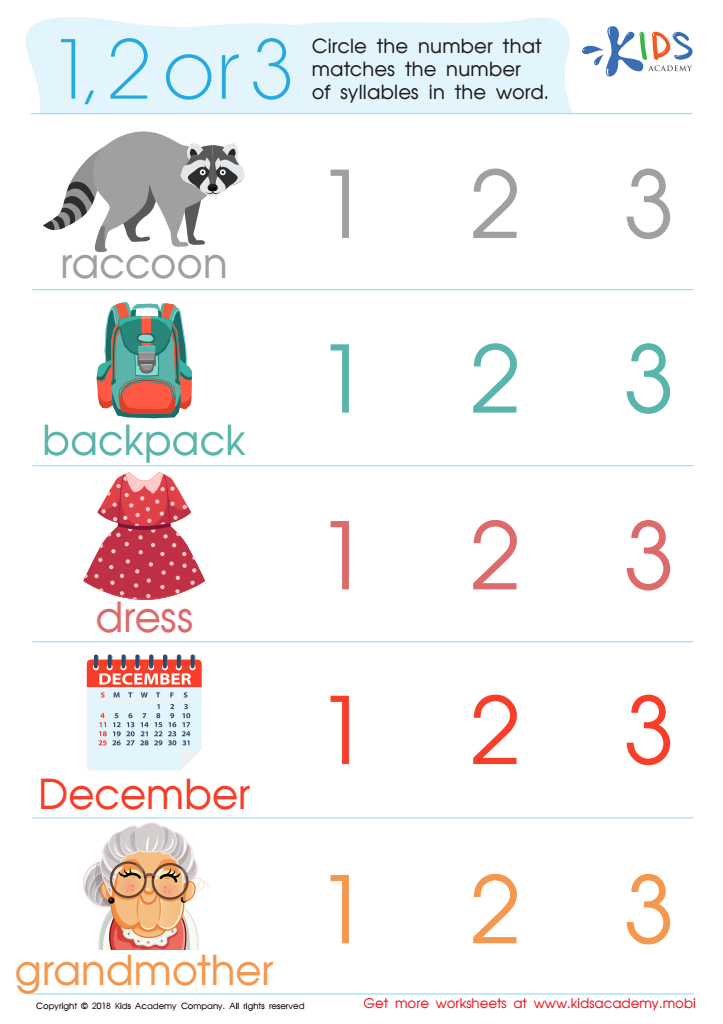
1, 2 or 3? Worksheet

Letter D Tracing Page

The Bingo Song: Coloring The Dog Worksheet
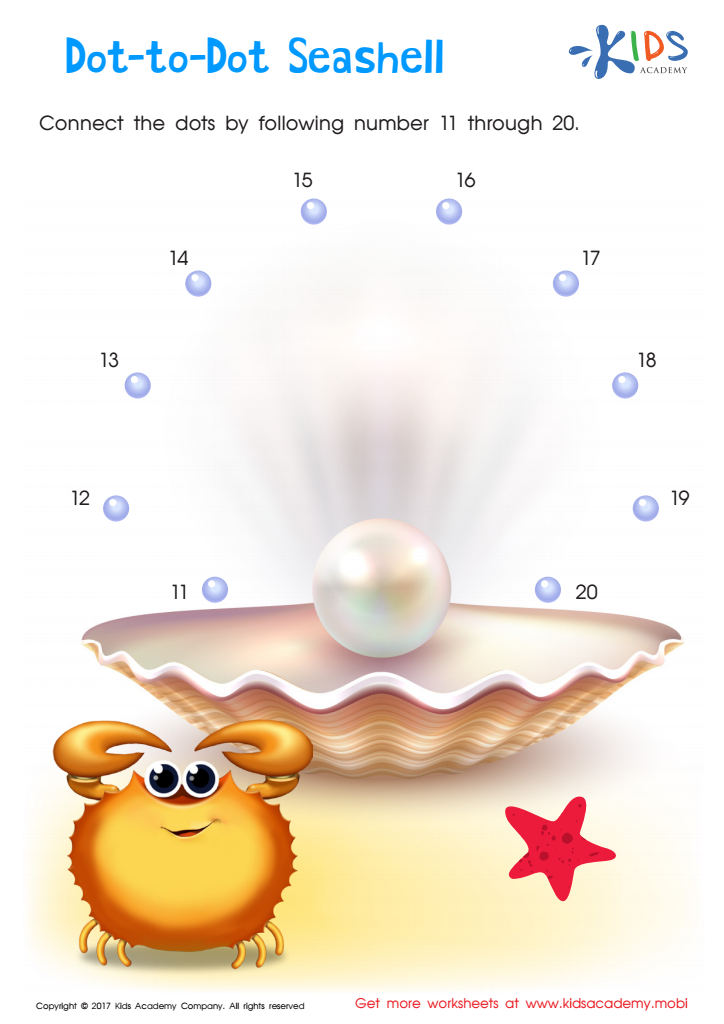
Ordering 11–20: Dot–to–dot Seashell Printable
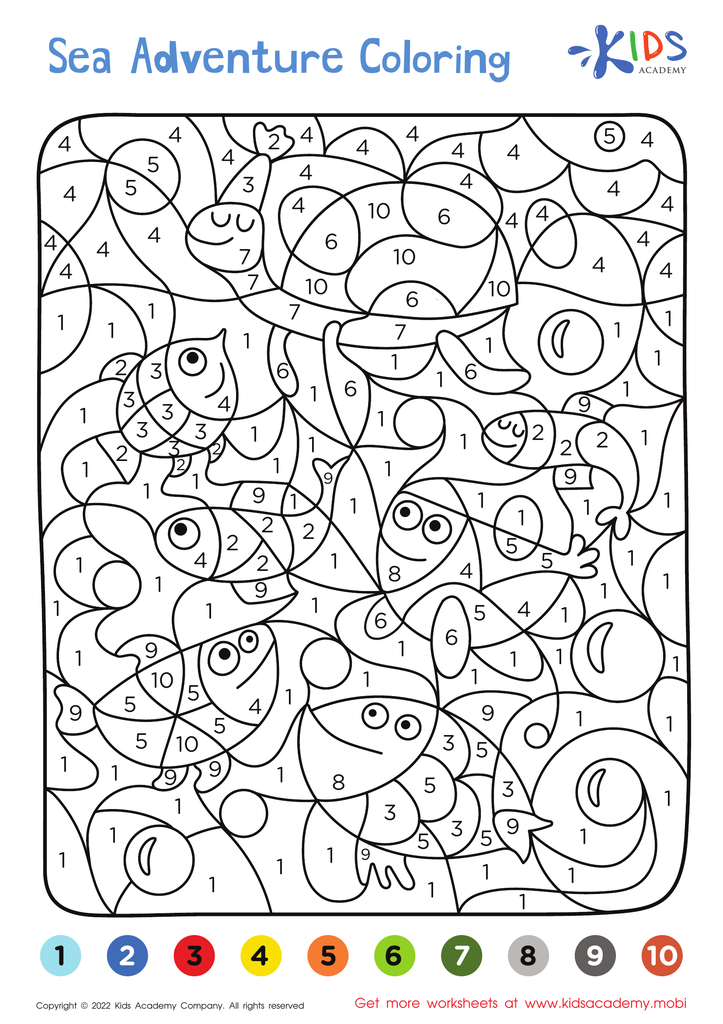
Sea Adventure – Coloring by Numbers
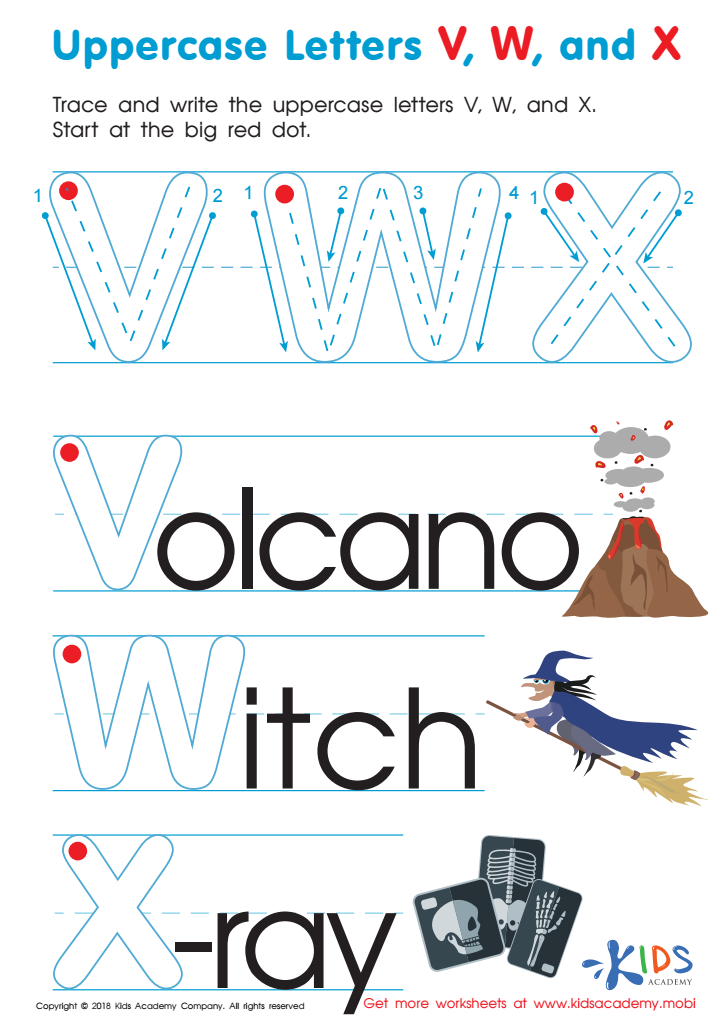
Uppercase Letters V, W, and X Worksheet

Count and Match: Feed the Animals Worksheet
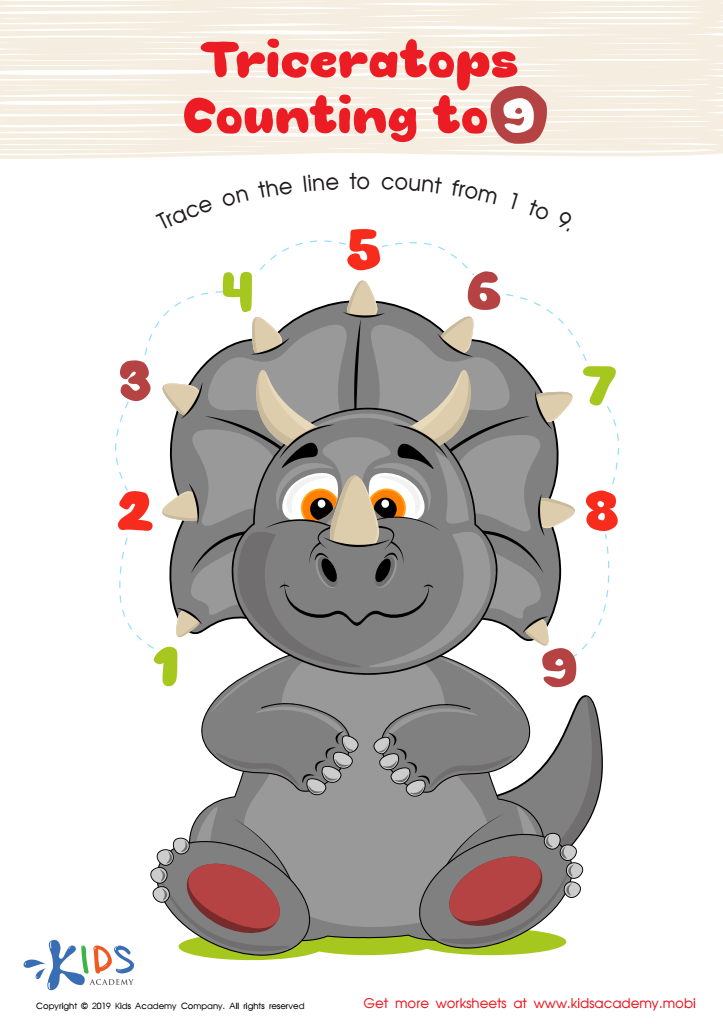
Triceratops Counting to 9 Worksheet
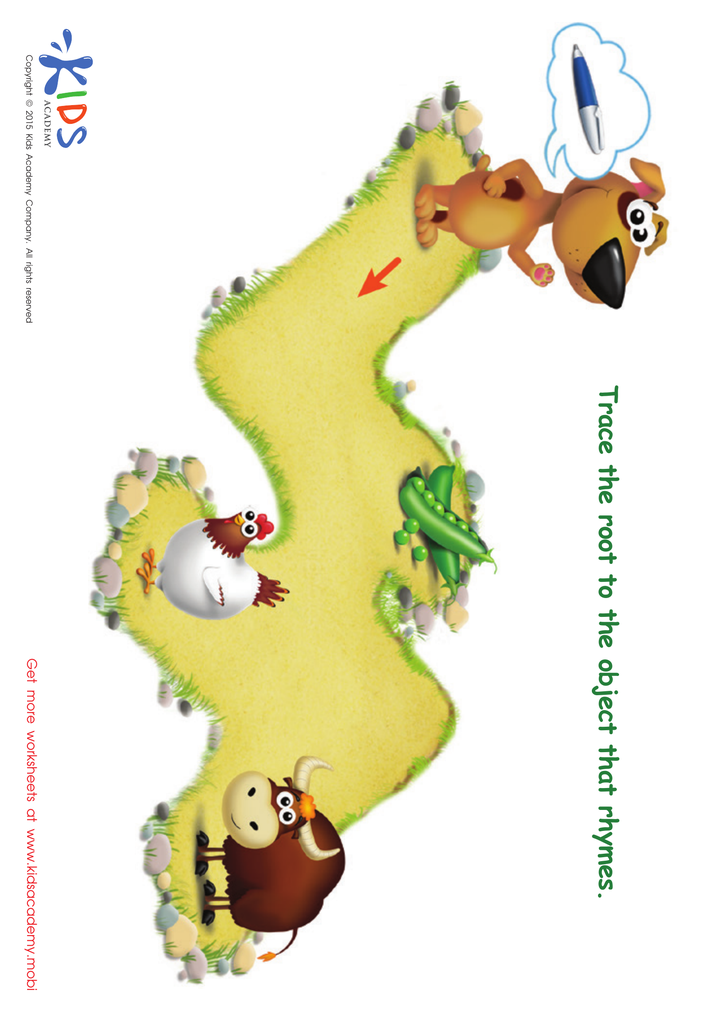
Pen Rhyming Words Worksheet

Great Hornbill – Coloring by Numbers

Counting on the City Skyline: Dot-to-Dot Worksheet
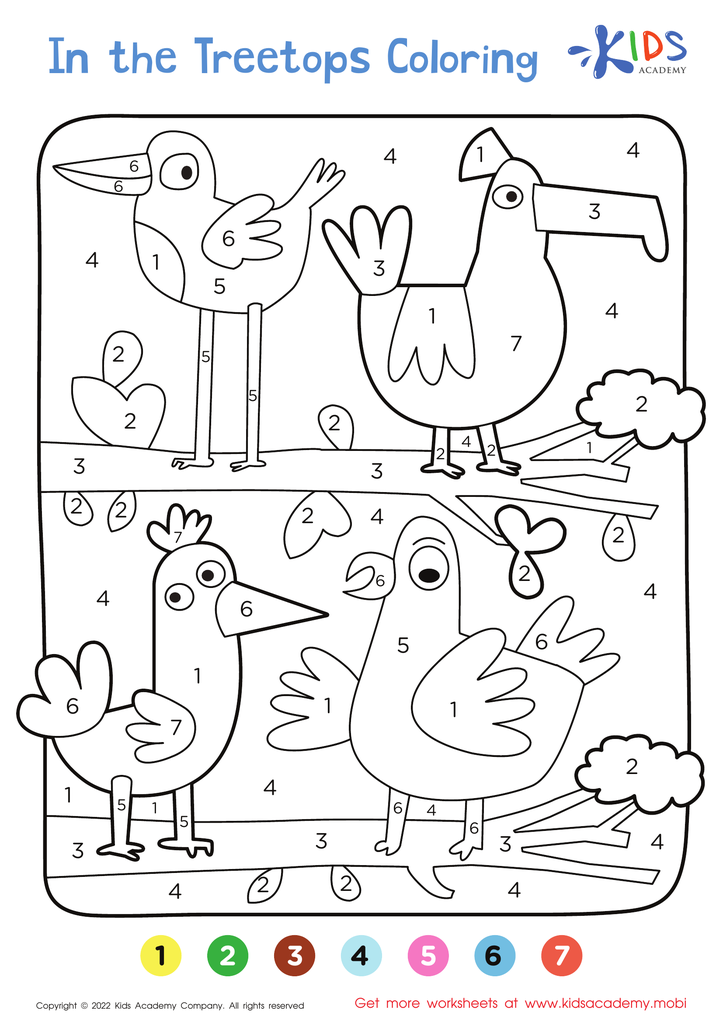
In the Treetops – Coloring Page

Twinkle, Twinkle, Little Star – Coloring by Numbers
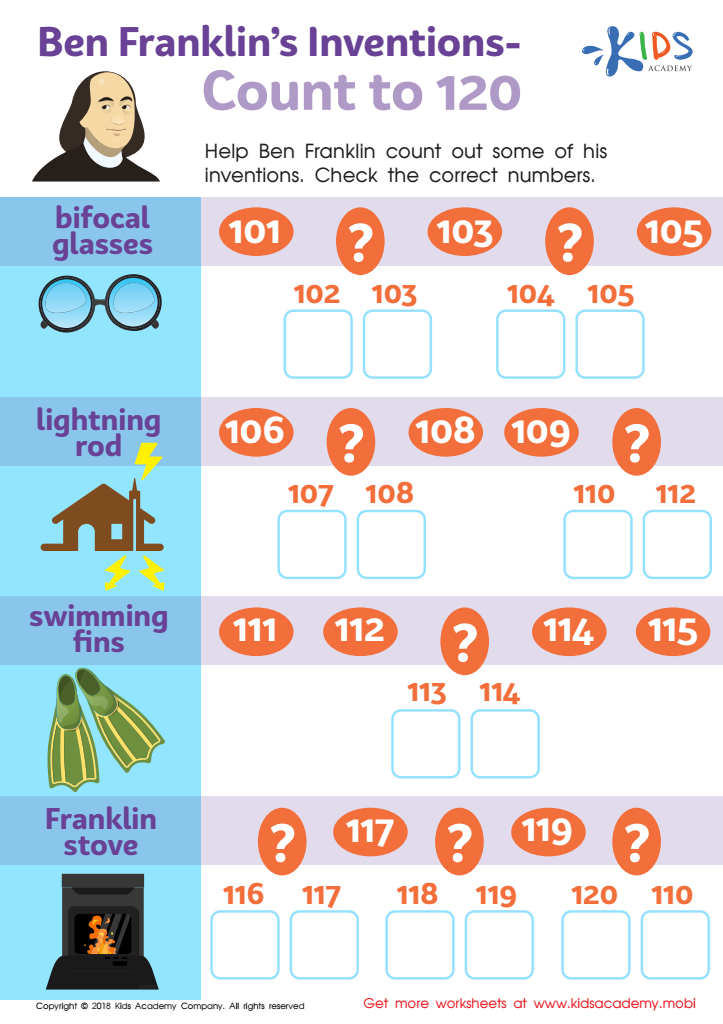
Ben Franklin’s Inventions – Count to 120 Worksheet





.jpg)


Fine motor skills are crucial for children aged 3-7 as they lay the foundation for many everyday activities and learning experiences. These skills involve the coordination of small muscles in the hands and fingers, enabling tasks such as writing, drawing, and using tools. For parents and teachers, fostering fine motor development during these formative years is essential for several reasons.
Firstly, strong fine motor skills enhance a child's ability to participate effectively in classroom activities. Tasks like buttoning a shirt, cutting with scissors, or using a pencil become easier, allowing children to express themselves creatively and independently. Secondly, fine motor skills are linked to academic success; for example, they support writing proficiency, which is fundamental in early education.
Moreover, fine motor activities promote cognitive development, as children learn to manipulate objects, solve problems, and follow directions. Engaging in activities like coloring, crafting, or playing with blocks also encourages concentration and perseverance. Additionally, the emotional benefits include increased self-esteem as children master new skills. Overall, investing time in fine motor skill development provides lifelong advantages, making it a priority for parents and teachers alike.








