Identifying fractions Worksheets for Ages 3-7
6 filtered results
-
From - To
Discover our engaging Identifying Fractions Worksheets designed for children aged 3-7! These fun and interactive resources help young learners grasp the basics of fractions through colorful visuals and age-appropriate activities. Each worksheet encourages children to recognize and understand simple fractions with relatable examples, making learning enjoyable and effective. Ideal for both classroom and home use, our worksheets promote hands-on practice, fostering essential math skills early on. Boost your child's confidence in fractions while developing their critical thinking and problem-solving abilities. Download these printable worksheets today and watch your child's mathematical journey flourish! Perfect for supporting preschool and early elementary curricula!
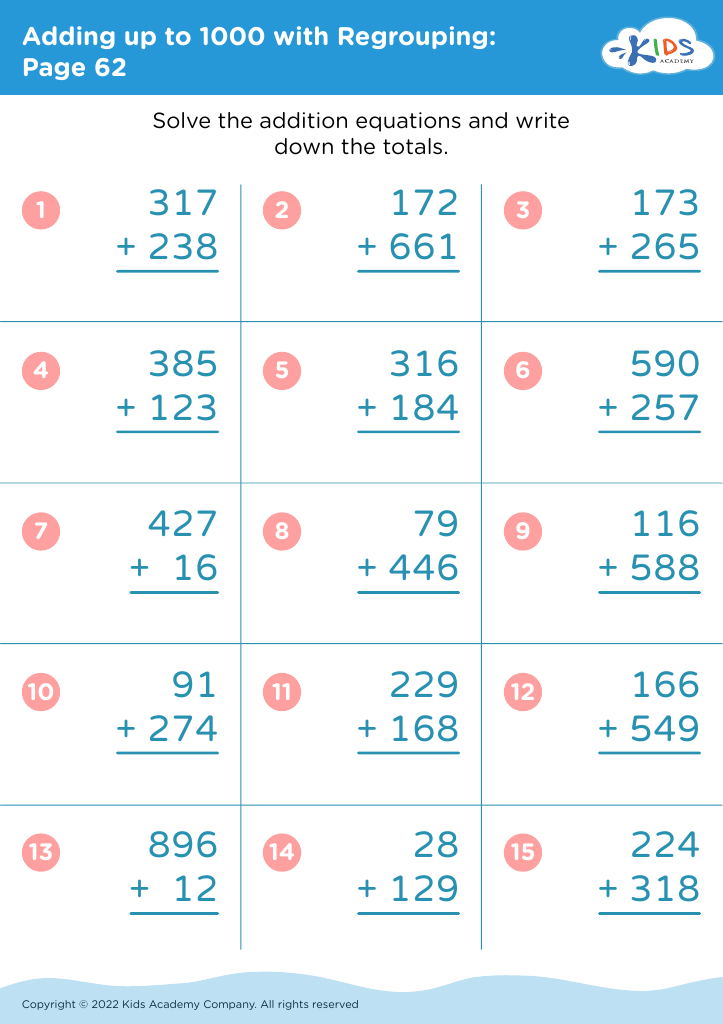
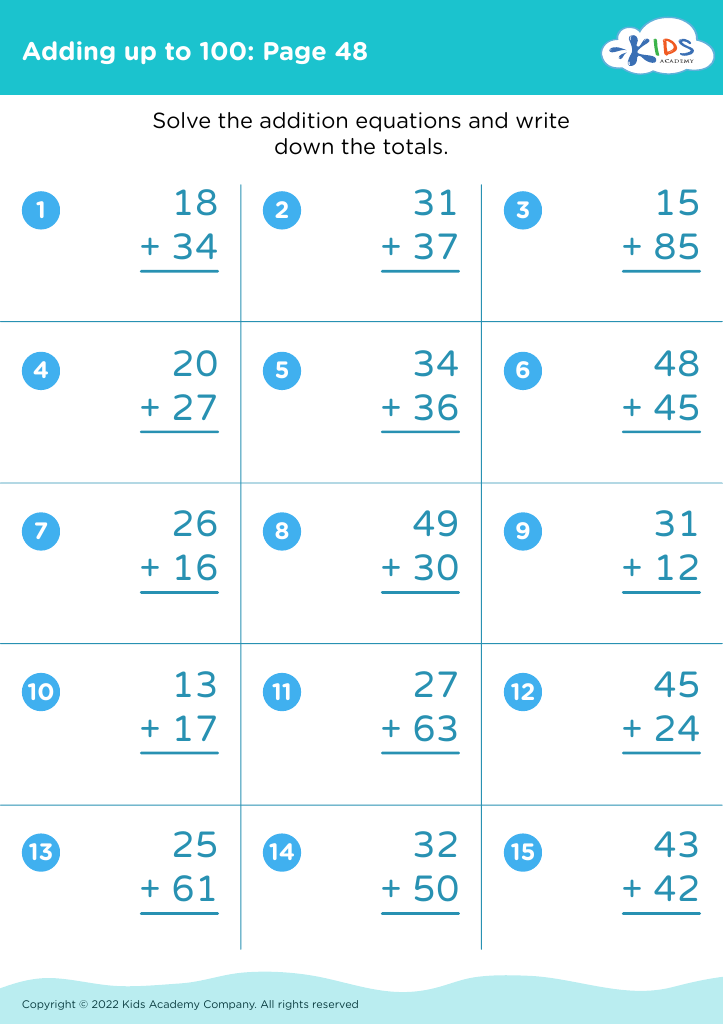
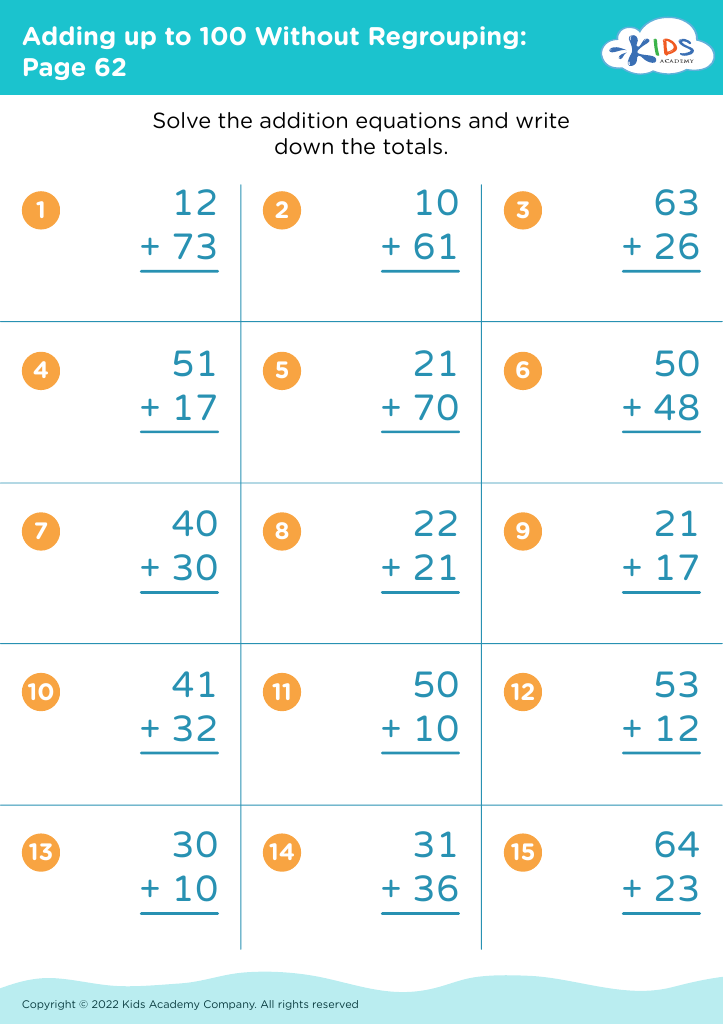
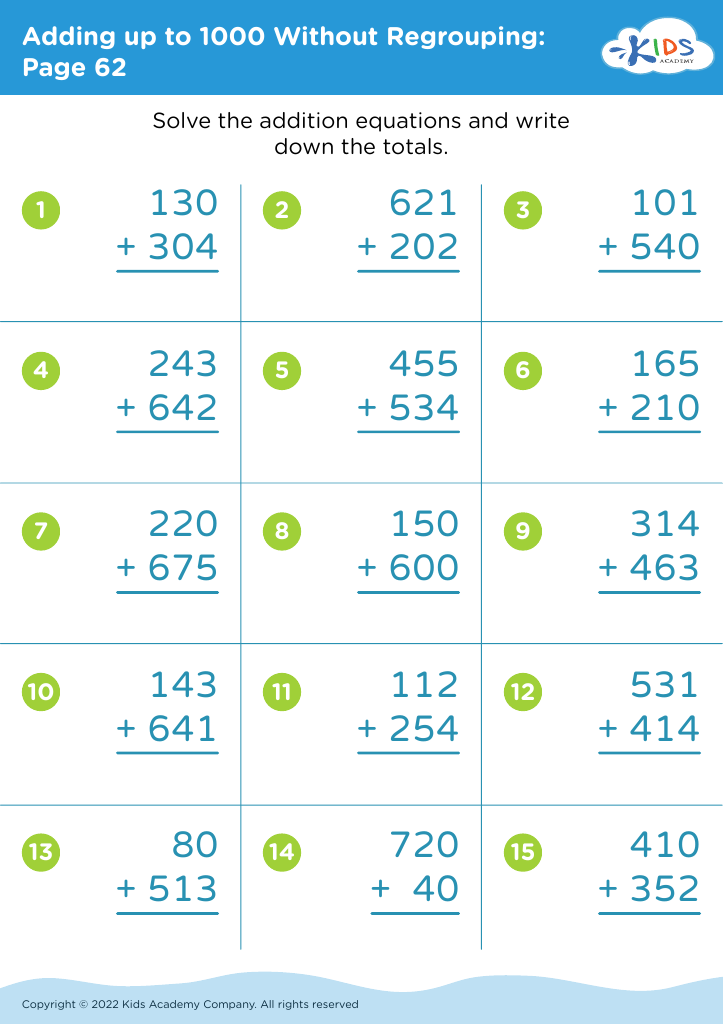








Identifying fractions is a foundational mathematical concept that plays a crucial role in children's overall cognitive development, especially for ages 3-7. At this early age, children are naturally curious and eager to explore. When parents and teachers introduce fractions through tangible experiences—like sharing a pizza or measuring ingredients in a recipe—they make math relatable and enjoyable. This hands-on learning reinforces the understanding of parts and wholes, which is essential for future math skills.
Early introduction to fractions supports critical thinking and problem-solving skills. Children learn to compare sizes, understand proportions, and make decisions based on reasoning. This lays the groundwork for advanced concepts such as addition and subtraction of fractions, which they will encounter later in their education.
Moreover, recognizing fractions helps improve language development. Discussing divisions in simple terms (like “half” or “quarter”) fosters vocabulary expansion and communication skills.
Finally, grasping fractions nurtures a positive attitude towards math. When parents and teachers emphasize the importance of this concept, children become more confident and willing to tackle challenges in mathematics, ultimately paving the way for lifelong learning and academic success. Thus, promoting an understanding of fractions early on can have far-reaching benefits for a child's development.








