Introduce your child to the exciting world of numbers with our "Improve Math Skills Worksheets for Ages 3-7". Designed by educational experts, these fun and engaging printable worksheets help youngsters build a solid math foundation. Your child will enjoy solving puzzles, counting objects, and mastering basic arithmetic while developing crucial skills such as problem-solving, logical thinking, and fine motor coordination. Ideal for preschool and early elementary students, our worksheets transform learning into a delightful adventure. Give your child the best start in their mathematical journey with our expertly-crafted resources!


Check out this FREE "Improve math skills" Trial Lesson for age 3-7!

T

Favorites
With answer key
Interactive
  • 3-7
  • Improve math skills
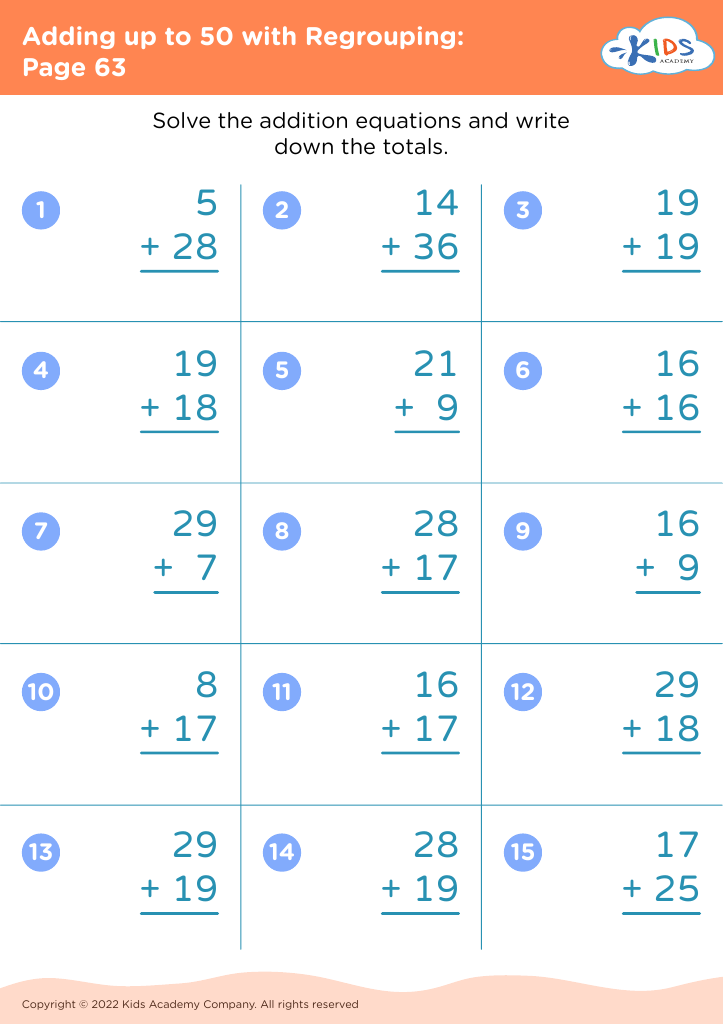
Adding up to 50 with Regrouping: Page 63
Worksheet
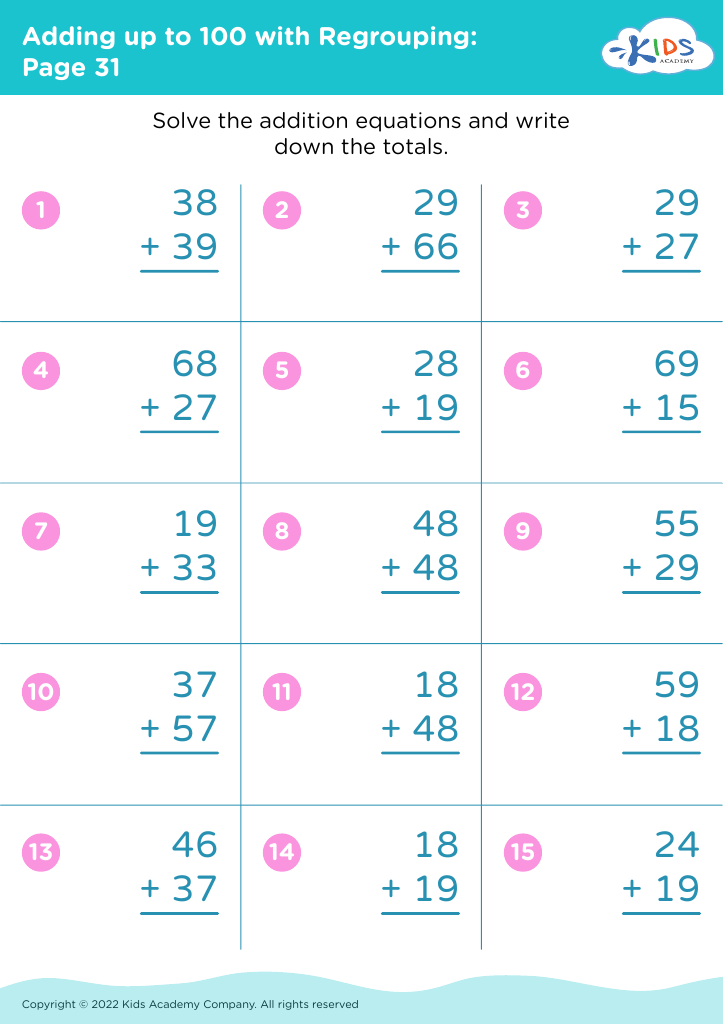
Adding up to 100 with Regrouping: Page 31
Worksheet
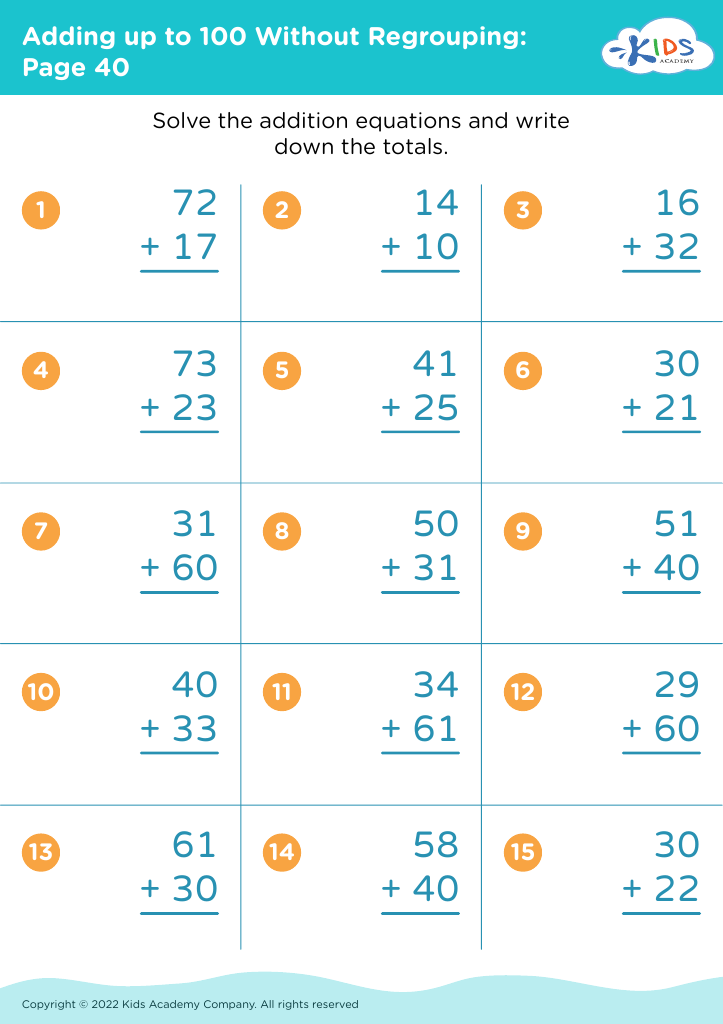
Adding up to 100 Without Regrouping: Page 40
Worksheet
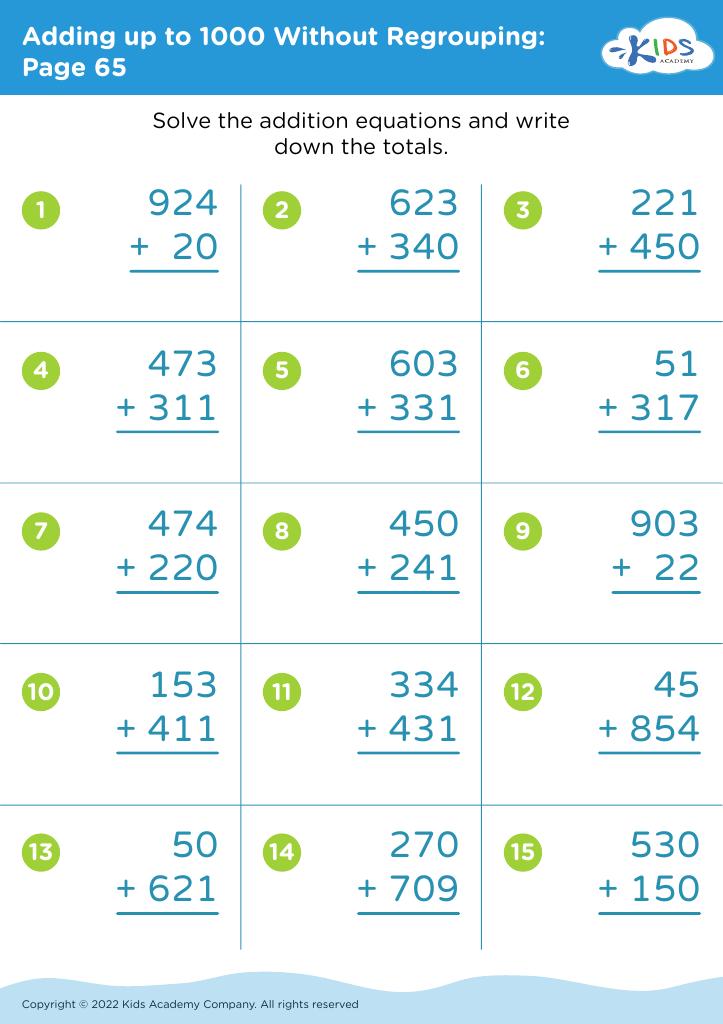
Adding up to 1000 Without Regrouping: Page 65
Worksheet
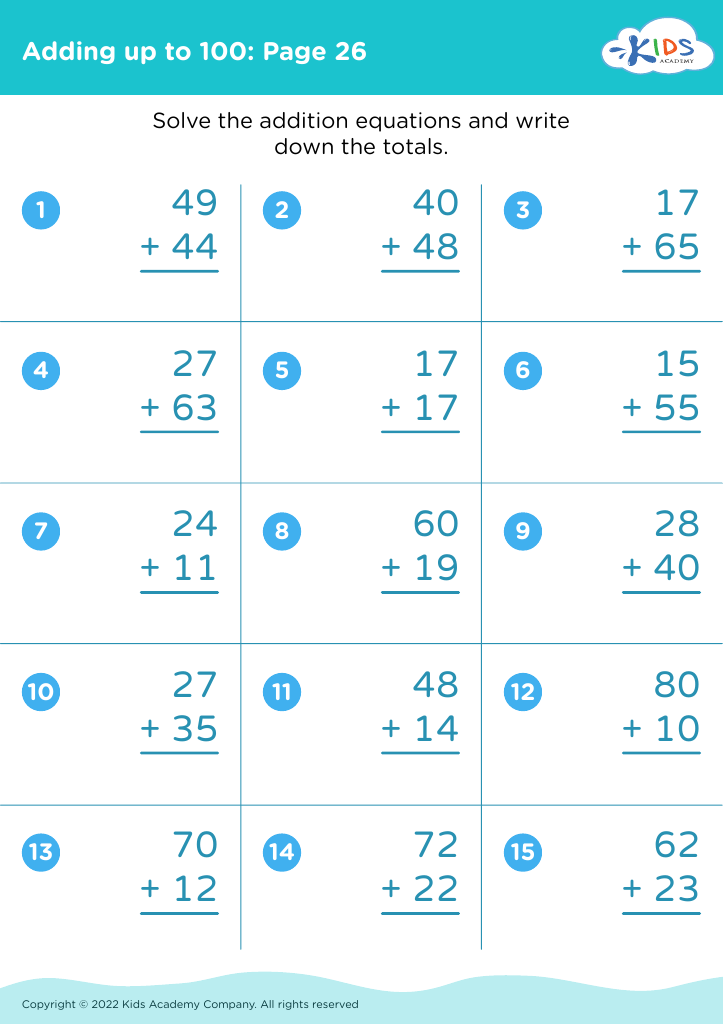
Adding up to 100: Page 26

Adding up to 100: Page 26

Adding up to 100: Page 26
Worksheet
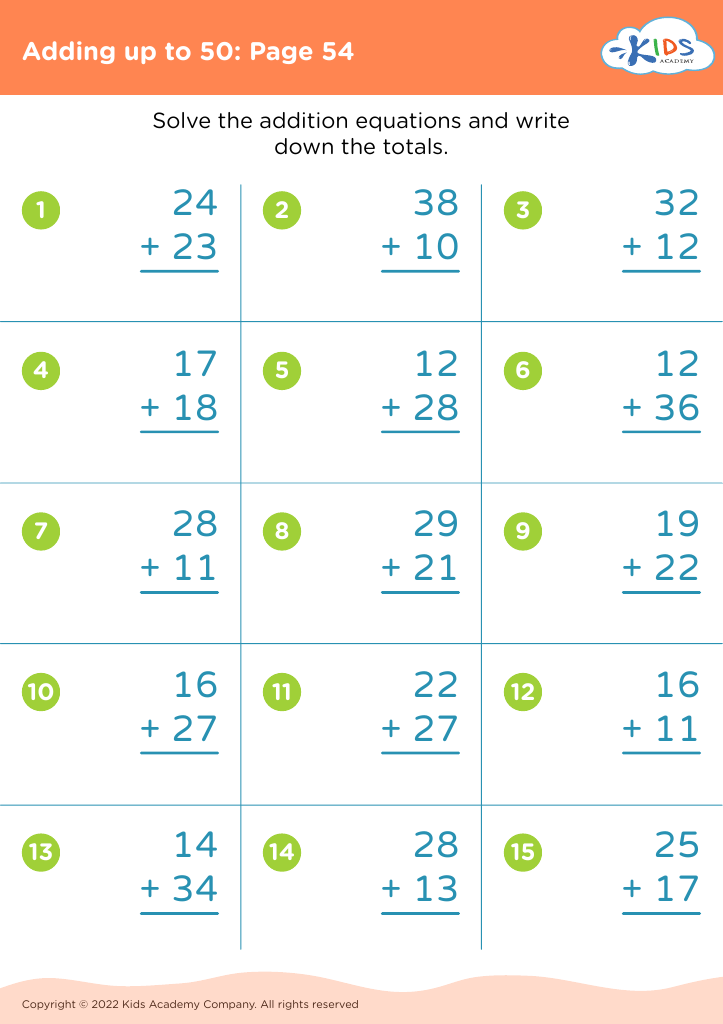
Adding up to 50: Page 54

Adding up to 50: Page 54

Adding up to 50: Page 54
Worksheet
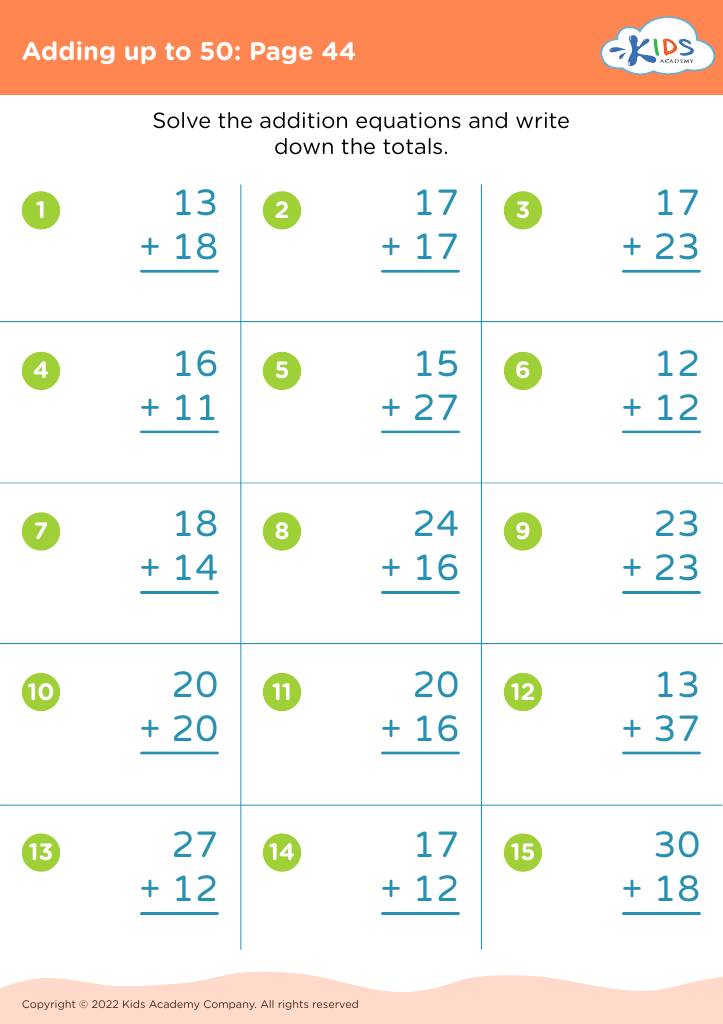
Adding up to 50: Page 44

Adding up to 50: Page 44

Adding up to 50: Page 44
Worksheet
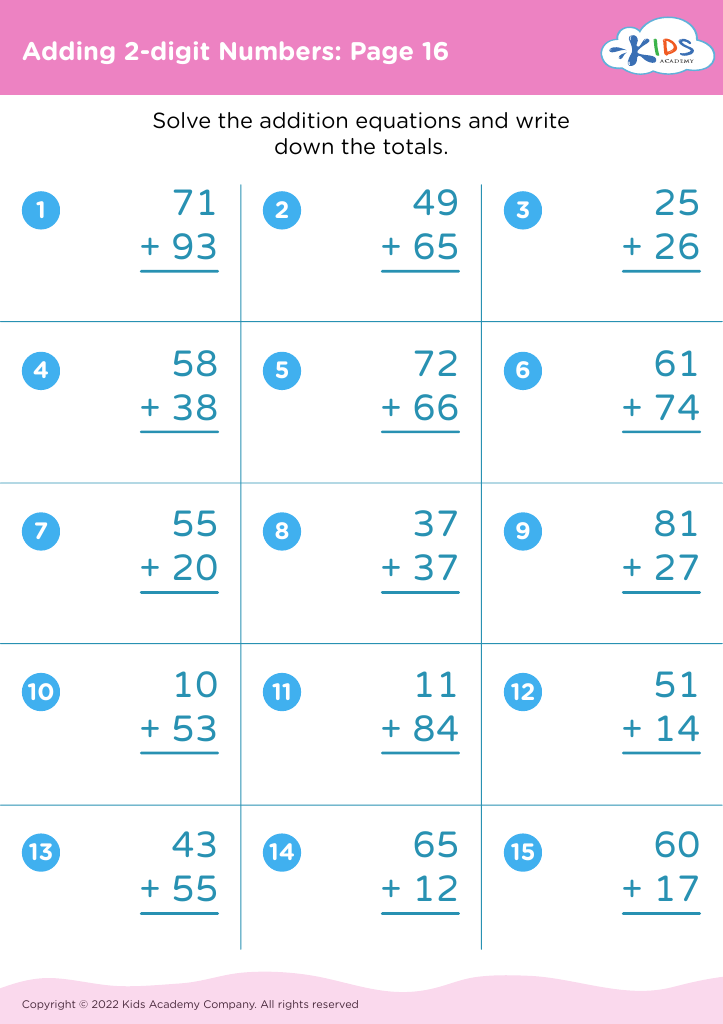
Adding 2-digit Numbers: Page 16

Adding 2-digit Numbers: Page 16

Adding 2-digit Numbers: Page 16
Worksheet
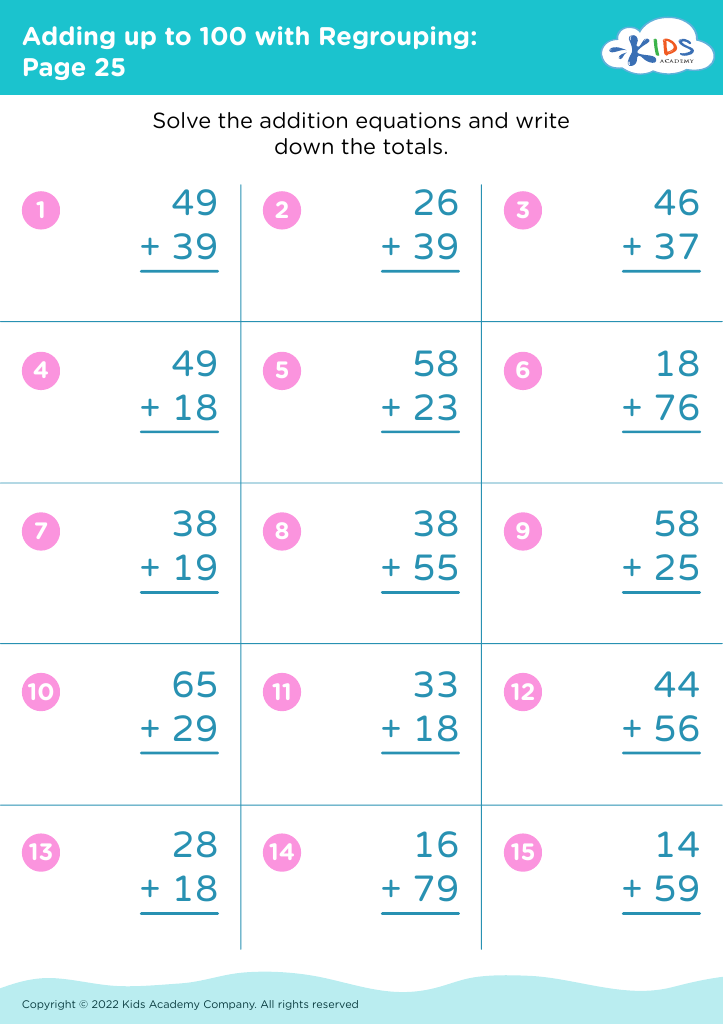
Adding up to 100 with Regrouping: Page 25
Worksheet
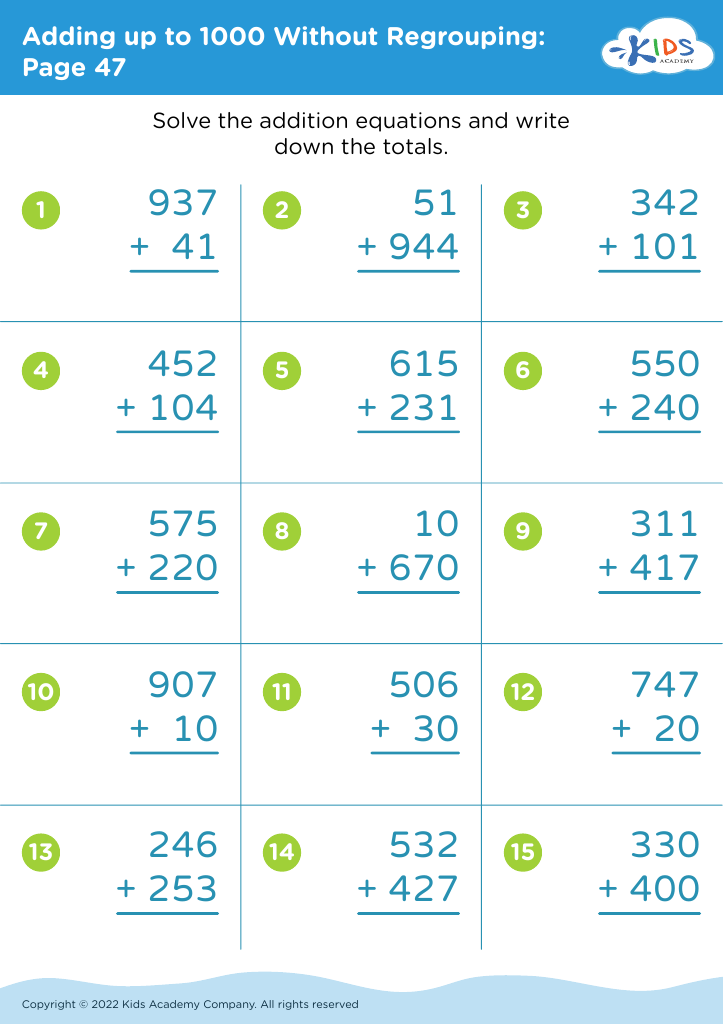
Adding up to 1000 Without Regrouping: Page 47
Worksheet
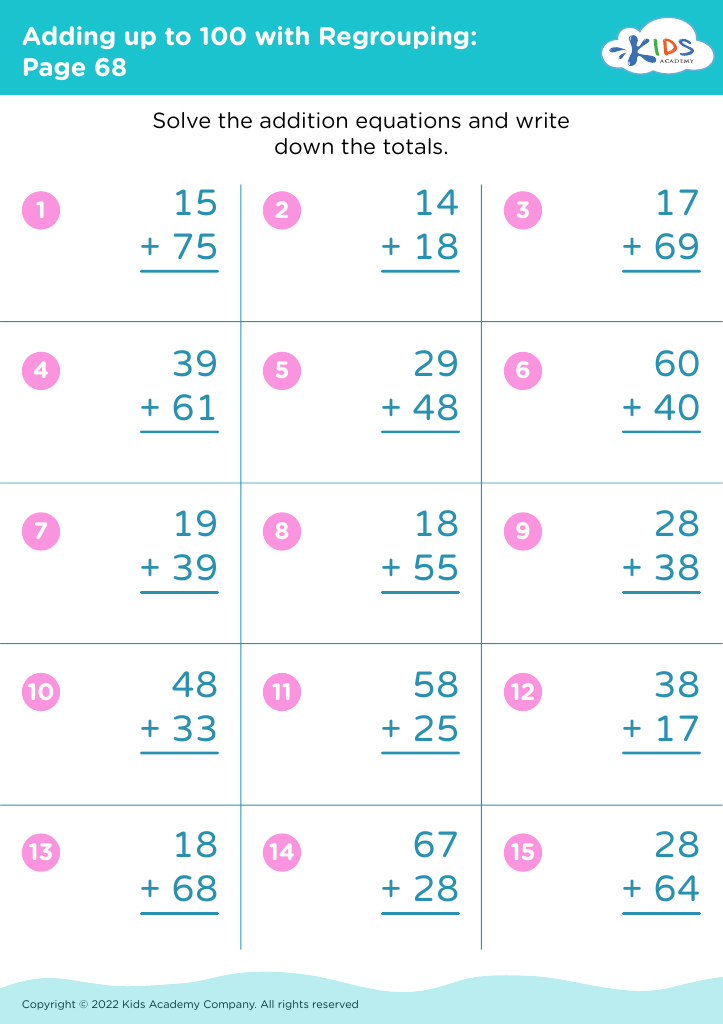
Adding up to 100 with Regrouping: Page 68
Worksheet
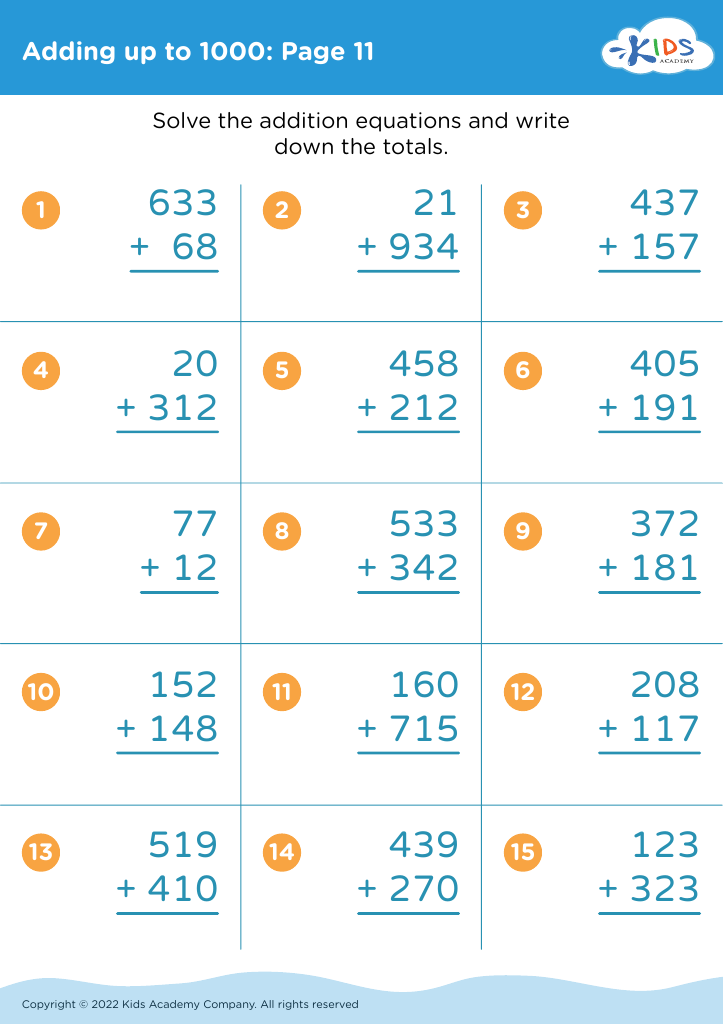
Adding up to 1000: Page 11

Adding up to 1000: Page 11

Adding up to 1000: Page 11
Worksheet
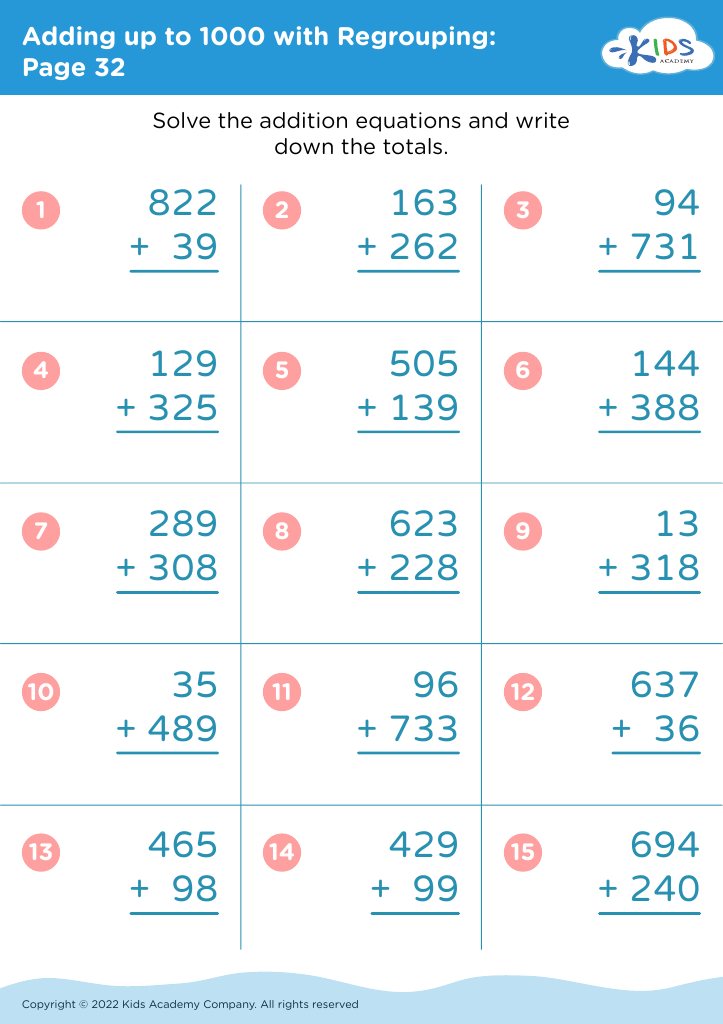
Adding up to 1000 with Regrouping: Page 32
Worksheet
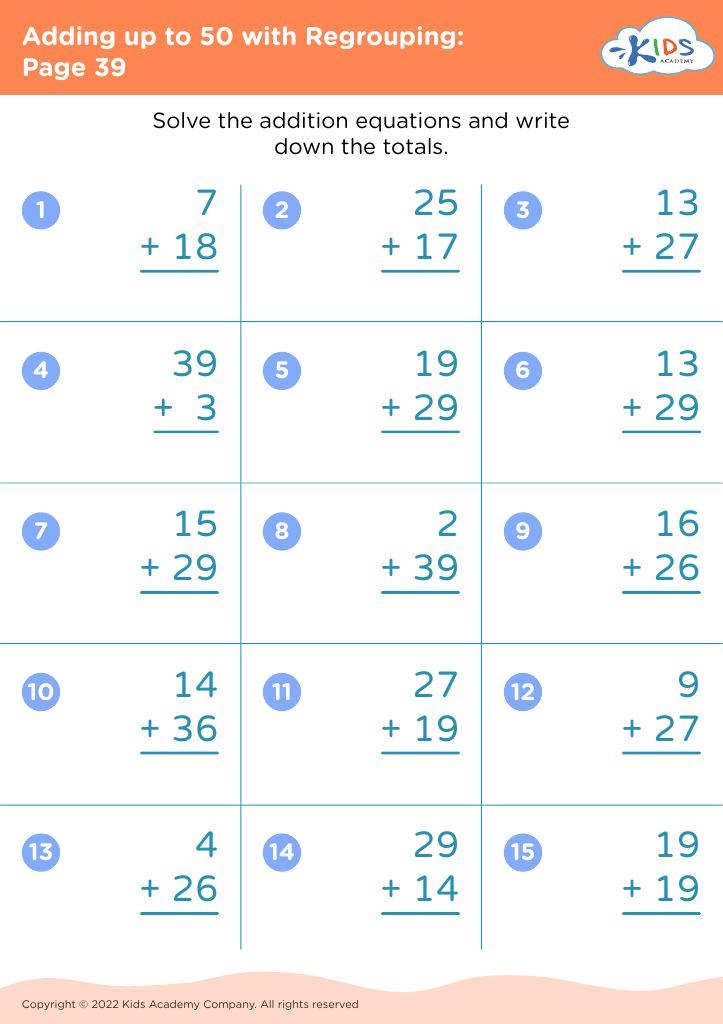
Adding up to 50 with Regrouping: Page 39
Worksheet
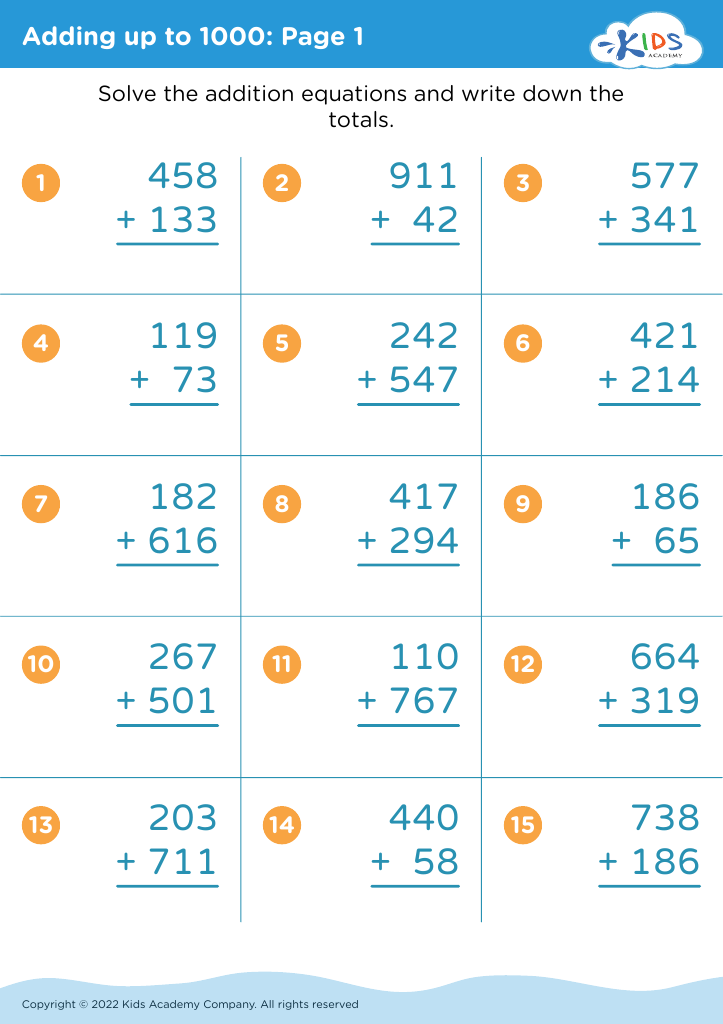
Adding up to 1000: Page 1

Adding up to 1000: Page 1

Adding up to 1000: Page 1
Worksheet
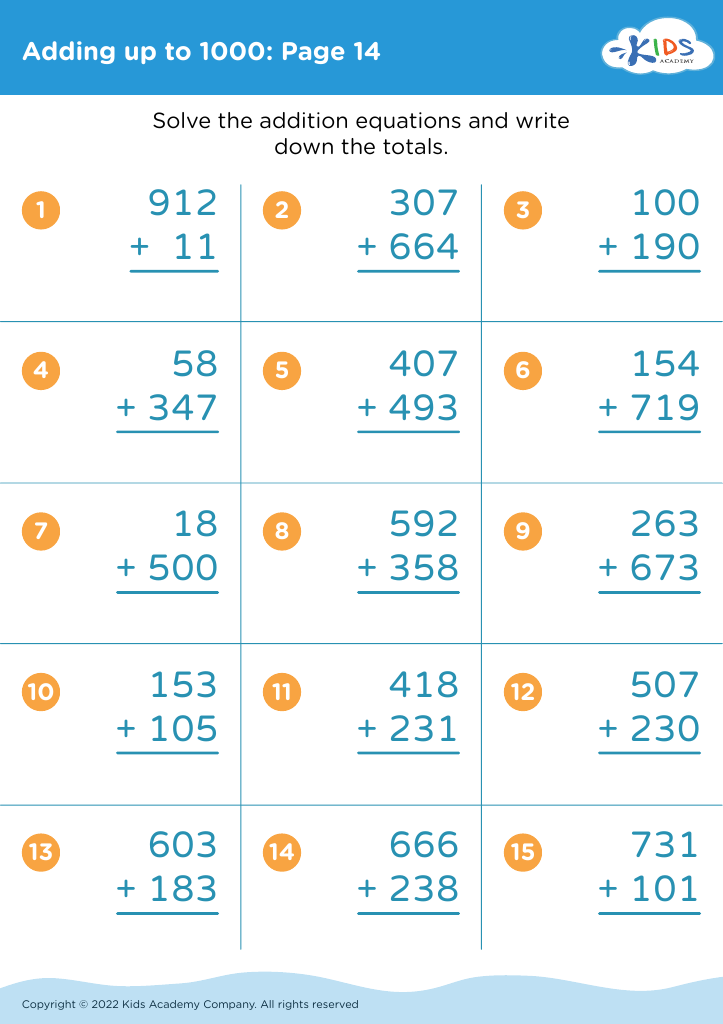
Adding up to 1000: Page 14

Adding up to 1000: Page 14

Adding up to 1000: Page 14
Worksheet
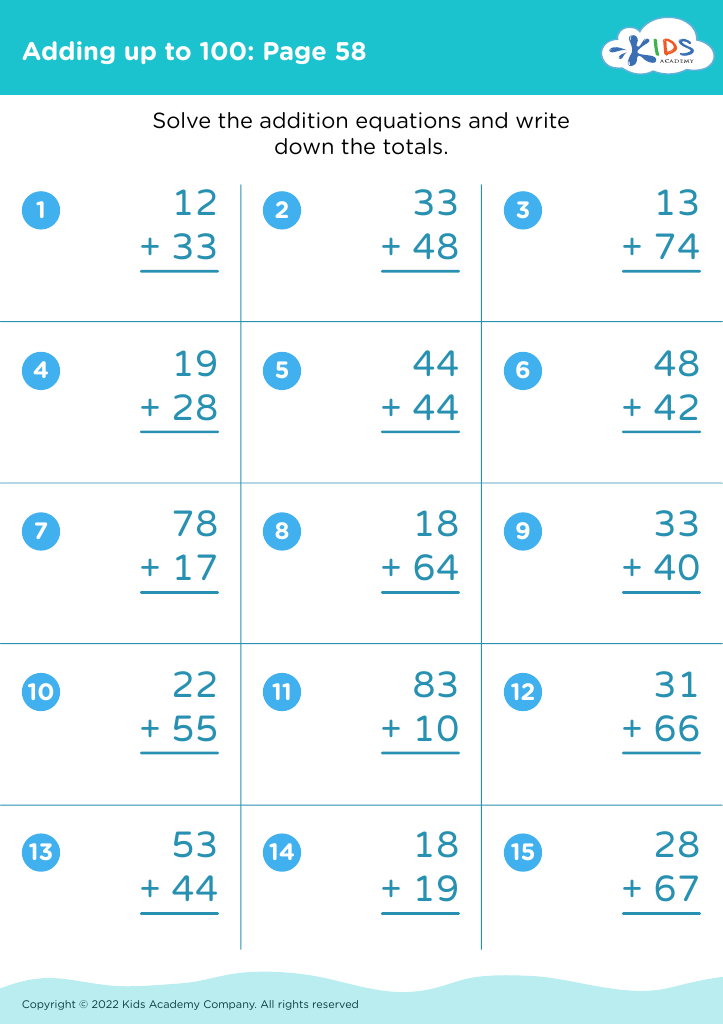
Adding up to 100: Page 58

Adding up to 100: Page 58

Adding up to 100: Page 58
Worksheet
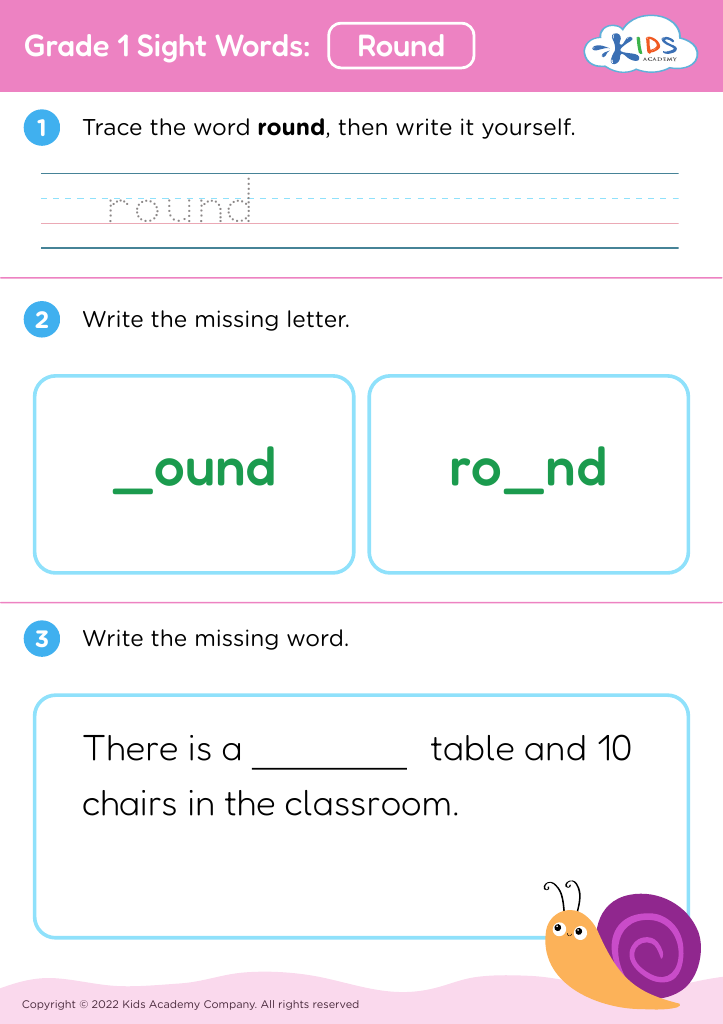
Grade 1 Sight Words: Round

Grade 1 Sight Words: Round

Grade 1 Sight Words: Round
Worksheet
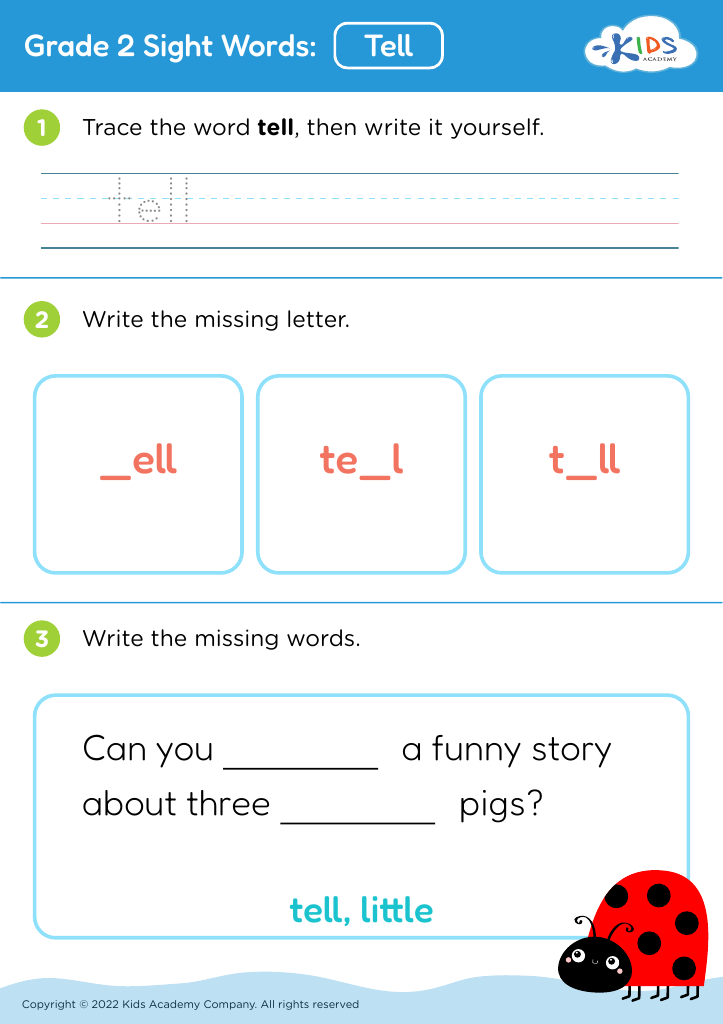
Grade 2 Sight Words: Tell

Grade 2 Sight Words: Tell

Grade 2 Sight Words: Tell
Worksheet
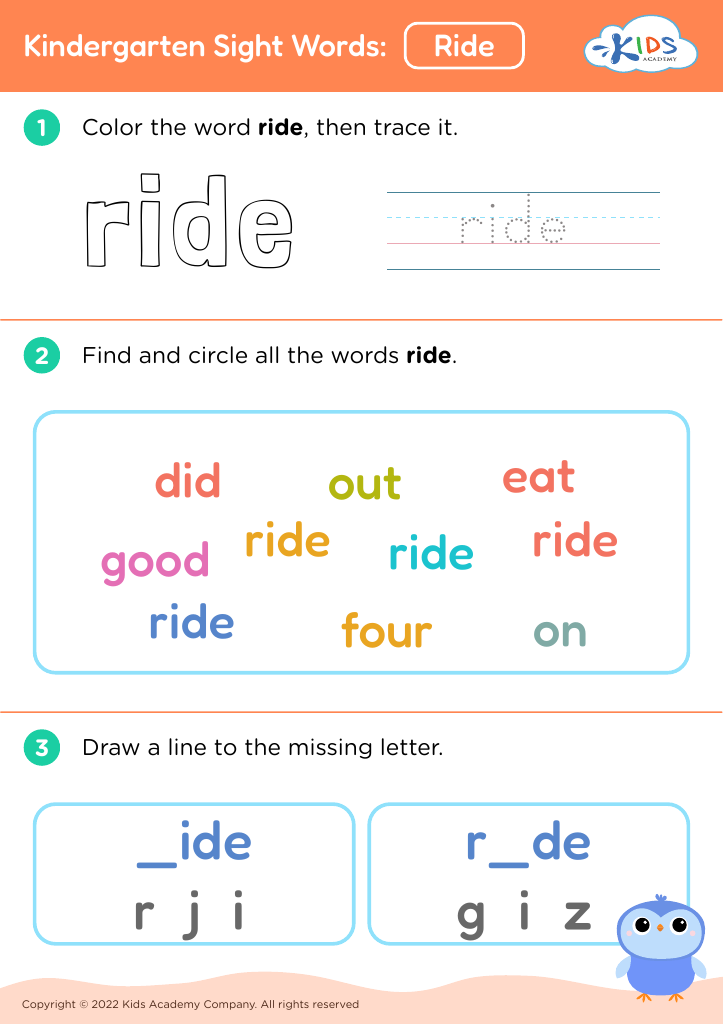
Kindergarten Sight Words: Ride

Kindergarten Sight Words: Ride

Kindergarten Sight Words: Ride
Worksheet


Improving math skills for children aged 3-7 is essential as it lays the foundation for their cognitive development and future academic success. During these formative years, children's brains are highly receptive to learning new concepts, and early exposure to mathematical thinking can enhance their problem-solving and critical-thinking abilities. Mastering basic math skills, such as counting, number recognition, and simple arithmetic, helps build confidence in their abilities, setting a positive tone for future learning.

Parents and teachers play a crucial role in creating engaging and supportive learning environments. In early childhood, mathematical concepts can be introduced through playful activities, games, and everyday experiences, making learning both fun and relevant. When children develop a solid understanding of basic math principles, they are better prepared for more complex concepts introduced in higher grades.

Moreover, strong early math skills are linked to better performance not just in mathematics, but in other subjects too. Math teaches children to recognize patterns, think logically, and make sense of the world around them. By prioritizing the development of math skills at a young age, parents and teachers can help children achieve long-term academic success, foster a love for learning, and equip them with key skills necessary for everyday life and future careers.