Improve vocabulary Worksheets for Ages 3-7
8 filtered results
-
From - To
Enhance your child's language skills with our engaging "Improve Vocabulary Worksheets for Ages 3-7!" Designed specifically for young learners, these interactive printables offer fun activities that introduce new words and foster a love for language. Each worksheet features captivating themes and age-appropriate exercises, including matching words, identifying pictures, and fill-in-the-blank tasks. These resources not only build vocabulary but also support reading comprehension and cognitive development. Perfect for parents and educators alike, our worksheets make vocabulary learning exciting and effective, helping your child express themselves confidently. Start your vocabulary journey today and watch them flourish in communication skills!
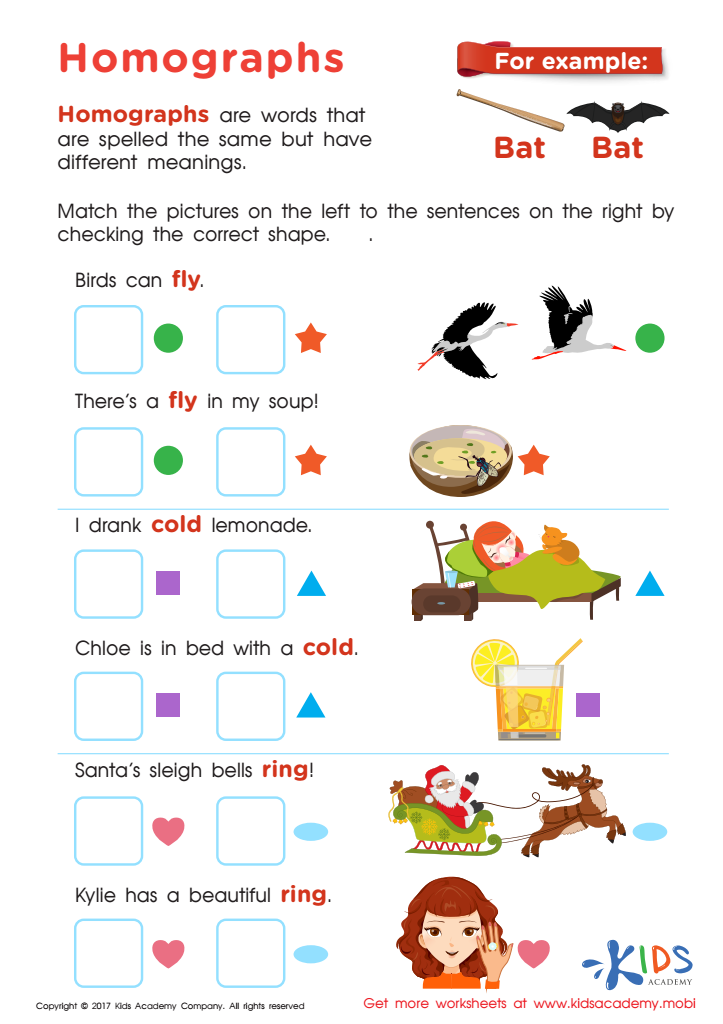
Homographs Free Printable Worksheet
 Assign to My Students
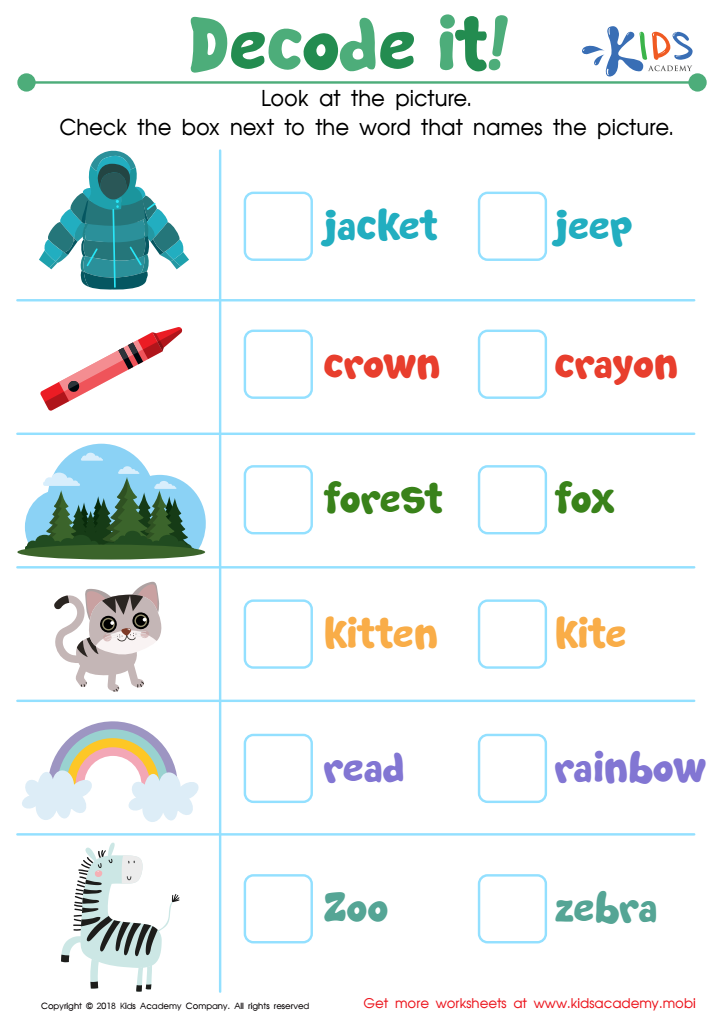
Reading: Decode It Worksheet

Homes Worksheet
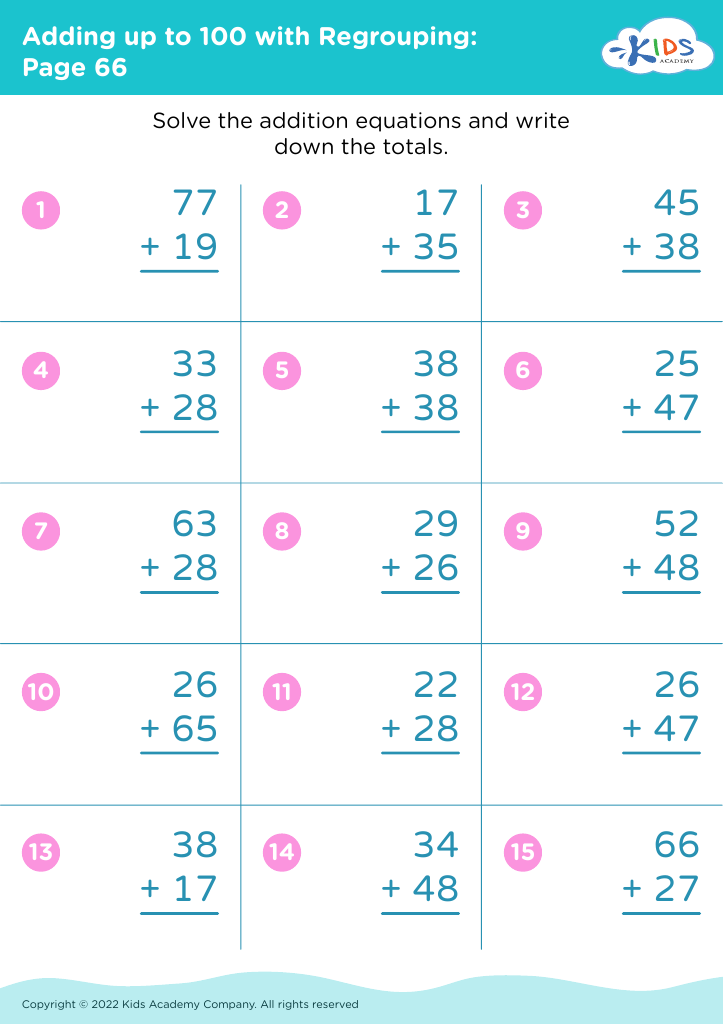
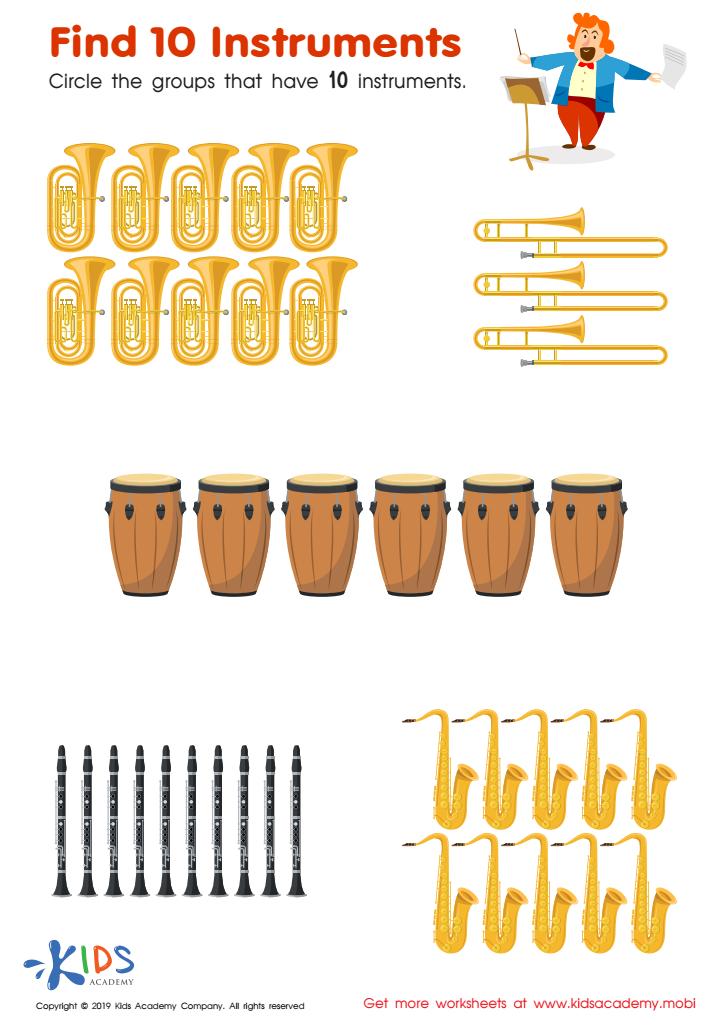
Find 10 Instruments Worksheet



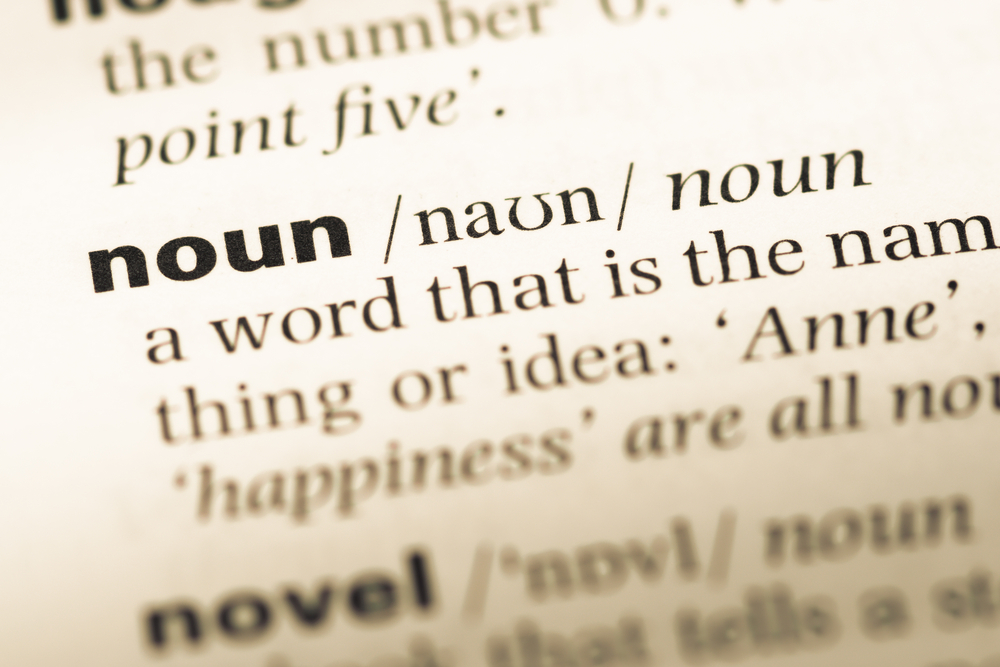



Improving vocabulary in children ages 3-7 is crucial for their cognitive, social, and emotional development. During these formative years, children are rapidly acquiring language skills that form the foundation for their future learning. A rich vocabulary enhances their ability to express thoughts, feelings, and ideas, facilitating better communication with peers and adults.
Additionally, a strong vocabulary improves comprehension skills, which are essential when children begin to read and analyze texts. The more words they know, the easier it becomes for them to understand and derive meaning from what they read, laying the groundwork for academic success.
Vocabulary development also fosters curiosity and engagement with the world. When children have access to a variety of words, they can ask questions, engage in discussions, and explore concepts with enthusiasm, leading to a lifelong love for learning.
For parents and teachers, nurturing vocabulary growth can be done through interactive reading, conversations, and vocabulary games. Engaging children in rich language experiences encourages them to develop critical thinking skills and creativity. Ultimately, investing time in improving vocabulary during these early years is an investment in a child's overall development and future potential.








