Improves hand-eye coordination Worksheets for Ages 3-7
3 filtered results
-
From - To
Discover our engaging "Improves Hand-Eye Coordination Worksheets for Ages 3-7" at Kids Academy! Designed to enhance crucial developmental skills, these fun and educational activities help young children improve their hand-eye coordination through drawing, tracing, cutting, and more. Our expertly crafted worksheets provide the perfect blend of challenge and entertainment, ensuring that children remain focused and motivated. These resources support preschool and early elementary learners in developing the fine motor skills necessary for academic success and everyday tasks. Unlock your child's potential with our captivating worksheets and watch their coordination and confidence soar!
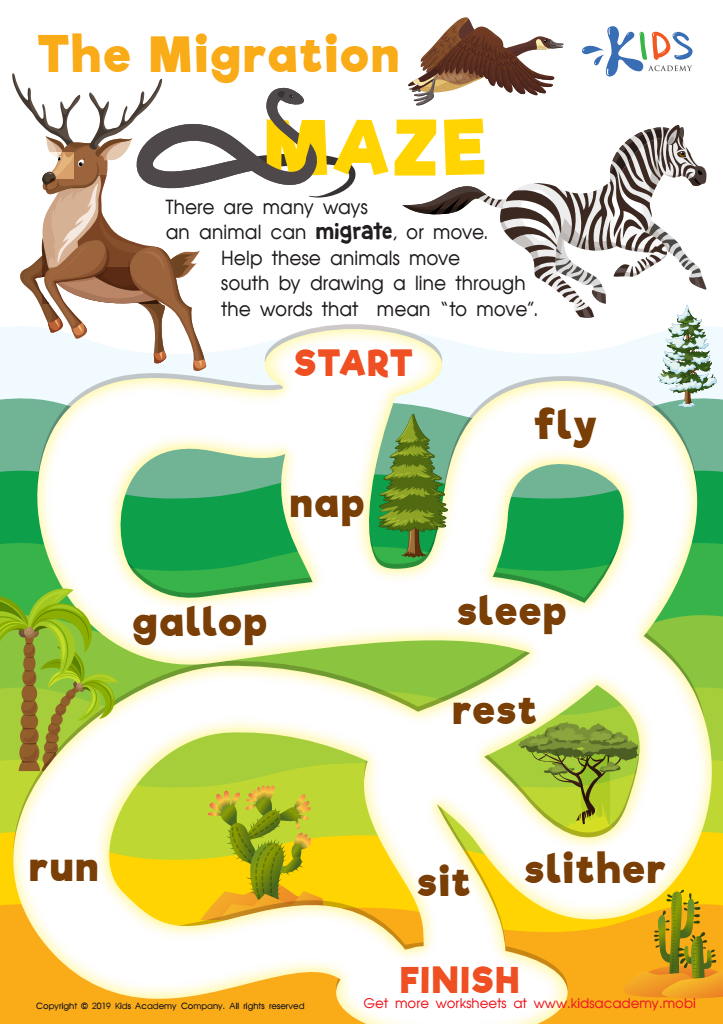
The Migration Maze Worksheet
 Assign to My Students
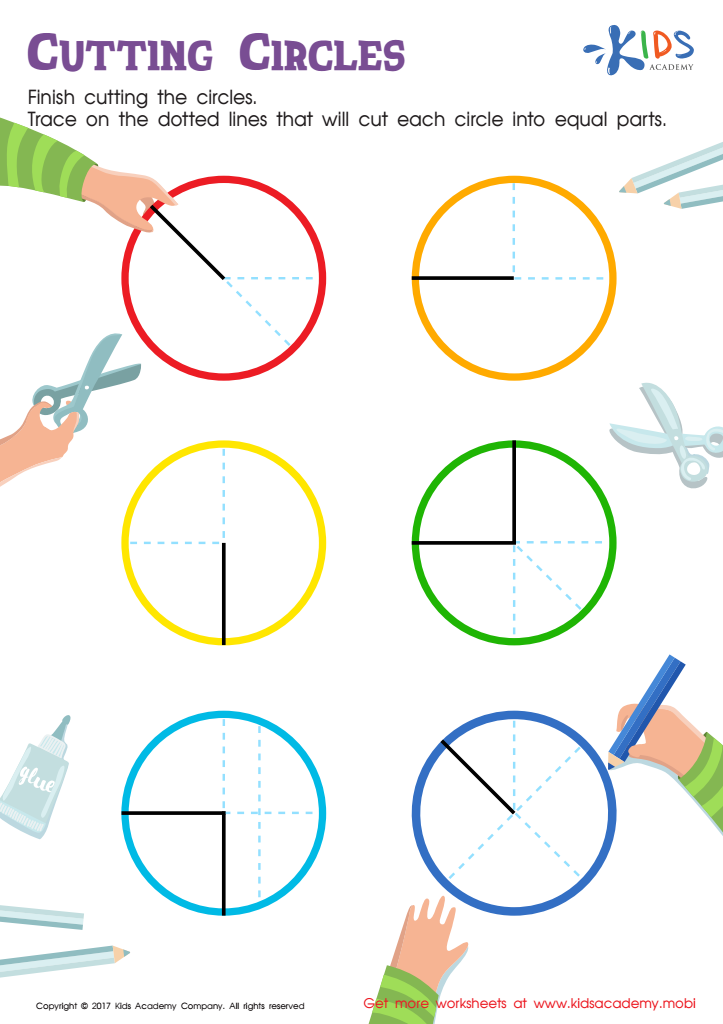
Cutting Circles Worksheet
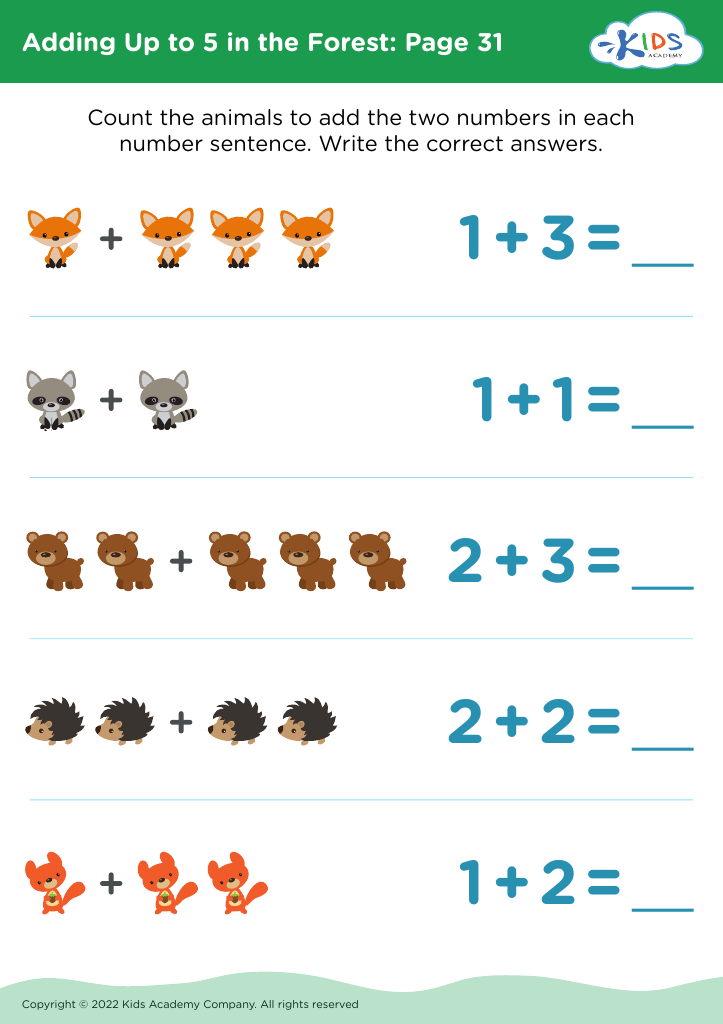




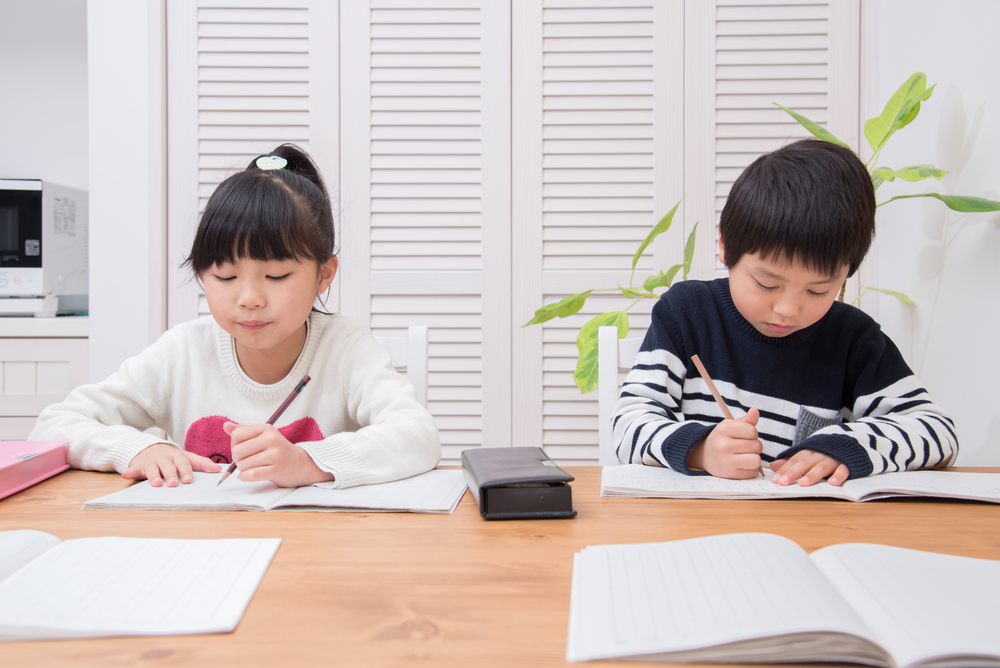



Hand-eye coordination is crucial for children aged 3-7 years as it forms the foundation for essential life skills and overall development. During these early years, improved hand-eye coordination enhances a child's ability to perform everyday tasks such as tying shoelaces, buttoning shirts, and using utensils, fostering independence and self-confidence.
Engaging in activities that develop hand-eye coordination, such as drawing, building with blocks, or catching a ball, also refines fine motor skills, which are critical for academic success. These skills underpin a child's ability to write, manipulate small objects, and complete puzzles—key components of early learning curricula.
Improved coordination further promotes physical fitness and an active lifestyle, as children become more adept at running, jumping, and engaging in sports, contributing to overall health and well-being. It also aids cognitive development, enhancing spatial awareness, problem-solving abilities, and attention span.
Fostering strong hand-eye coordination minimizes the risk of frustration and discouragement in young learners, fostering a positive attitude towards learning and physical activities. For these reasons, parents and teachers should prioritize and actively support activities that bolster hand-eye coordination, nurturing a well-rounded developmental foundation that benefits children both academically and physically.








