
Improving handwriting Worksheets for Ages 3-7
3 filtered results
Difficulty Level
Grade
Age
-
From - To
Subject
Activity
Standards
Welcome to our "Improving Handwriting Worksheets" section for ages 3-7! Designed to enhance fine motor skills and boost confidence, these engaging worksheets combine fun and learning. Our resources feature colorful activities that encourage proper letter formation, spacing, and control, helping young learners develop essential writing skills. With a variety of exercises tailored to different skill levels, children can practice at their own pace. Whether in the classroom or at home, these worksheets provide a comprehensive approach to improving handwriting. Join us on this exciting journey to cultivate your child's writing abilities while fostering creativity and enjoyment in learning!
Favorites
With answer key
Interactive
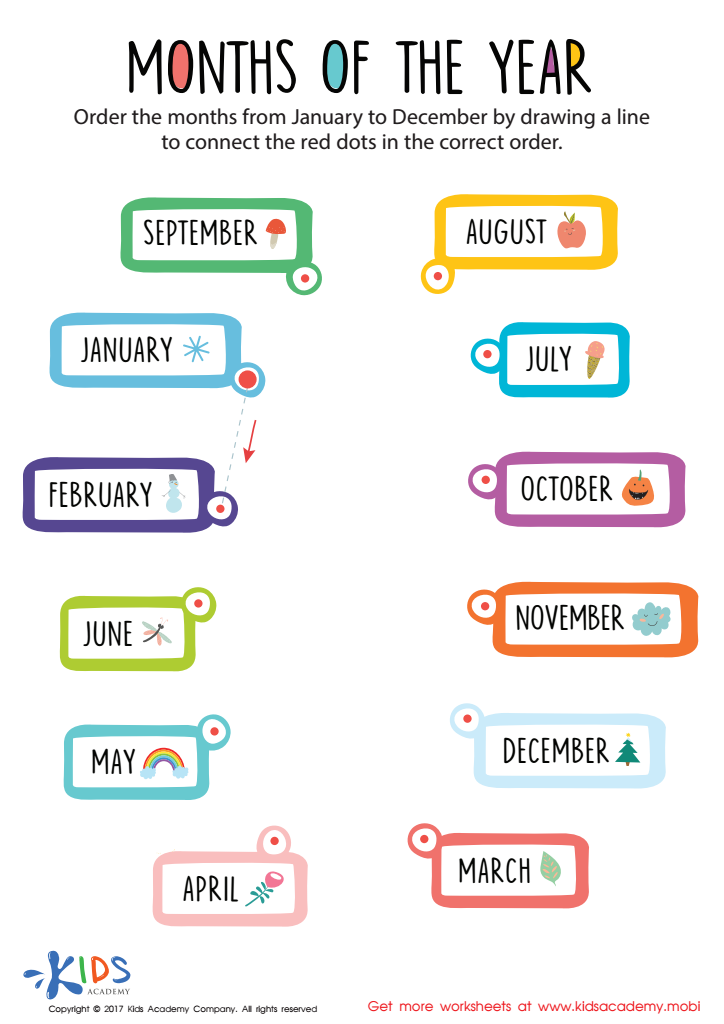
Months of the Year Worksheet
Challenge your child with this months of the year worksheet! Help them remember the yearly calendar by having them connect the dots from January to December. It's a fun way to test their knowledge of the twelve months and sharpen their memory!
 Assign to My Students
Months of the Year Worksheet
Worksheet
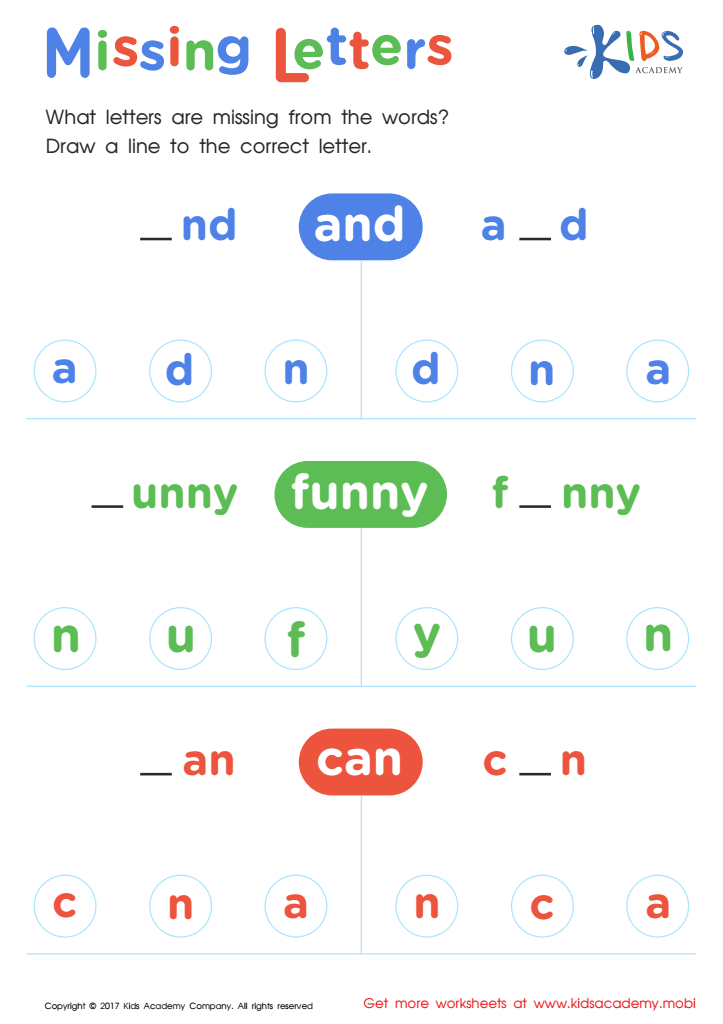
Missing Letters Worksheet
Review sight words with this fun matching worksheet from Kids Academy! Look at the sight words in the middle, read them aloud and find the missing letter on each side for each word. Draw a line to the correct letter to complete the sheet!
Missing Letters Worksheet
Worksheet
Join Kids Academy for Free
Who is primarily going to use this learning content?








Improving handwriting for children aged 3-7 is essential for several reasons, and both parents and teachers play a crucial role in this development. Firstly, handwriting is foundational for literacy; it aids letter recognition, spelling, and reading skills. As children learn to form letters correctly, they also internalize the shapes and sounds associated with them, enhancing their literacy development.
Moreover, proficient handwriting fosters confidence and encourages children to express themselves. When kids can articulate their thoughts clearly on paper, their self-esteem and enthusiastic engagement in learning increase. Additionally, fine motor skills that are developed through handwriting practice—like grip strength, hand-eye coordination, and dexterity—are crucial for tasks beyond writing, such as using scissors, drawing, and eventually typing.
Another consideration is academic performance. Clear and legible handwriting can positively influence a child’s ability to complete assignments and standardized tests, allowing their knowledge to shine without being hindered by poor presentation. Lastly, handwriting can be a form of emotional expression; mastering this skill can help young learners convey feelings and thoughts in written form. Thus, prioritizing handwriting in early education sets a strong foundation for literacy, motor skills, and confidence, laying the groundwork for future academic achievement.








