Improving observational skills Worksheets for Ages 3-7
5 filtered results
-
From - To
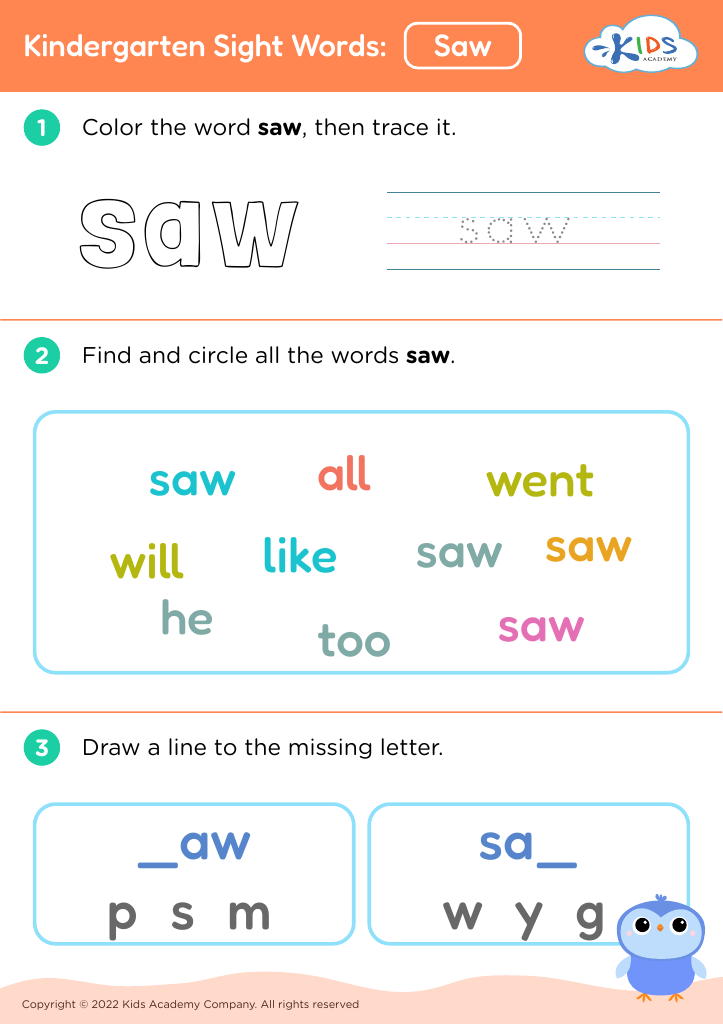
Discover our "Improving Observational Skills Worksheets for Ages 3-7" designed to sharpen young minds and enhance their attention to detail. Perfect for preschoolers and early elementary students, these fun and engaging printables feature colorful activities focused on visual discrimination, pattern recognition, and memory enhancement. Each worksheet is crafted by educational experts to support cognitive development and foster a keen sense of observation. Ideal for both classroom and home learning, our comprehensive collection helps children build essential skills through playful challenges and interactive exercises, setting the foundation for lifelong learning and success. Download now and watch your child’s abilities grow!
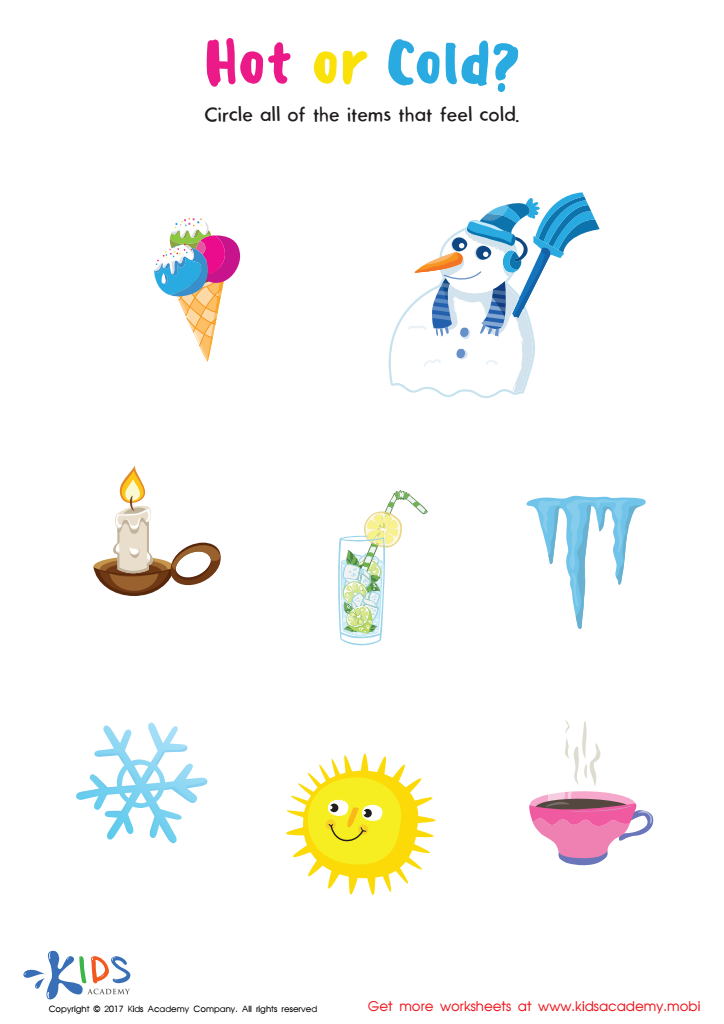
Hot or Cold Printable
 Assign to My Students
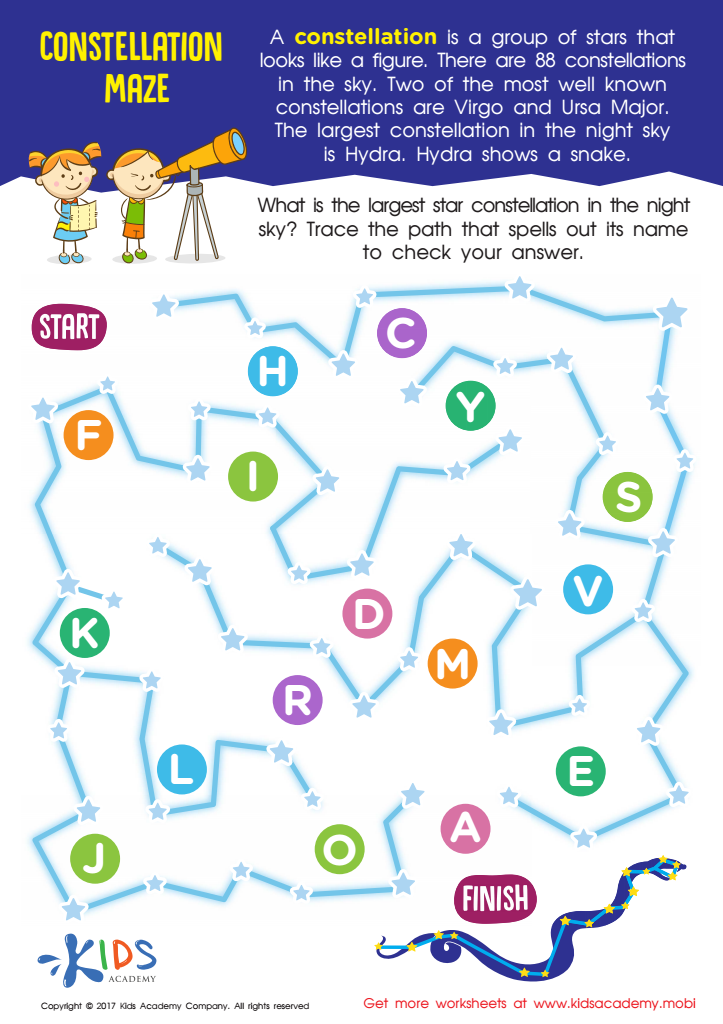
Constellations Worksheet







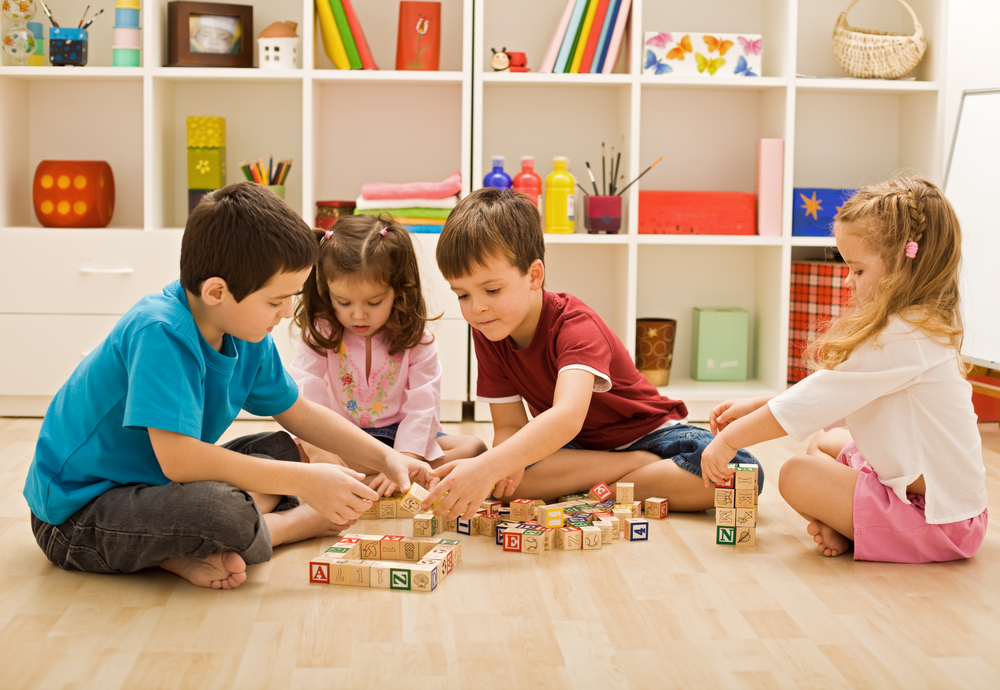
Improving observational skills in young children, ages 3-7, is essential for several pivotal reasons. First, strong observational skills lay a solid foundation for critical thinking and learning. By keenly noticing details in their environment, children become more aware and curious, asking questions that fuel their cognitive development and spark a love for learning. This age is marked by rapid brain development, making it an crucial window for honing these skills.
In addition, observational skills enhance social development. Children learn by watching others, and by keenly observing social cues, they can better understand emotions, expressions, and interactions, leading to improved empathy and communication skills. These socio-emotional competencies are vital for forming positive relationships in school and beyond.
Furthermore, strengthening observational skills supports academic readiness. Whether it’s distinguishing between letters, recognizing patterns in math, or understanding scientific concepts, being observant helps children grasp educational basics more effortlessly. These skills also aid in problem-solving and creativity, as kids learn to gather information and see multiple solutions or perspectives.
For parents and teachers, fostering a child’s observational skills means encouraging curiosity, patience, and attentiveness. These attributes not only influence academic success and social skills but also lay the groundwork for lifelong learning and adaptability. Investing in these skills early promises lasting benefits, making it a wise and impactful endeavor.








