Learn number patterns Worksheets for Ages 3-7
3 filtered results
-
From - To
Discover the joy of learning with our "Learn Number Patterns" worksheets, designed for children ages 3-7. These engaging activities help young learners recognize and extend number sequences, boosting essential math skills while having fun. Each worksheet is crafted to make complex concepts simple and interesting, fostering logical thinking and problem-solving abilities. Perfect for both classroom and home use, our number patterns worksheets ensure a solid foundation in early math. Watch your child confidently master patterns with colorful, interactive exercises that stimulate their curiosity and love for learning. Start exploring today and inspire a lifelong passion for mathematics!
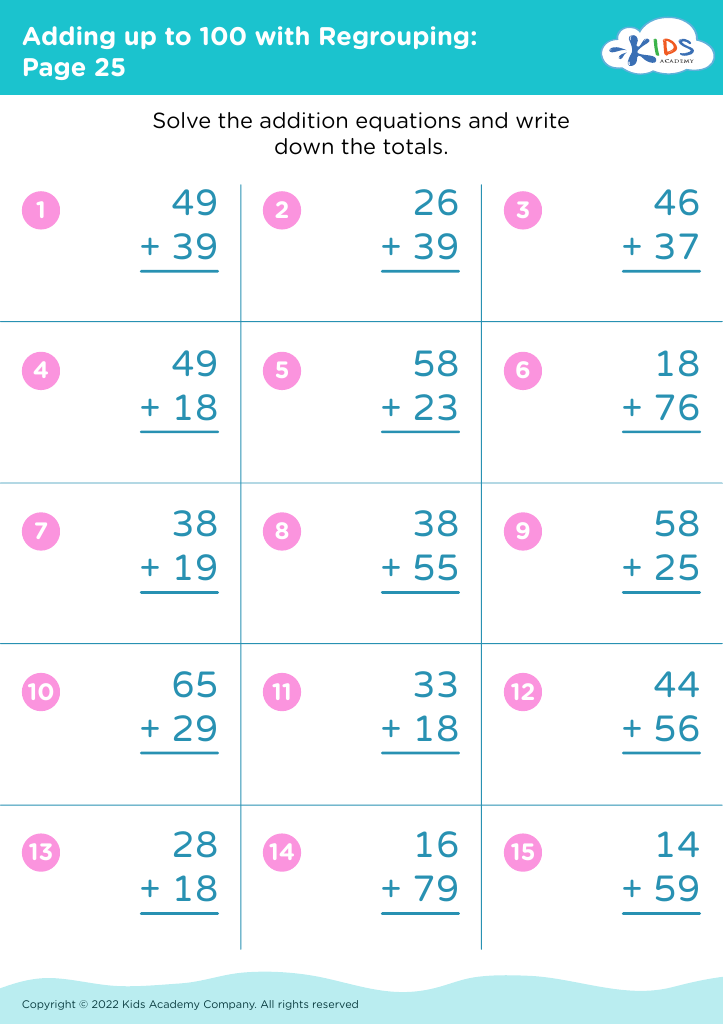
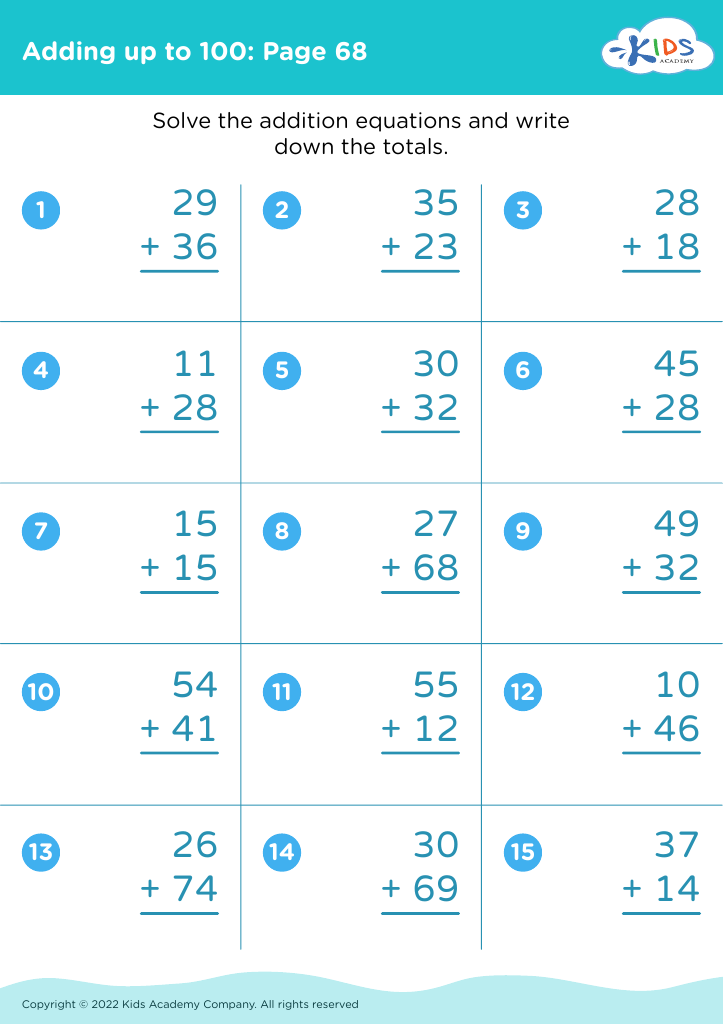
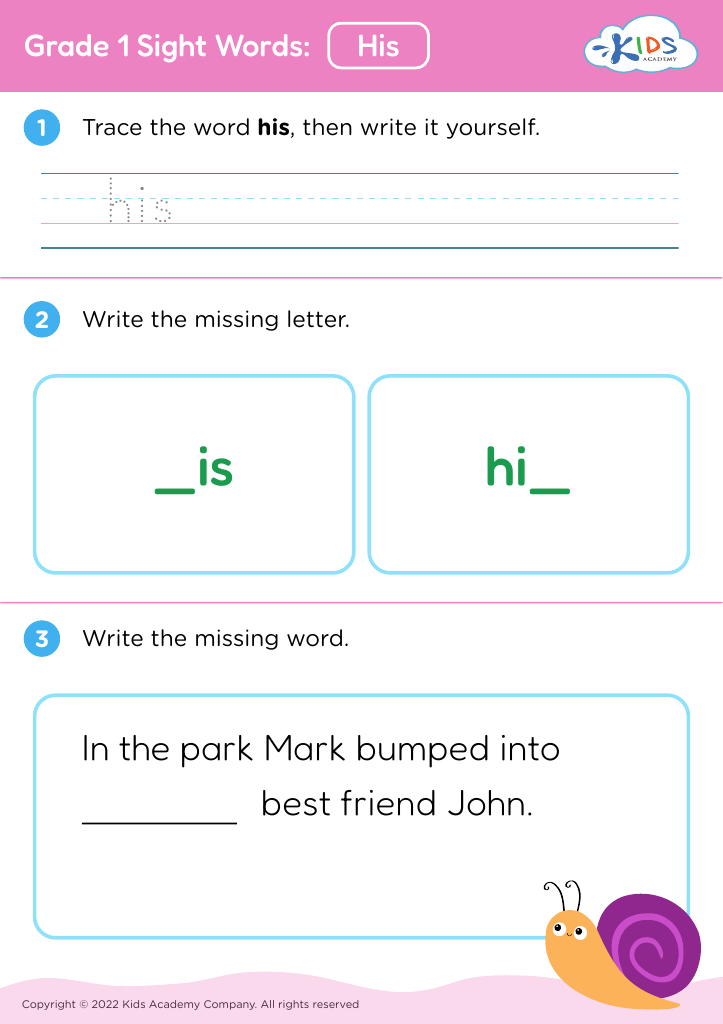








Understanding number patterns is fundamental for children aged 3-7, as it lays the groundwork for essential mathematical skills. Recognizing patterns helps children predict what comes next and develop logical thinking skills critical for problem-solving. Fostering these skills early on ensures that children not only grasp basic arithmetic but also engage more deeply with mathematics as they progress in school.
Parents and educators should care about teaching number patterns because it nurtures a child’s ability to make connections and see relationships between numbers. This understanding extends to various aspects of learning, from sequencing events in a story to biological cycles in science, thus developing a well-rounded intellectual foundation.
Engaging with number patterns boosts cognitive development. Activities like clapping in rhythm, arranging objects in sequence, or identifying shapes all contribute to a child’s pattern recognition abilities. These multisensory experiences make learning enjoyable and impactful.
Additionally, discovering patterns builds confidence. Successfully identifying patterns gives children a sense of achievement and encourages a positive attitude towards learning, particularly in mathematics.
Incorporating number pattern activities into daily routines can make learning feel more natural and less intimidating. Ultimately, these early experiences help children view the world analytically, equipping them with the critical thinking skills necessary for future academic and life success.








