Observational skills Worksheets for Ages 3-7 - Page 2
29 filtered results
-
From - To
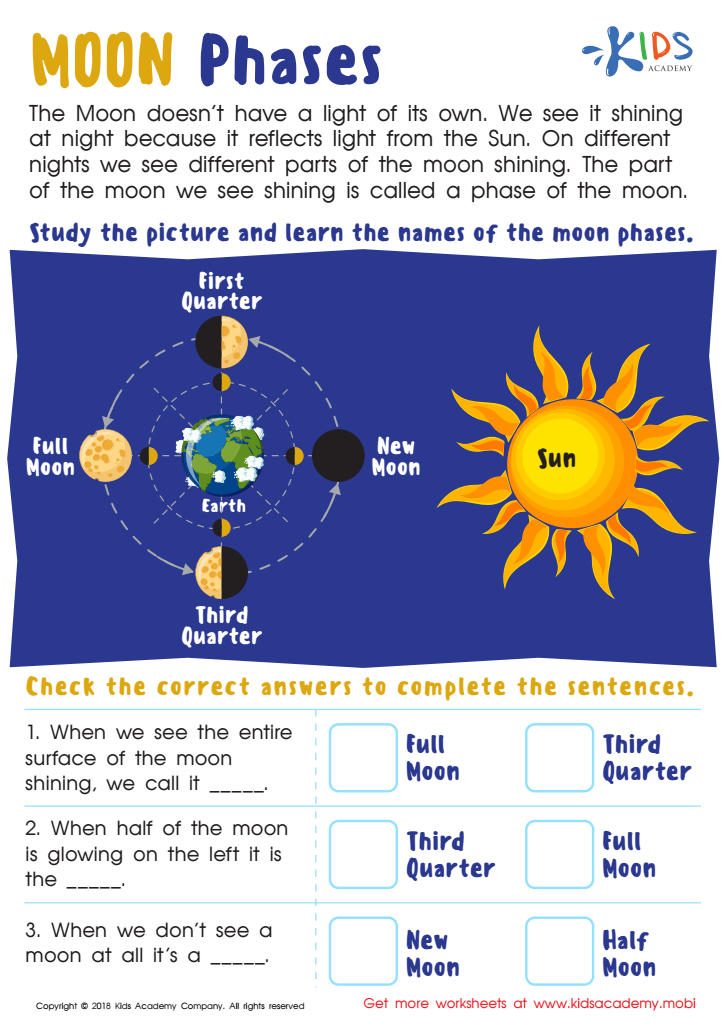
Moon Phases Worksheet
 Assign to My Students
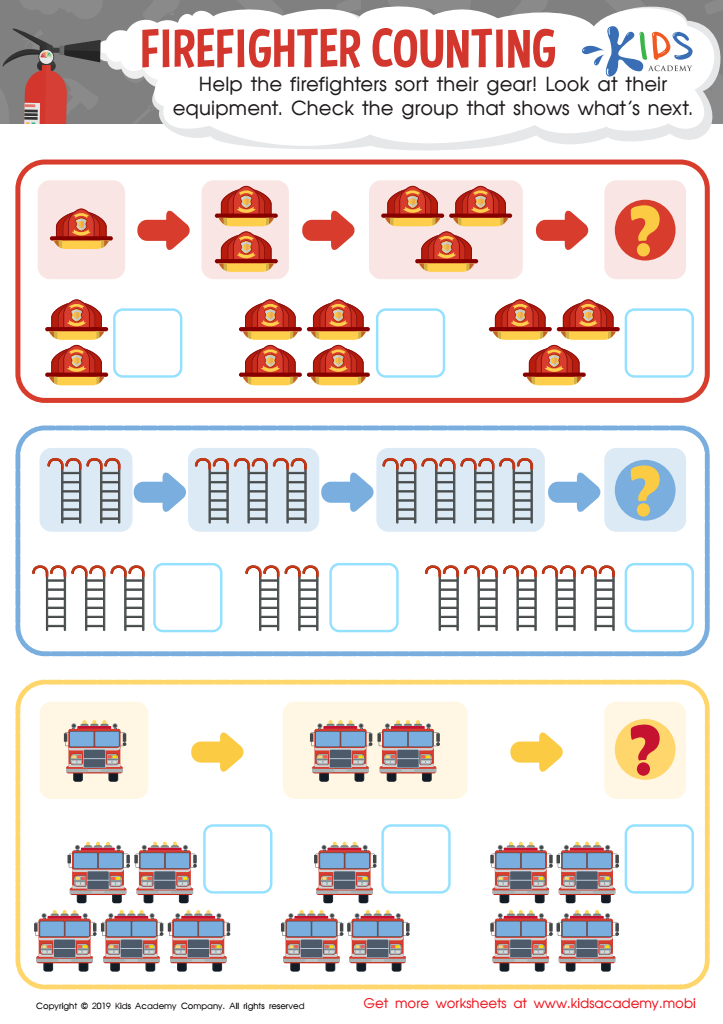
Firefighter Counting Worksheet
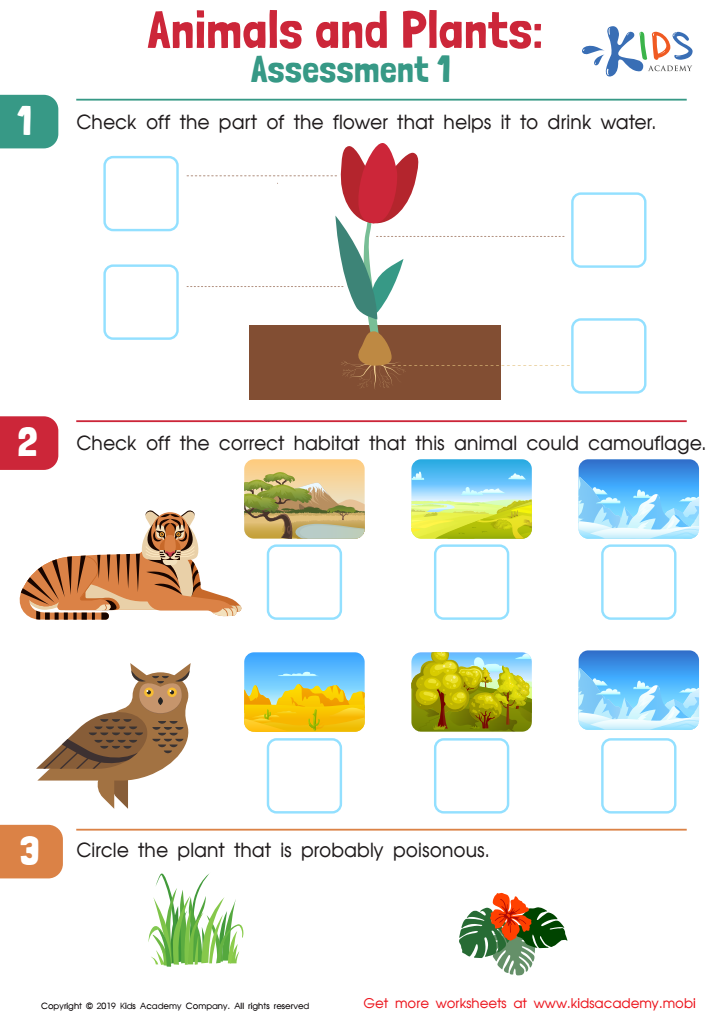
Animals and Plants: Assessment 1 Worksheet
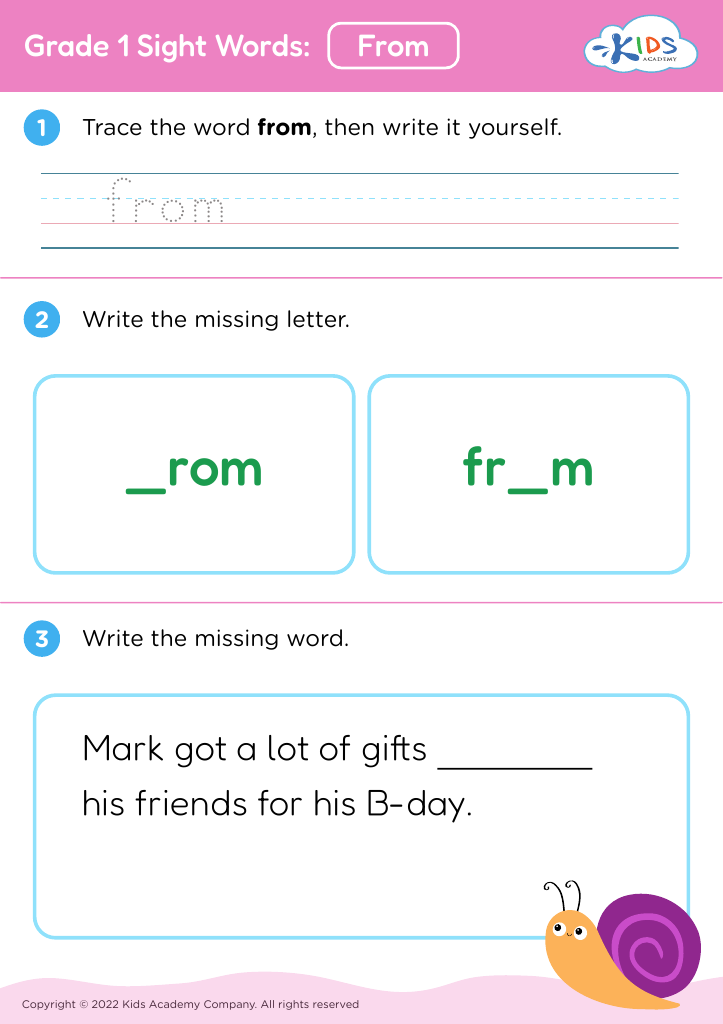
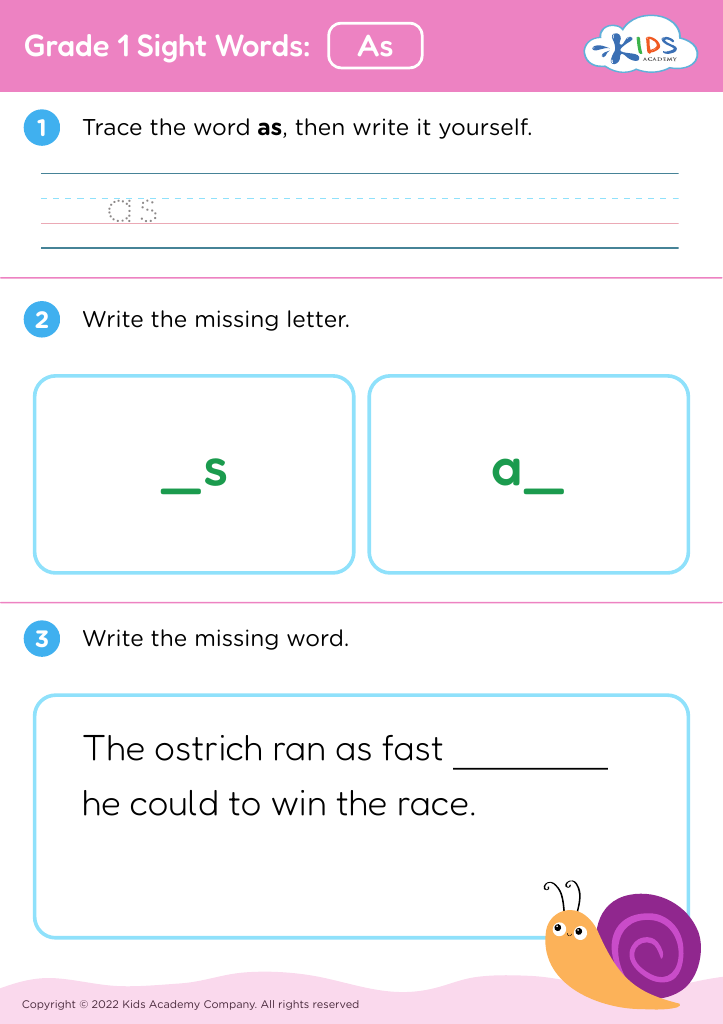








Observational skills are crucial for children aged 3-7 as they form a vital foundation for learning, development, and understanding the world around them. At this early age, children are like sponges, absorbing information through all their senses. Strong observational skills enable them to notice and interpret details, patterns, and changes in their environment, fostering critical thinking and creativity.
For parents and teachers, nurturing these skills is essential. Observational abilities help children in basic tasks such as recognizing letters and numbers, understanding spatial relationships, and identifying differences and similarities, which are fundamental for literacy and numeracy. Moreover, children with keen observational skills tend to develop better problem-solving capabilities, as they can notice subtleties and nuances that others might overlook.
Encouraging these skills through play-based learning, exploration, and curiosity-driven activities helps children become more engaged and active learners. Observational skills also contribute significantly to social development; children learn to read facial expressions, body language, and social cues, which are important for effective communication and empathy.
By emphasizing the importance of observation, parents and teachers support the holistic development of the child's cognitive, emotional, and social abilities, thus laying a robust foundation for future academic and life success.








