Practicing writing skills Worksheets for Ages 3-7
3 filtered results
-
From - To
Unlock your child’s potential with our "Practicing Writing Skills Worksheets for Ages 3-7." Designed to make learning fun and engaging, these printable worksheets help young learners develop essential writing abilities. Each worksheet features age-appropriate activities that build fine motor skills, letter recognition, and creativity. With colorful illustrations and interactive exercises, kids will enjoy practicing tracing, letter formation, and simple word writing. Perfect for preschool and early elementary children, our worksheets encourage early literacy and set a strong foundation for future academic success. Discover the joy of learning with these effective and entertaining writing practice sheets!
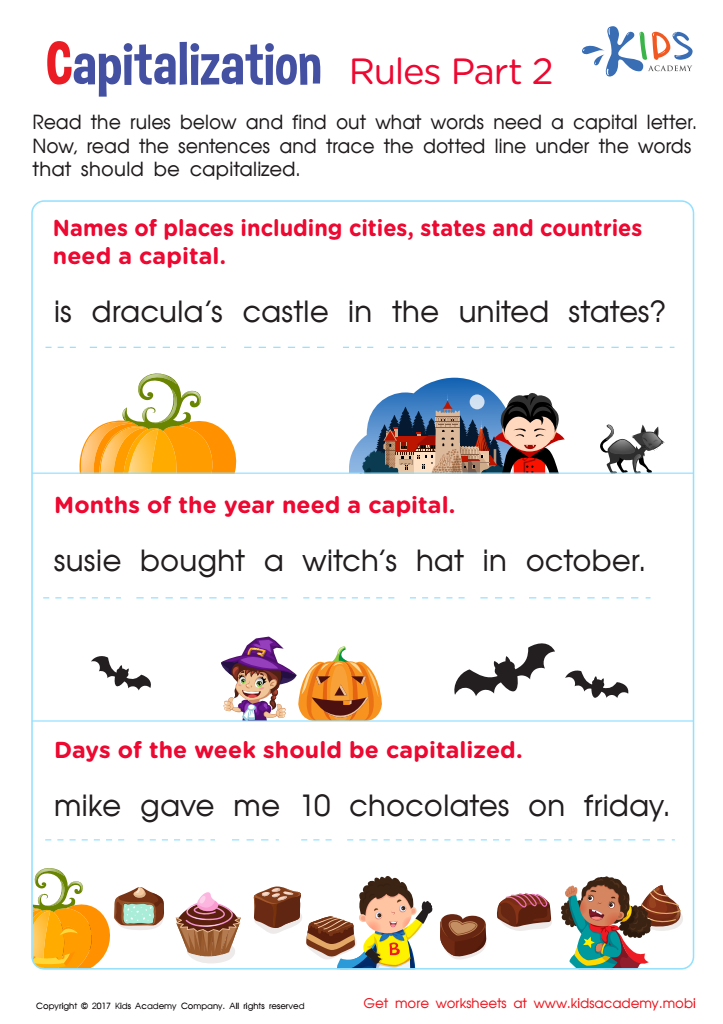
Capitalization Rules: Part 2 Worksheet
 Assign to My Students
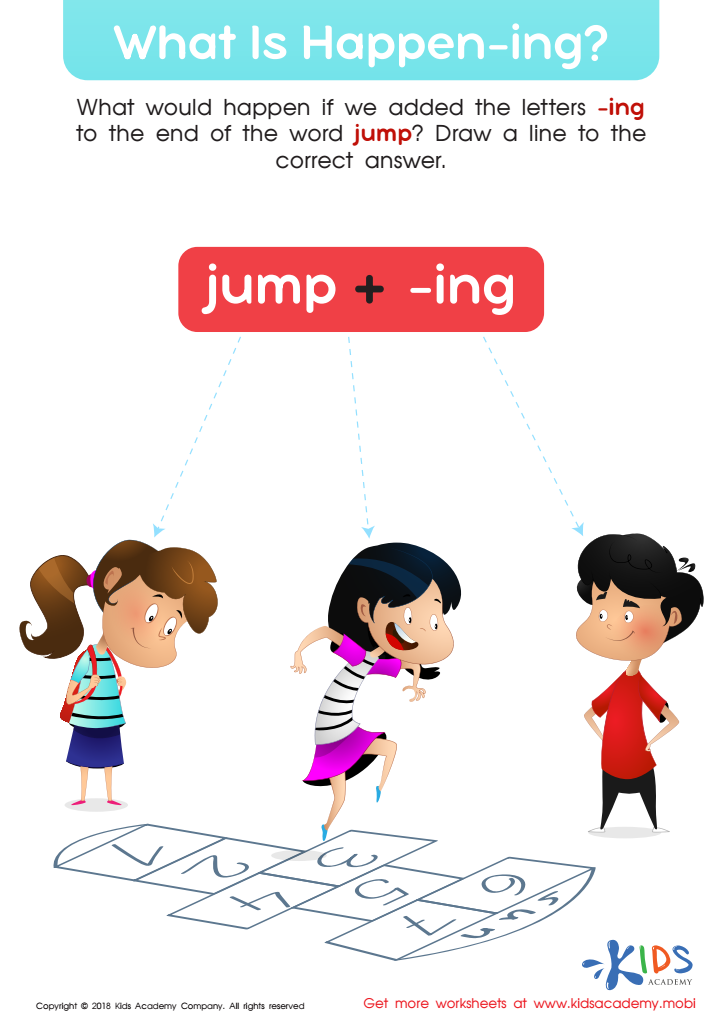
What Is Happen-Ing? Worksheet
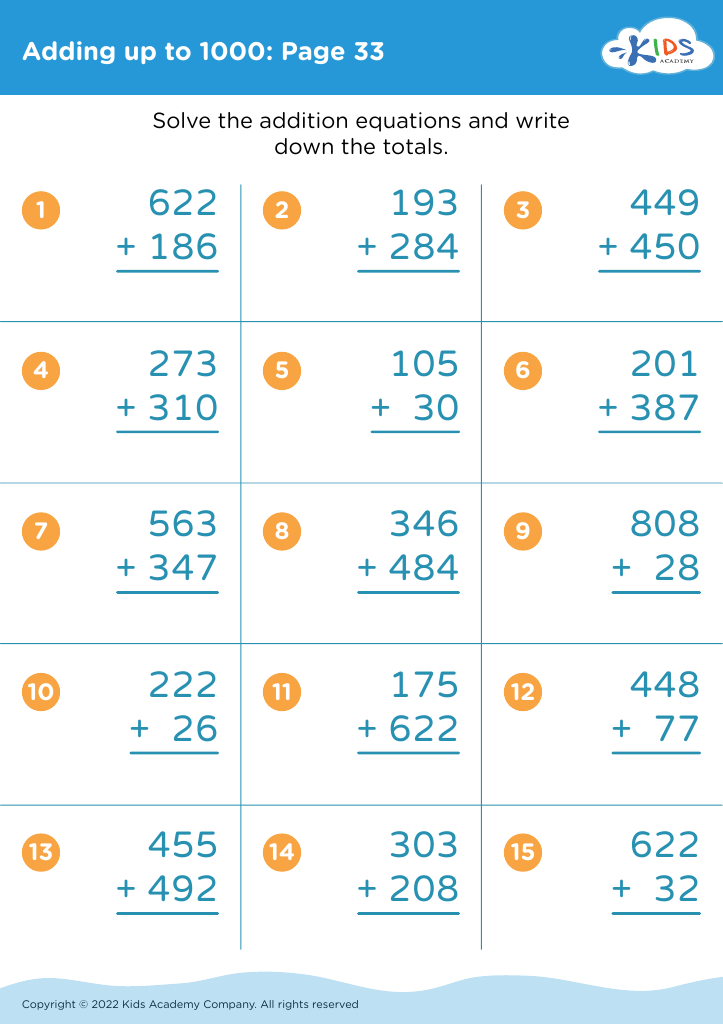






Parents and teachers should prioritize practicing writing skills for children aged 3-7 for several reasons. At this young age, neural connections are forming rapidly, making it an ideal period for cognitive development. Writing helps these connections by enhancing fine motor skills, hand-eye coordination, and spatial awareness. Moreover, writing is foundational for literacy; it fosters an understanding of letters and sounds, which is crucial for reading readiness. Engaging in writing activities also boosts language skills and vocabulary as children learn to express thoughts and stories on paper.
Writing encourages critical thinking and creativity. When children invent stories or form sentences, they solve problems and organize thoughts logically. These practices develop essential cognitive abilities that benefit other academic areas, such as science and math. Emotional and social skills are positively impacted, too, as children gain confidence and self-expression skills through writing.
Integrating writing practice into daily routines also helps kids adapt better to school environments, thus mitigating future learning difficulties. Simple and fun writing activities, such as drawing shapes, writing names, or crafting stories, can set the stage for lifelong learning and academic success. Ultimately, fostering writing skills from an early age creates well-rounded, capable, and confident learners.








