
Rhythm understanding Worksheets for Ages 3-7
3 filtered results
Difficulty Level
Grade
Age
-
From - To
Subject
Activity
Standards
Discover fun and engaging Rhythm Understanding Worksheets designed for children aged 3-7! Our expertly crafted worksheets blend education with play to enhance your child's musical skills, boost cognitive abilities, and foster a love for learning. Kids will explore patterns, beats, and sound sequences through interactive activities that make rhythm education enjoyable and accessible. Perfect for both parents and educators, these worksheets support early development and are ideal for introducing young learners to the fascinating world of music. Empower your child to feel the rhythm and move confidently through their educational journey with our creative learning materials!
Favorites
With answer key
Interactive
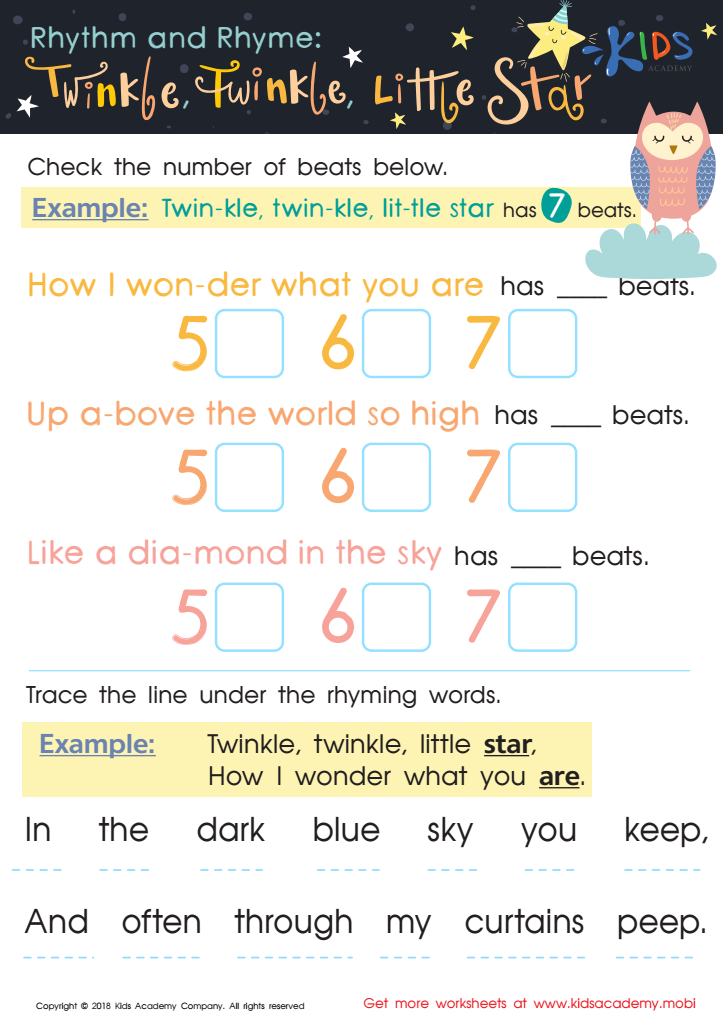
Rhythm and Rhyme: Twinkle, Twinkle, Little Star Worksheet
Kids will love learning about syllables in words with a fun children's song! Use the song Twinkle, Twinkle, Little Star to explain that each word has at least one beat. Have them clap out the beats in each word and check the boxes on this cute worksheet to identify the syllables.
 Assign to My Students
Rhythm and Rhyme: Twinkle, Twinkle, Little Star Worksheet
Worksheet
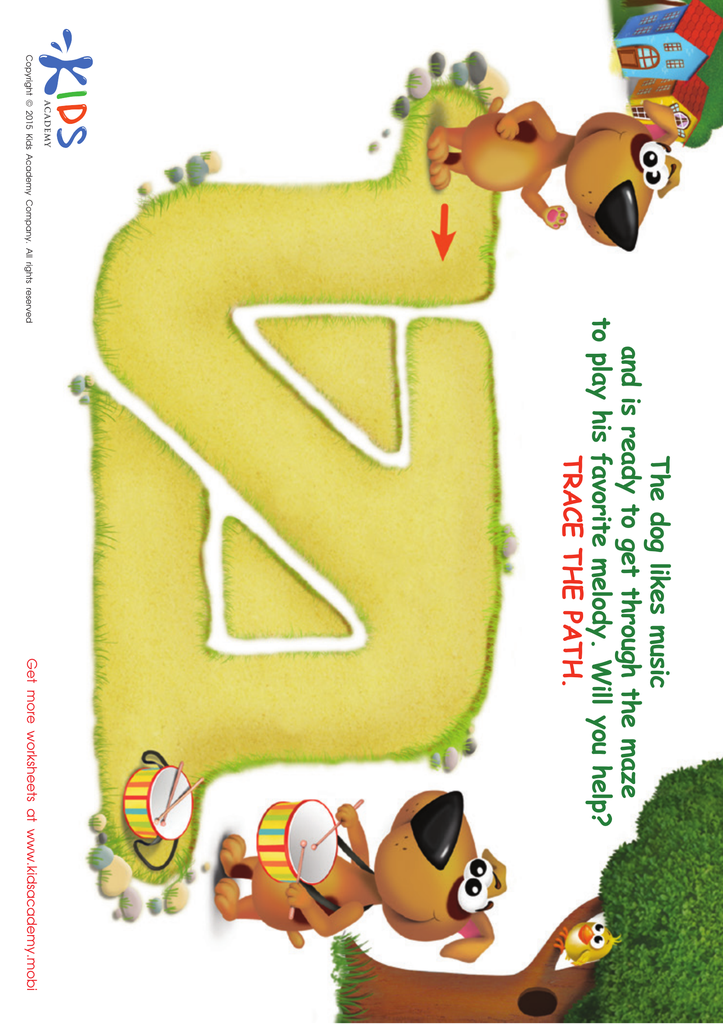
Drummer Maze Worksheet
Enjoy!
Kids Academy's new maze games are perfect for you and your little learners. Help the dog find the drum at the end of the maze! Once they reach it, you can play music together. Visit Kids Academy's website to find free printable mazes and other worksheets. Have fun!
Drummer Maze Worksheet
Worksheet
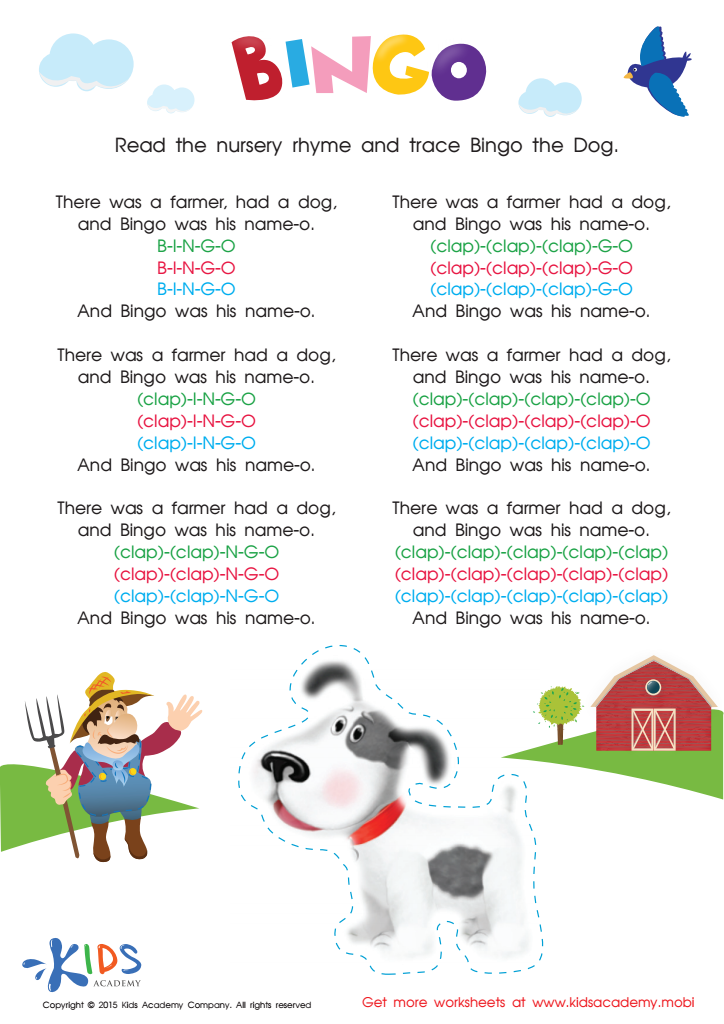
Nursery Rhymes: The Bingo Song Worksheet
Introduce The Bingo Song to your little ones. Have your kids sing some words and lines aloud, while you replace letters with claps. Add other activities: tapping, patting, jumping, and use your imagination. Print our free Bingo Song Coloring Pages and let your kids color them. Get more free worksheets at our website Kids Academy.
Nursery Rhymes: The Bingo Song Worksheet
Worksheet
Join Kids Academy for Free
Who is primarily going to use this learning content?








Understanding rhythm is essential for young children's overall development, making it an important focus for both parents and teachers. At ages 3-7, children are in crucial stages of developing motor skills, language abilities, and cognitive functions, and rhythm plays a significant role in these areas.
Firstly, rhythm helps improve motor coordination. Activities like clapping hands, tapping feet, or dancing to a beat encourage synchronization between the brain and body. This leads to better physical coordination and fine motor skills, which are foundational for activities like writing.
Moreover, rhythm is closely tied to language development. Exposure to rhythmic patterns helps children grasp the flow and structure of language, enhancing their ability to recognize syllables, rhymes, and eventually words in text. This early competence in phonological awareness is a predictor of future success in reading and spelling.
Cognitive skills also get a boost from rhythmic exercises. Consistently following patterns and beats enhances memory and attention span. It encourages children to focus and practice self-regulation, both vital for academic success across various subjects.
Lastly, engaging in rhythmic activities can be socially beneficial. Children often participate in group activities that involve rhythm, promoting teamwork, listening skills, and emotional expression. Such interactions pave the way for better social skills and emotional development.
Incorporating rhythm into daily routines is not just about musical enrichment; it’s a comprehensive tool that supports physical, cognitive, linguistic, and social development in young children.








