Understanding more/less concept Worksheets for Ages 3-7
3 filtered results
-
From - To
Unlock essential math skills for young learners with our "Understanding More/Less Concept Worksheets" designed for ages 3-7. These engaging worksheets help children grasp the foundational concepts of comparison by identifying quantities, encouraging critical thinking, and enhancing early numeracy skills. Through fun exercises, children learn to recognize and differentiate larger and smaller groups, promoting cognitive development in an interactive way. Perfect for parents and educators, these resources are ideal for home or classroom use, fostering a love for learning and enabling children to build confidence in their mathematical abilities. Empower your little ones with the skills they need for future success!
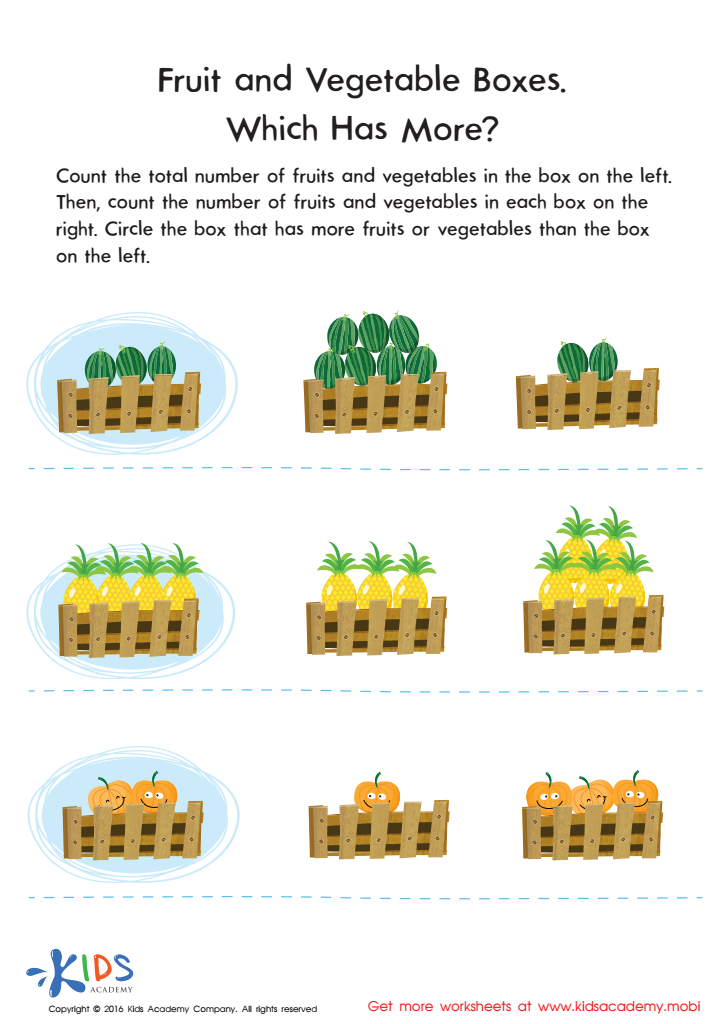
Which Has More? Size Worksheet
 Assign to My Students
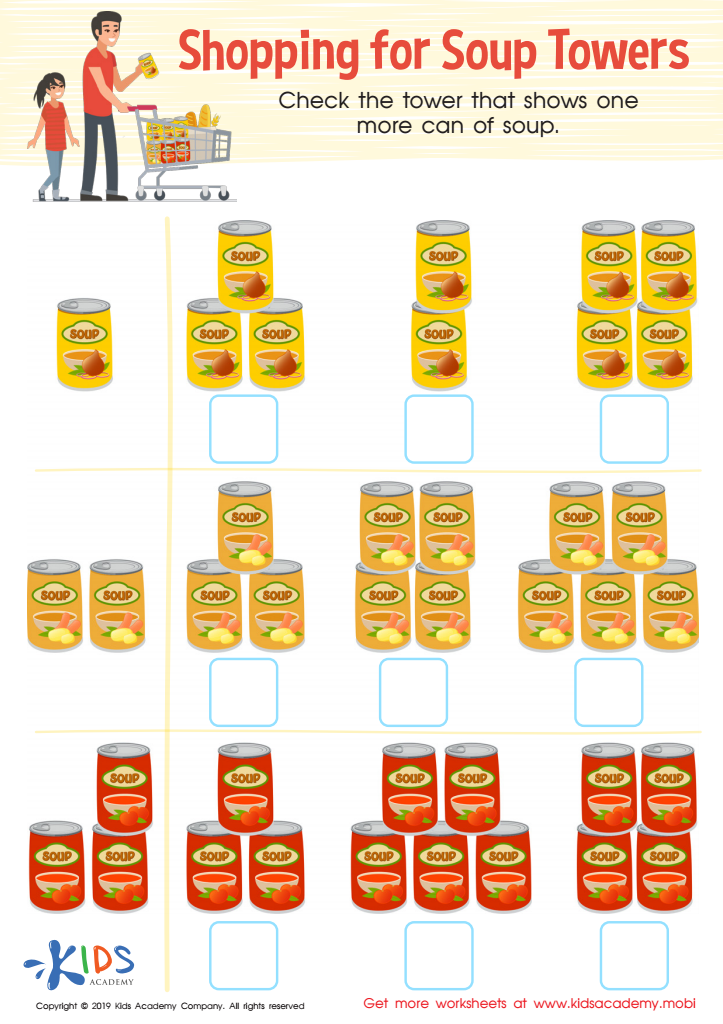
Soup Towers Worksheet
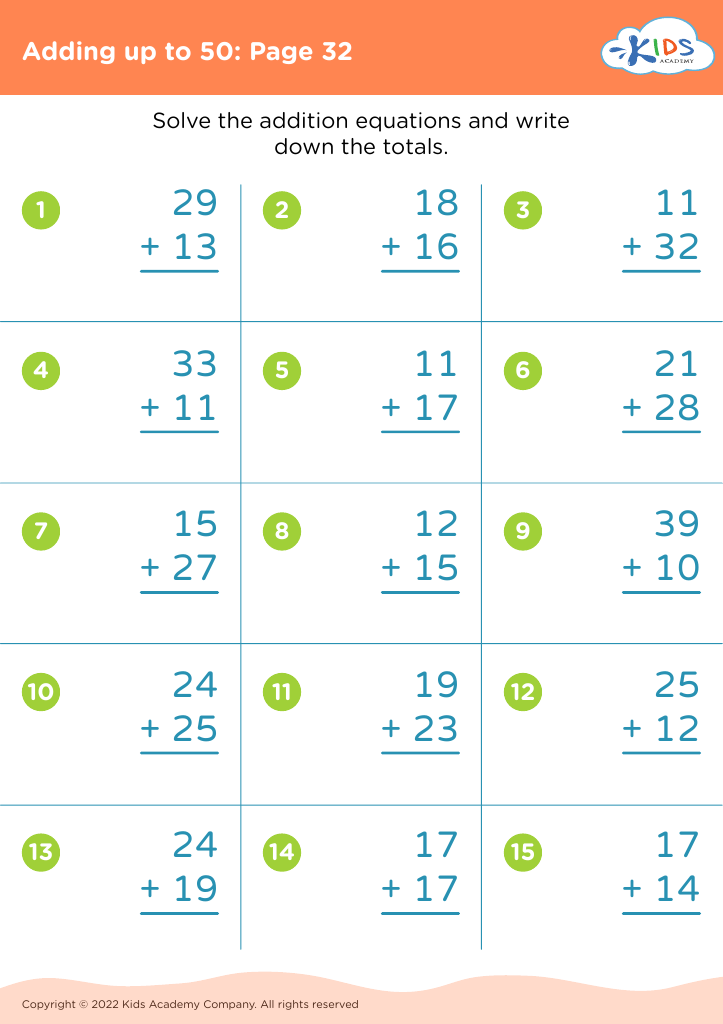


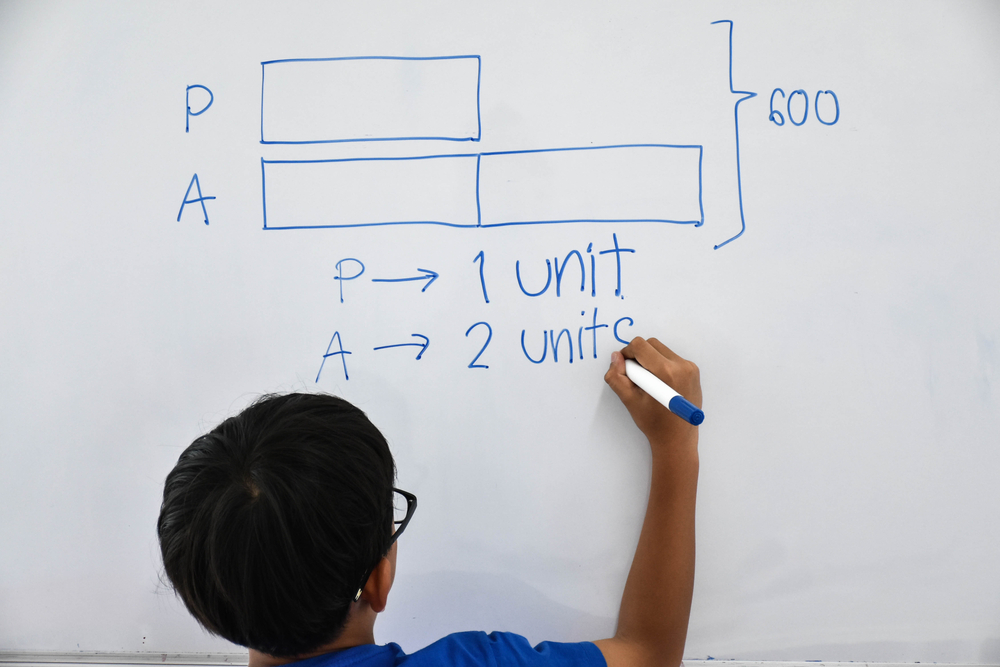

.jpg)


Understanding the concepts of "more" and "less" is crucial for young children aged 3-7 because it forms a foundational skill that supports their mathematical development and cognitive growth. At this early stage, children engage with numbers and quantities daily. By grasping these concepts, they learn to compare and make sense of the world around them.
For parents and teachers, fostering an understanding of "more" and "less" helps children develop critical thinking skills. This can be integrated into everyday activities, such as sharing snacks or organizing toys, reinforcing the idea that some groups or numbers are larger or smaller. Such experiences give them a practical context that enhances learning.
Moreover, these concepts serve as a stepping stone for more complex mathematical ideas, like addition or subtraction, as they begin to visualize quantities. Establishing a firm grasp on "more" and "less" not only aids in mathematics but also supports language development by expanding vocabulary related to comparison and measurement.
Encouraging discussions around these concepts fosters curiosity and an interest in learning. Ultimately, equipping children with a strong understanding of "more" and "less" lays the groundwork for a confident and competent approach to mathematics in future academic endeavors.








