Understanding numerical values Worksheets for Ages 3-7
4 filtered results
-
From - To
Unlock your child’s mathematical potential with our Understanding Numerical Values Worksheets designed specifically for ages 3 to 7. These engaging, age-appropriate printable activities help young learners grasp the concept of numbers and their significance in everyday life. With a variety of fun exercises, children will enjoy learning to identify, compare, and order numerical values while developing essential foundational skills. Our worksheets promote interactive learning, making it easier for parents and educators to support early math development. Perfect for homeschooling, classroom activities, or supplemental learning, these resources ensure your little ones build confidence in their numerical abilities and foster a lifelong love for math!
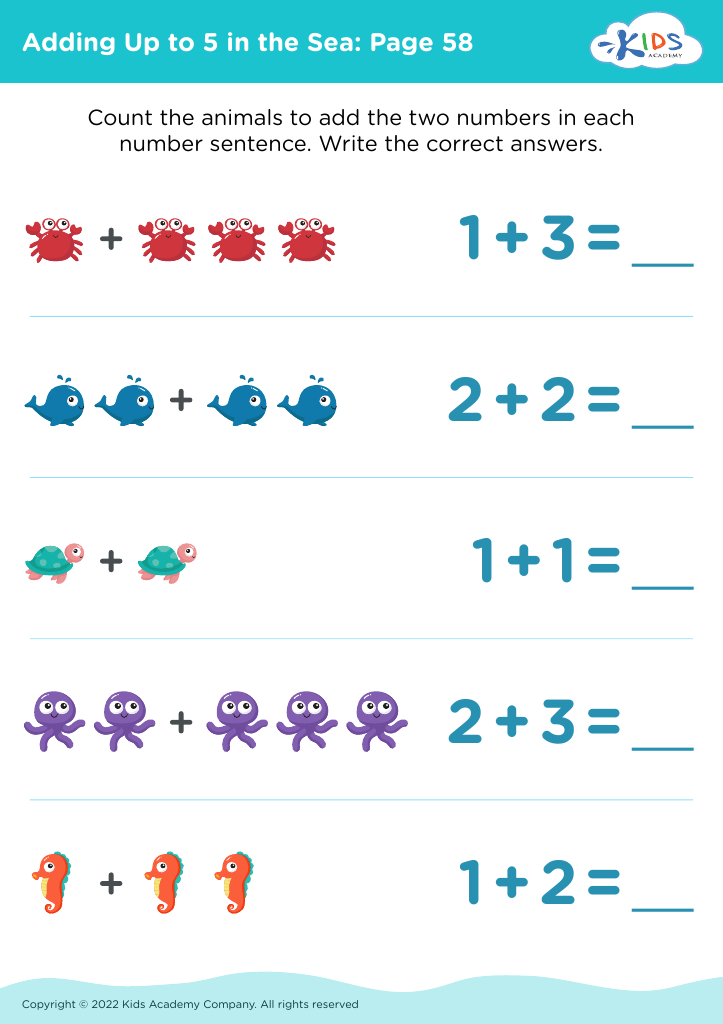
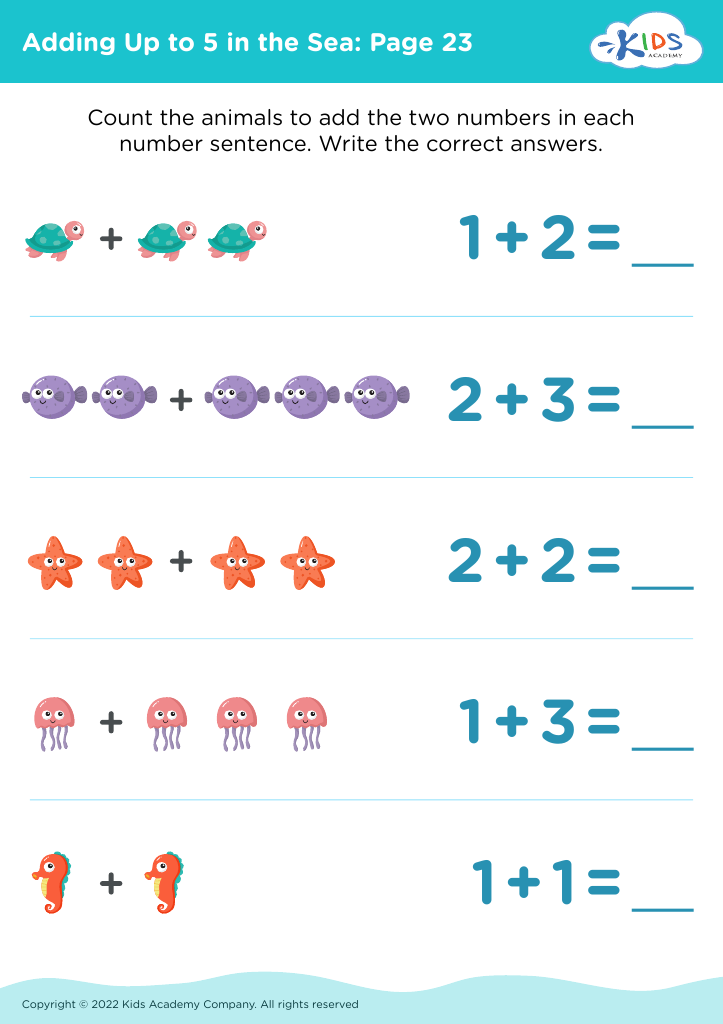
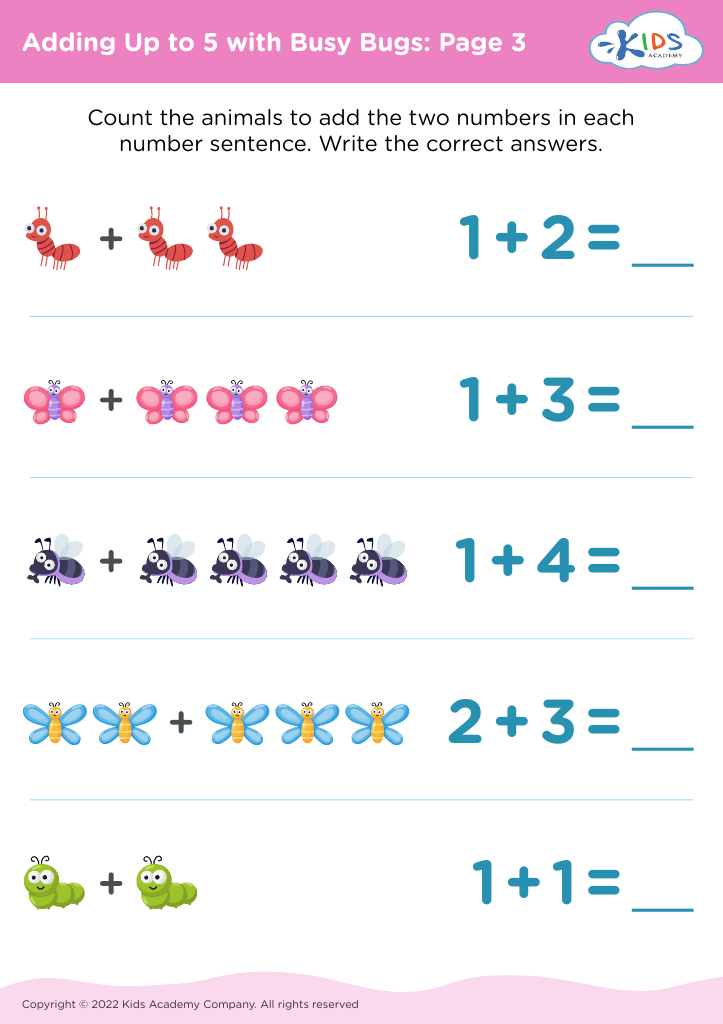
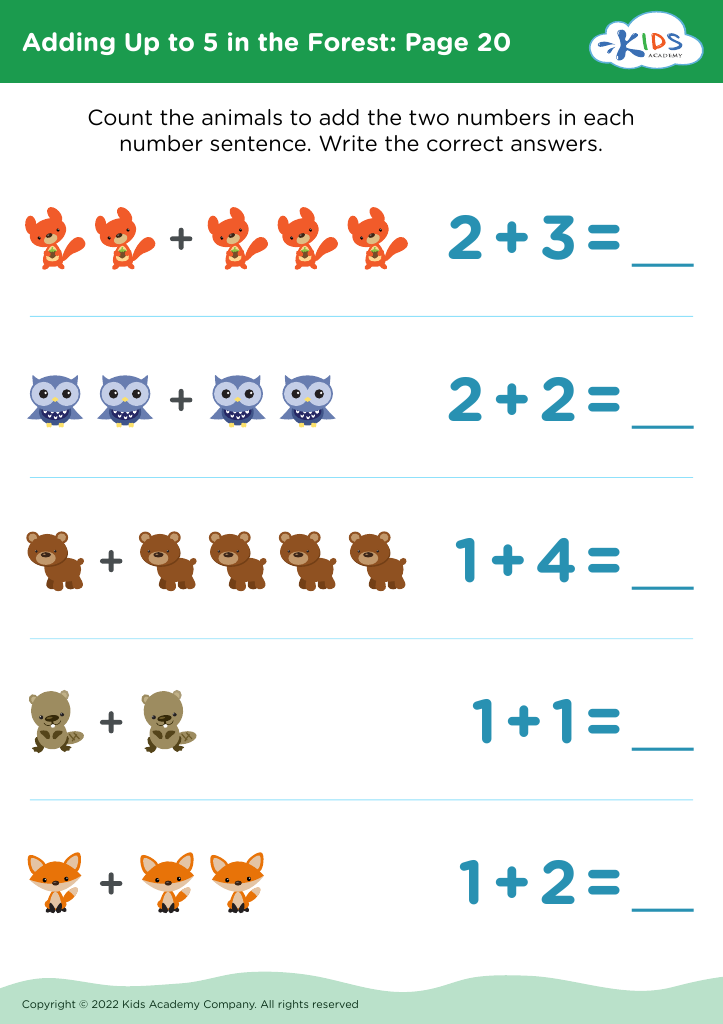







Understanding numerical values is crucial for children aged 3-7, as it forms the foundation for later mathematical skills and overall cognitive development. During these formative years, children's brains are highly receptive to learning, and early numerical experiences can significantly influence their future mathematical understanding and confidence.
First, grasping numerical values helps children recognize quantities, enhance their problem-solving abilities, and develop logical reasoning skills. These competencies are not only essential for mathematics but also serve as building blocks for decision-making and critical thinking throughout their lives.
Moreover, early exposure to numbers aids in developing self-regulation and patience as children learn to count, compare, and sort, fostering meaningful connections between numbers and real-world situations. This practical application makes learning engaging and relevant.
For parents and teachers, nurturing this understanding is vital to prevent future difficulties in math learning. Early struggles with numbers can lead to anxiety and disengagement in school as a child progresses. By actively promoting mathematical understanding through play, everyday activities, and positive reinforcement, adults can instill a love for learning and build foundational skills, ultimately empowering children for academic success and boosting their self-esteem. Supporting numerical understanding can shape a child's future well-being and achievement.








