Understanding sequence Worksheets for Ages 3-7
9 filtered results
-
From - To
Discover our engaging "Understanding Sequence Worksheets for Ages 3-7," designed to develop young minds through fun sequencing activities. Perfect for preschool to early elementary students, these printable worksheets help children grasp essential sequencing skills by arranging events, pictures, and stories in logical order. By mastering sequence understanding, kids enhance their comprehension, organization, and logical thinking, laying a strong foundation for reading and problem-solving. Our beautifully illustrated sheets captivate young learners, making education enjoyable and effective. Visit Kids Academy for these free resources and watch your child thrive academically.
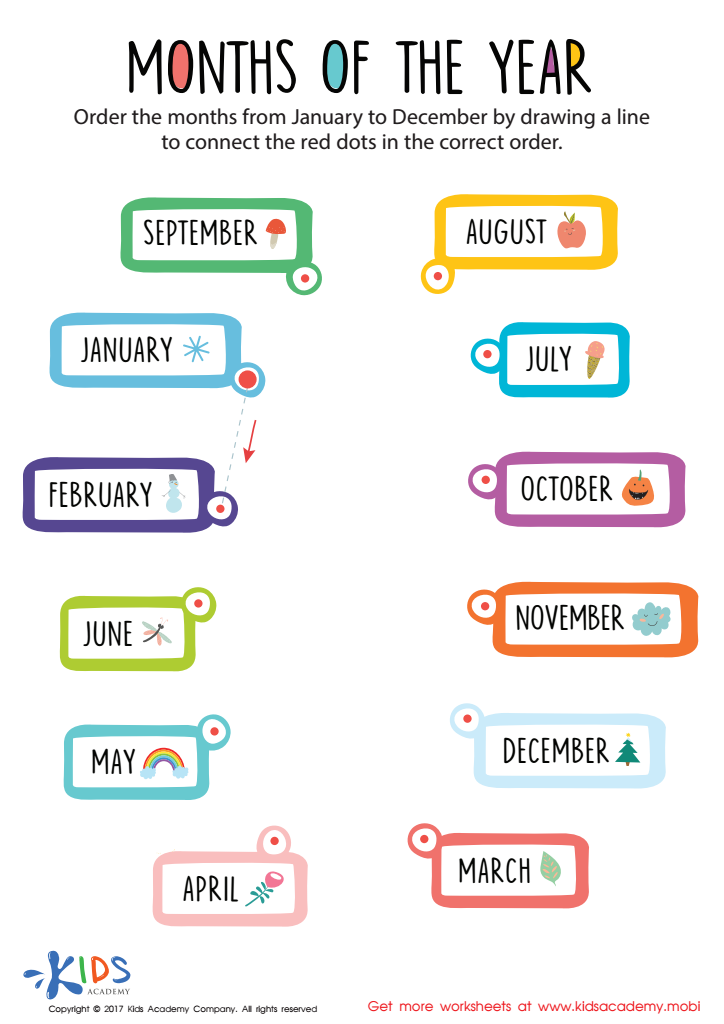
Months of the Year Worksheet
 Assign to My Students
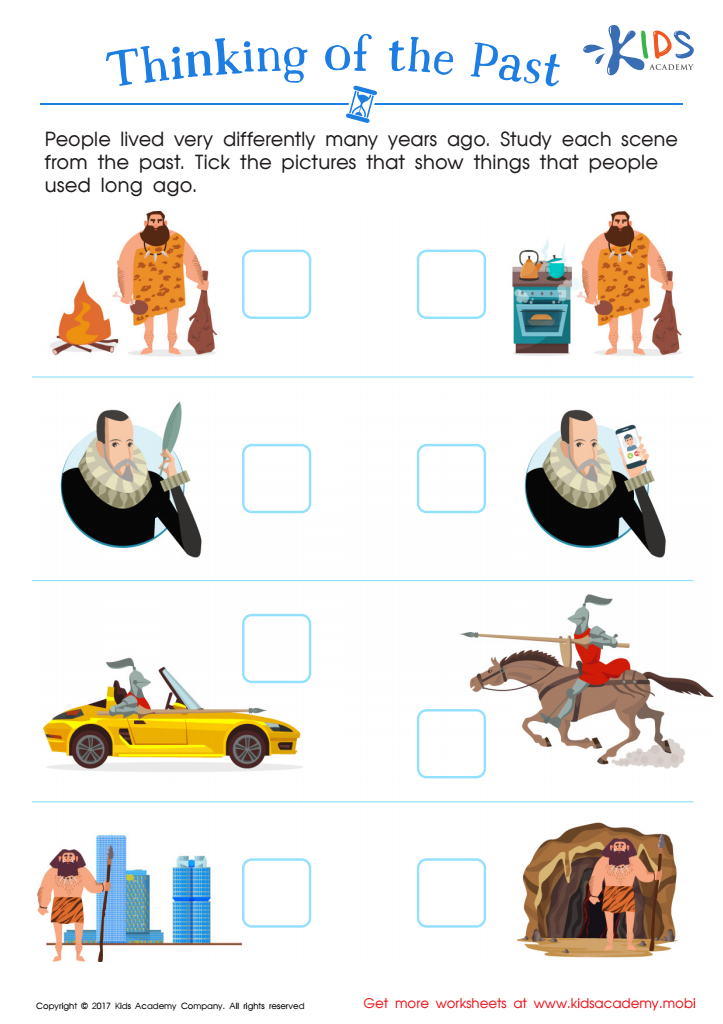
Thinking Past Printable
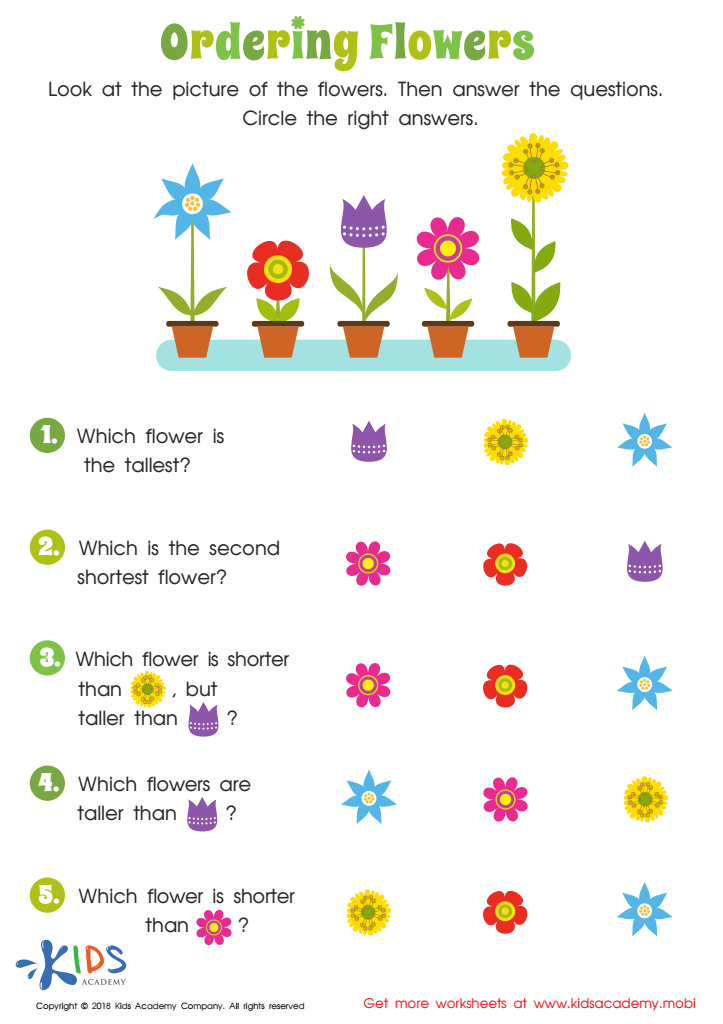
Ordering Flowers Worksheet
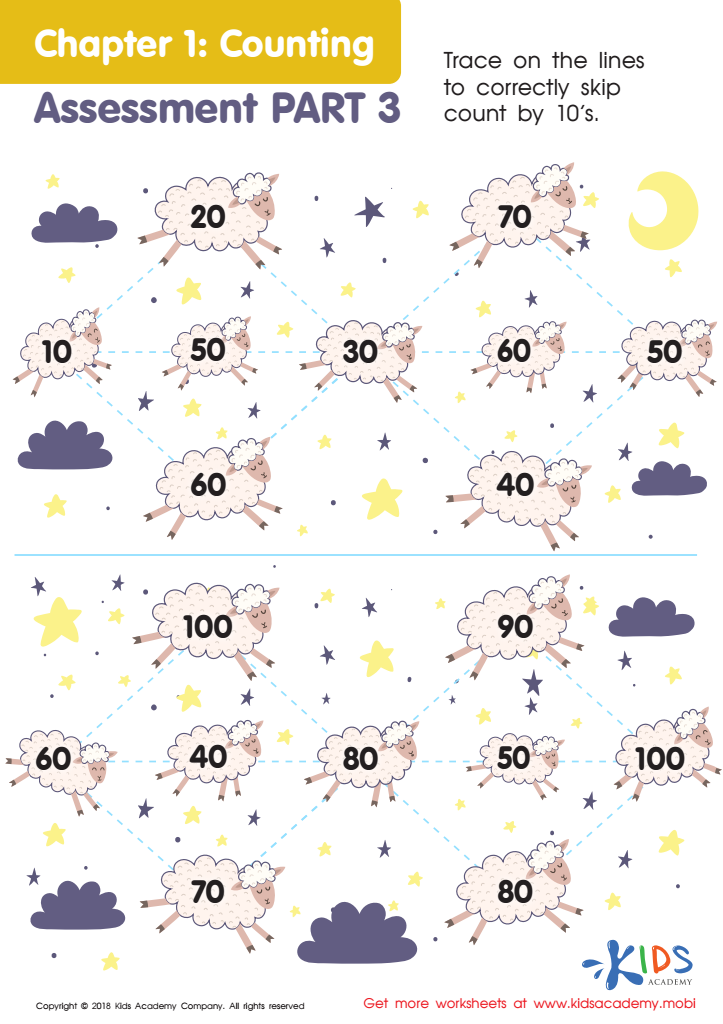
Counting: Assessment 3 Worksheet
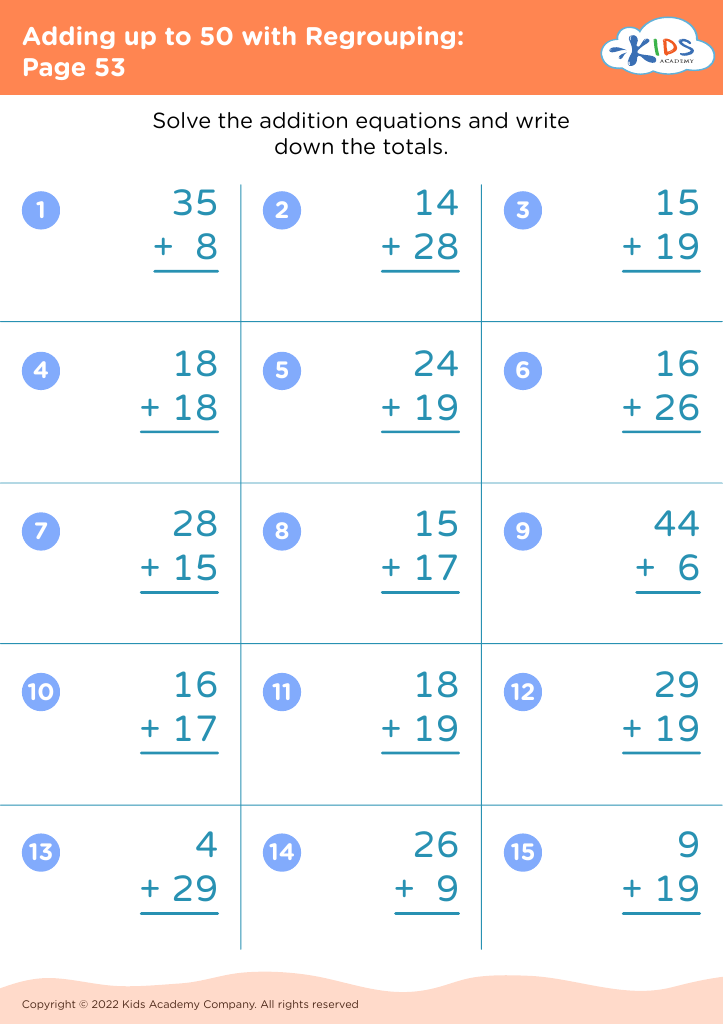
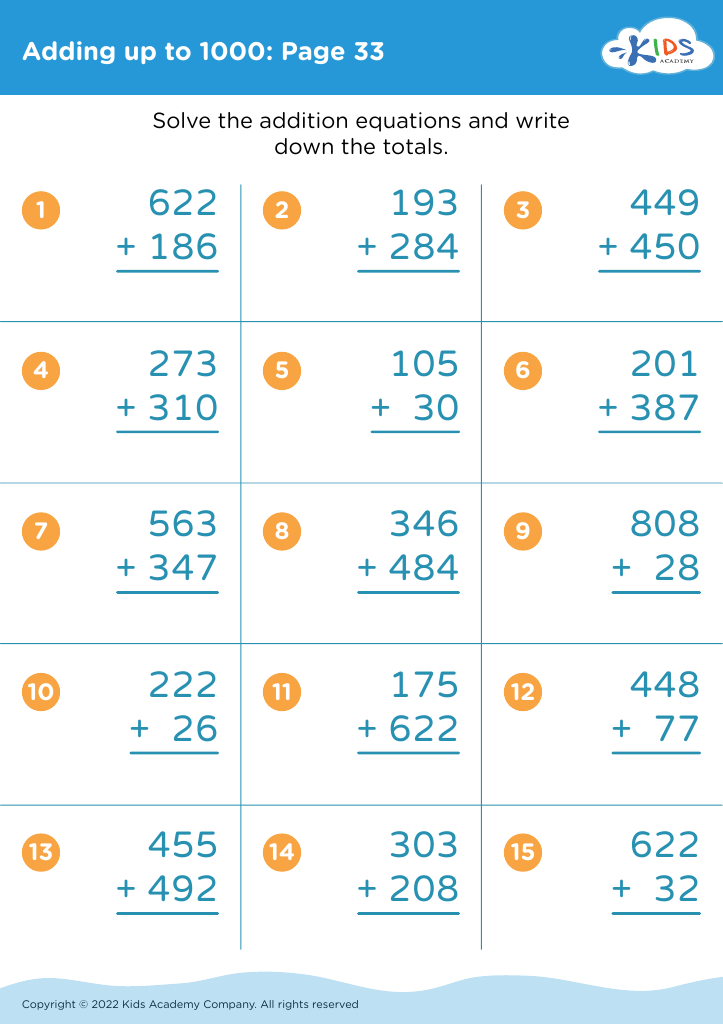







Understanding sequence is vital for children aged 3-7, as it lays the groundwork for essential cognitive and academic skills. Sequencing refers to the ability to comprehend, identify, and organize events or steps logically; this capability is foundational for reading comprehension, mathematical problem-solving, and daily functioning.
For reading, sequencing helps children predict and understand storylines, grasping the concept of beginning, middle, and end. This ability is crucial for narrating events and enhancing literacy development. In mathematics, recognizing patterns and sequences prepares children for more complex concepts like arithmetic and geometry, promoting critical thinking skills.
Practically, sequencing supports routines and the ability to follow multi-step instructions, essential for daily activities from brushing teeth to completing class assignments. Simplified sequences also help children understand cause-and-effect relationships, improving decision-making and fostering independence.
Furthermore, mastering sequencing enhances social skills. By understanding the order of social interactions and conversational flows, kids interact more effectively with peers and adults, building strong communication abilities.
Given its broad impact on a child's development, parents and teachers should prioritize activities that involve sequencing—like storytellings, puzzle-solving, and step-by-step tasks—creating a robust foundation for the child's future academic and everyday success.








