Understanding timelines Worksheets for Ages 3-7
3 filtered results
-
From - To
Discover engaging timelines worksheets tailored for kids aged 3-7! Our expertly designed activities offer a fun and educational way for young children to grasp the concept of time and sequencing. Through interactive and easy-to-follow exercises, kids will learn to order events, understand the progression of time, and enhance their logical thinking skills. Each worksheet is vibrantly illustrated and crafted to hold your child's interest while promoting crucial developmental skills. Perfect for parents and educators, our resources provide a strong foundation for early learning and historical understanding. Start your child's journey into the world of timelines today!
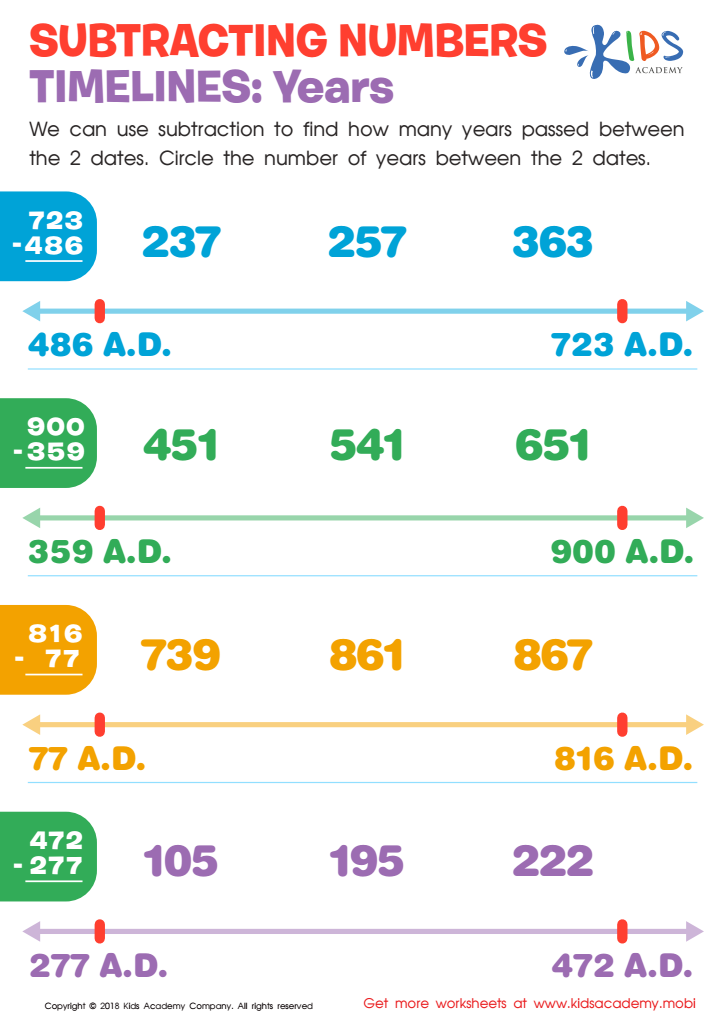
Subtracting Numbers Timelines: Years Worksheet
 Assign to My Students
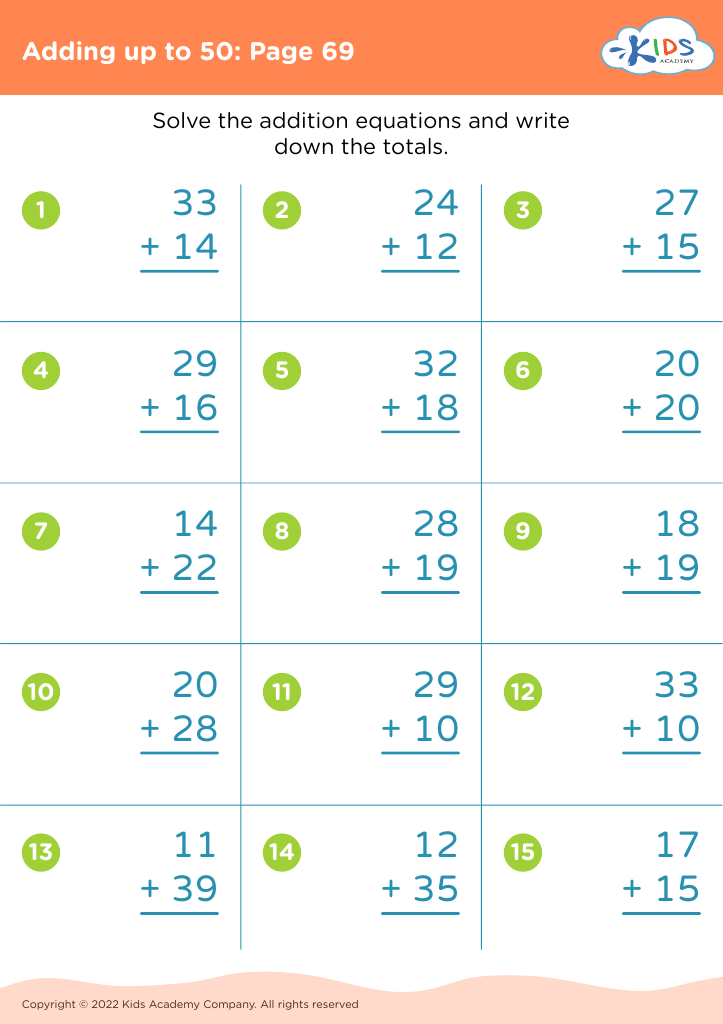
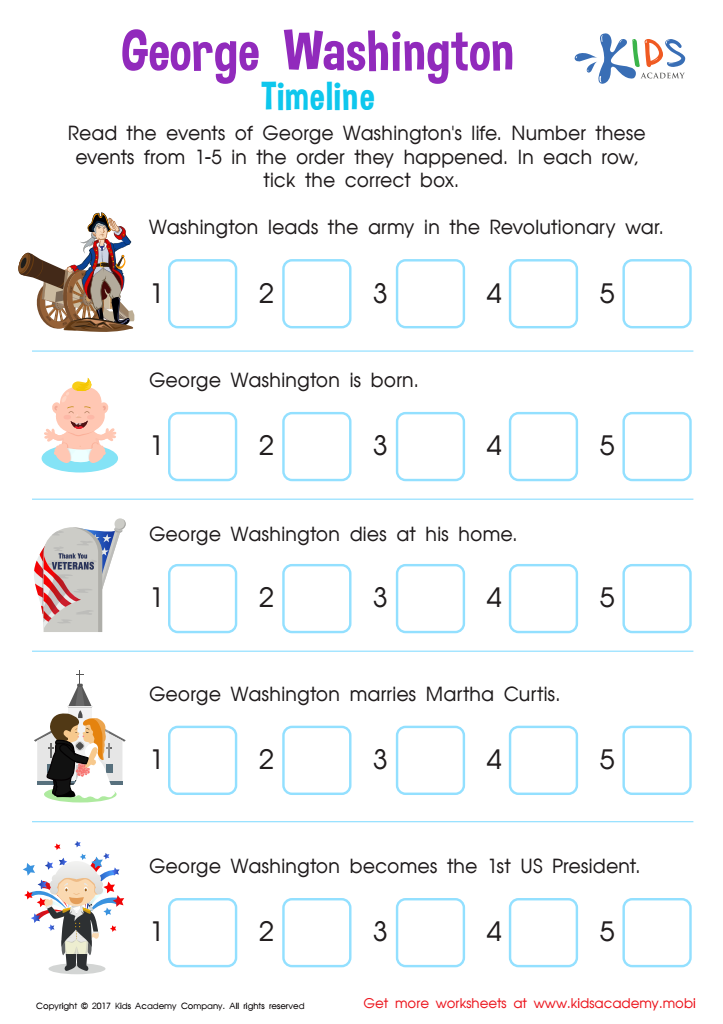
George Washington Timeline Worksheet








Understanding timelines for children aged 3-7 is crucial for parents and teachers because it significantly influences their development and learning. During these formative years, children undergo rapid cognitive, emotional, and social growth. Familiarizing themselves with development milestones helps caregivers provide appropriate support, activities, and interventions at the right time.
For instance, knowing when children typically develop fine motor skills, parents and teachers can introduce activities like drawing and cutting to enhance those skills. Recognizing language acquisition phases ensures that children are exposed to rich language environments that promote vocabulary and communication abilities.
Understanding timelines also aids in identifying potential developmental delays early on. If a child is not meeting certain milestones, timely observation can prompt necessary evaluations and interventions, preventing long-term difficulties. This proactive approach is essential for fostering confidence and competence as children prepare for school and social interactions.
Additionally, well-informed parents and teachers can create stimulating learning environments that match children's developmental stages. This alignment not only supports natural curiosity and learning but also enhances emotional resilience by ensuring challenges are appropriately tailored.
In essence, comprehending developmental timelines allows parents and teachers to nurture and guide children effectively, laying a strong foundation for future growth and success.








