Visual Learning Worksheets for Ages 3-7 - Page 5
101 filtered results
-
From - To
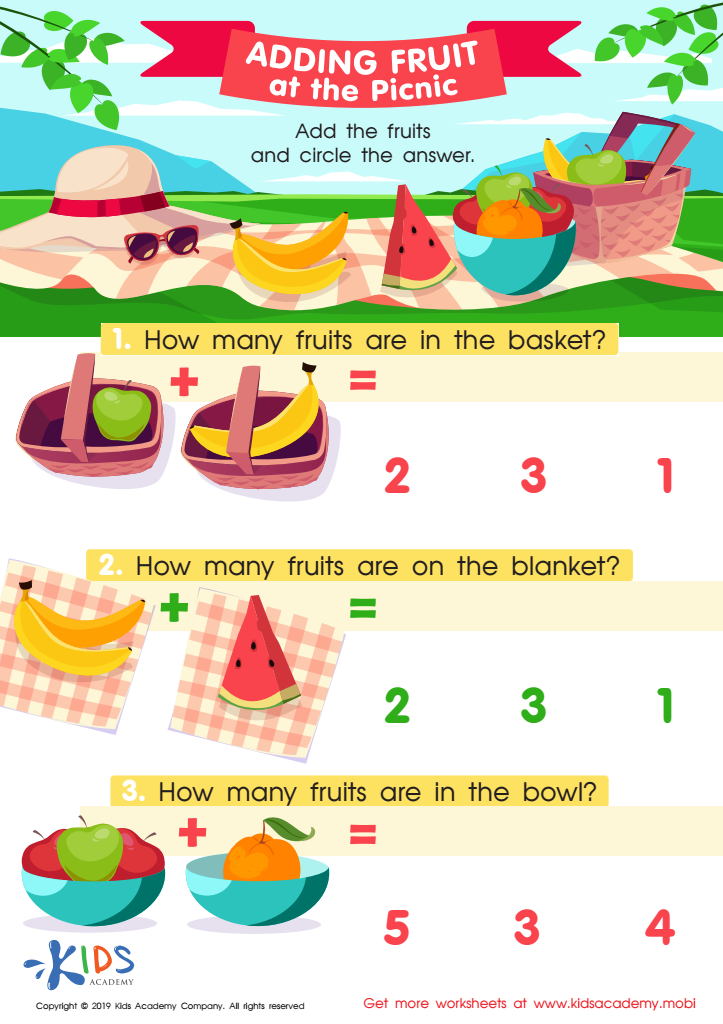
Adding Fruit at the Picnic Worksheet
 Assign to My Students
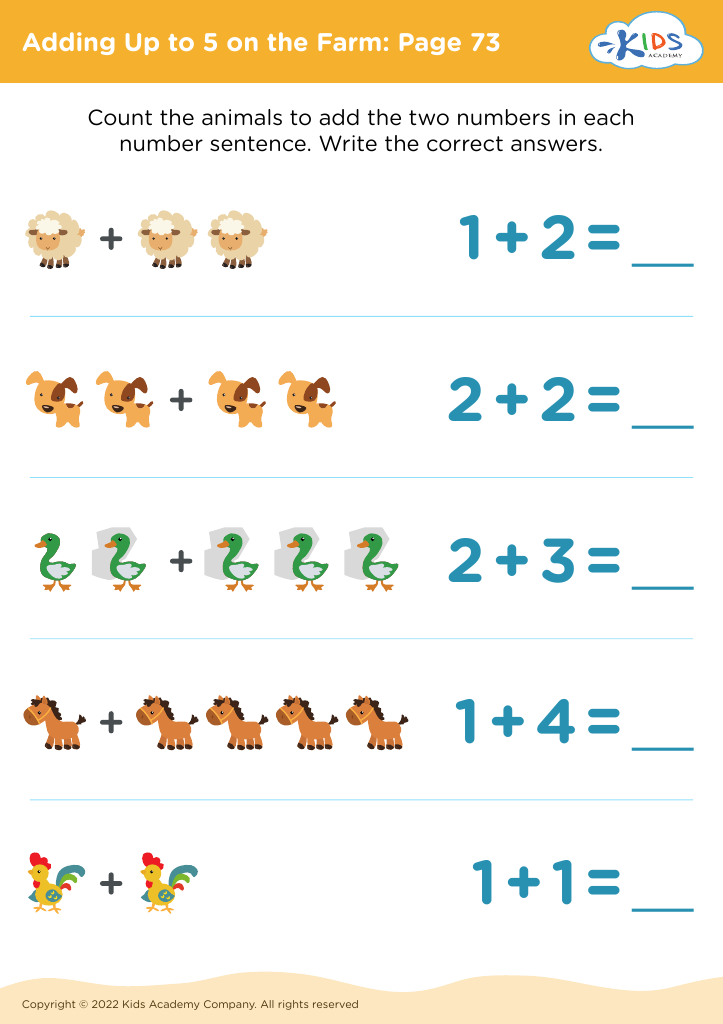
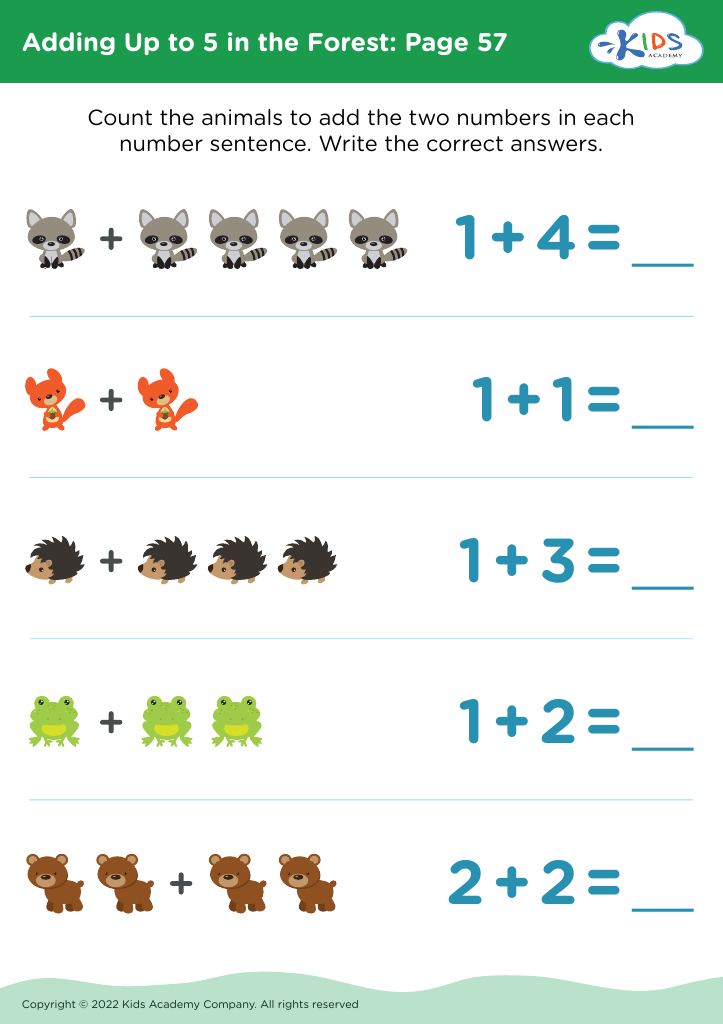
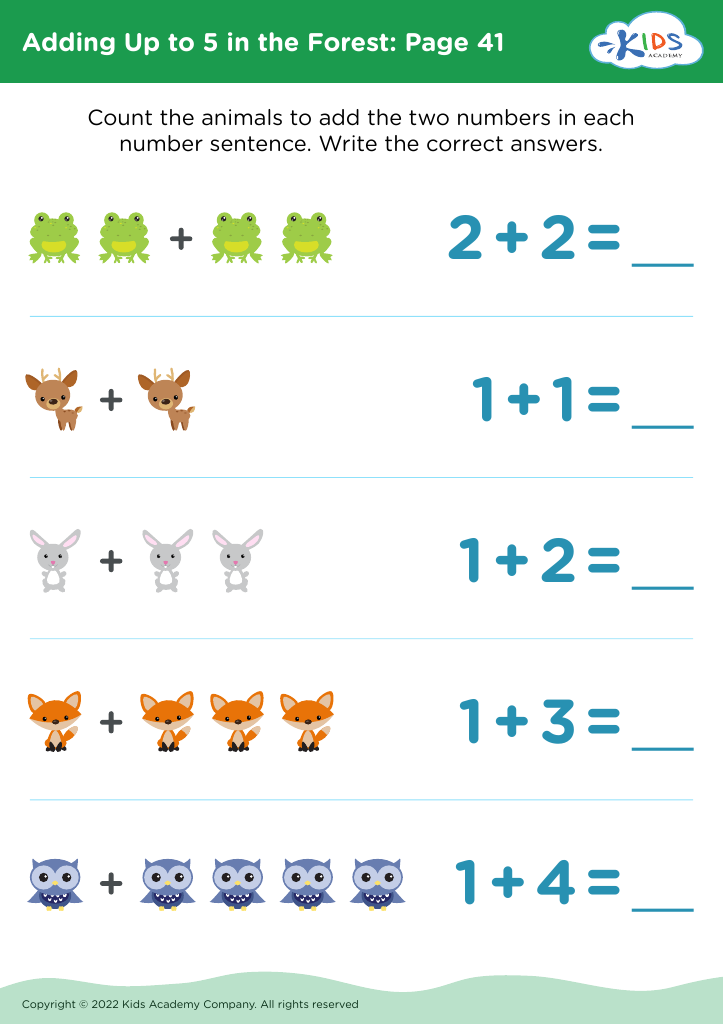
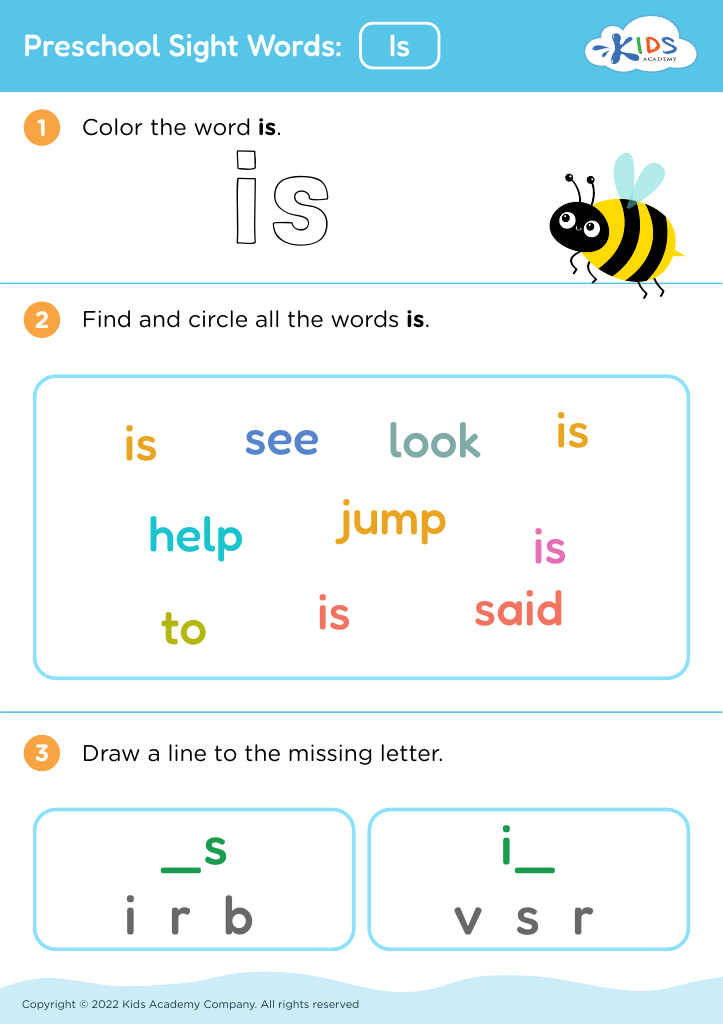







Visual learning is a crucial aspect of education for children ages 3-7, as it caters to their natural developmental stage where they grasp concepts through images and visual aids. At this age, children often have better retention and understanding when information is presented visually. Engaging visuals can enhance curiosity, making learning more stimulating and enjoyable.
Parents and teachers should care about visual learning because it aligns with young children's cognitive abilities. At this stage of development, kids learn best through observation and imitation, allowing visuals to serve as essential tools in conveying complex ideas simply and effectively. Incorporating pictures, charts, and illustrations into lessons can help children grasp foundational skills in literacy, numeracy, and critical thinking.
Moreover, visual learning supports diverse learning styles, accommodating children who may struggle with traditional auditory or text-based methods. This approach fosters inclusivity and helps build confidence among learners. As visual literacy becomes increasingly important in today's digital world, cultivating these skills early prepares children for future success, enhancing their creativity and problem-solving capabilities. Therefore, prioritizing visual learning in early education is not just beneficial, but essential for nurturing well-rounded, capable readers, thinkers, and learners.








