Visual-spatial skills Worksheets for Ages 3-7
3 filtered results
-
From - To
Discover our engaging Visual-Spatial Skills Worksheets, specially designed for children ages 3-7! These interactive activities are perfect for developing essential visual perception, spatial awareness, and problem-solving skills, all while having fun. Our diverse worksheets include puzzles, mazes, matching games, and shape recognition exercises, crafted to stimulate your child’s creativity and critical thinking. Ideal for both home and classroom use, these resources support early learning and cognitive development. Help your little ones build a strong foundation for future success in math, reading, and science through meaningful play. Explore our collection today and watch your child thrive with these exciting learning tools!
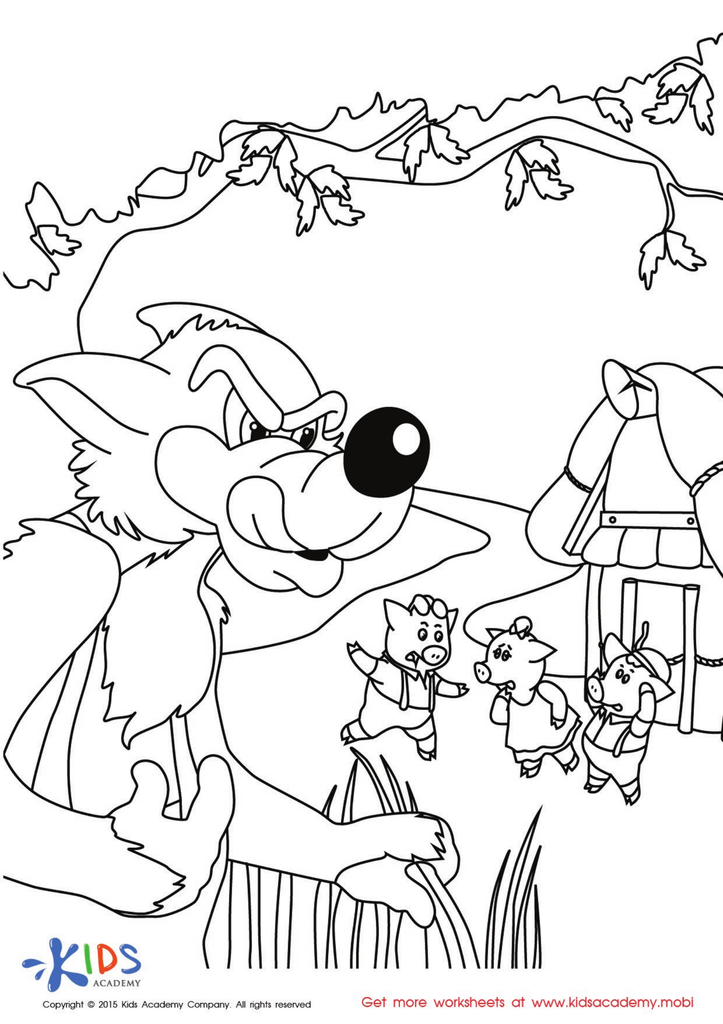
The Story of the Three Little Pigs Coloring Worksheet
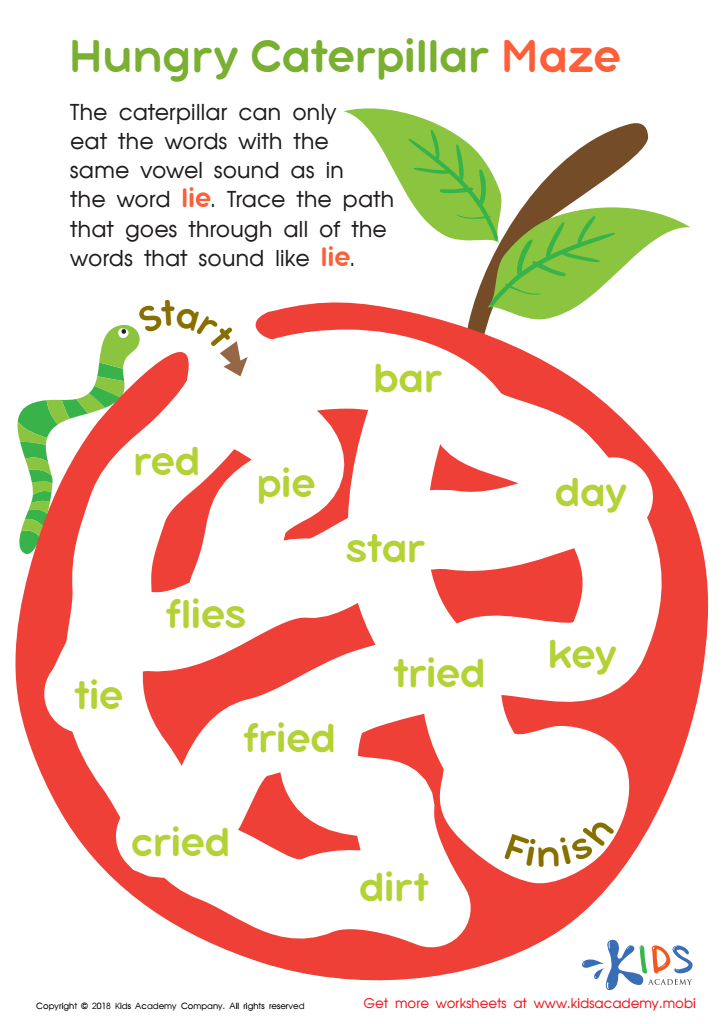
Hungry Caterpillar Maze Worksheet
 Assign to My Students
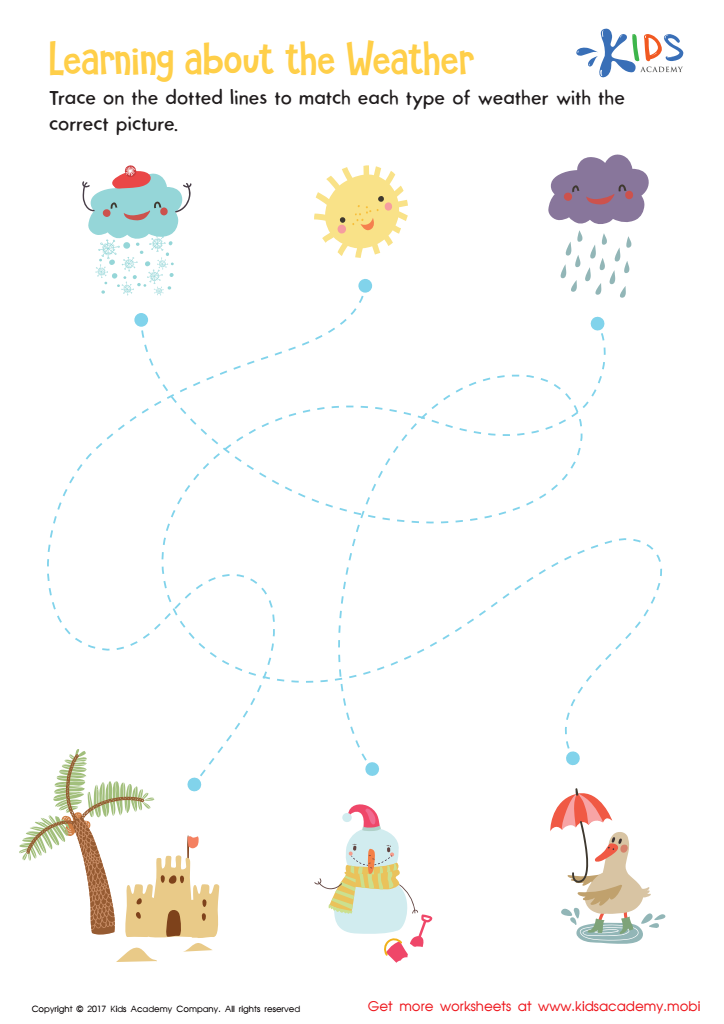



.jpg)



Visual-spatial skills are crucial for children aged 3-7 as they form the foundation for various cognitive and academic abilities. These skills enable children to understand and navigate their environment, recognize shapes, understand spatial relationships, and manipulate objects. Strong visual-spatial skills are essential for success in subjects such as mathematics, science, and even reading, as they support problem-solving, critical thinking, and comprehension.
Parents and teachers should care about cultivating these skills at an early age because early development is critical for long-term learning outcomes. Activities that promote visual-spatial awareness—such as puzzles, building blocks, drawing, and modeling—can significantly enhance spatial reasoning, making them invaluable in early childhood education. Furthermore, children who struggle with visual-spatial skills may face challenges in their academic journey, leading to frustration and lowered confidence.
By recognizing the importance of visual-spatial skills, adults can create engaging and supportive environments that nurture these abilities. Consequently, fostering strong visual-spatial skills not only prepares children for academic success but also equips them with essential tools for daily activities and real-world problem-solving, ultimately laying the groundwork for lifelong learning and adaptability.








