Vocabulary Enrichment Worksheets for Ages 3-7 - Page 2
28 filtered results
-
From - To
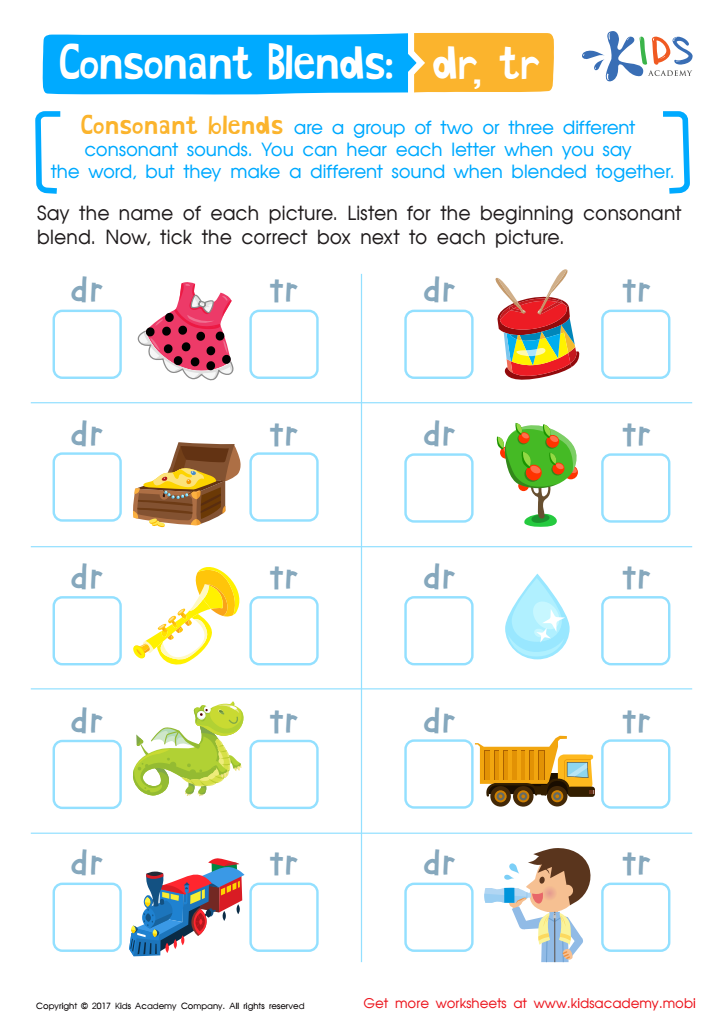
Consonant Blends: "Dr" and "Tr" Printable
 Assign to My Students
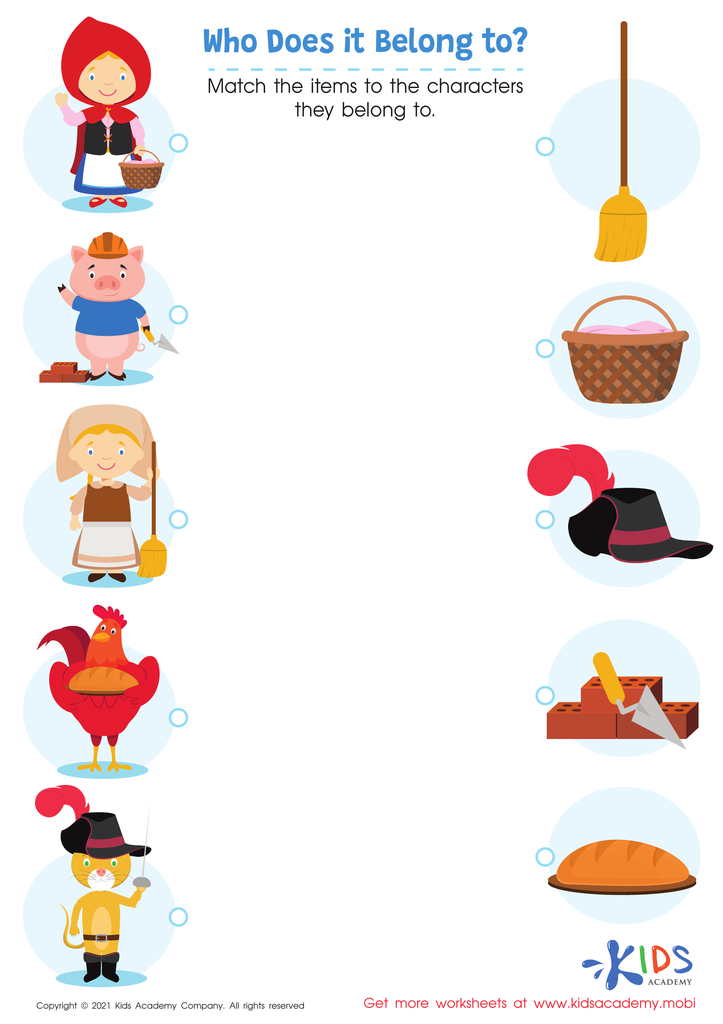
Who Does It Belong To? Worksheet







Vocabulary enrichment for children ages 3-7 is essential for several reasons that directly impact their overall development and academic success. First and foremost, a robust vocabulary forms the foundation for effective communication. Young children who develop a rich vocabulary can express their thoughts and feelings clearly, which fosters better social interactions and emotional intelligence.
Furthermore, a strong vocabulary is linked to reading comprehension and literacy skills. Early exposure to diverse words enhances phonological awareness, allowing children to decode text more easily and understand what they read. This early literacy advantage often translates into improved academic performance across subjects as children progress in school.
Additionally, vocabulary enrichment stimulates cognitive development, encouraging children to think critically and make connections between concepts. Engaging with new words expands their worldview, fostering curiosity and creativity, which are crucial during formative years.
Moreover, vocabulary growth is closely tied to socioeconomic opportunities. Children with well-developed vocabularies are better prepared for educational challenges and future career prospects. By prioritizing vocabulary enrichment at a young age, parents and teachers play an active role in equipping children with the skills they need to thrive both academically and socially throughout their lives.








