Developing Concentration Adding with Busy Bugs Worksheets for Ages 3-7
3 filtered results
-
From - To
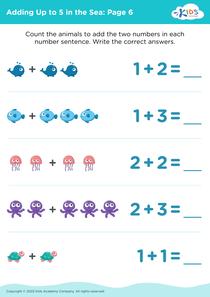
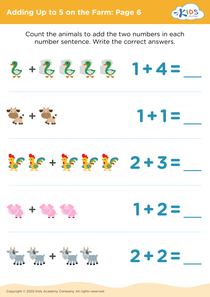
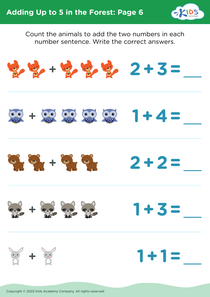
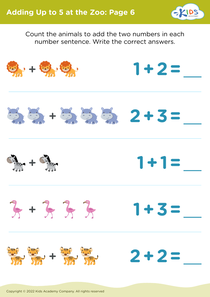
Boost young learners' focus with our "Developing Concentration Adding with Busy Bugs Worksheets" tailored for ages 3-7. These engaging worksheets combine colorful bug illustrations with fun addition exercises, helping kids enhance their math skills while improving concentration. Each activity is designed to capture children’s attention, making learning rewarding and enjoyable. Ideal for at-home practice or classroom use, our Busy Bugs worksheets support cognitive development and foundational math proficiency. Introduce your little ones to the fascinating world of numbers and watch their concentration and confidence soar with these expertly crafted resources. Let's make math fun and focused with Busy Bugs!
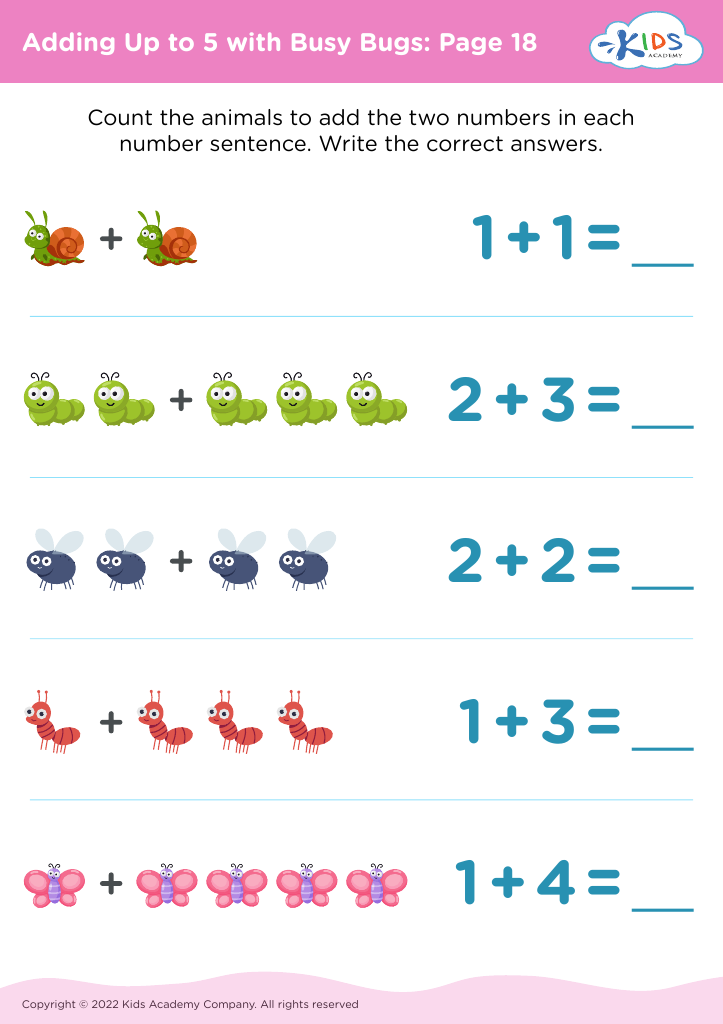
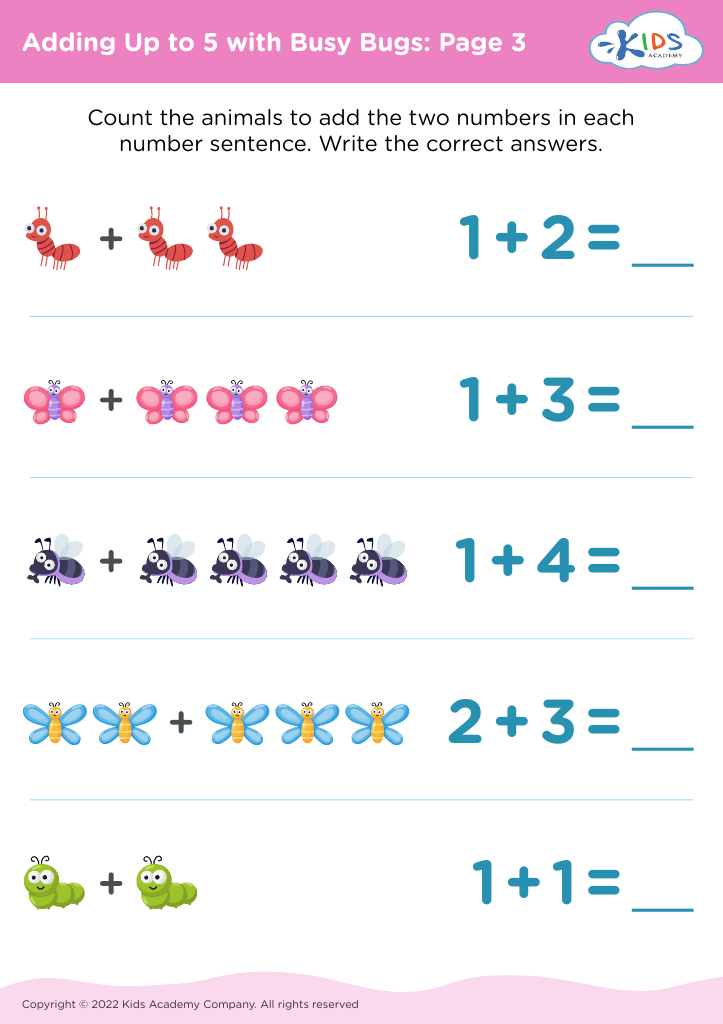
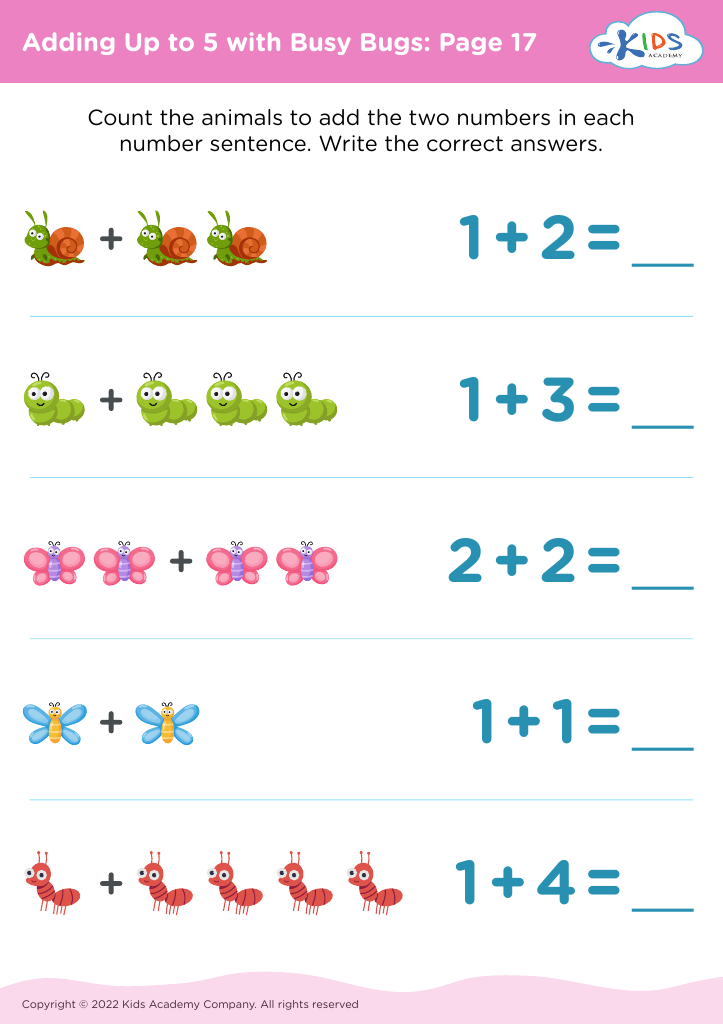



"Developing Concentration Adding with Busy Bugs" is a vital tool for young learners aged 3-7, as it effectively combines fun and foundational educational principles. At this developmental stage, children’s brains are highly receptive and adaptable, making it an ideal time to introduce techniques that build concentration and cognitive skills.
Firstly, the interactive nature of Busy Bugs captures children's attention in ways that traditional methods might not. These engaging activities are designed to hold their interest, thereby organically extending their ability to focus over time. Enhanced concentration is crucial; it not only helps in acquiring mathematics skills but also improves performance in other subjects and daily tasks.
Secondly, adding mathematical elements to playful scenarios enriches a child’s analytical and problem-solving abilities. By associating numbers with vibrant, moving characters, children begin to understand concepts of addition tangibly, paving the way for more complex arithmetic in later years.
Moreover, integrating such activities strengthens parent-child and teacher-student relationships. It provides a bonding opportunity rooted in collaborative learning, making education a shared, enjoyable journey rather than a solitary chore. Engaging children in these meaningful, playful exercises fosters an early love for learning, setting a robust foundation essential for future academic success.
In conclusion, prioritizing effective concentration-building tools like Busy Bugs not only nurtures essential cognitive skills but also cultivates a positive educational environment for young minds.