Mental math practice Addition Facts Worksheets for Ages 3-7
3 filtered results
-
From - To
Boost your child's confidence in math with our "Mental Math Practice Addition Facts Worksheets" designed specifically for ages 3-7! These engaging worksheets offer fun and interactive ways to master addition skills without relying on pen and paper. Perfect for early learners, our worksheets promote critical thinking and problem-solving while helping to build a strong foundation in math. With colorful illustrations and age-appropriate challenges, children will enjoy practicing addition in a playful manner. Strengthen mental math abilities and foster a love for learning by downloading these essential resources today, laying the groundwork for a bright mathematical future!
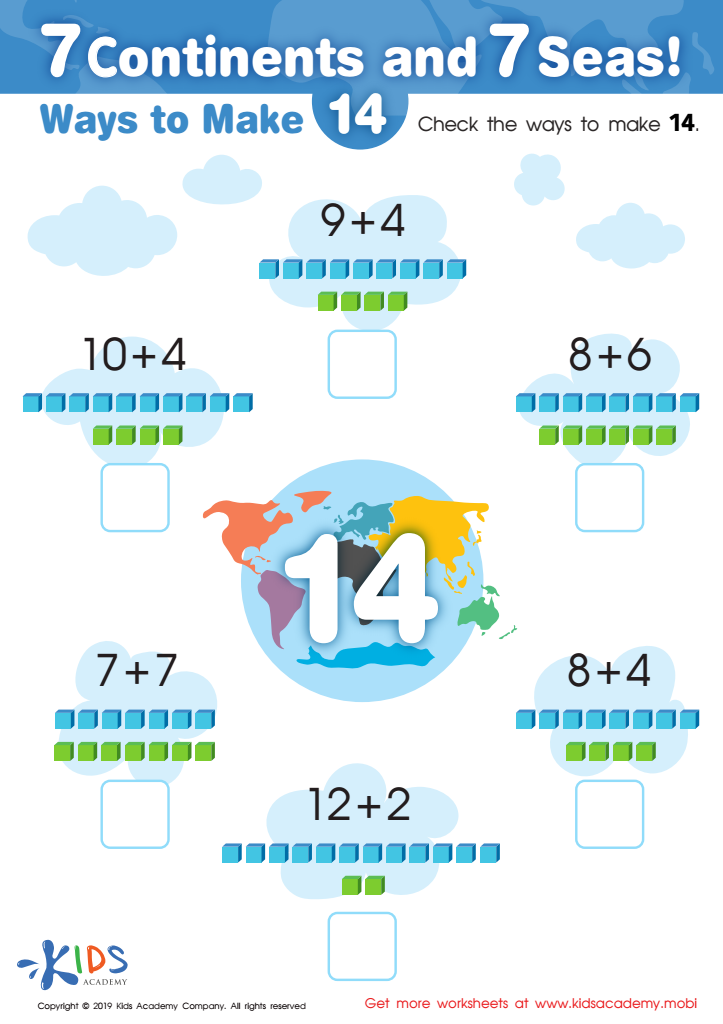
7 Continents and 7 Seas Worksheet
 Assign to My Students
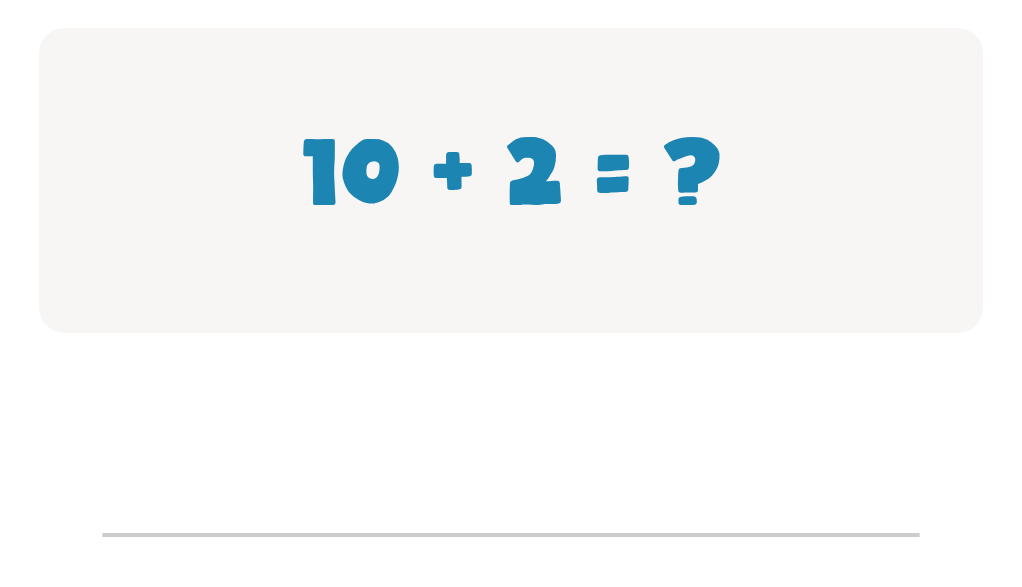

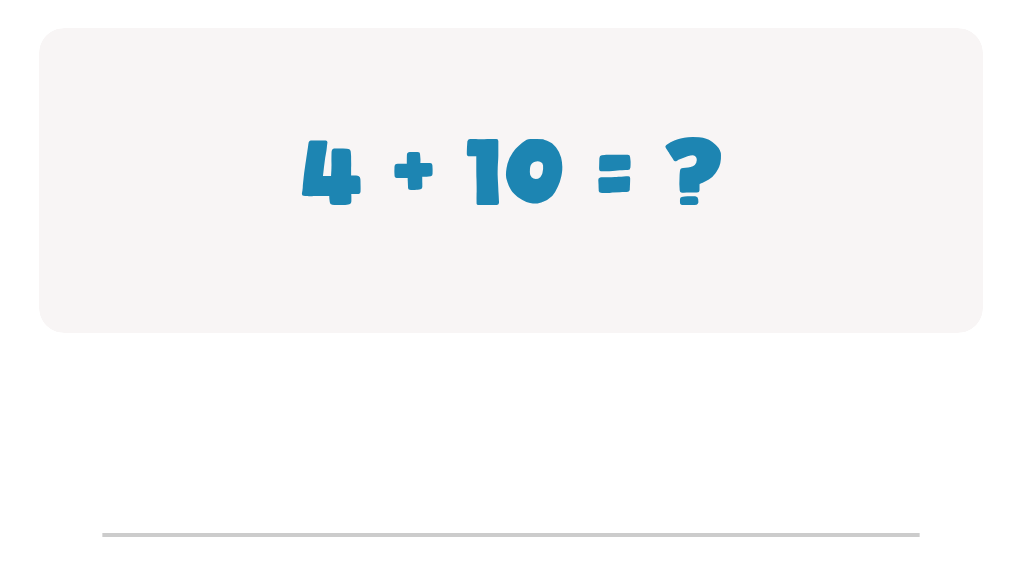
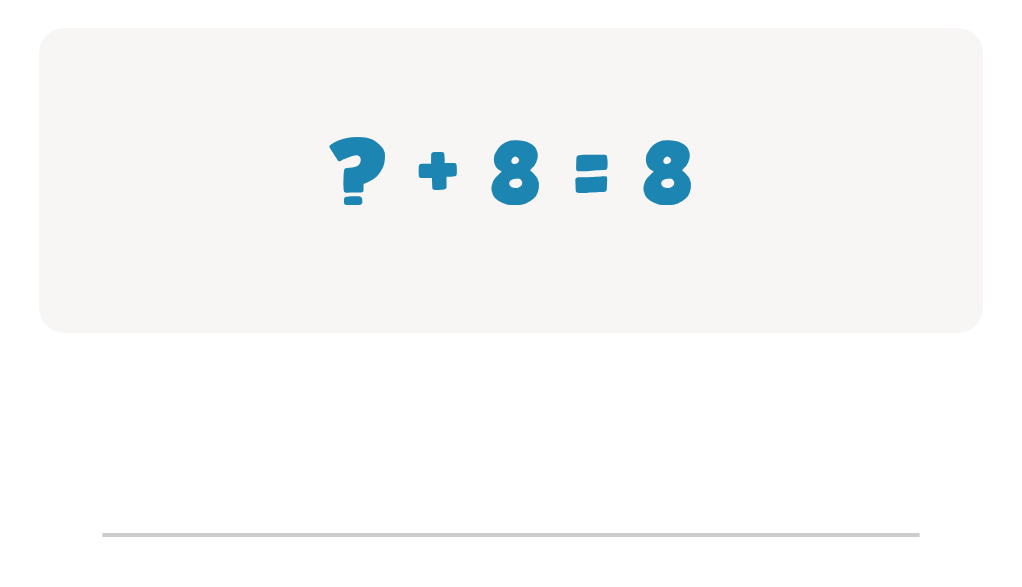

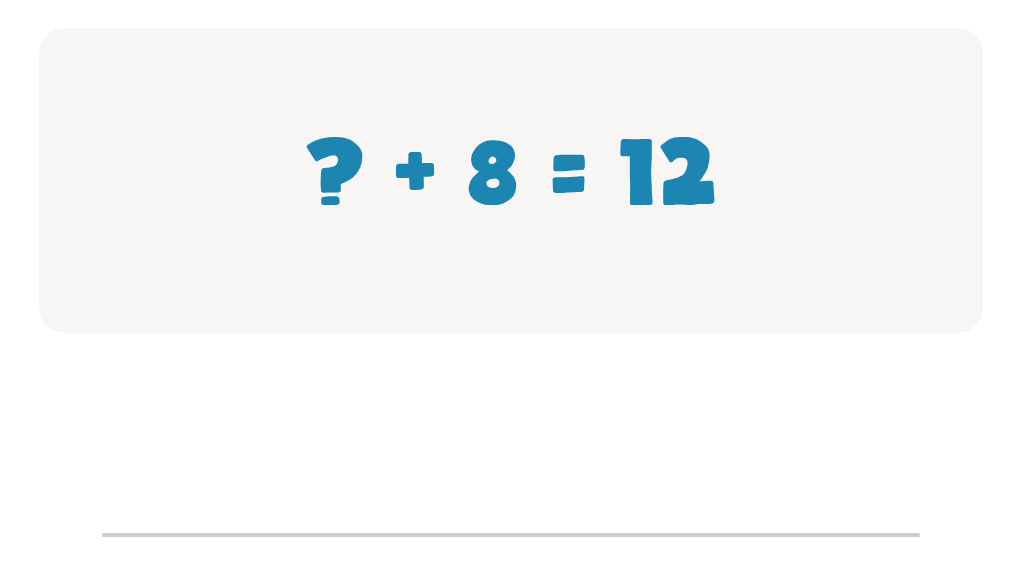
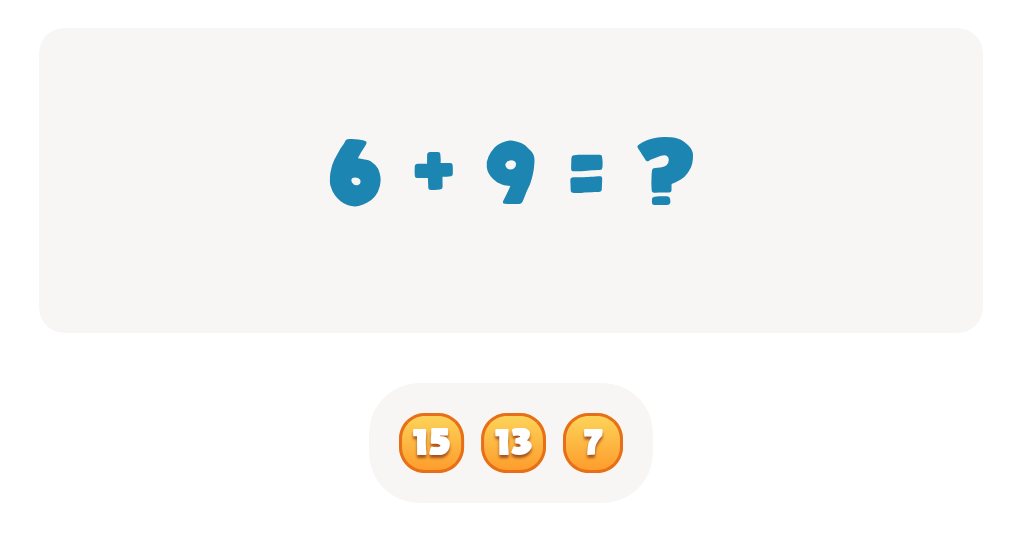
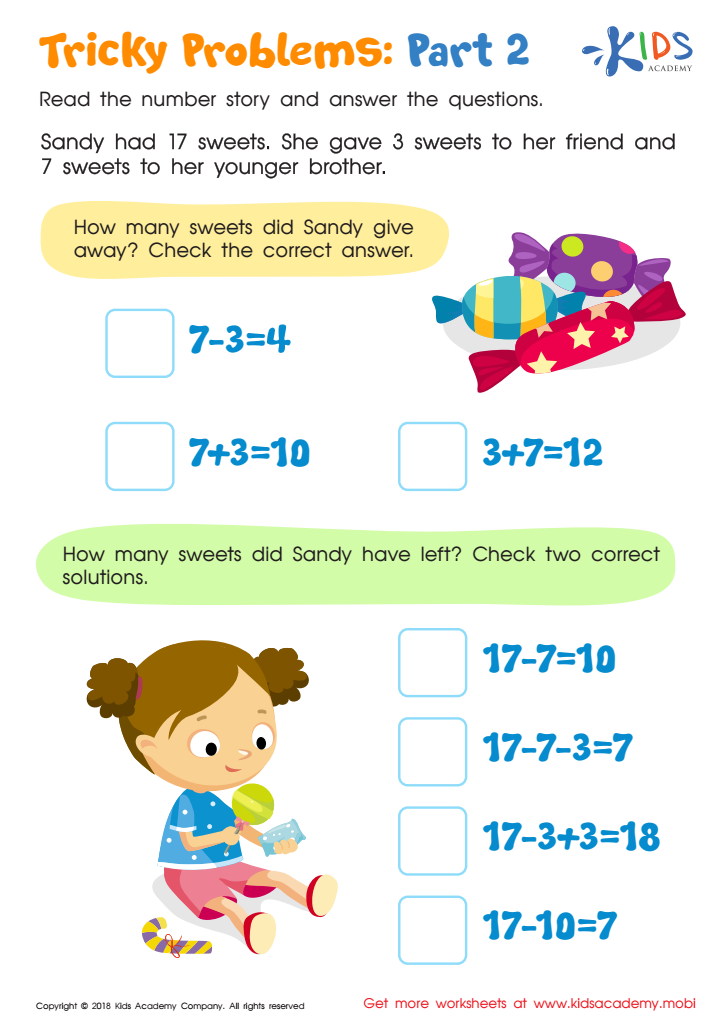
Tricky Problems Worksheet: Part 2
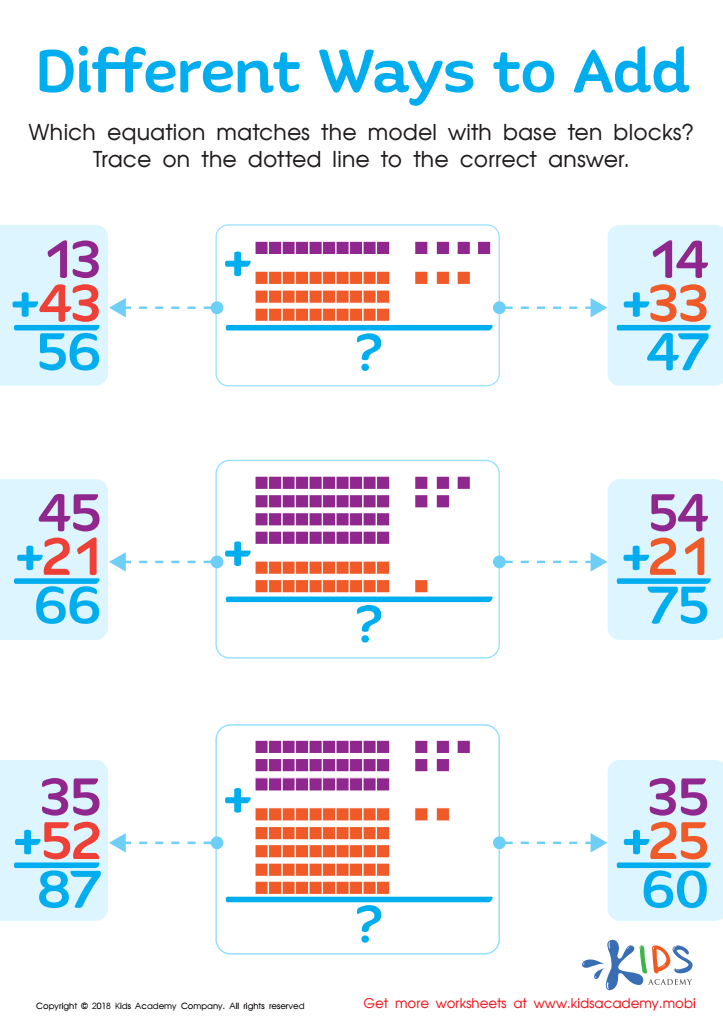
Different Ways to Add Worksheet








Mental math practice, especially for addition facts, is crucial for children aged 3-7 as it lays the foundational skills for their future mathematical understanding. This period is vital for cognitive development, as children are naturally curious and eager to learn. By engaging in mental math activities, they enhance their number sense, which helps them understand numerical relationships and develop problem-solving strategies.
Parents and teachers should prioritize mental math because it fosters confidence in young learners. Mastering addition facts through mental practice enables children to perform calculations quickly and accurately, making them less reliant on counting on fingers or using external aids. This independence can lead to greater enjoyment and satisfaction in mathematics, reducing math anxiety as they progress in their education.
Moreover, mental math encourages brain development and critical thinking skills. It requires children to think abstractly and apply reasoning, which promotes cognitive flexibility essential in all subjects. Regular mental math practice can also strengthen memory retention, making it easier for young learners to recall not just addition facts but other related math concepts.
In summary, emphasizing mental math practice for addition facts for ages 3-7 nurtures essential mathematical skills, boosts self-confidence, stimulates cognitive growth, and sets the stage for a lifetime of mathematical success.








